Traditional Rug: The Berber Tradition in Hand-Knotted Wool
Last updated
A traditional rug means different things in different shops. Often it means a machine-made copy of a Persian medallion. Here it means something else: rugs from the Berber weaving tradition of Morocco, knotted by hand in wool, with diamonds, zigzags and small signs that the weaver sets down row by row without a drawn plan. No two are the same. This page explains how to look at these patterns, how to place them in a modern home, and what the rugs in this selection are like.
From the Atelier
Traditional Rug currently in our collection 138
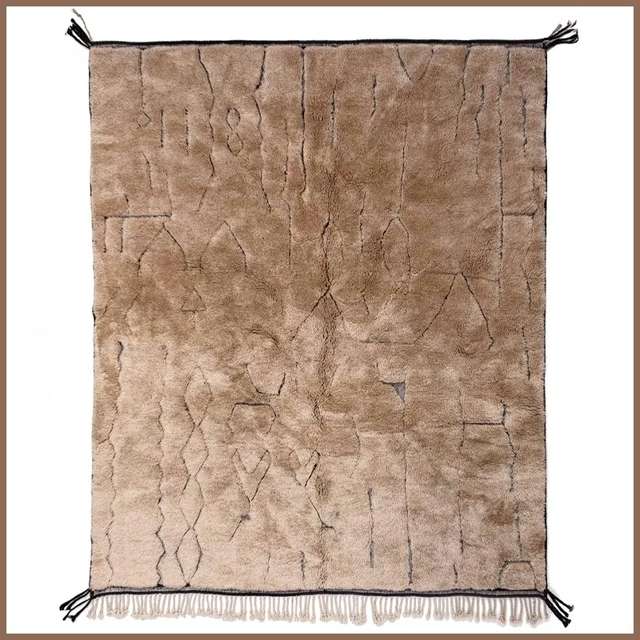
Beni Mrirt "Taupe Heritage"
300 × 260 cm
€3,898
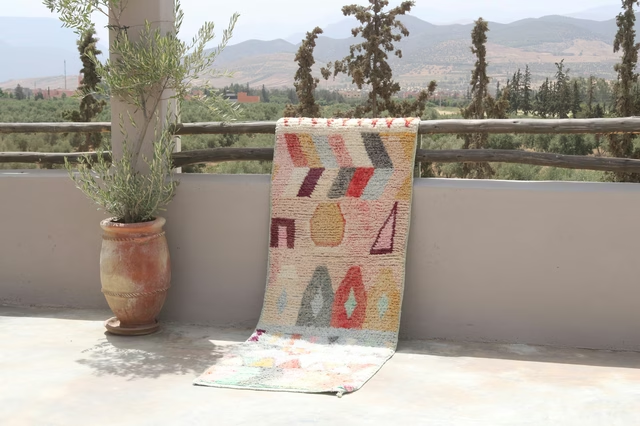
Azilal "Arch Sampler"
300 × 81 cm
€1,547
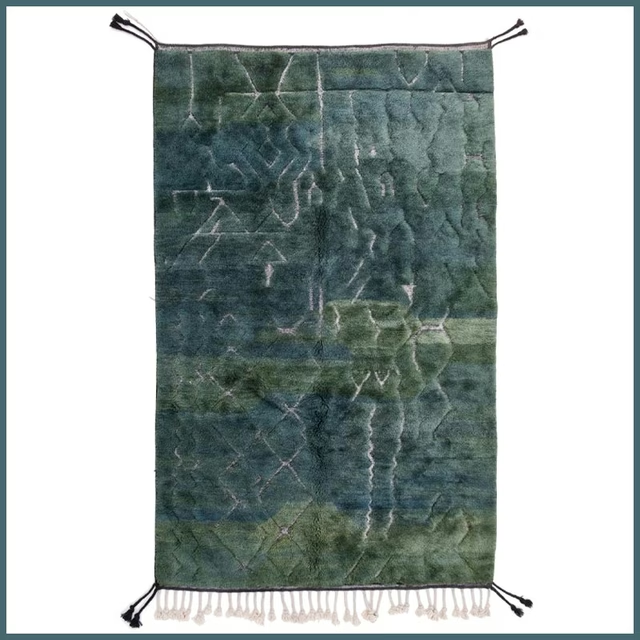
Beni Mrirt "Ocean Depths"
300 × 200 cm
€3,124
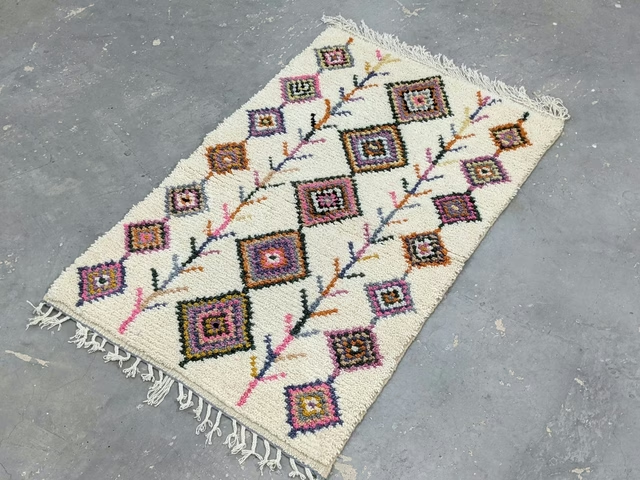
Azilal "Petite Trellis"
158 × 101 cm
€1,577
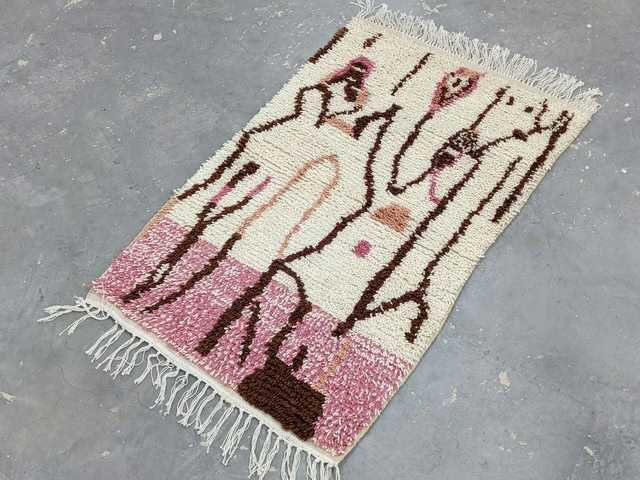
Azilal "Petite Heritage"
152 × 93 cm
€1,525
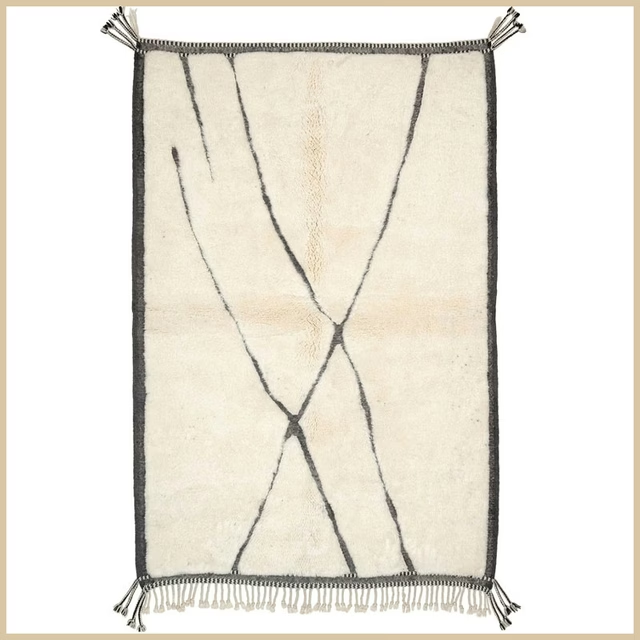
Beni Mrirt "Ivory Framework"
240 × 162 cm
€1,896
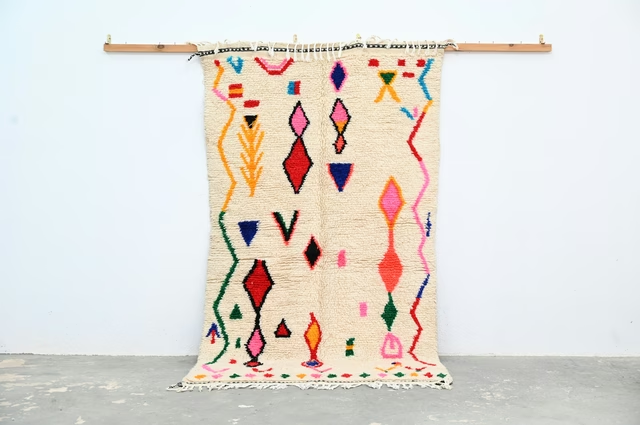
Azilal "Sacred Geometry"
231 × 131 cm
€1,157
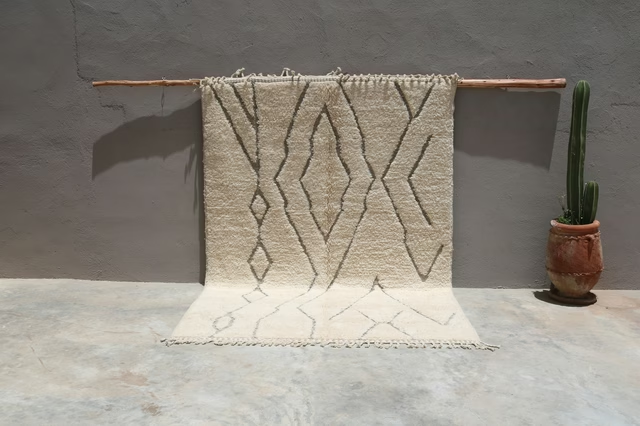
Beni Ouarain "Drawn Lattice"
300 × 205 cm
€1,797
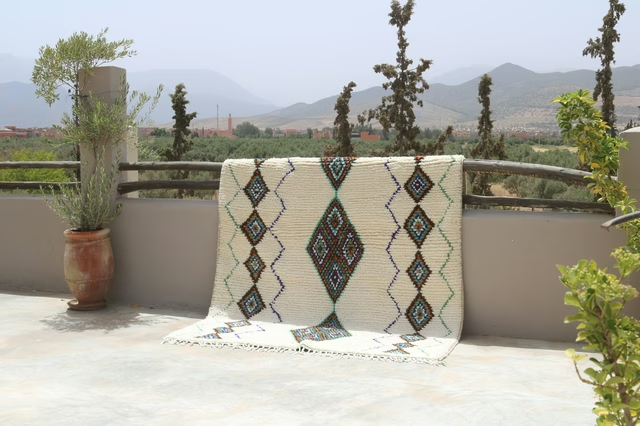
Azilal "Triple Columns"
315 × 200 cm
€1,797
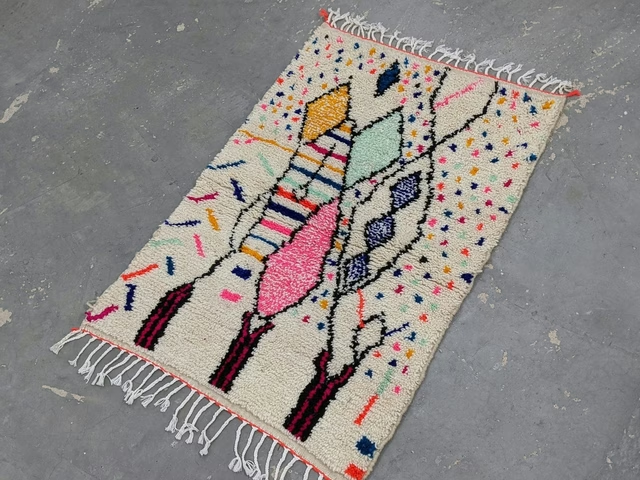
Azilal "Petite Poem"
138 × 97 cm
€1,525
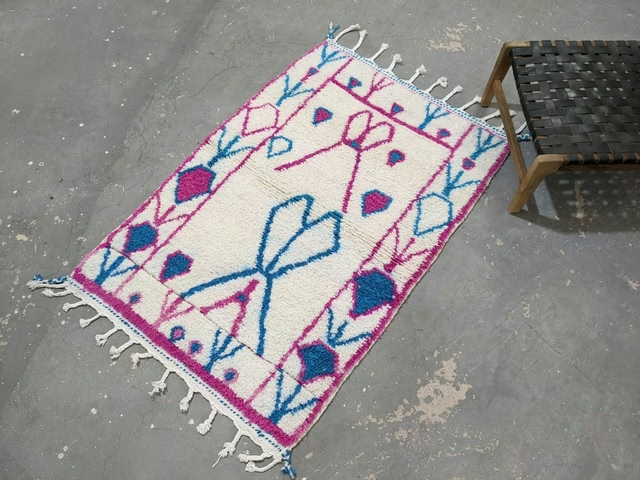
Azilal "Desert Echo"
160 × 108 cm
€1,577
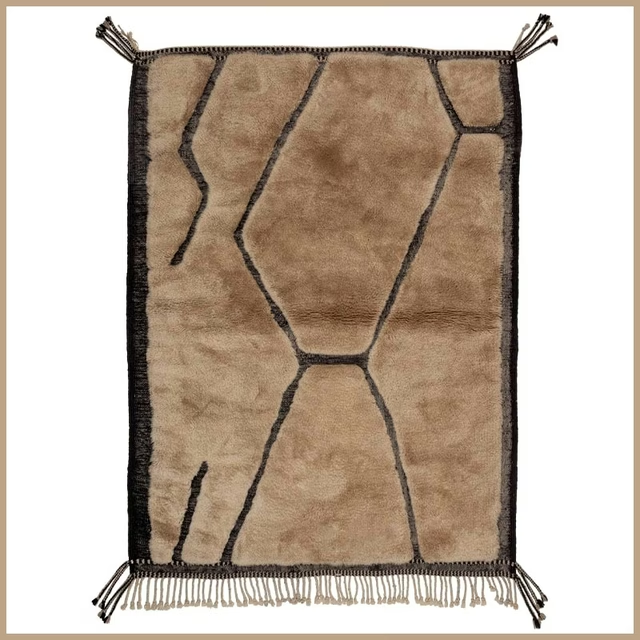
Beni Mrirt "Taupe Lattice"
199 × 147 cm
€1,818
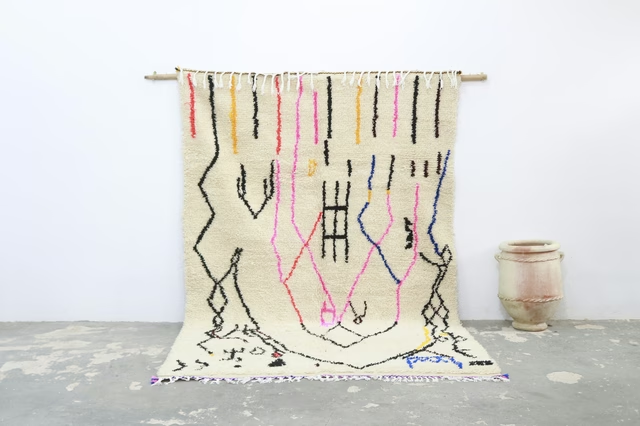
Azilal "Sketch Lines"
305 × 200 cm
€1,547
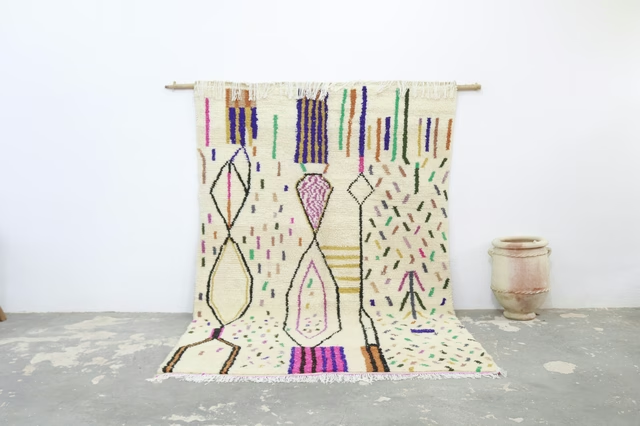
Azilal "Chromatic Vessels"
310 × 200 cm
€1,797
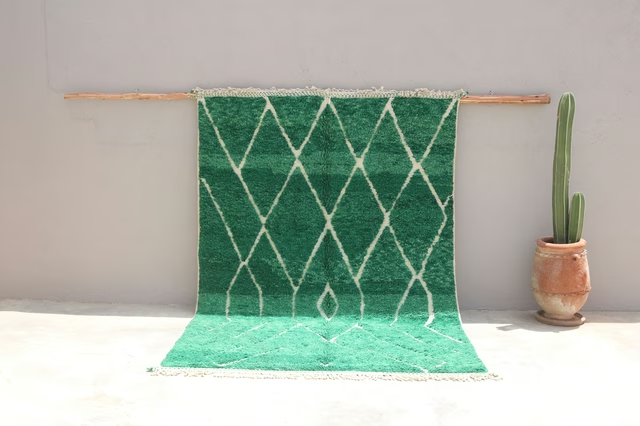
Azilal "Emerald Lattice"
300 × 205 cm
€1,797
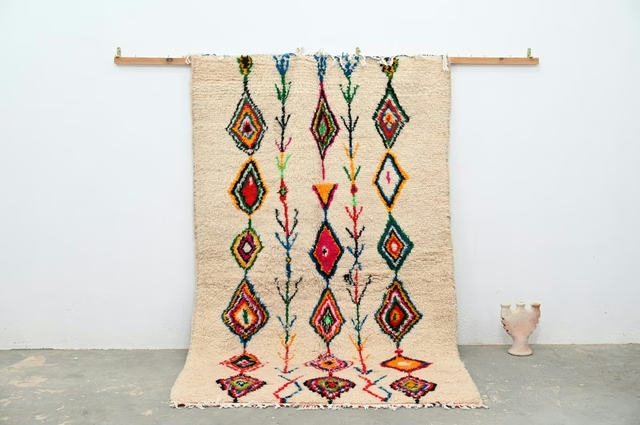
Azilal "Woven Grid"
262 × 157 cm
€1,287
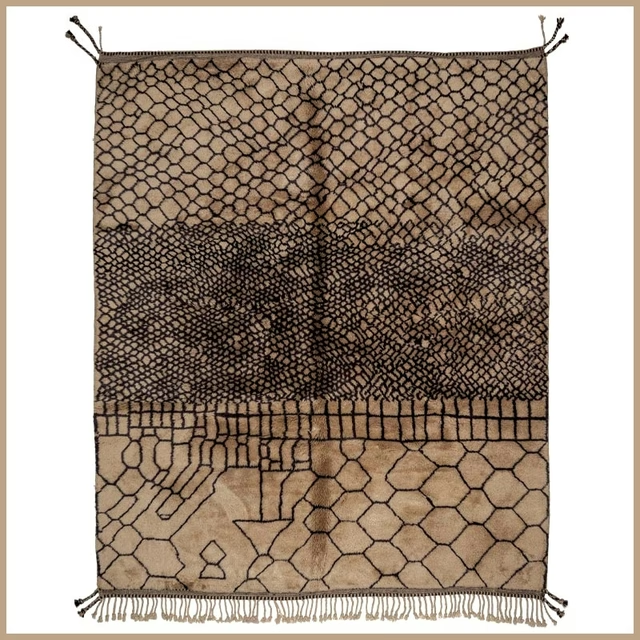
Beni Mrirt "Ornate Taupe"
308 × 253 cm
€3,280
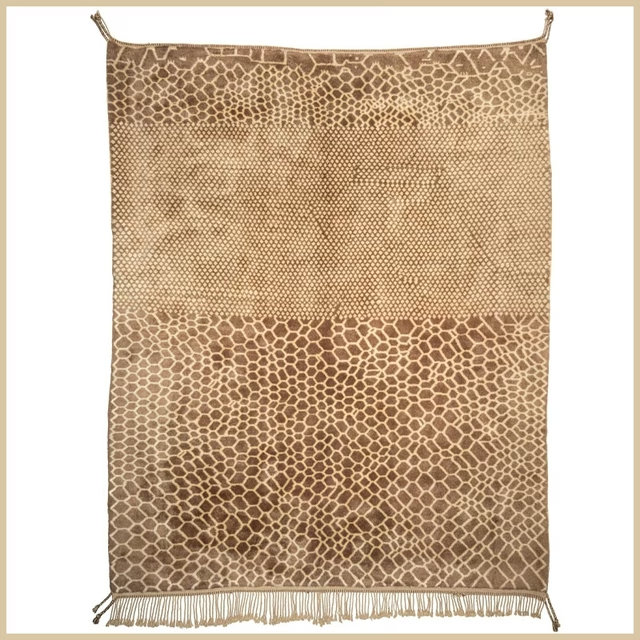
Beni Mrirt "Grand Ornate Taupe"
390 × 313 cm
€5,796
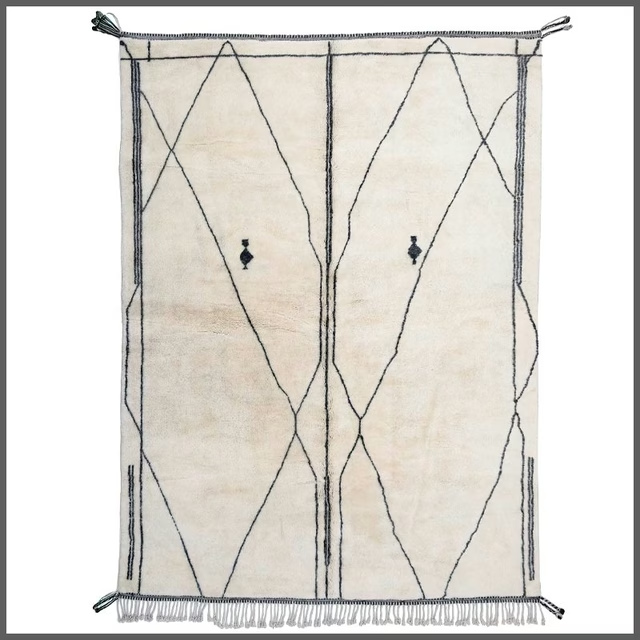
Beni Mrirt "Prestige Lattice"
400 × 300 cm
€5,698
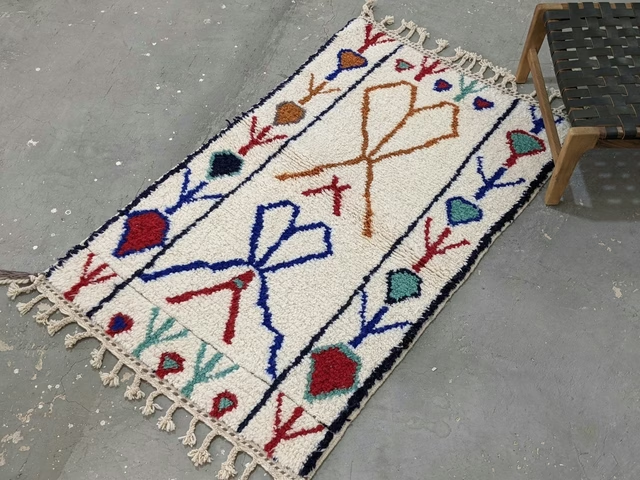
Azilal "Parchment Song"
160 × 100 cm
€1,577
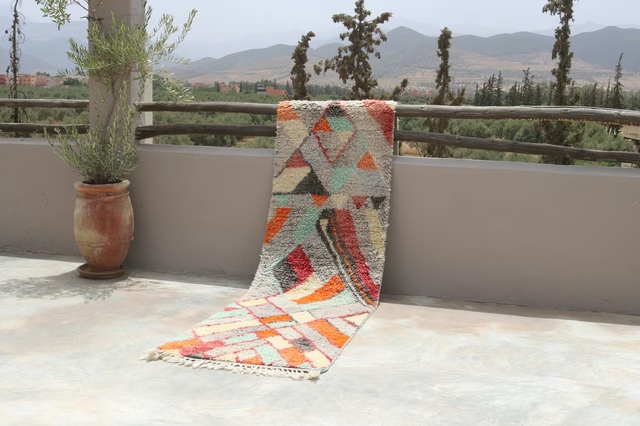
Azilal "Sunset Chevrons"
390 × 81 cm
€1,547
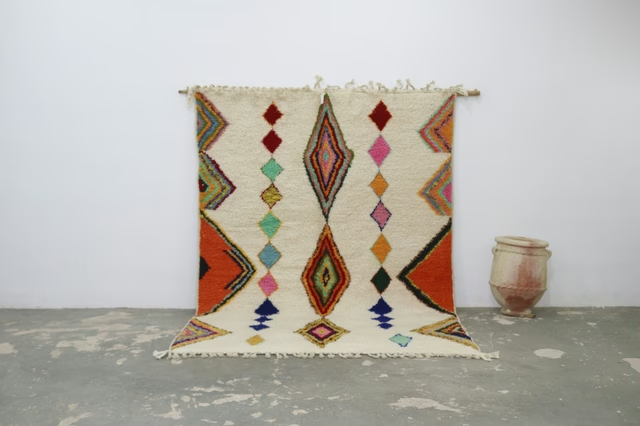
Azilal "Geometric Soul"
300 × 210 cm
€1,547
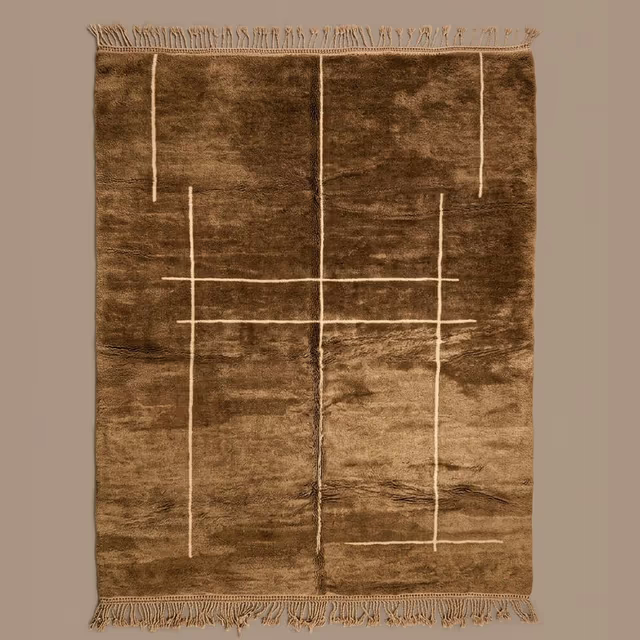
Beni Mrirt "Monumental Grid"
413 × 317 cm
€6,997
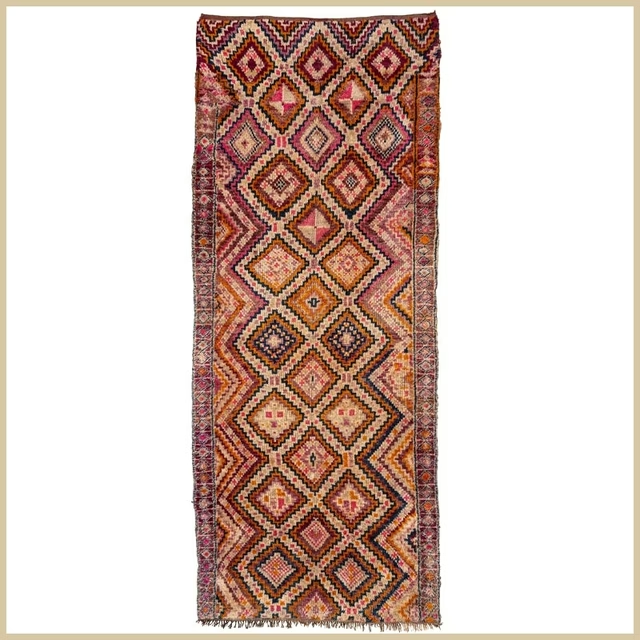
Boujaad "Chromatic Joy"
415 × 170 cm
€5,100
Show all 96
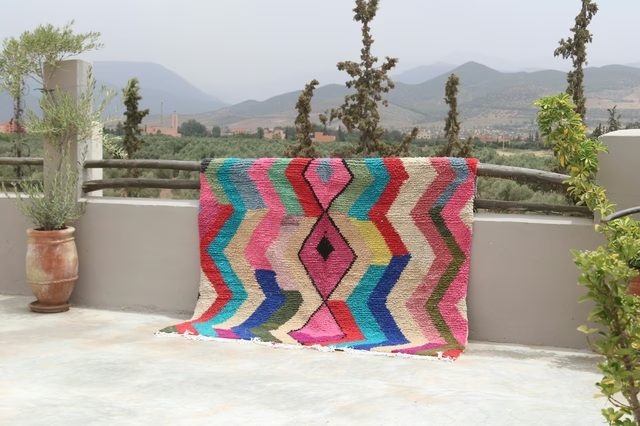
Azilal "Zigzag Carnival"
300 × 214 cm
€1,797
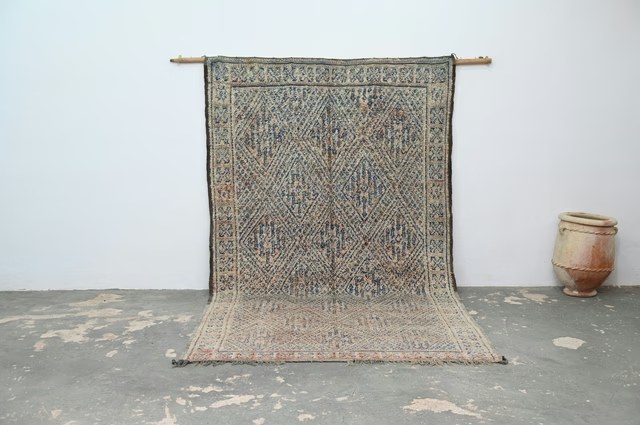
Berber Vintage "Historic Beige"
325 × 190 cm
€3,624
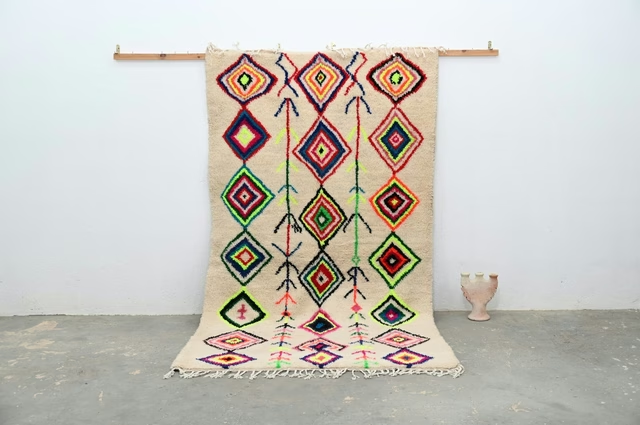
Azilal "Mountain Mist"
267 × 150 cm
€1,287
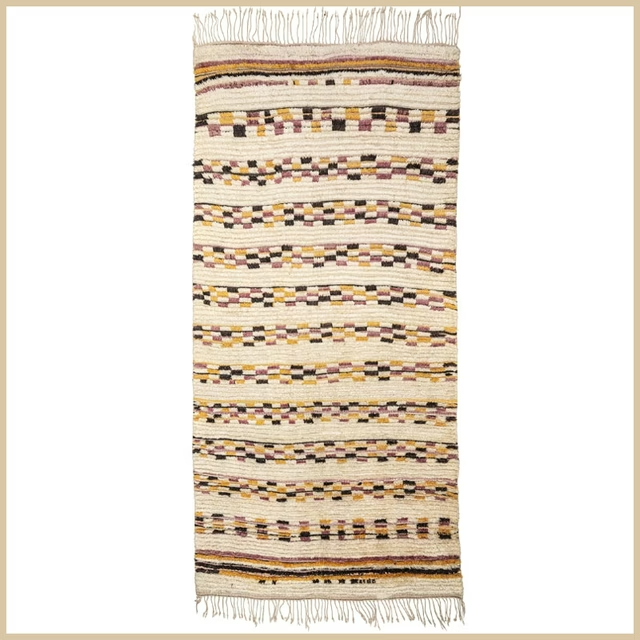
Ouarain "Prestige White"
380 × 179 cm
€4,600
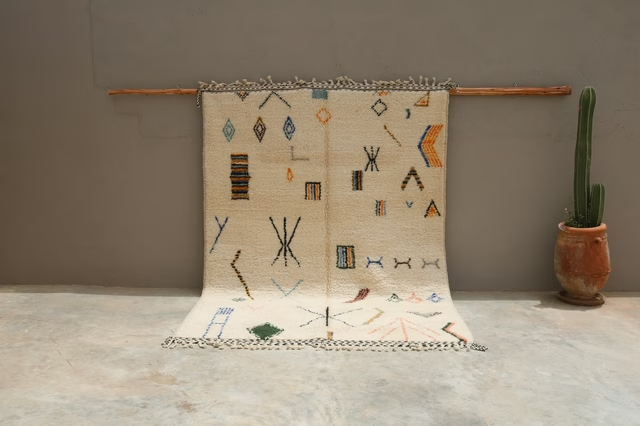
Azilal "Nomad Alphabet"
300 × 205 cm
€1,797
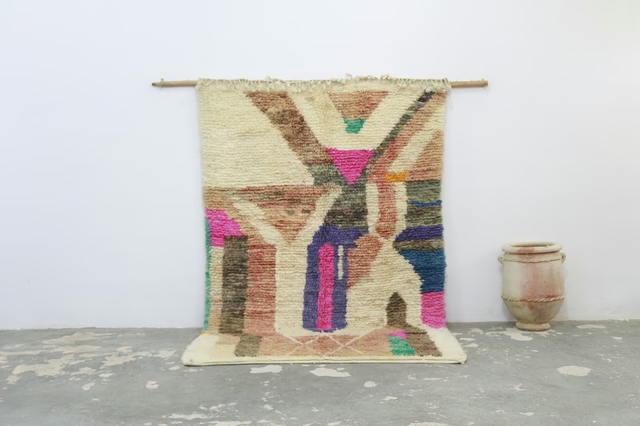
Azilal "Woven Geometry"
275 × 175 cm
€1,547
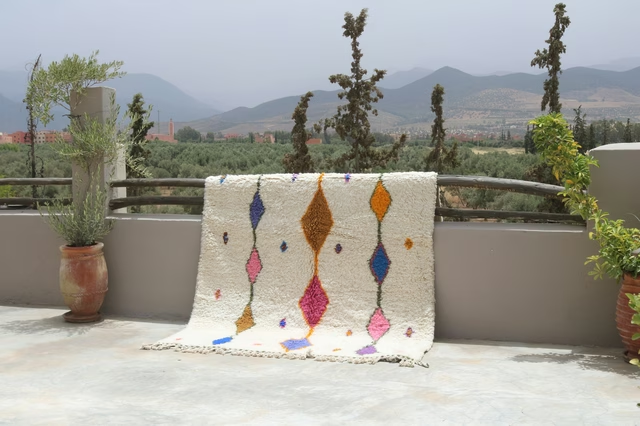
Azilal "Lantern Rows"
305 × 195 cm
€1,797
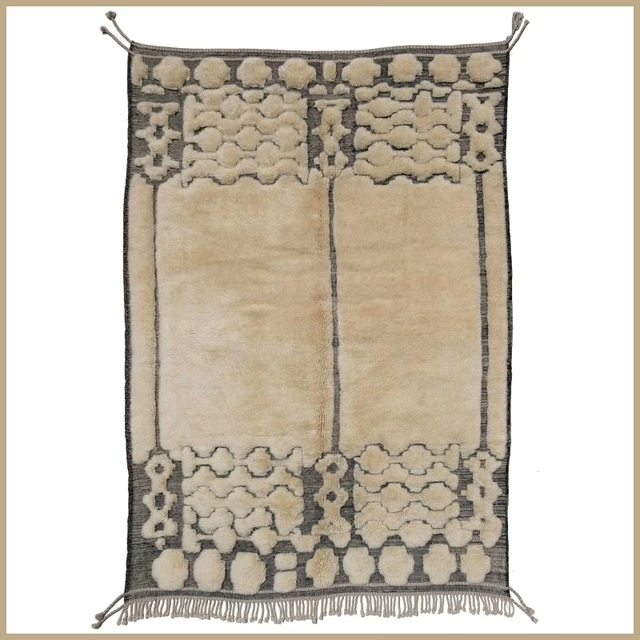
Beni Mrirt "Cream Ornate"
320 × 250 cm
€3,410
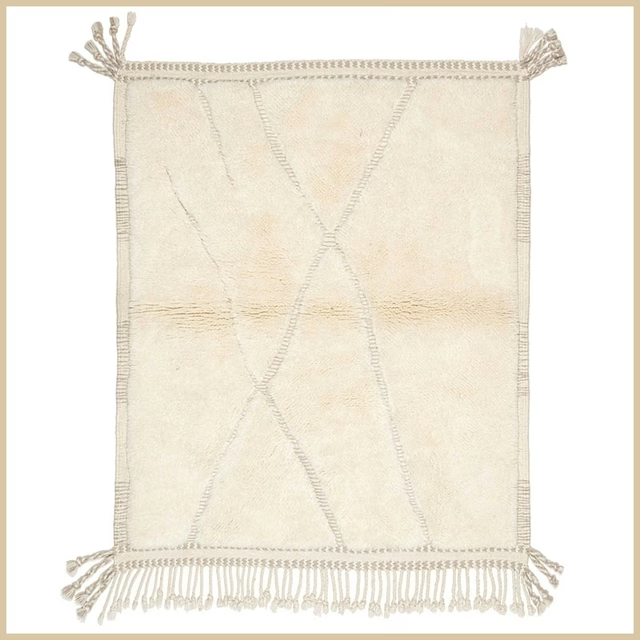
Beni Mrirt "Petite Ivory"
149 × 118 cm
€1,161
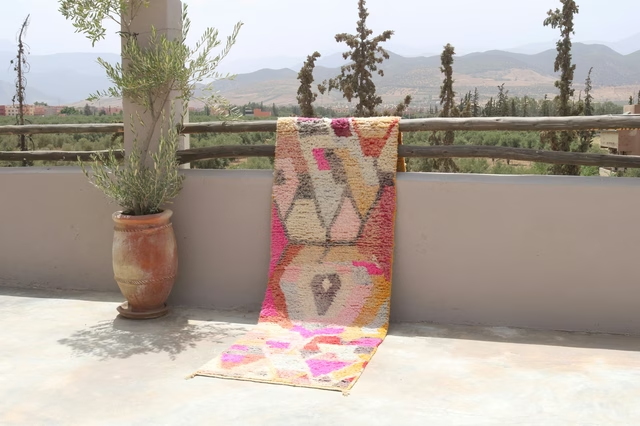
Azilal "Peach Geometry"
300 × 75 cm
€1,547
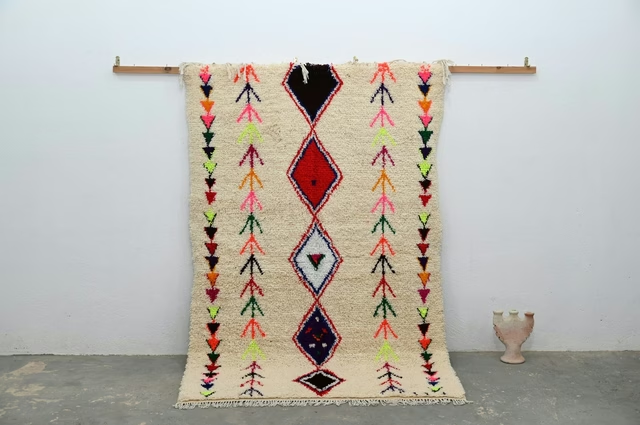
Azilal "Atlas Essence"
231 × 152 cm
€1,235
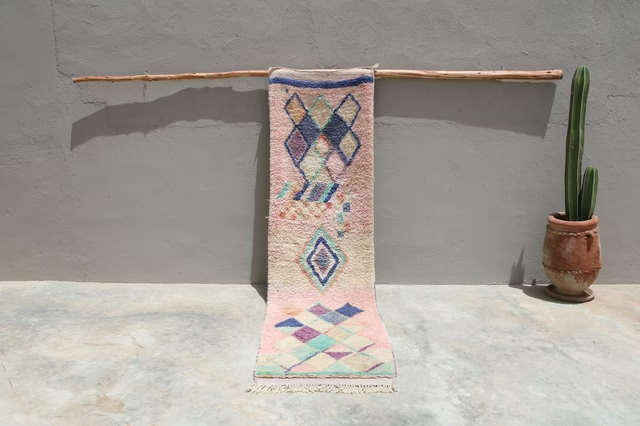
Azilal "Rose Lozenges"
310 × 83 cm
€1,547
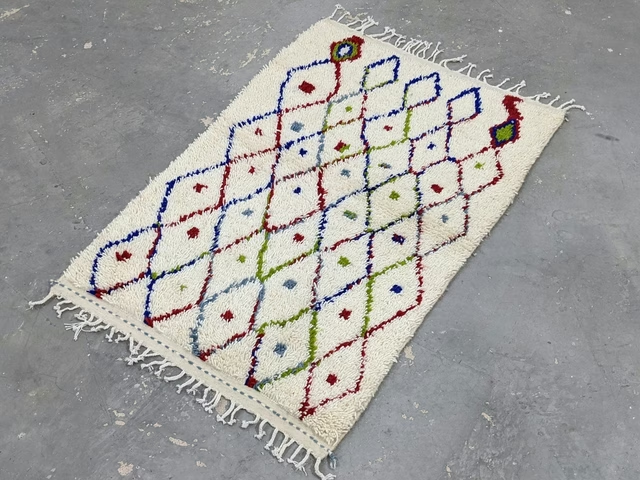
Azilal "Cloud Weave"
150 × 104 cm
€1,577
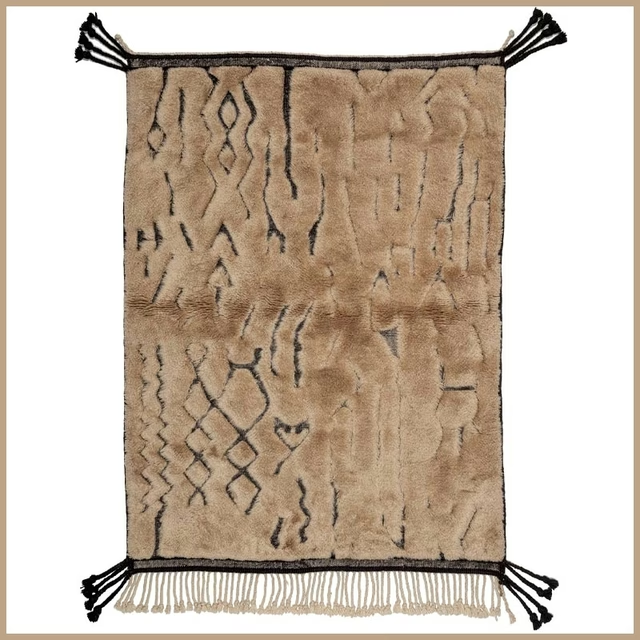
Beni Mrirt "Taupe Symbols"
182 × 134 cm
€1,603
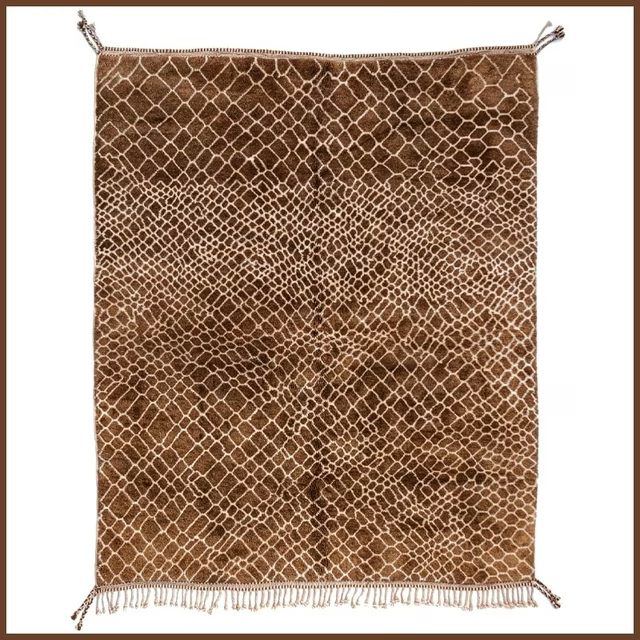
Beni Mrirt "Amber Lattice"
310 × 265 cm
€3,462
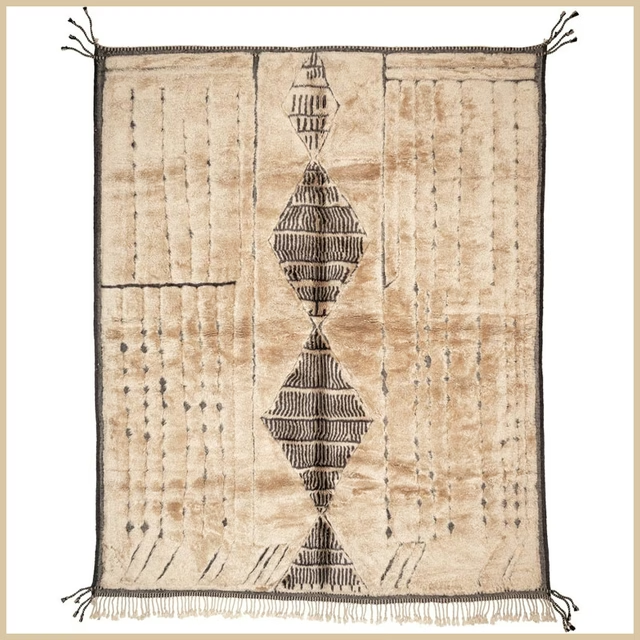
Beni Mrirt "Warm Symbols"
307 × 250 cm
€3,215
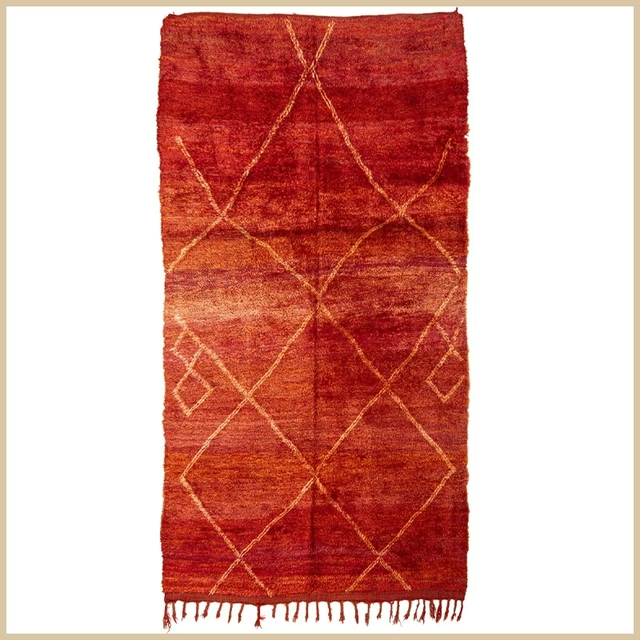
Beni Mguild "Burgundy Lattice"
346 × 180 cm
€4,255
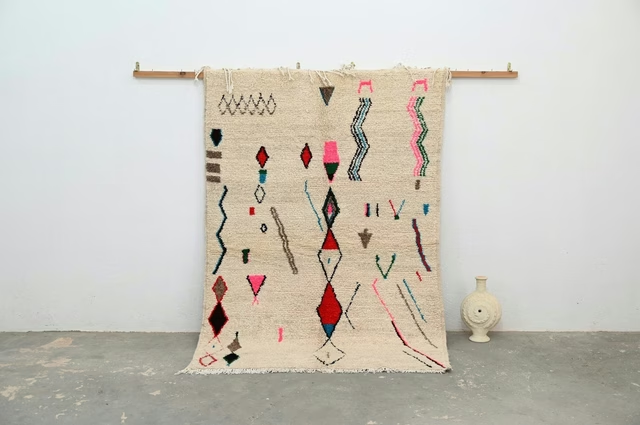
Azilal "Mountain Script"
223 × 157 cm
€1,235
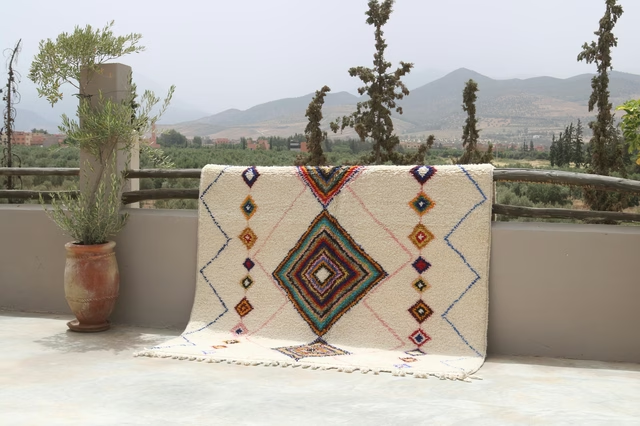
Azilal "Ember Medallion"
300 × 220 cm
€1,797
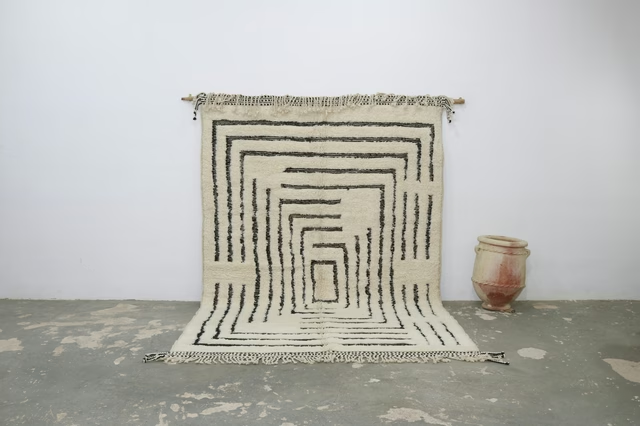
Beni Ouarain "Concentric Void"
306 × 206 cm
€1,797
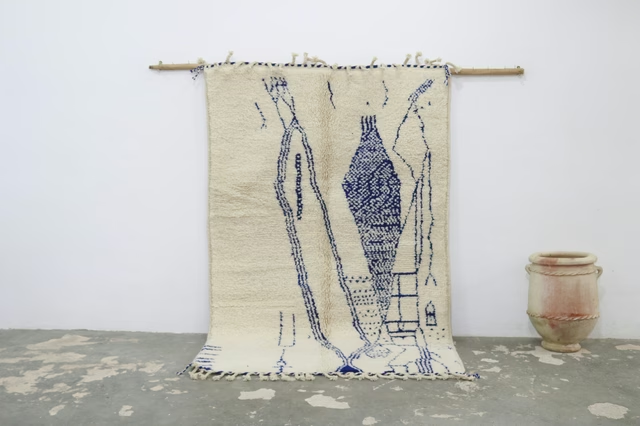
Azilal "Indigo Architecture"
250 × 160 cm
€1,297
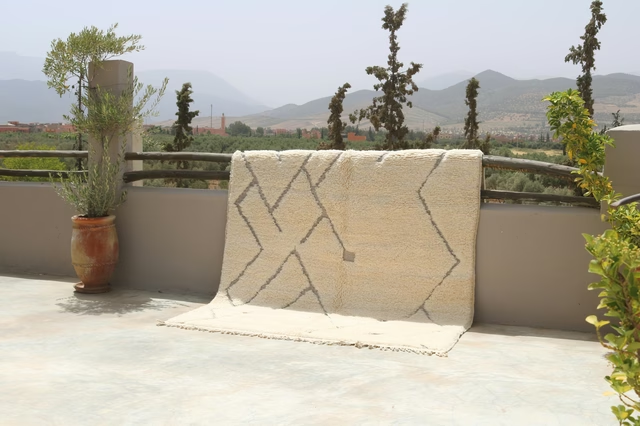
Beni Ouarain "Open Crossings"
310 × 206 cm
€1,797
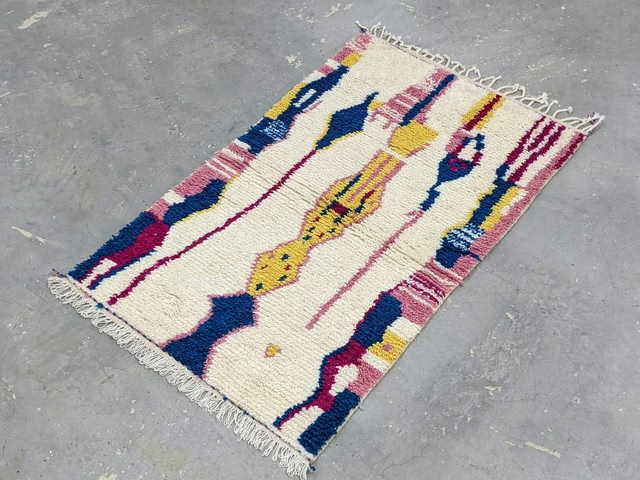
Azilal "Berber Code"
161 × 100 cm
€1,577
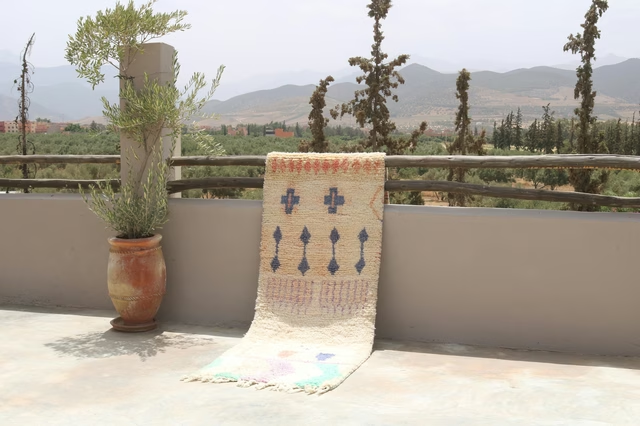
Azilal "Navy Crosses"
300 × 84 cm
€1,547
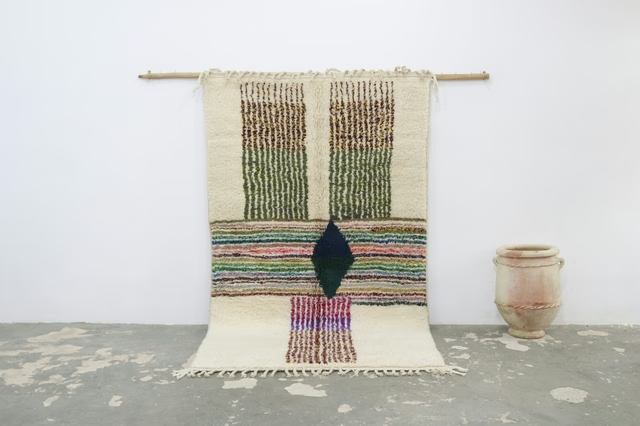
Azilal "Woven Portal"
265 × 155 cm
€1,297
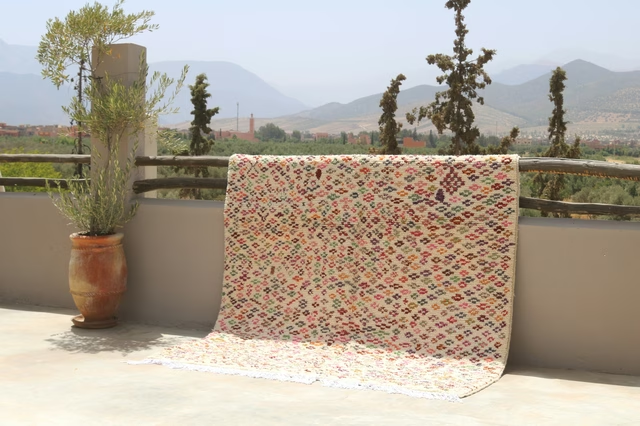
Azilal "Rose Mosaic"
320 × 205 cm
€1,797
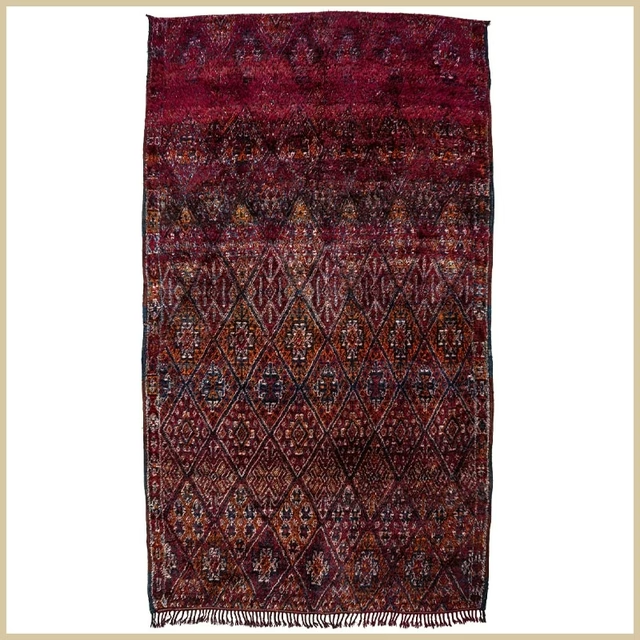
Beni Mguild "Ornate Burgundy"
402 × 220 cm
€5,815
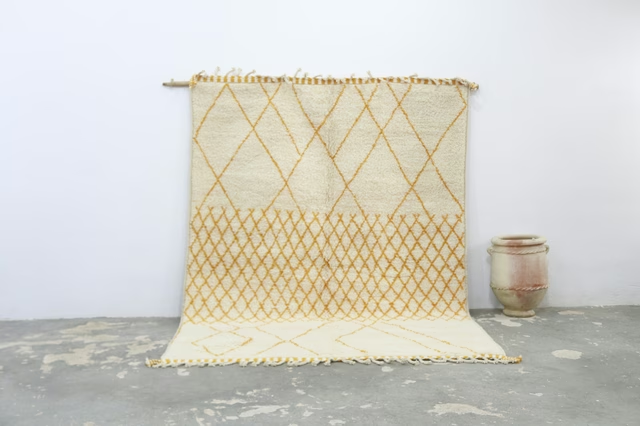
Azilal "Golden Lattice"
300 × 220 cm
€1,797
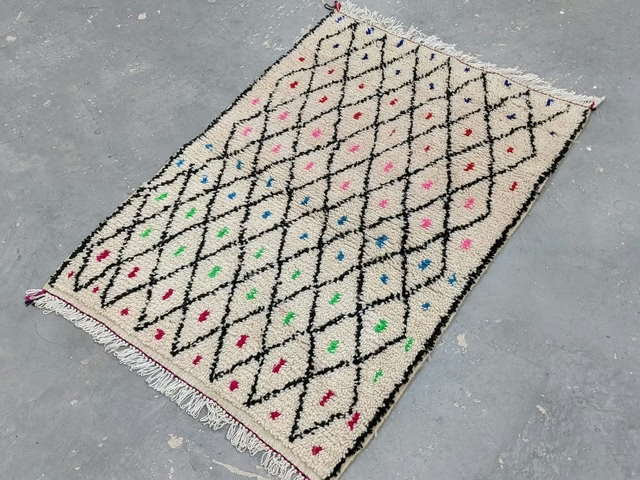
Azilal "Mountain Lattice"
154 × 105 cm
€1,577
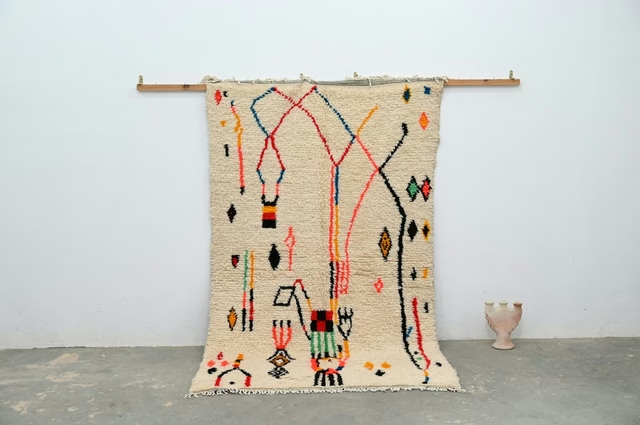
Azilal "Timeless Weave"
250 × 154 cm
€1,235
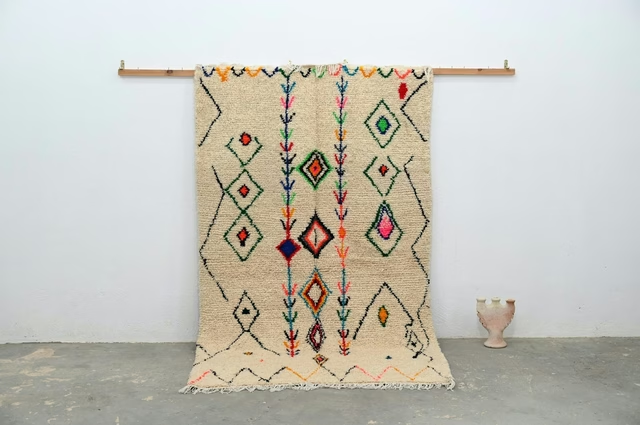
Azilal "Weaver's Mark"
253 × 154 cm
€1,235
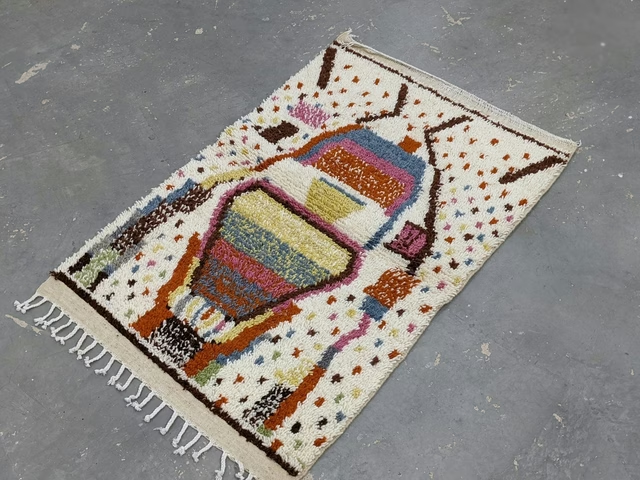
Azilal "Sacred Wool"
154 × 103 cm
€1,577
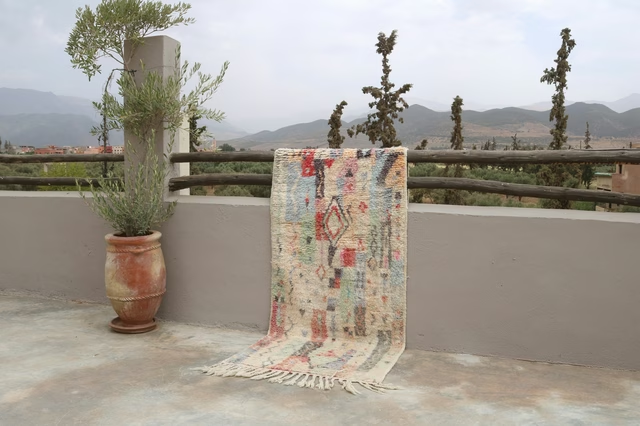
Azilal "Faded Garden"
300 × 92 cm
€1,547
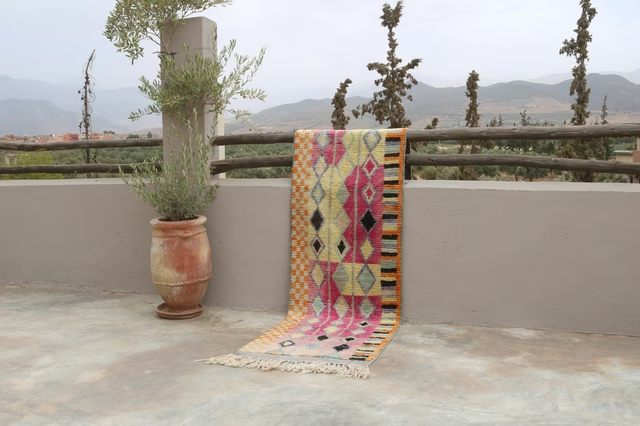
Azilal "Saffron Diamonds"
300 × 76 cm
€1,547
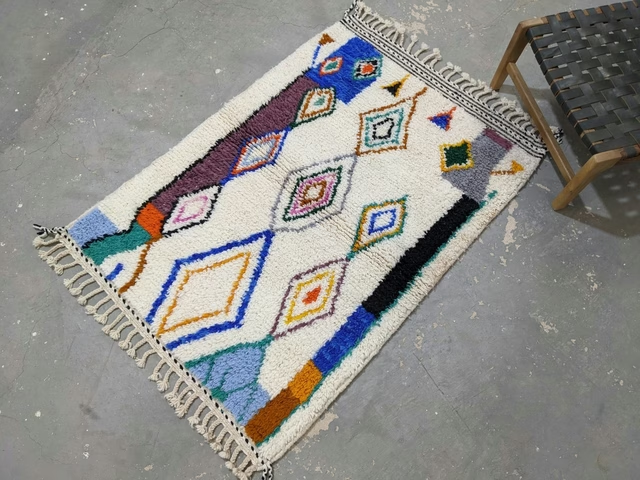
Azilal "Vanilla Sky"
153 × 108 cm
€1,577
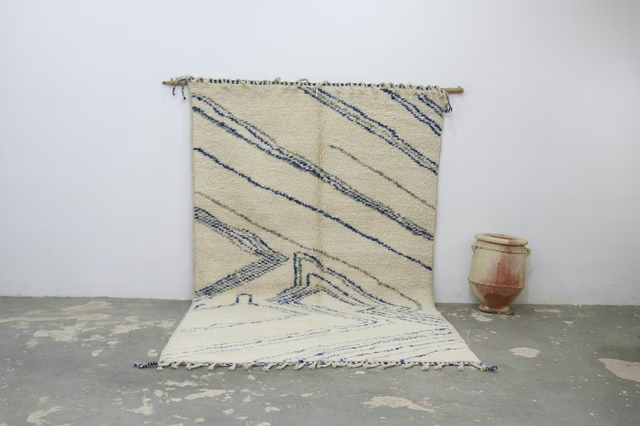
Azilal "Indigo Geometry"
335 × 200 cm
€1,797
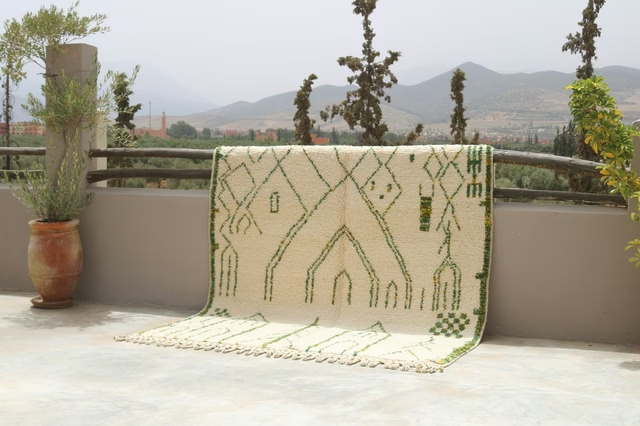
Beni Ouarain "Olive Arches"
310 × 210 cm
€1,797
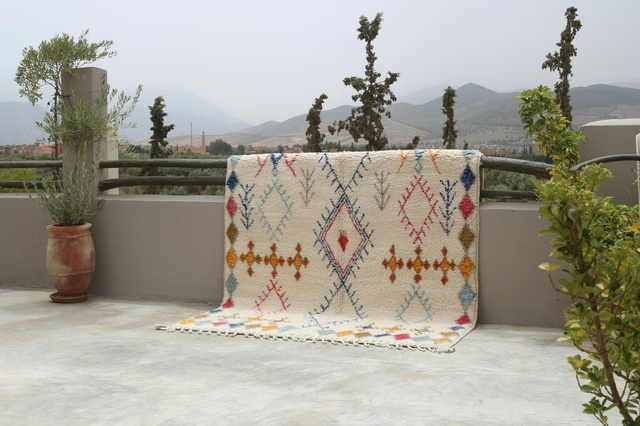
Azilal "Delicate Lattice"
300 × 208 cm
€1,797
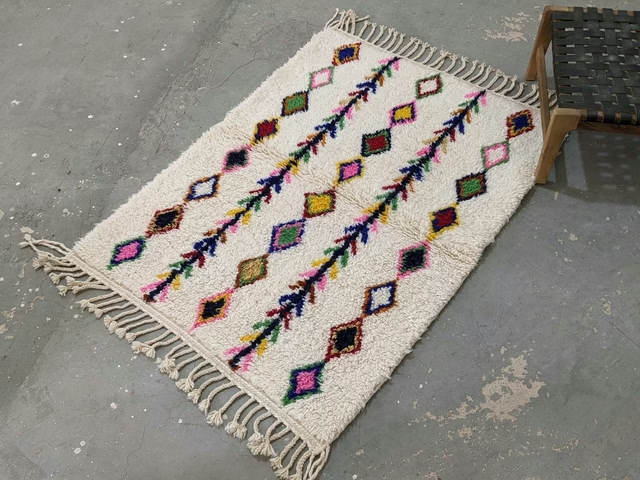
Azilal "Cream Silk"
156 × 112 cm
€1,577
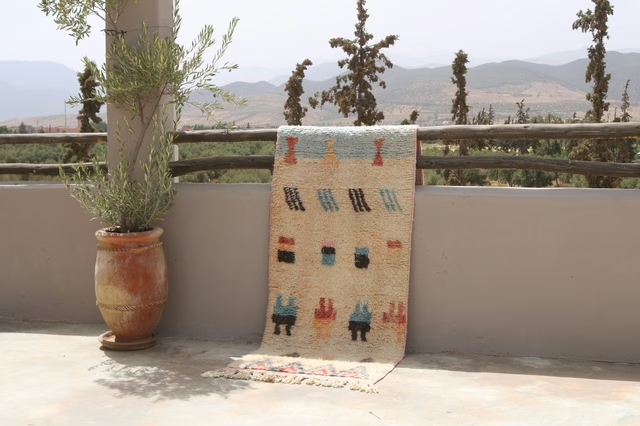
Azilal "Village Figures"
300 × 80 cm
€1,547
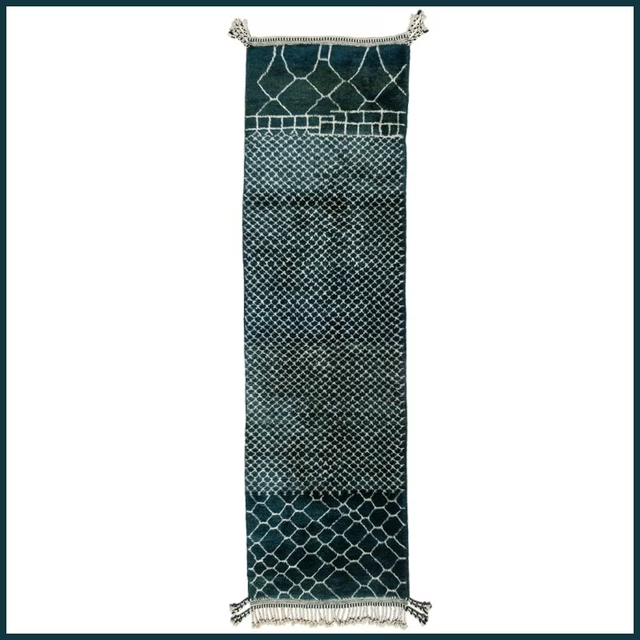
Beni Mrirt "Teal Ornament"
300 × 95 cm
€1,564
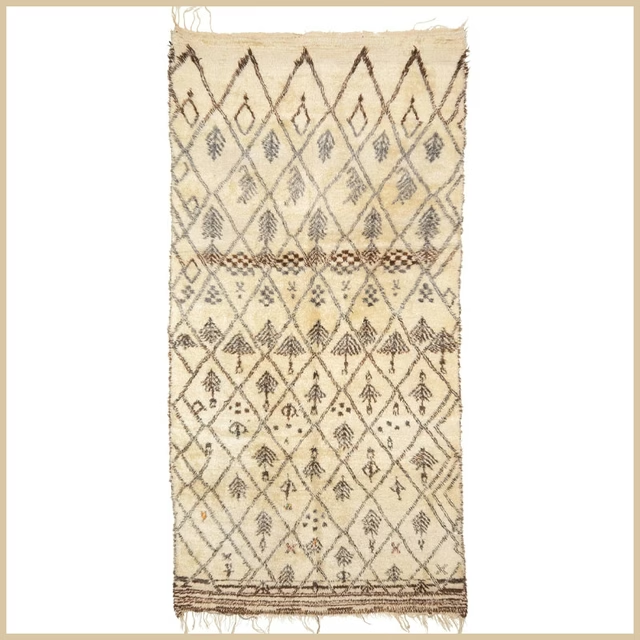
Ouarain "White Ornament"
360 × 178 cm
€4,366
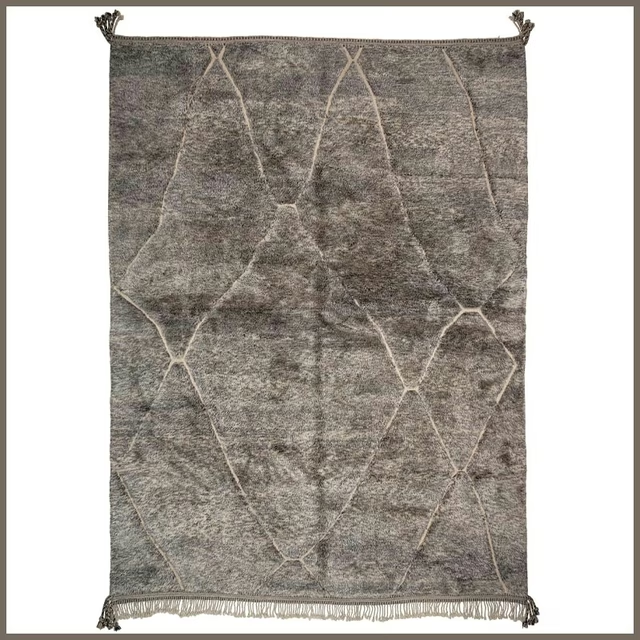
Beni Mrirt "Grey Lattice"
404 × 300 cm
€4,756
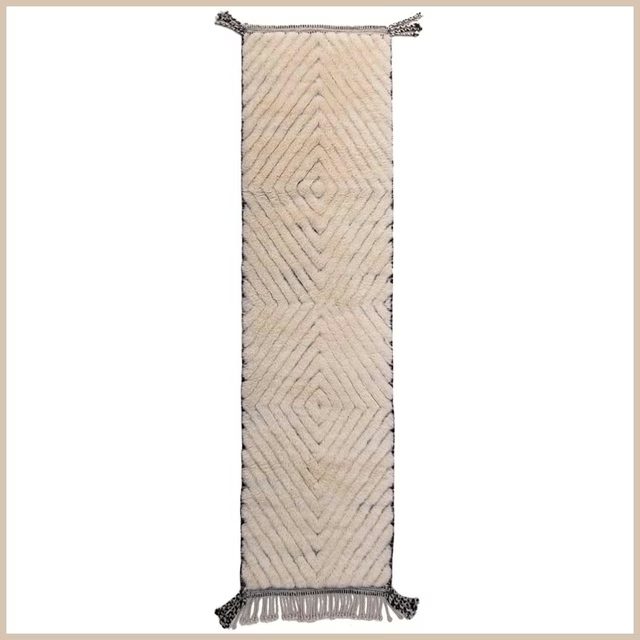
Beni Mrirt "Slender Lattice"
300 × 93 cm
€1,746
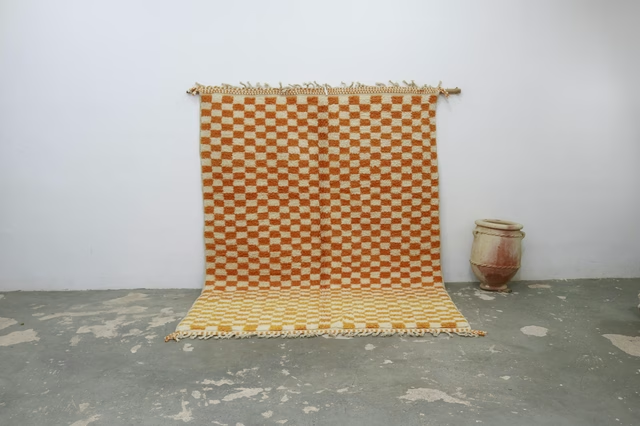
Azilal "Burnt Orange"
300 × 213 cm
€1,547
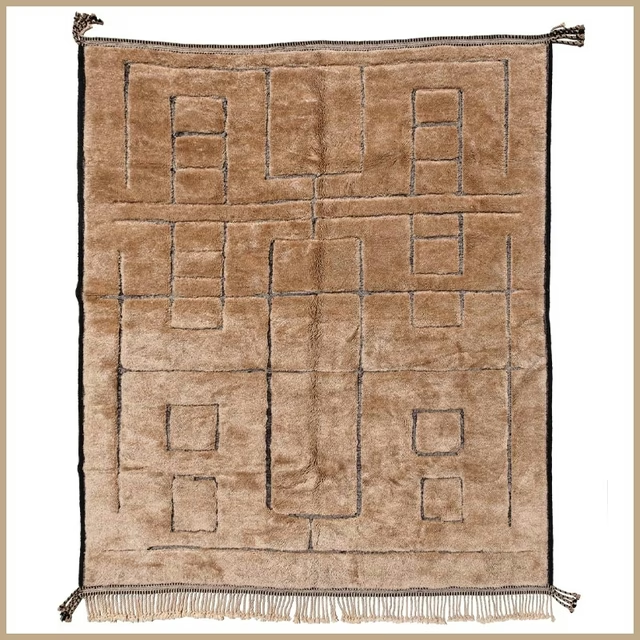
Beni Mrirt "Caramel Grid"
320 × 260 cm
€3,501
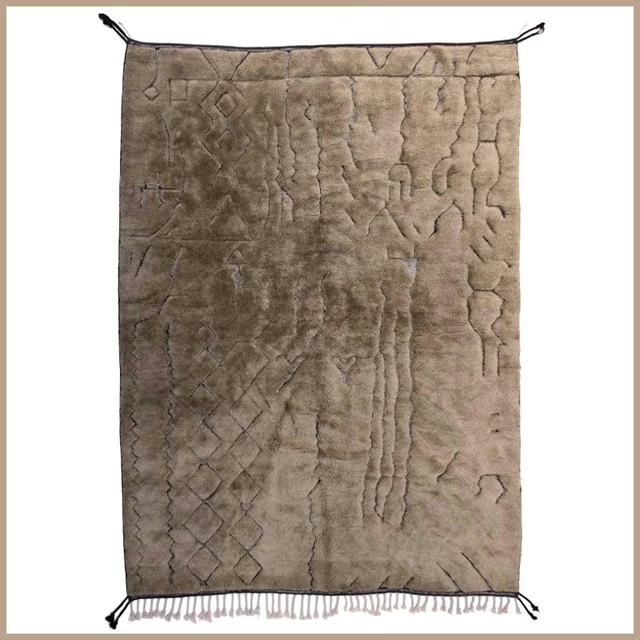
Beni Mrirt "Taupe Ornate"
320 × 250 cm
€3,982
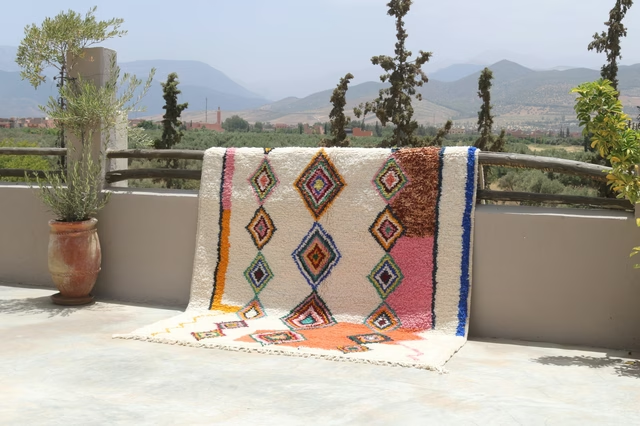
Azilal "Amber Diamonds"
310 × 211 cm
€1,797
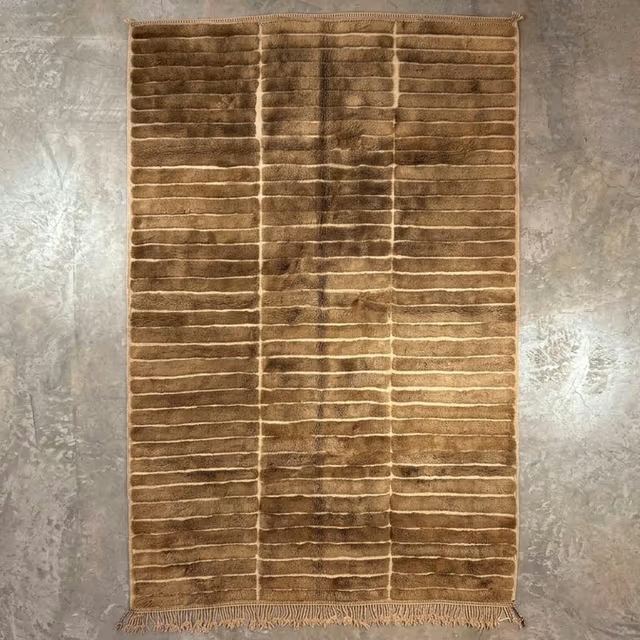
Beni Mrirt "Monumental Weave"
422 × 308 cm
€5,997
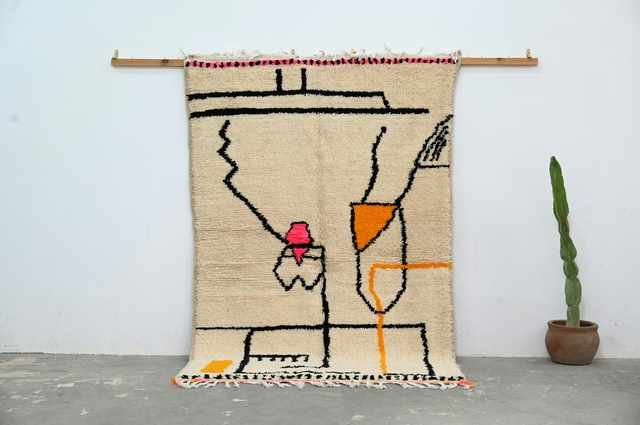
Azilal "Berber Soul"
240 × 152 cm
€1,235
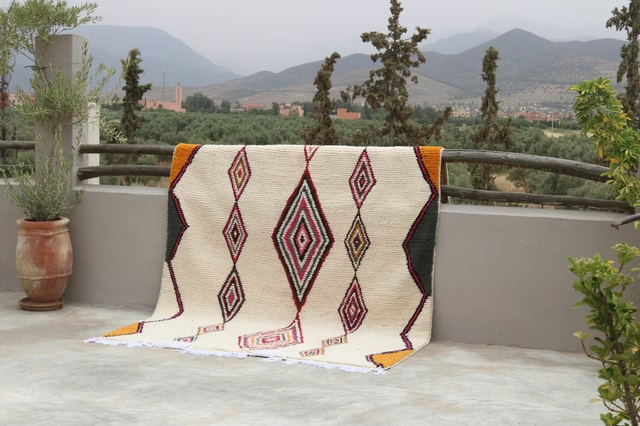
Azilal "Burgundy Outline"
315 × 202 cm
€1,797
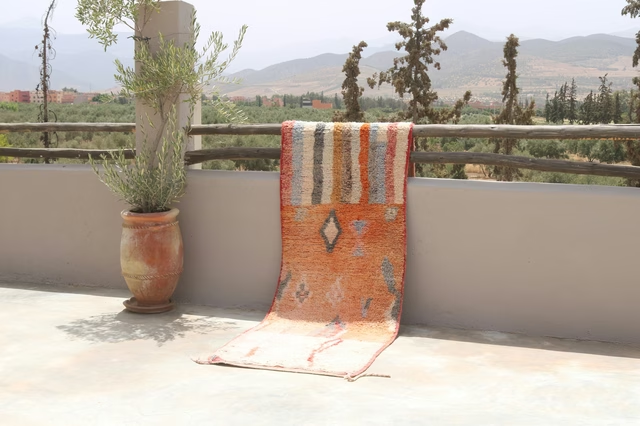
Azilal "Rust Stripes"
300 × 82 cm
€1,547
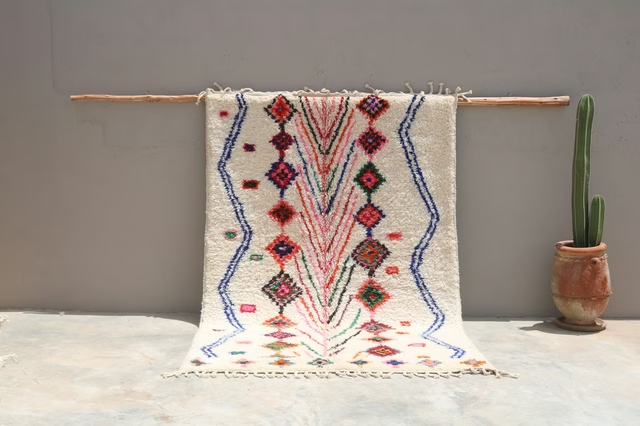
Azilal "Coral Spine"
300 × 190 cm
€1,797
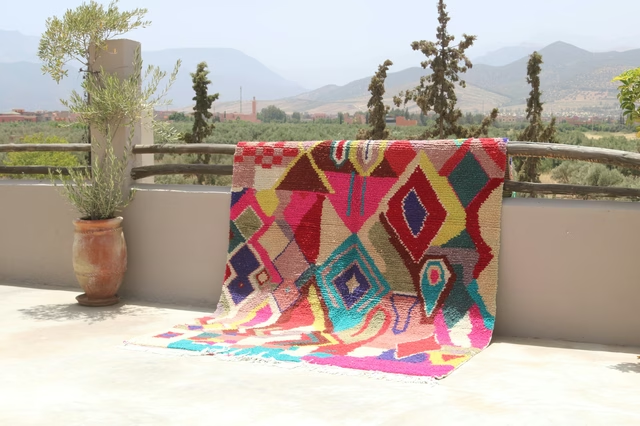
Azilal "Crimson Kaleidoscope"
308 × 200 cm
€1,797
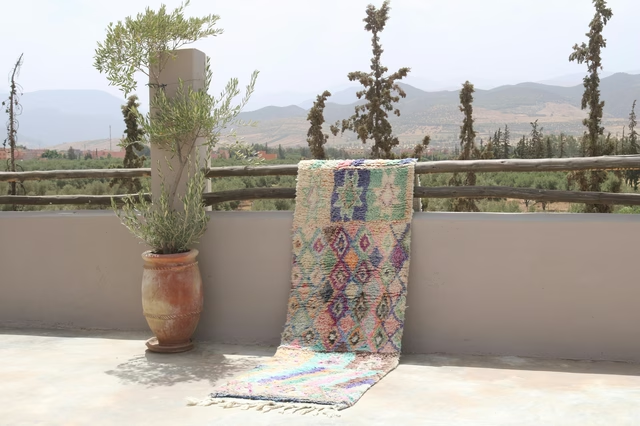
Azilal "Pastel Lattice"
306 × 80 cm
€1,547
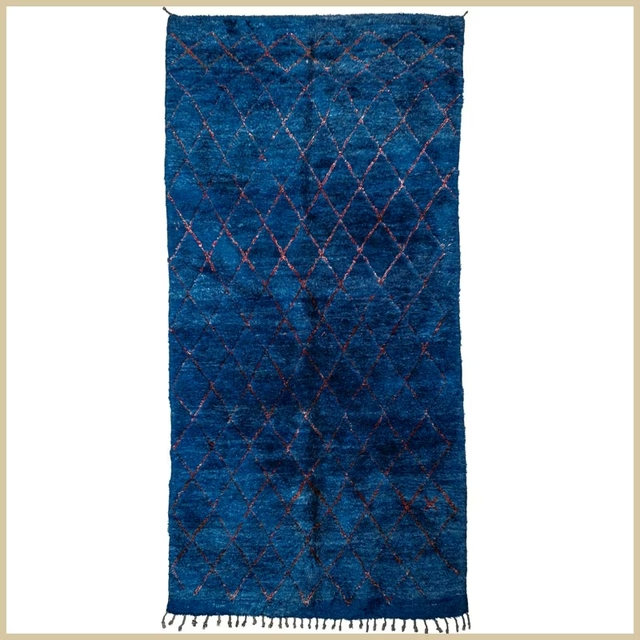
Beni Mguild "Cobalt Grid"
421 × 200 cm
€5,562
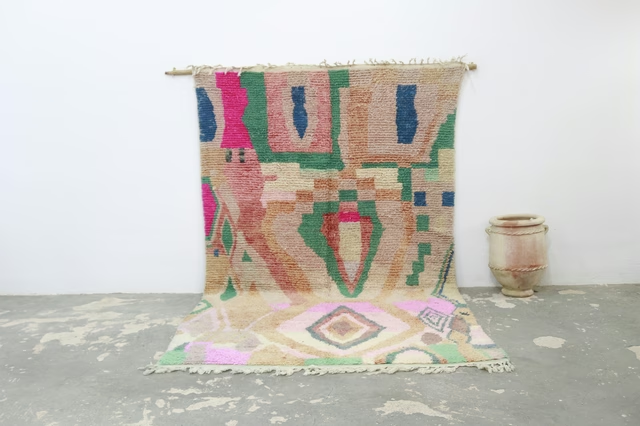
Azilal "Chromatic Compass"
350 × 200 cm
€1,797
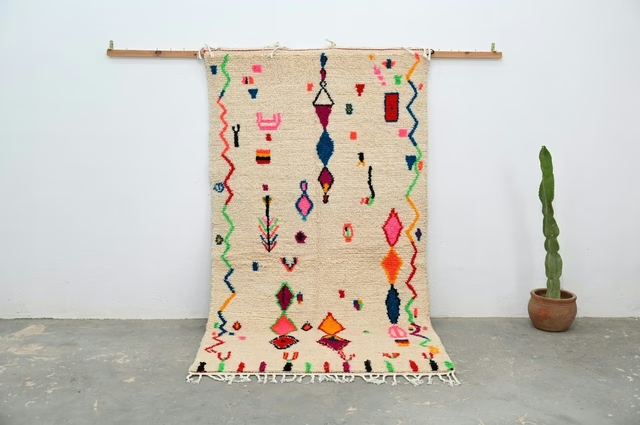
Azilal "Cotton Cloud"
262 × 142 cm
€1,235
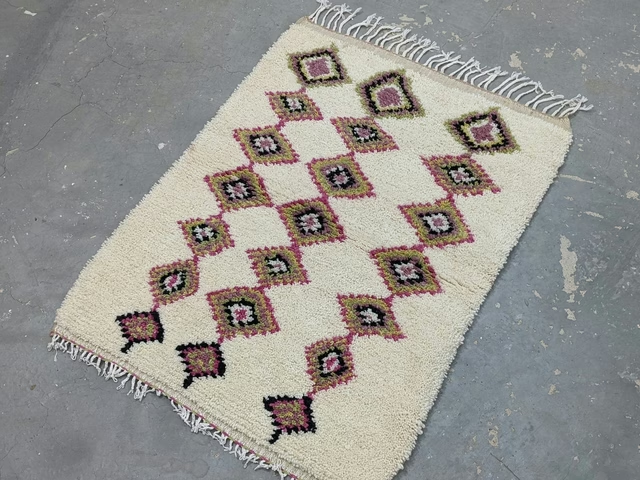
Azilal "Winter Grid"
140 × 106 cm
€1,525
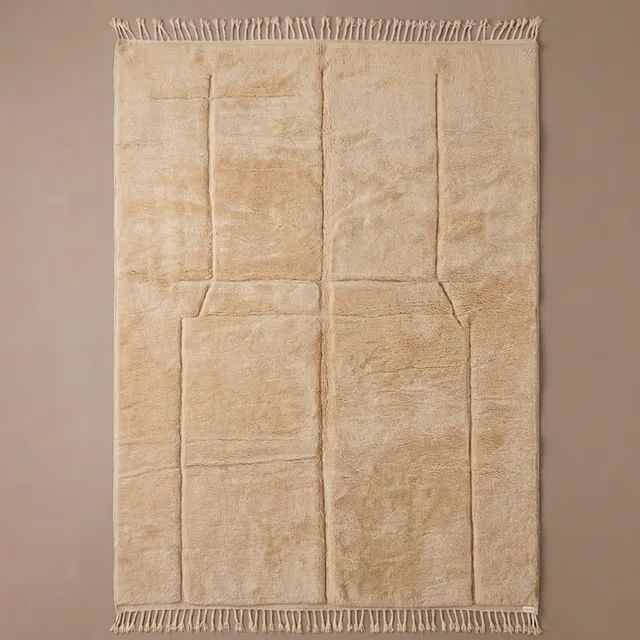
Beni Mrirt "Cream Divisions"
400 × 302 cm
€5,997
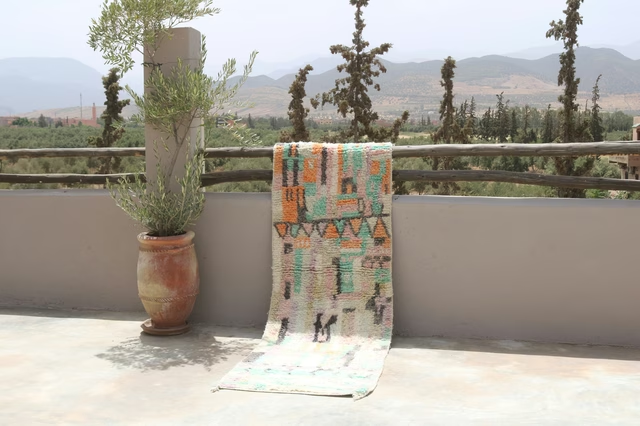
Azilal "Motif Sampler"
300 × 80 cm
€1,547
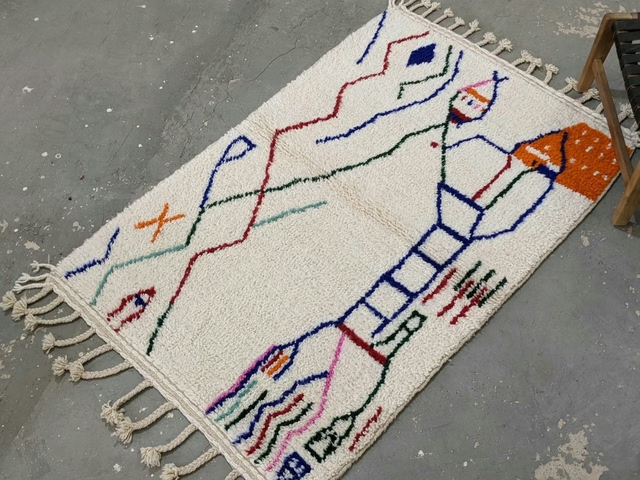
Azilal "Alabaster Dream"
164 × 106 cm
€1,577
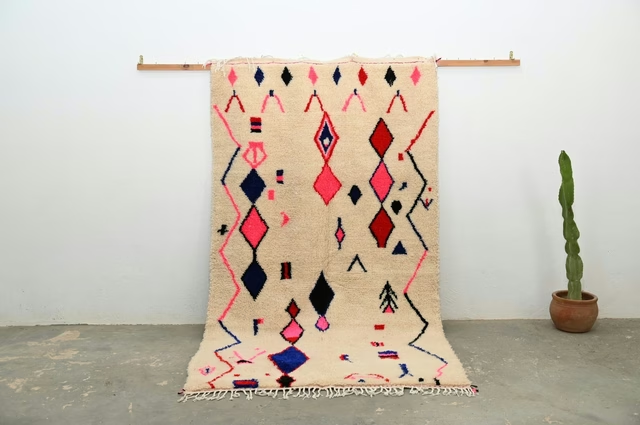
Azilal "Nomadic Signs"
273 × 151 cm
€1,287
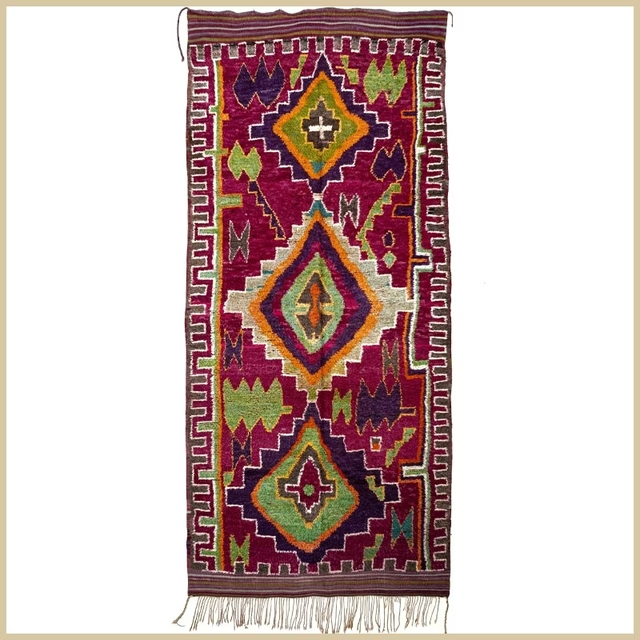
Beni Mguild "Burgundy Warrior"
413 × 190 cm
€5,224
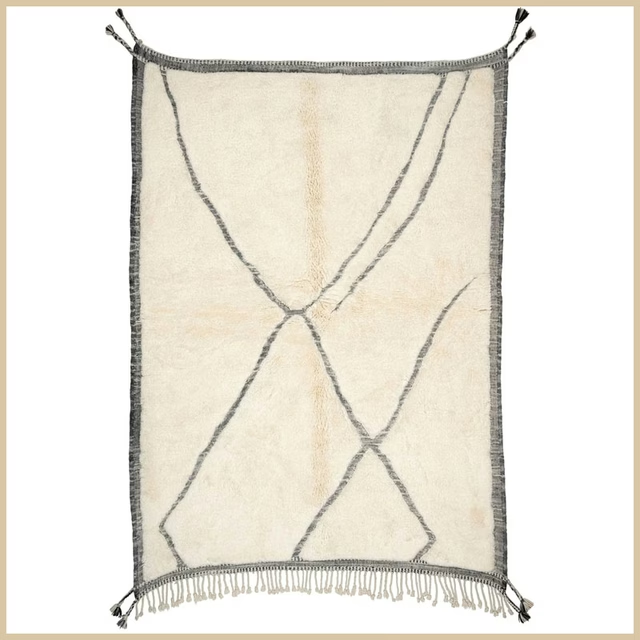
Beni Mrirt "Warm Grid"
254 × 186 cm
€2,195
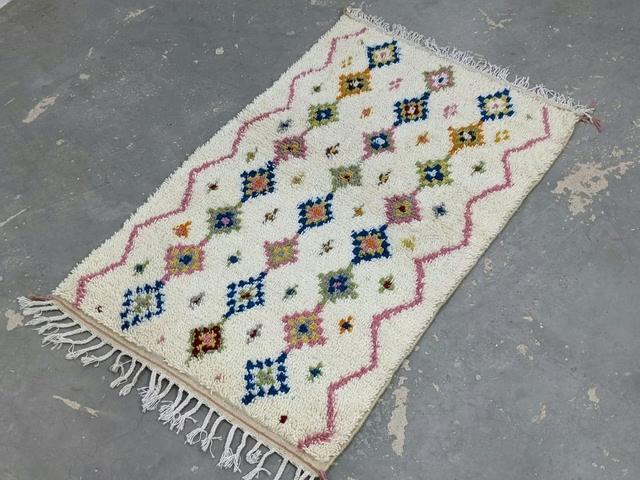
Azilal "Warm Embrace"
152 × 98 cm
€1,525
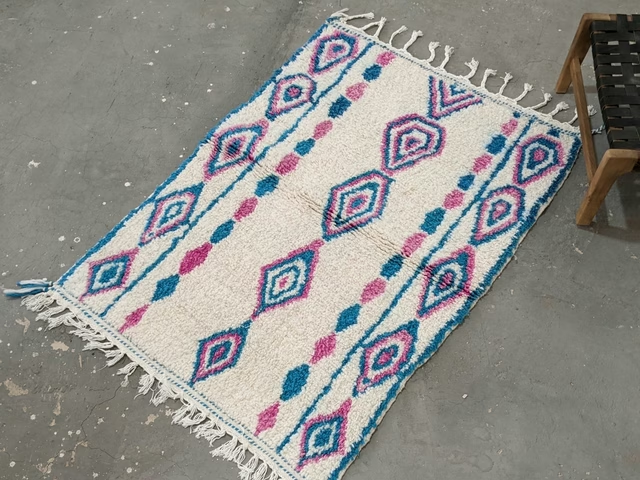
Azilal "Pearl Tales"
146 × 102 cm
€1,525
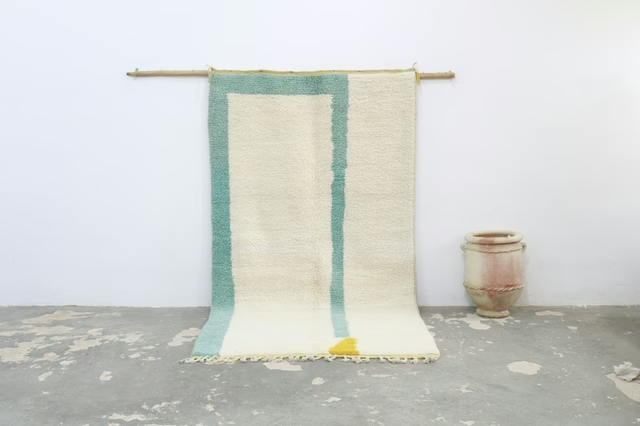
Azilal "Seafoam Frame"
285 × 155 cm
€1,547
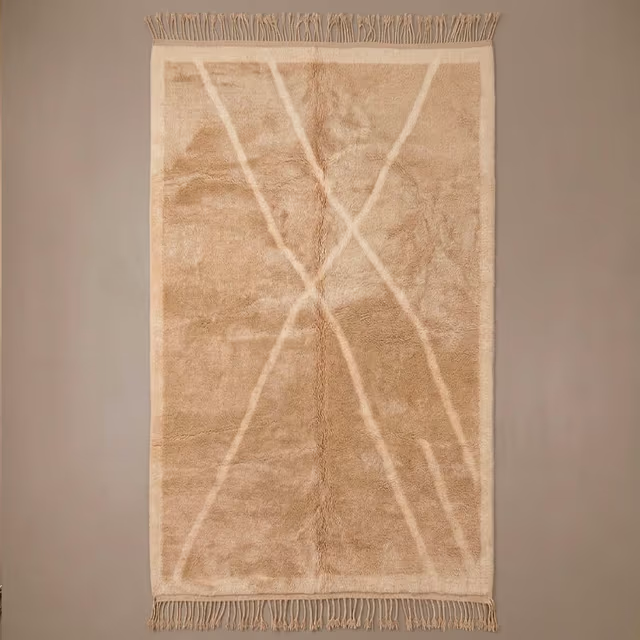
Beni Mrirt "Neutral Geometry"
313 × 258 cm
€4,297
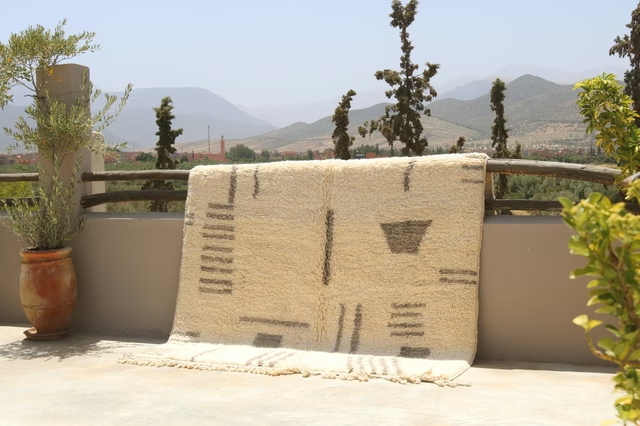
Beni Ouarain "Quiet Signs"
300 × 213 cm
€1,797
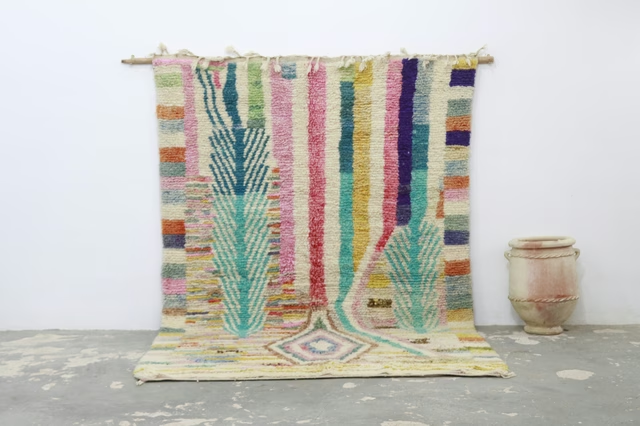
Azilal "Woven Symmetry"
310 × 205 cm
€1,797
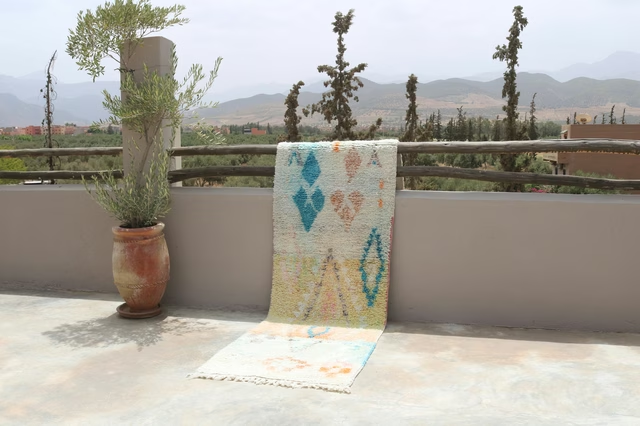
Azilal "Turquoise Kites"
310 × 82 cm
€1,547
What traditional means in a Berber rug
The patterns are made of a small vocabulary: the diamond, the zigzag, the chevron, the cross, the comb, and now and then a figure or a star. Each weaver combines them as she sees fit. Because she works from memory and not from a cartoon, lines tilt, sizes change and an idea is sometimes abandoned halfway up the rug.
You will often read that every sign has a fixed meaning. We do not make that claim. Meanings are handed down differently from one village to the next and from one weaver to another. What can be said for certain is that the pattern came from one person's hands, which is why there is no second rug like it.
Colourful or ivory: two faces of the tradition
One kind of traditional rug is full of colour. Pink, orange, blue and green share a single piece, with diamonds and symbols scattered over the field. It brings energy to a room and hides marks well, which makes it a practical choice for family life.
The other kind has an ivory ground with the pattern drawn in dark lines. It is much quieter and sits easily in pared-back or Scandinavian rooms. The pattern is just as traditional, but the colour is restrained. It is the gentler way into this kind of rug for a first-time buyer.
Placing a traditional rug in a modern home
The busier the rug, the calmer its surroundings should be. A plain sofa, white or off-white walls and wooden furniture let the rug be the picture and everything else the frame. Take two colours from the rug for cushions and repeat them, and the room looks composed.
Mixing it with patterned curtains or wallpaper is harder. If you want to, vary the scale: large diamonds on the floor call for a fine print on the cushions, and a finely patterned rug can take something bolder above it. Two patterns of the same size compete.
Old designs, new rugs
A traditional pattern does not make a rug old. The rugs on this page are recently made pieces in long-established designs, with one vintage piece among them. We do not sell any of them as antiques and do not attach dates to them.
What tradition gives is a way of working: wool, a loom, knots tied one at a time, and a pattern carried in the head. That is also why sizes are never round numbers. A rug comes off the loom at the size it reached, and it is measured afterwards.
The traditional rugs in this selection
One hundred and forty-one rugs. Ninety are Azilal, twenty-nine are Beni Mrirt and fifteen are Beni Ourain, with a few Beni Mguild and Boujaad. Fifty-seven are multicoloured and forty have an ivory or cream ground. In more than half of them the diamond is the main motif.
Sixty-two measure around 6 ft 7 in by 9 ft 10 in. Fifty are small or mid-sized, fifteen are runners and fourteen are larger, up to about 10 ft 6 in by 13 ft 10 in. Each rug is one of a kind, with its exact measurements on its own page. Delivery is free worldwide, duties and taxes included.
What you can verify about us
- Origin
- Made in MoroccoHand-knotted Berber rugs from the Atlas regions. Every rug is one of a kind.
- Construction
- Hand-knotted woolVerified at every stage — never machine-tufted.
- Delivery
- Duties includedFree shipping; import duties and taxes are included in the price.
- Returns
- 14 daysIn condition received, full refund of the purchase price.
Frequently Asked
Questions
- What is a traditional Moroccan rug?
- A wool rug knotted by hand in the Berber tradition, with diamonds, zigzags and signs set down without a drawn plan.
- Do the symbols have meanings?
- The meanings handed down vary by village and by weaver. We do not claim a fixed meaning for each sign.
- Does a traditional rug suit a modern interior?
- Yes. With a plain sofa, light walls and wood, a patterned rug becomes the focus. Rugs with an ivory ground suit minimal rooms too.
- Are these rugs antique?
- No. They are recently made in long-established designs. We do not sell them as antiques.
Sources & References
What this page rests on
- 1. Atlas Traditional Craft Council
- 2. Berber Weaving Heritage Project

The person behind the piece
“Before you buy, I’ll send you a video of the actual rug in natural light — not a stock photo. I answer the messages myself.”
I’m Youssef. I started ARINID because this market is full of middlemen and machine-made imitations sold as the real thing — and I grew up close enough to the looms to know the difference.
Every piece we list is one of a kind, hand-knotted in Morocco. If you want to talk through sizing for your room, I’m on the other end of the message. A rug at this level is a thirty-year decision. You should be able to look the person selling it to you in the eye.
Youssef
Founder, ARINID
The next step
See every rug we currently offer
Each piece is hand-knotted in Morocco and delivered to your door, with shipping, duties and taxes included.