Berber Carpet and Berber Rugs: One Name, Two Different Things
Last updated
Ask for Berber carpet in a North American flooring shop and you will be shown a roll of looped, flecked wall-to-wall carpet. Ask for it in Marrakech, Paris or Berlin and you will be shown a wool rug knotted by hand in the Atlas Mountains. One name, two products that share almost nothing. This page sets them side by side: what loop Berber is, what it does well and badly, what the original Berber rug is, and how to tell which of the two your floor is asking for. The rugs shown here are the second kind, knotted by hand in Morocco.
From the Atelier
Berber Carpet and Berber Rugs currently in our collection 270
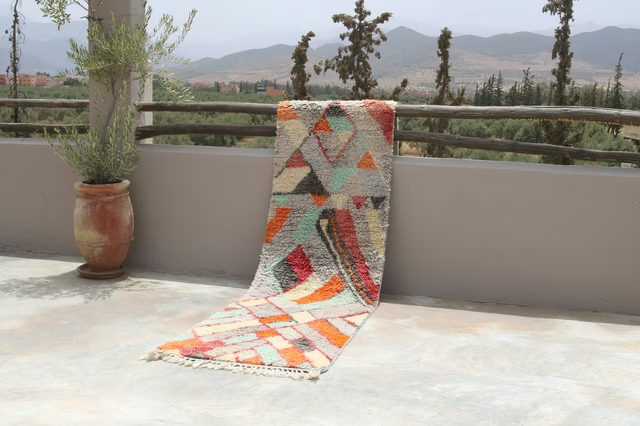
Azilal "Sunset Chevrons"
390 × 81 cm
€1,547
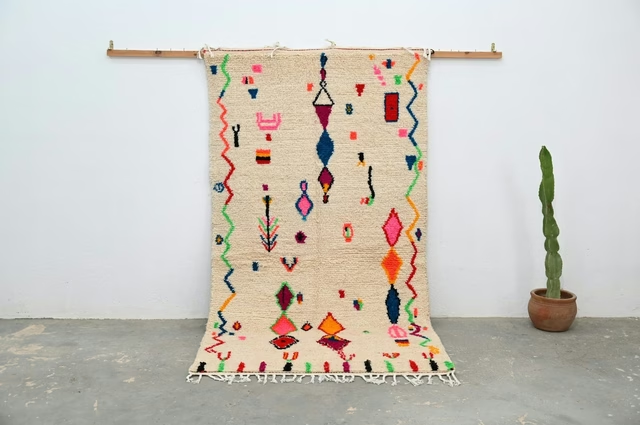
Azilal "Cotton Cloud"
262 × 142 cm
€1,235
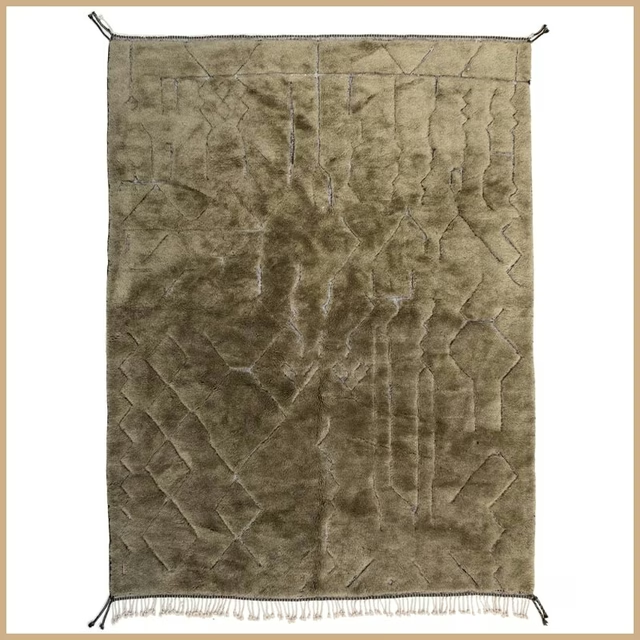
Beni Mrirt "Olive Mountain"
430 × 310 cm
€6,270
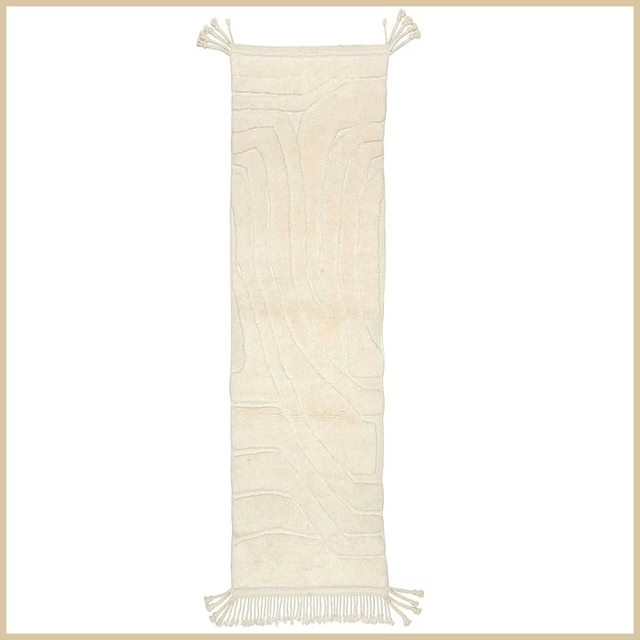
Beni Mrirt "Minimal Runner"
325 × 93 cm
€1,603
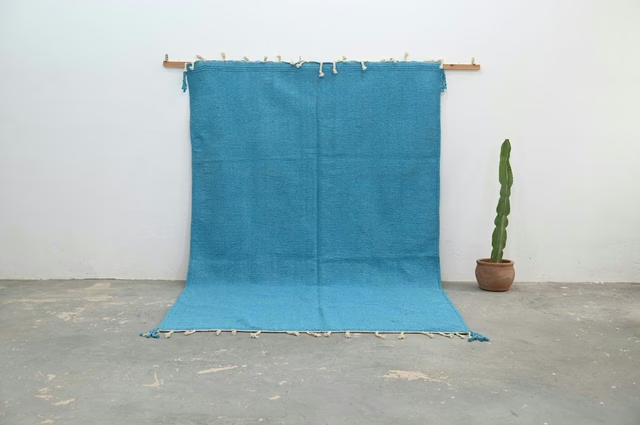
Azilal "Azure Sky"
306 × 200 cm
€1,547
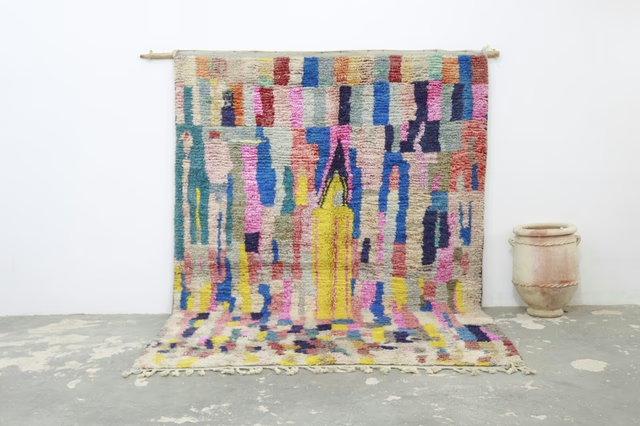
Azilal "Chromatic Towers"
300 × 220 cm
€1,797
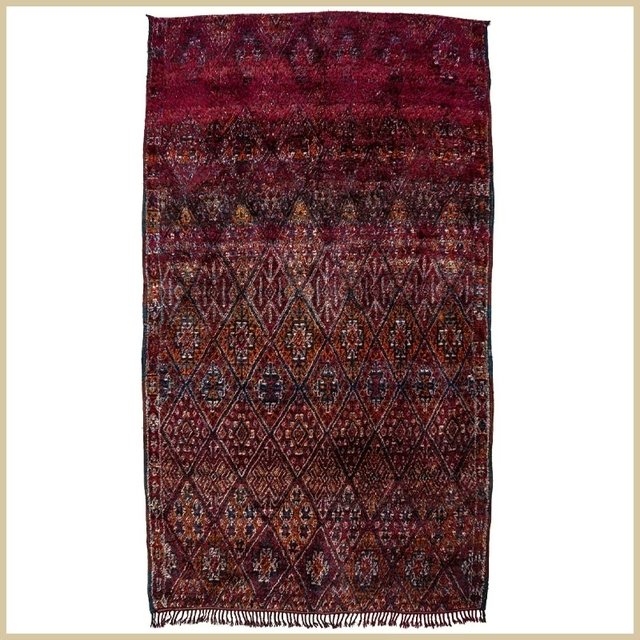
Beni Mguild "Ornate Burgundy"
402 × 220 cm
€5,815
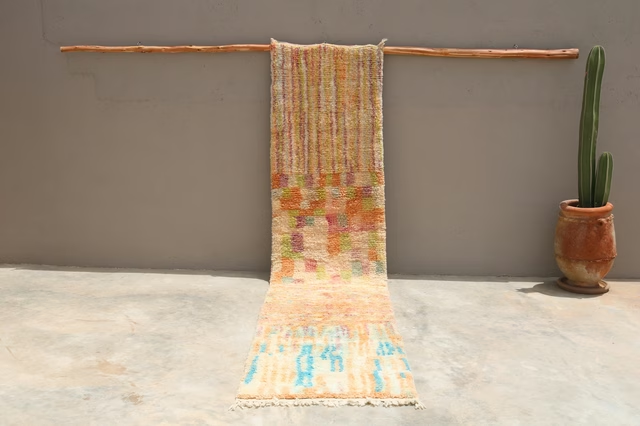
Azilal "Ochre Journey"
380 × 85 cm
€1,547
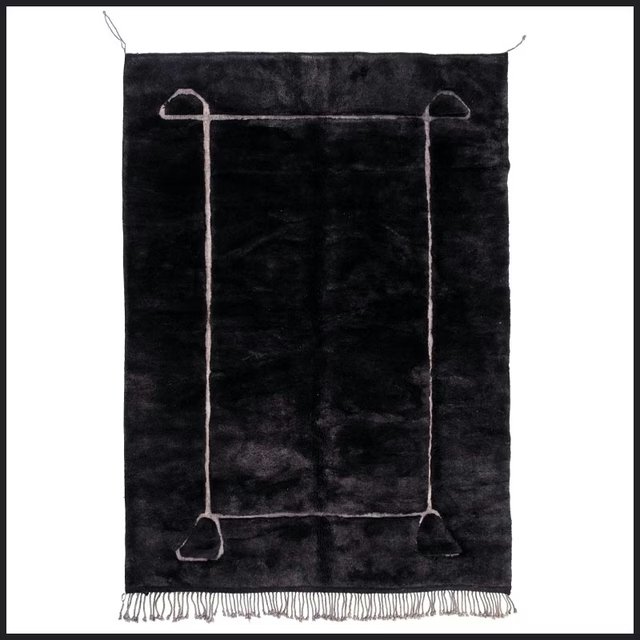
Beni Mrirt "Minimalist Stone"
350 × 250 cm
€3,670
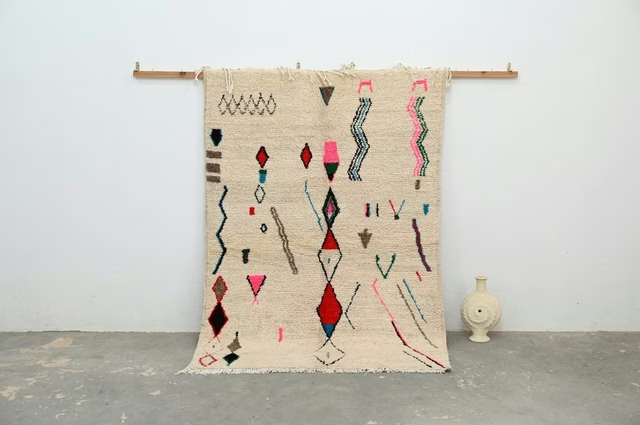
Azilal "Mountain Script"
223 × 157 cm
€1,235
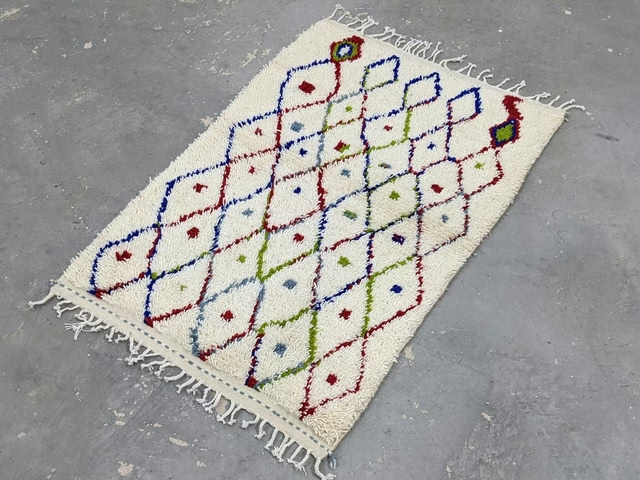
Azilal "Cloud Weave"
150 × 104 cm
€1,577
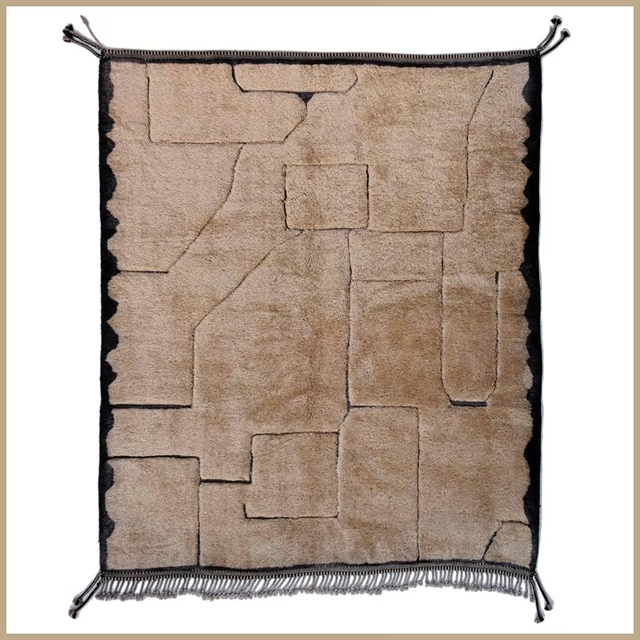
Beni Mrirt "Taupe Graphic"
300 × 250 cm
€3,215
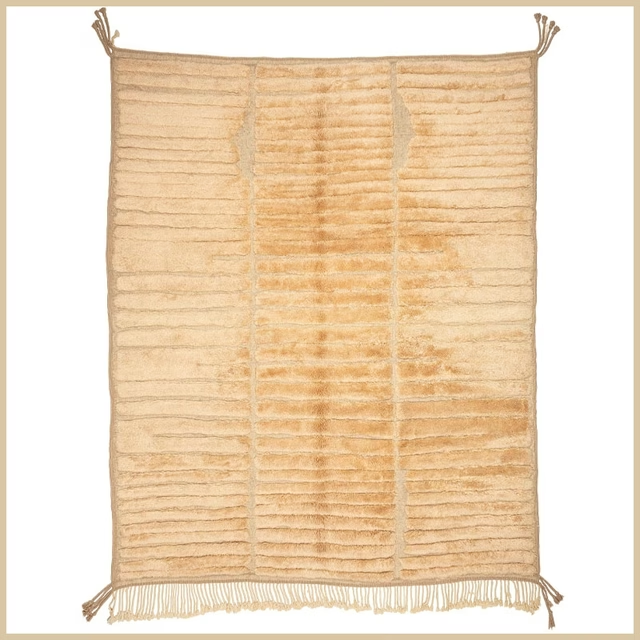
Beni Mrirt "Soft Linear"
309 × 250 cm
€3,872
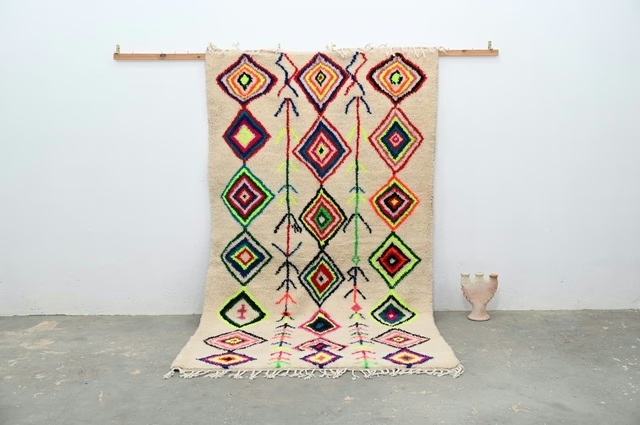
Azilal "Mountain Mist"
267 × 150 cm
€1,287
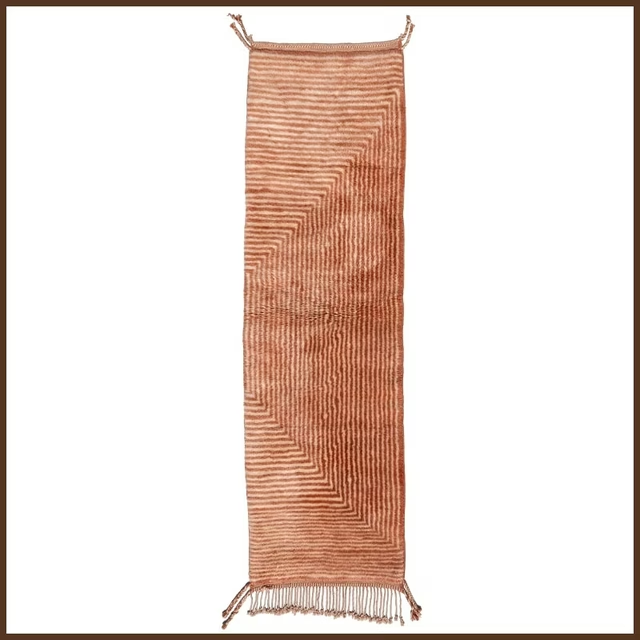
Beni Mrirt "Rust Runner"
320 × 95 cm
€1,629
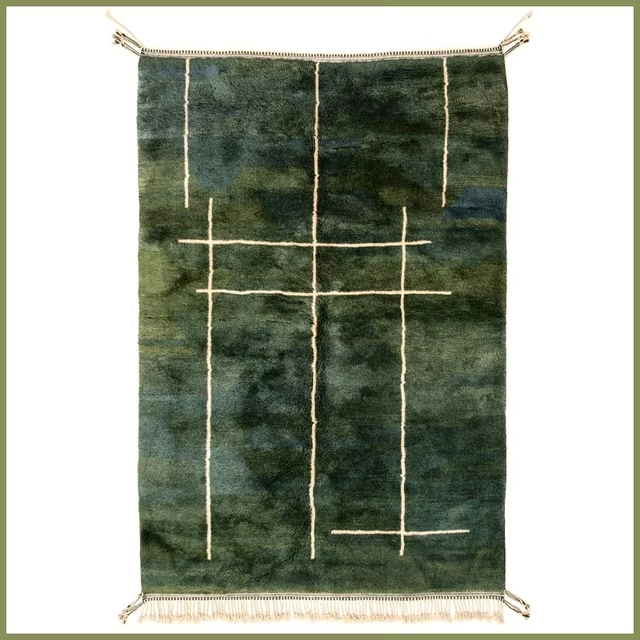
Beni Mrirt "Forest Minimal"
300 × 200 cm
€3,124
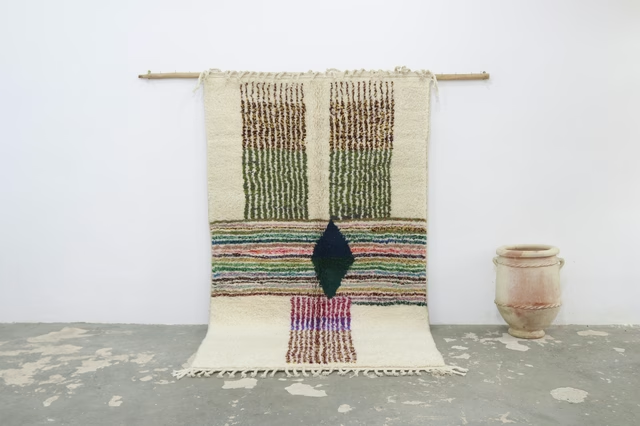
Azilal "Woven Portal"
265 × 155 cm
€1,297
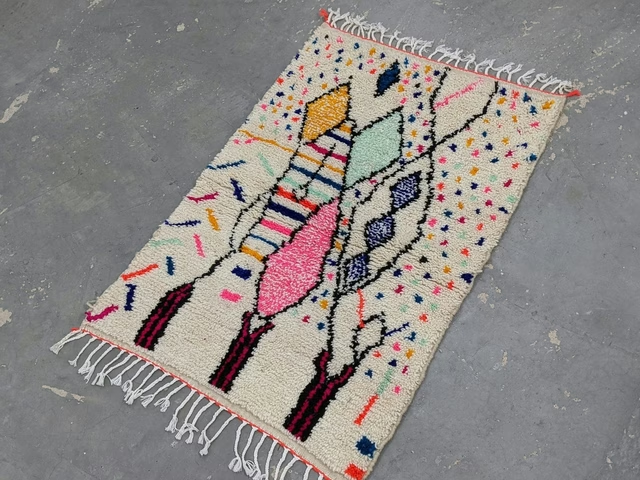
Azilal "Petite Poem"
138 × 97 cm
€1,525
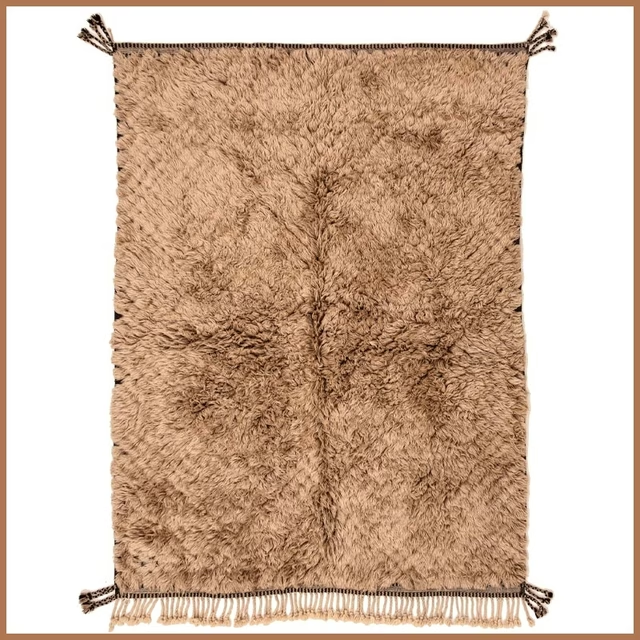
Beni Mrirt "Caramel Minimal"
320 × 250 cm
€3,982
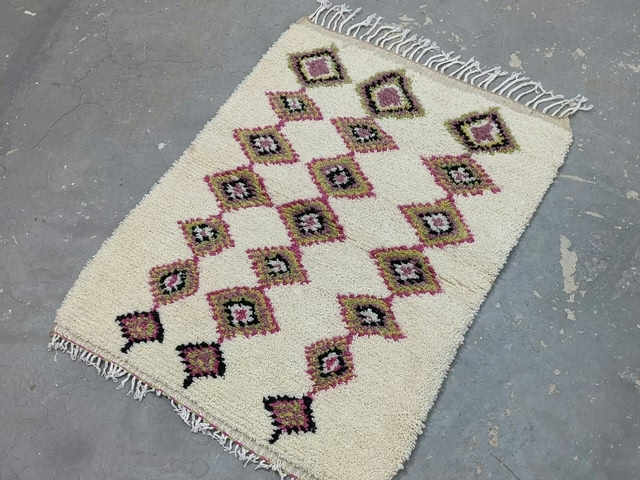
Azilal "Winter Grid"
140 × 106 cm
€1,525
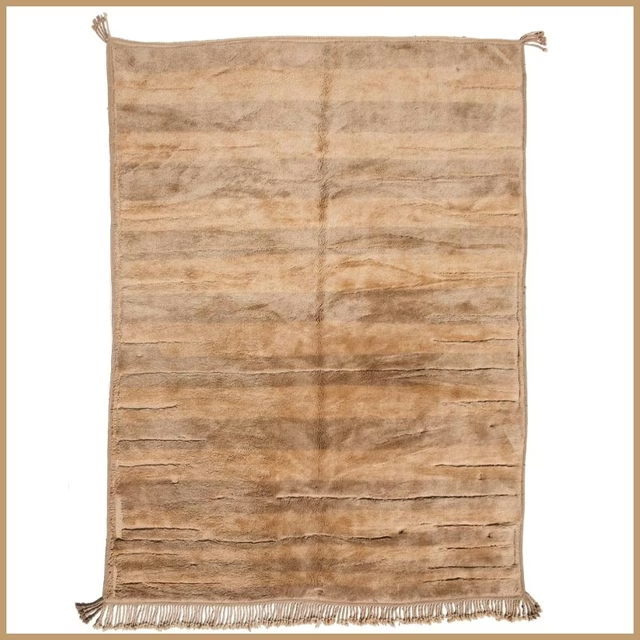
Beni Mrirt "Linear Taupe"
400 × 300 cm
€4,847
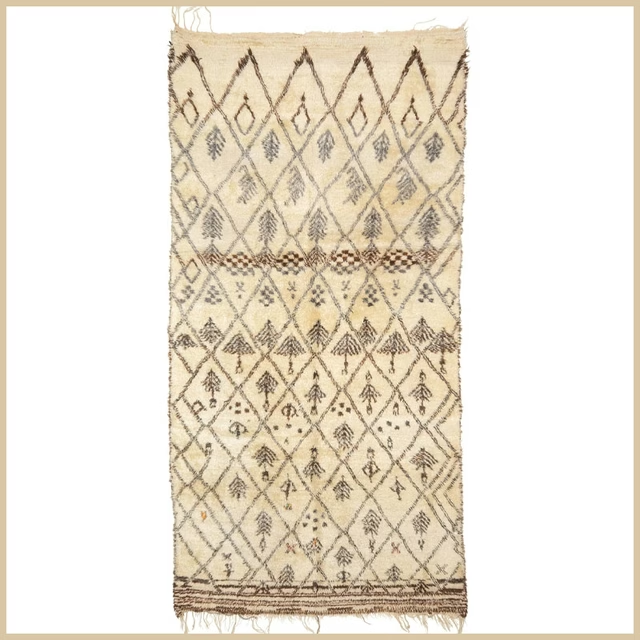
Ouarain "White Ornament"
360 × 178 cm
€4,366
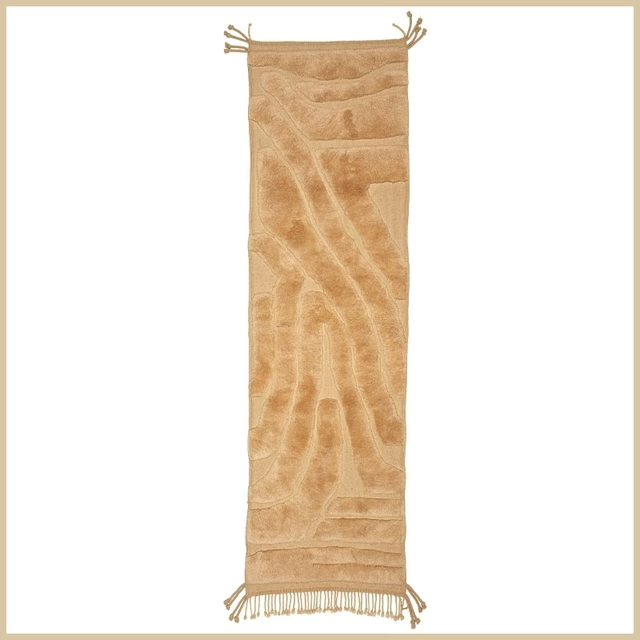
Beni Mrirt "Camel Runner"
296 × 86 cm
€1,642
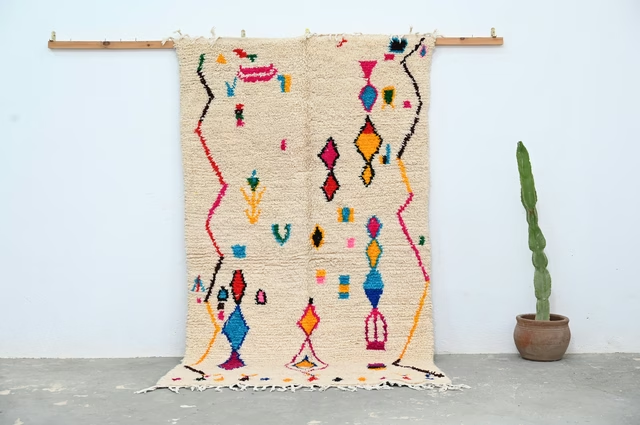
Azilal "Shepherd's Path"
240 × 132 cm
€1,157
Show all 96
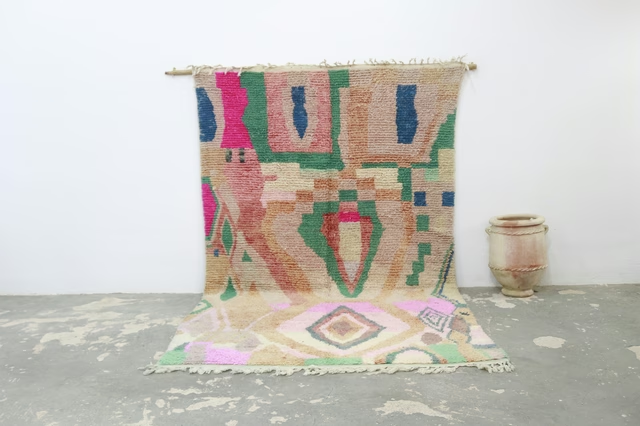
Azilal "Chromatic Compass"
350 × 200 cm
€1,797
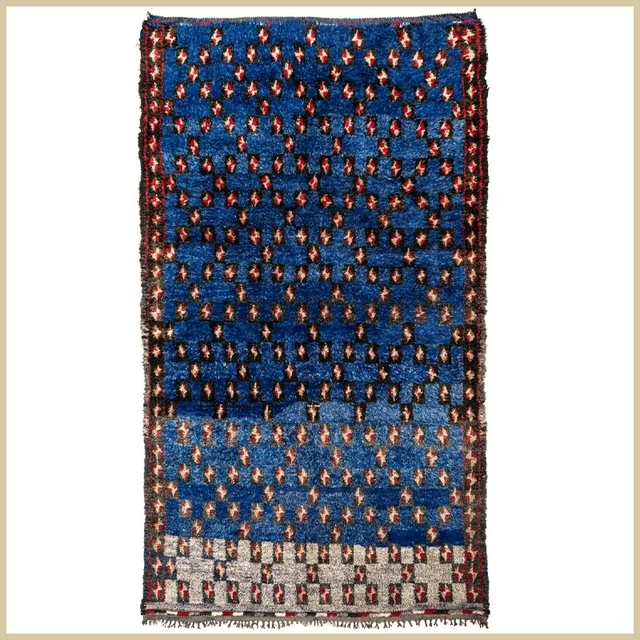
Beni Mguild "Cobalt Minimal"
387 × 195 cm
€4,580
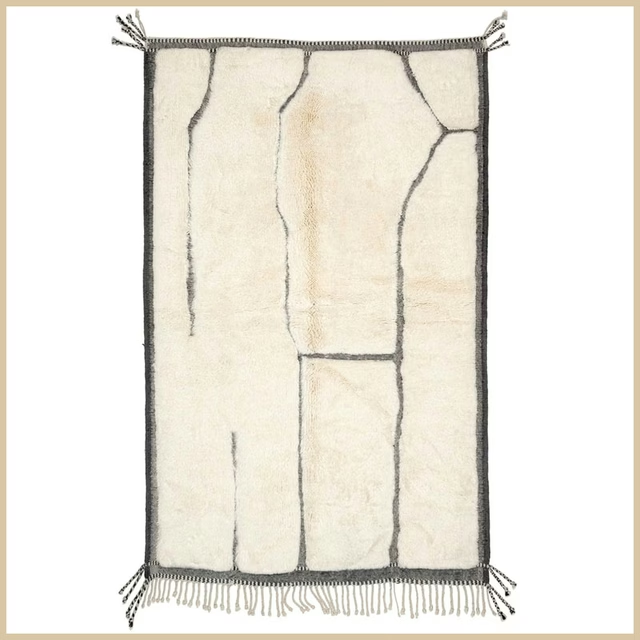
Beni Mrirt "Quiet White"
254 × 186 cm
€1,967
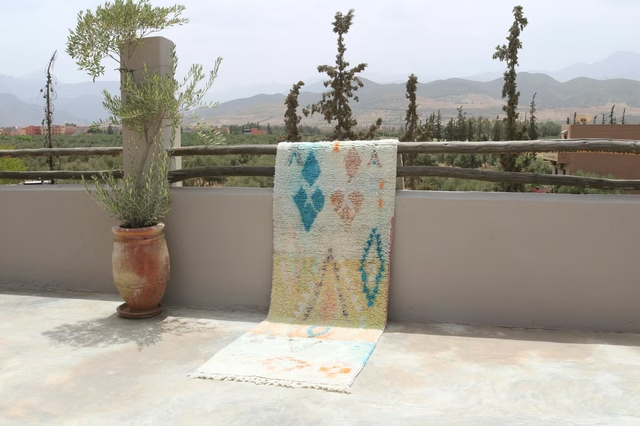
Azilal "Turquoise Kites"
310 × 82 cm
€1,547
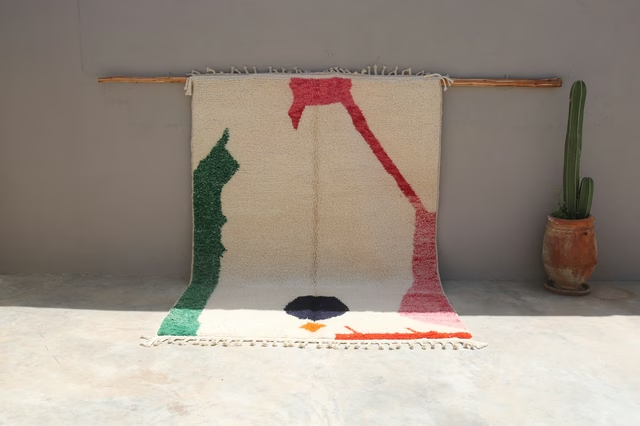
Azilal "Abstract Horizon"
300 × 210 cm
€1,797
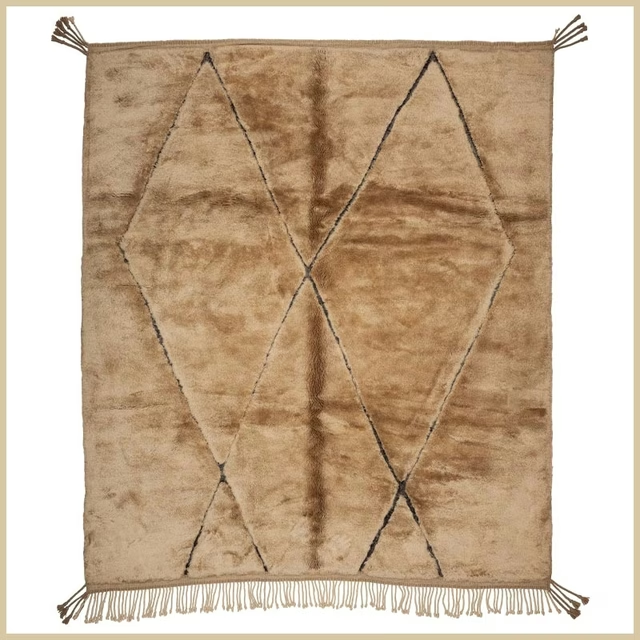
Beni Mrirt "Camel Lattice"
298 × 260 cm
€3,898
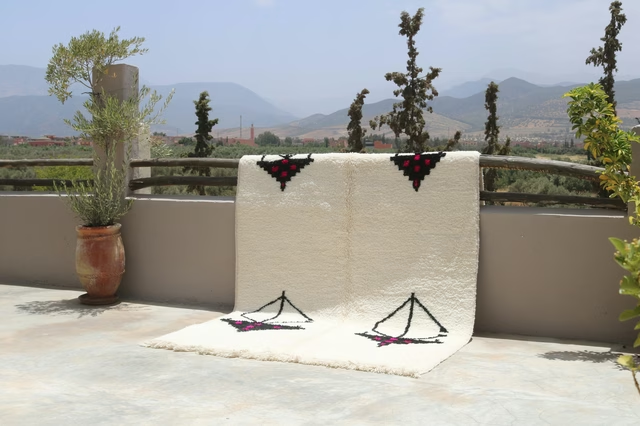
Beni Ouarain "Twin Triangles"
315 × 200 cm
€1,797
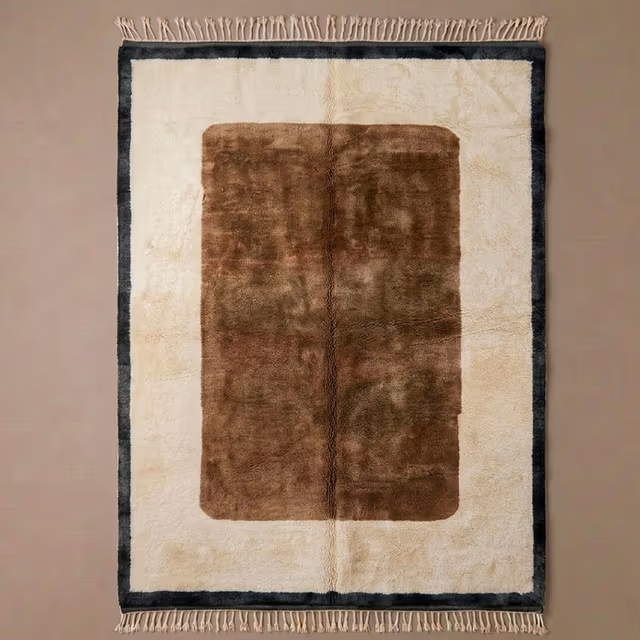
Beni Mrirt "Centered Field"
406 × 321 cm
€5,997
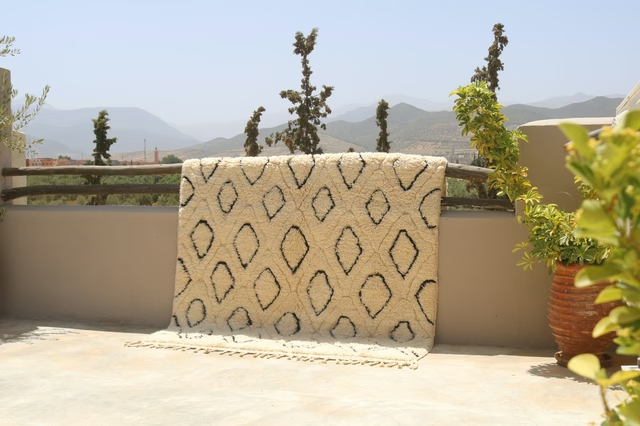
Beni Ouarain "Charcoal Diamonds"
300 × 200 cm
€1,797
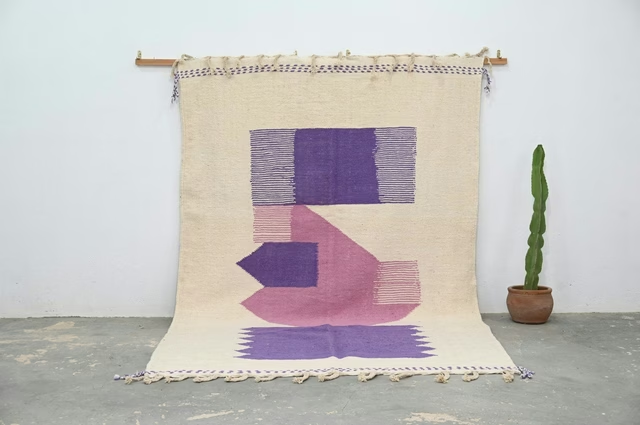
Azilal "Violet Graphic"
312 × 200 cm
€1,547
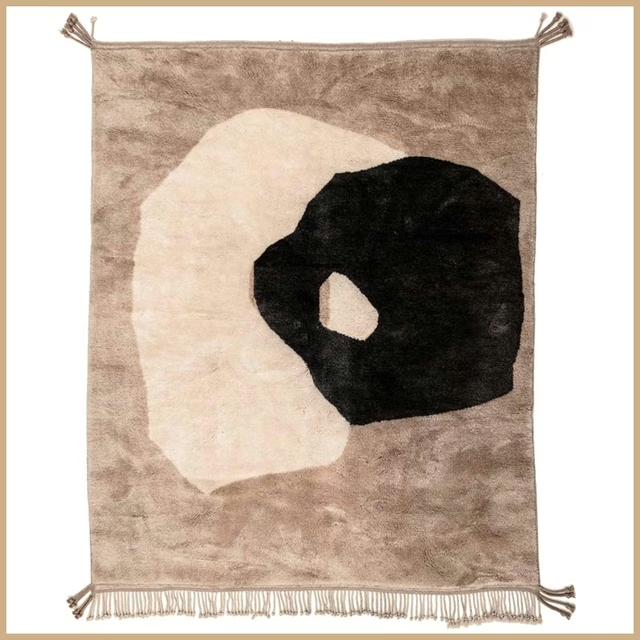
Beni Mrirt "Graphic Taupe"
320 × 250 cm
€3,982
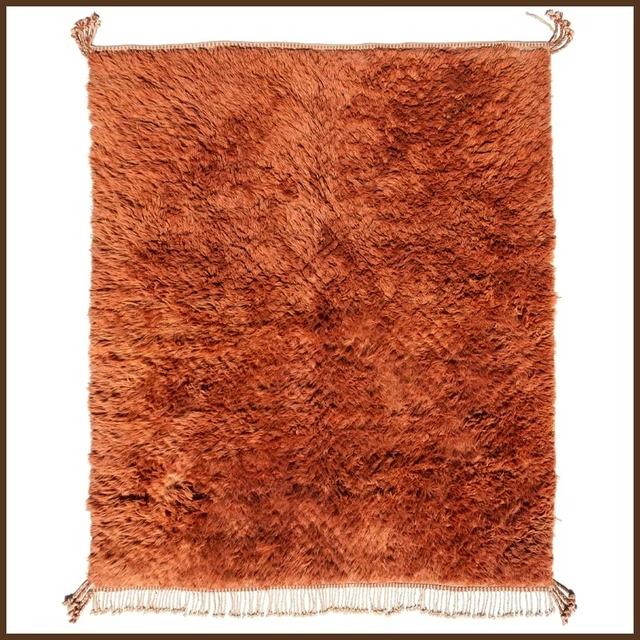
Beni Mrirt "Rust Minimal"
320 × 260 cm
€3,527
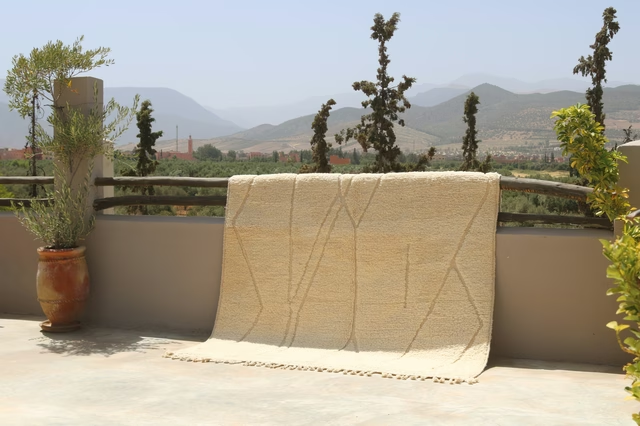
Beni Ouarain "Whisper Grid"
315 × 205 cm
€1,797
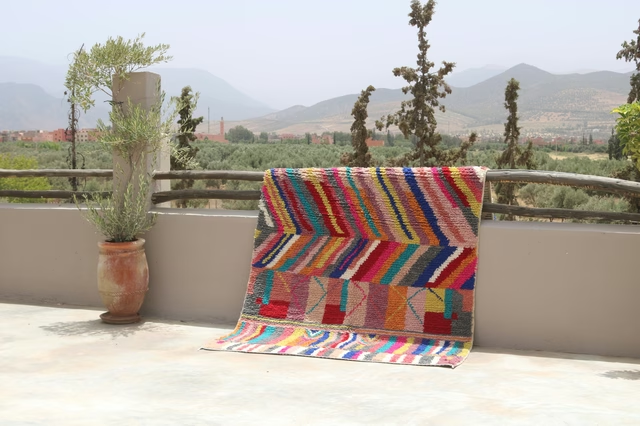
Azilal "Rainbow Chevrons"
315 × 175 cm
€1,797
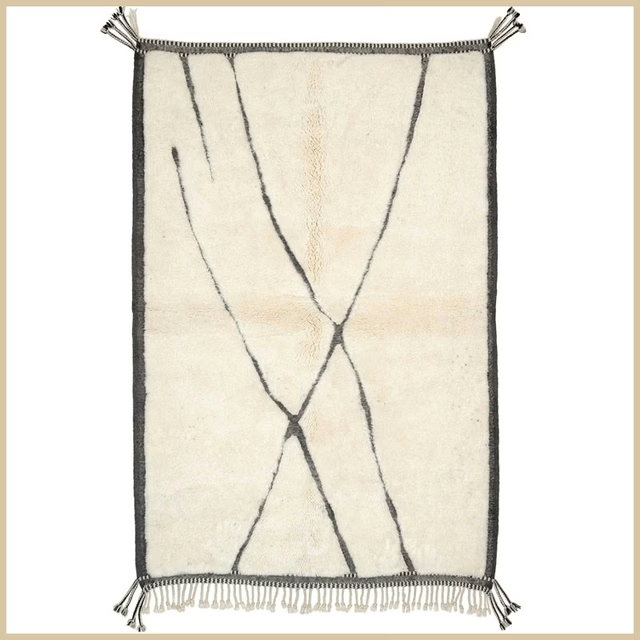
Beni Mrirt "Ivory Framework"
240 × 162 cm
€1,896
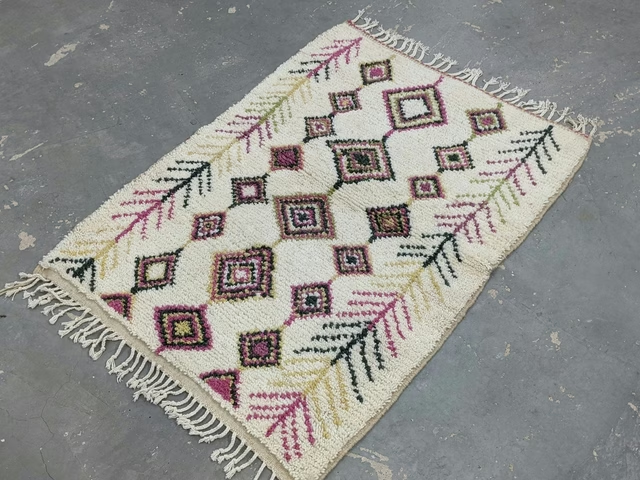
Azilal "Geometric Harmony"
151 × 112 cm
€1,577
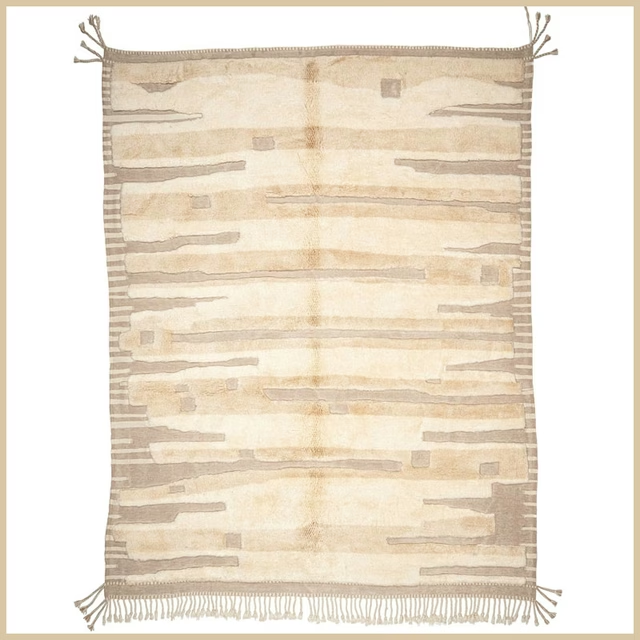
Beni Mrirt "Neutral Lines"
318 × 245 cm
€3,254
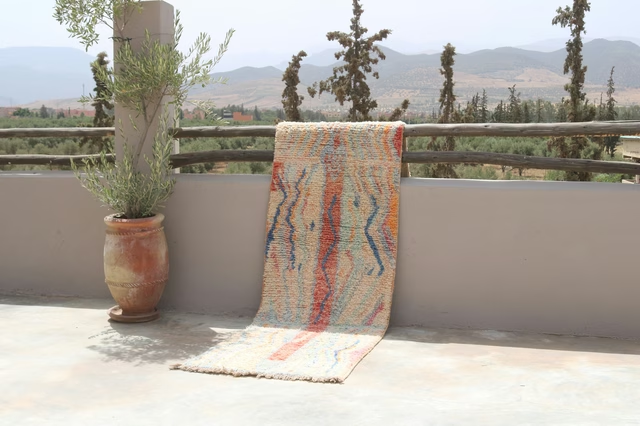
Azilal "Ember Traces"
310 × 82 cm
€1,547
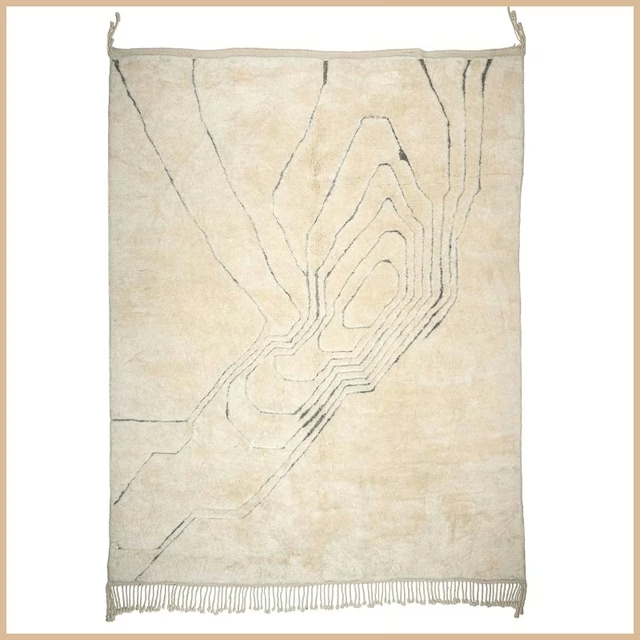
Beni Mrirt "Grand Ivory"
403 × 312 cm
€4,938
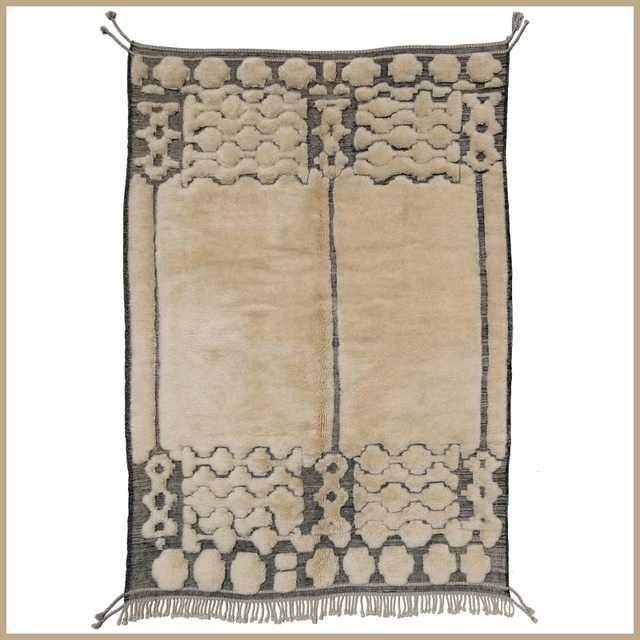
Beni Mrirt "Cream Ornate"
320 × 250 cm
€3,410
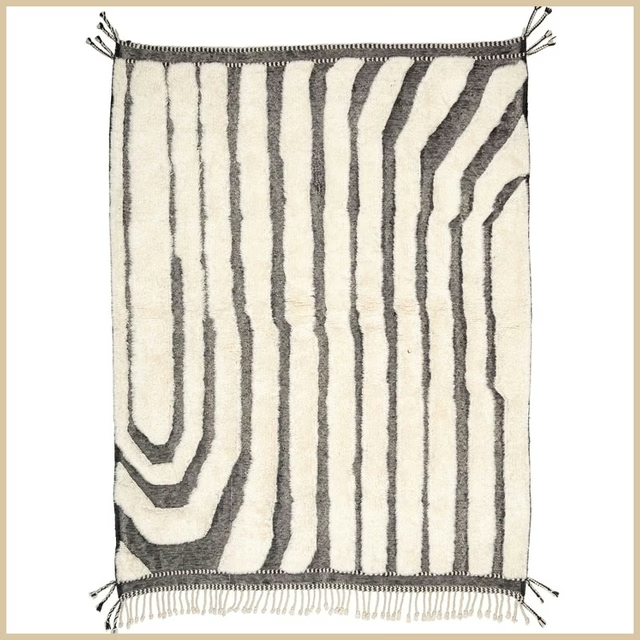
Beni Mrirt "Linear Path"
219 × 167 cm
€1,818
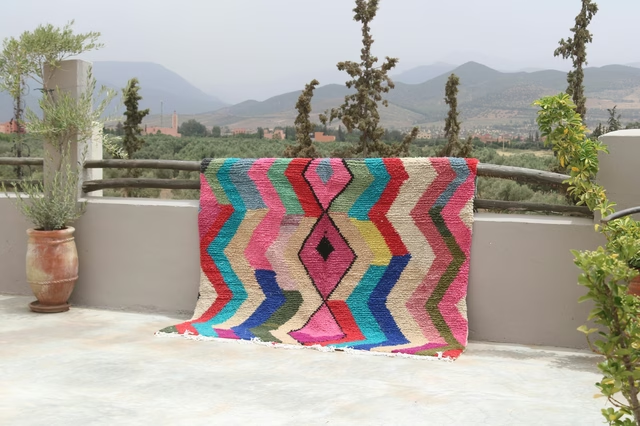
Azilal "Zigzag Carnival"
300 × 214 cm
€1,797
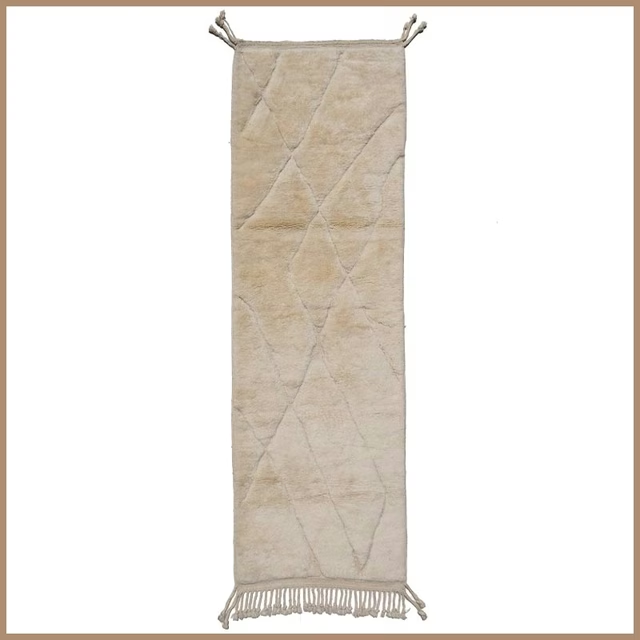
Beni Mrirt "Cream Silence"
310 × 260 cm
€3,423
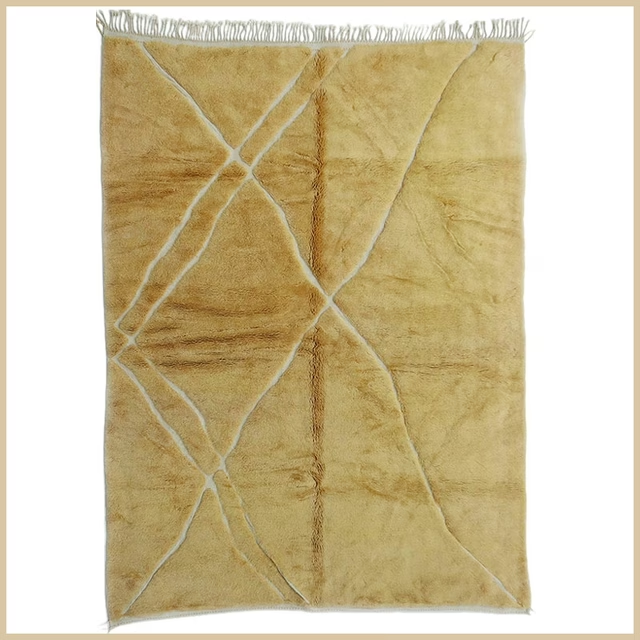
Beni Mrirt "Golden Lattice"
408 × 303 cm
€6,010
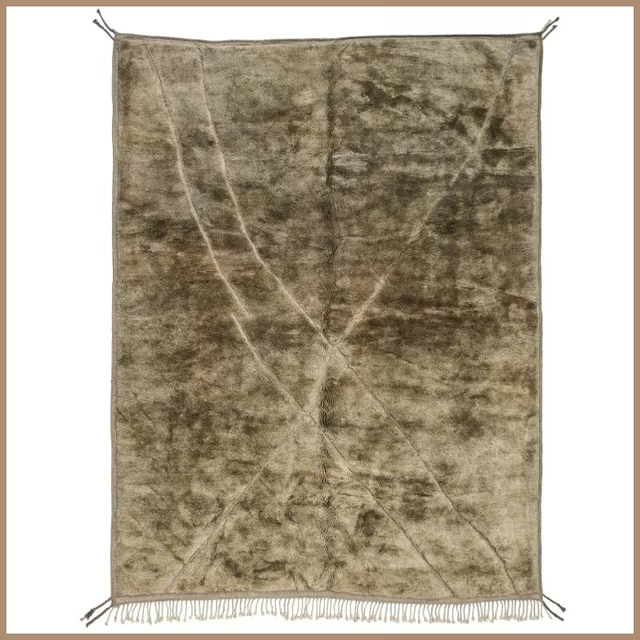
Beni Mrirt "Olive Minimal"
400 × 300 cm
€4,769
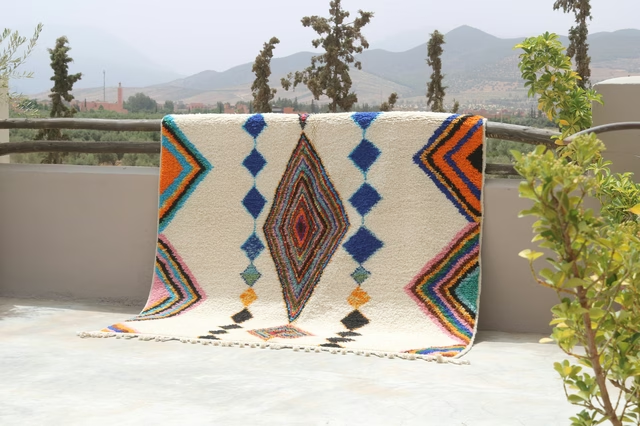
Azilal "Cobalt Diamonds"
300 × 210 cm
€1,797
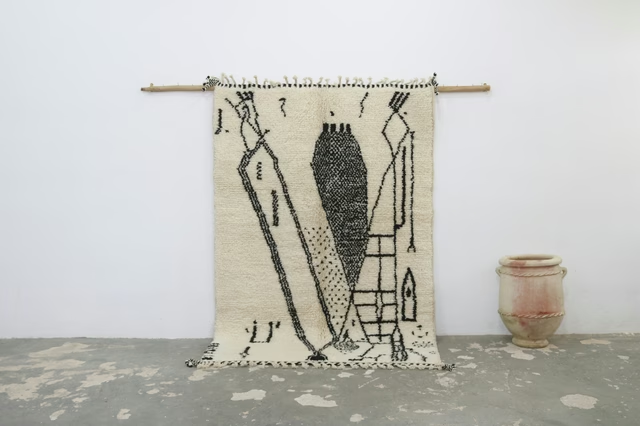
Azilal "Tribal Figures"
233 × 157 cm
€1,297
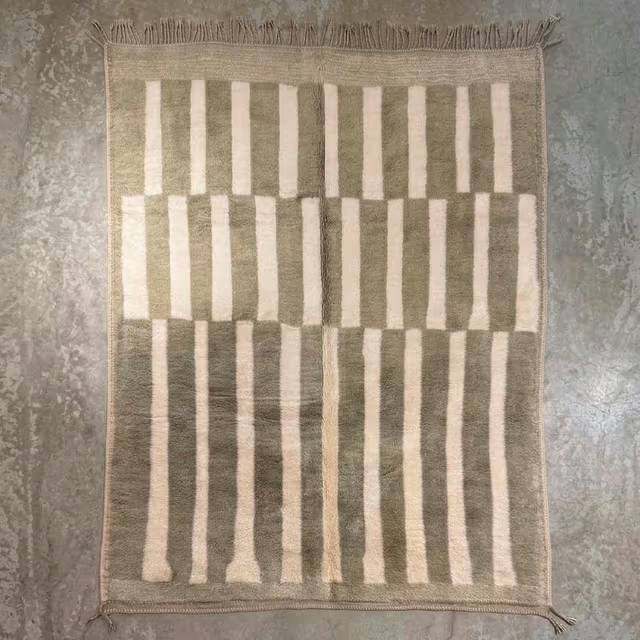
Beni Mrirt "Striped Sage"
309 × 270 cm
€4,297
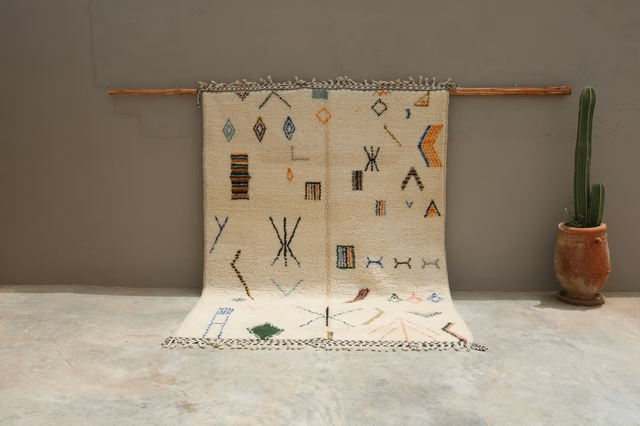
Azilal "Nomad Alphabet"
300 × 205 cm
€1,797
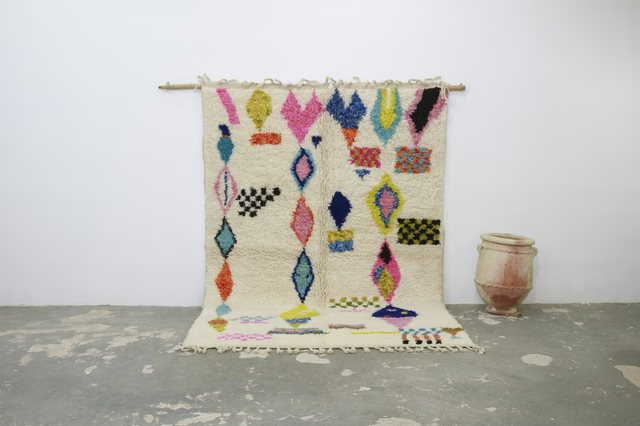
Azilal "Chromatic Symbols"
280 × 200 cm
€1,547
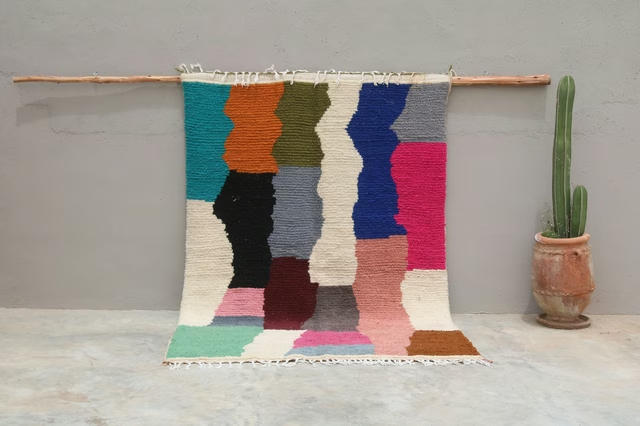
Azilal "Colour Quilt"
280 × 195 cm
€1,797
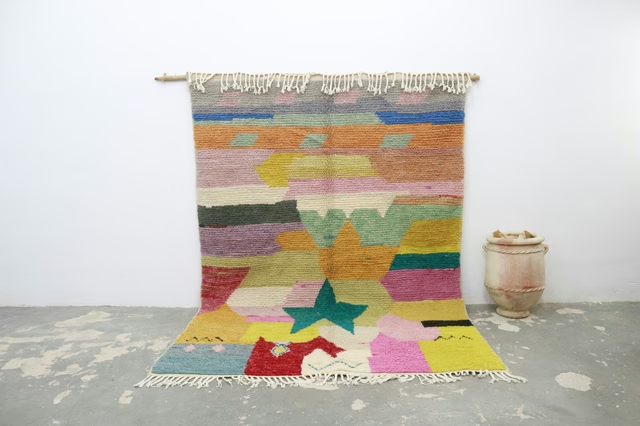
Azilal "Chromatic Constellation"
300 × 203 cm
€1,547
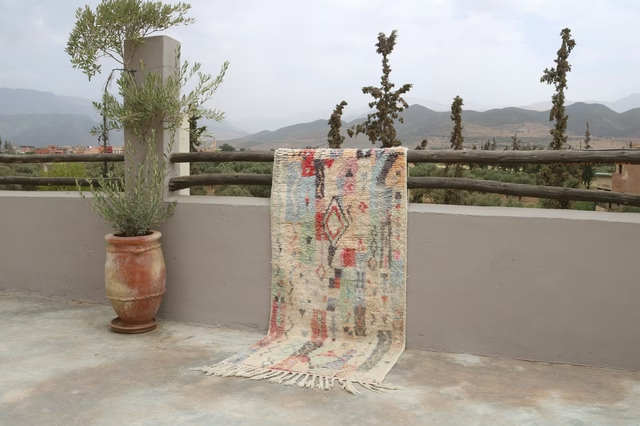
Azilal "Faded Garden"
300 × 92 cm
€1,547
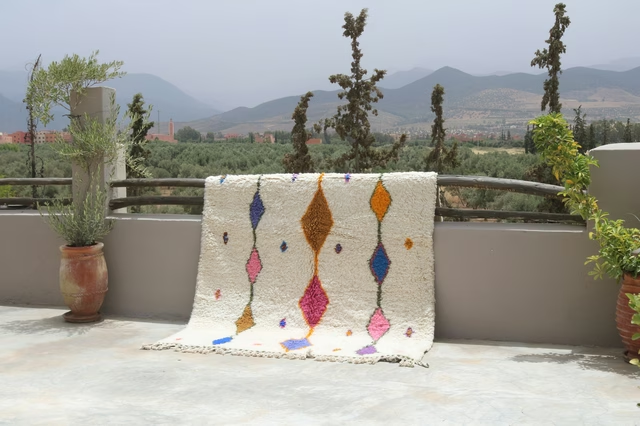
Azilal "Lantern Rows"
305 × 195 cm
€1,797
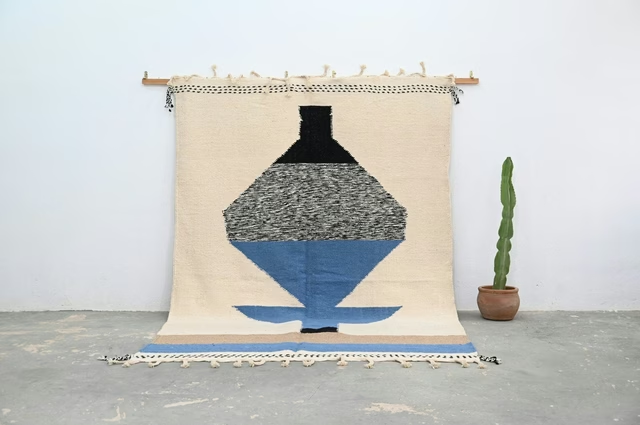
Azilal "Graphic Essence"
300 × 205 cm
€1,547
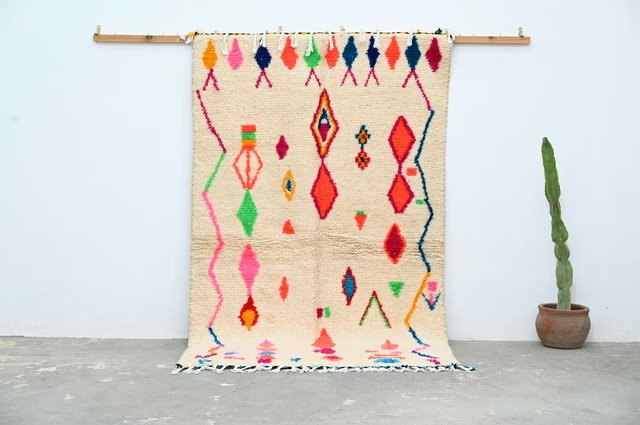
Azilal "Woven Stories"
246 × 146 cm
€1,235
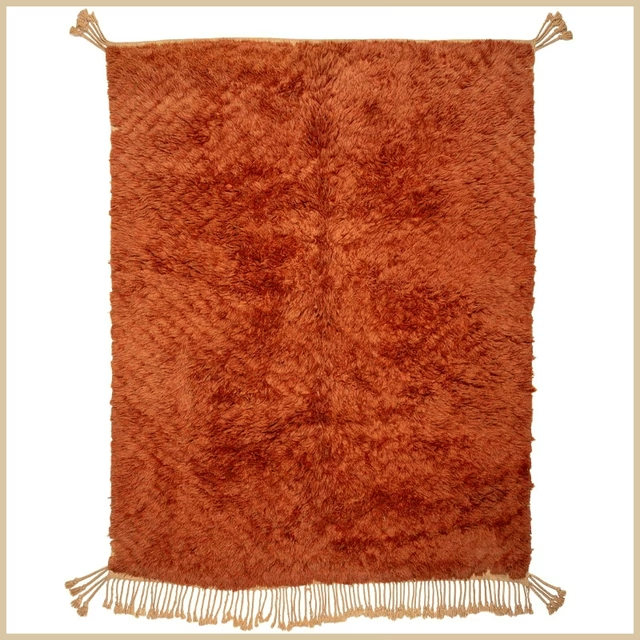
Beni Mrirt "Copper Glow"
315 × 252 cm
€3,976
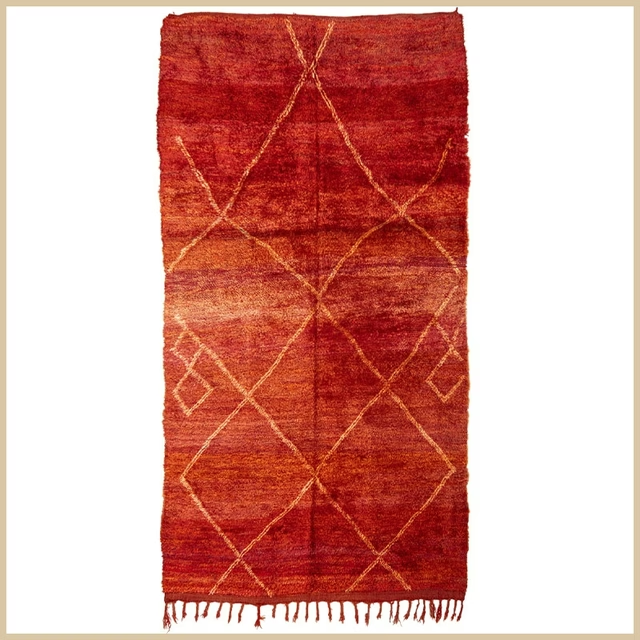
Beni Mguild "Burgundy Lattice"
346 × 180 cm
€4,255
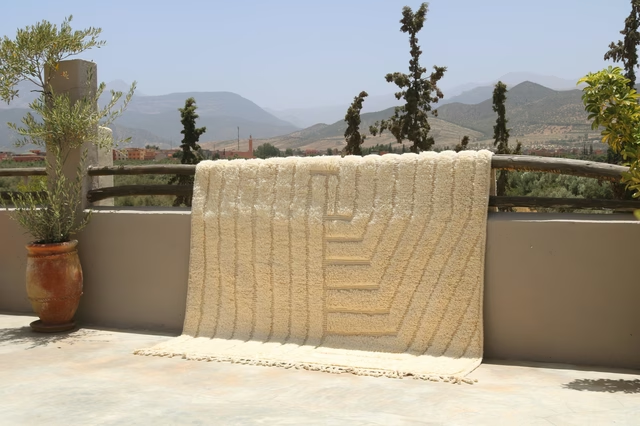
Beni Ouarain "Carved Relief"
290 × 210 cm
€1,797
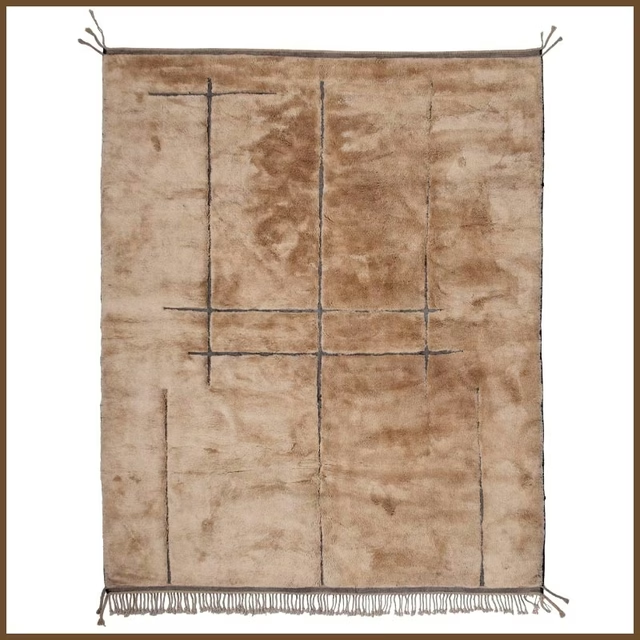
Beni Mrirt "Camel Lines"
400 × 300 cm
€4,827
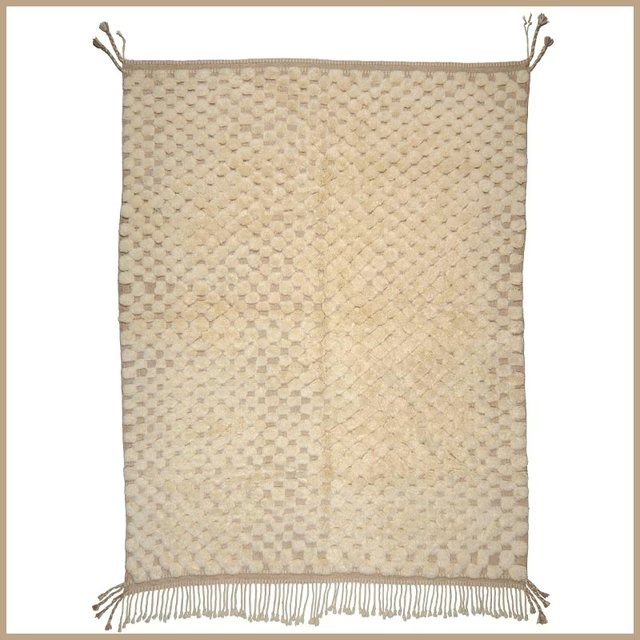
Beni Mrirt "Highland Beige"
326 × 248 cm
€4,041
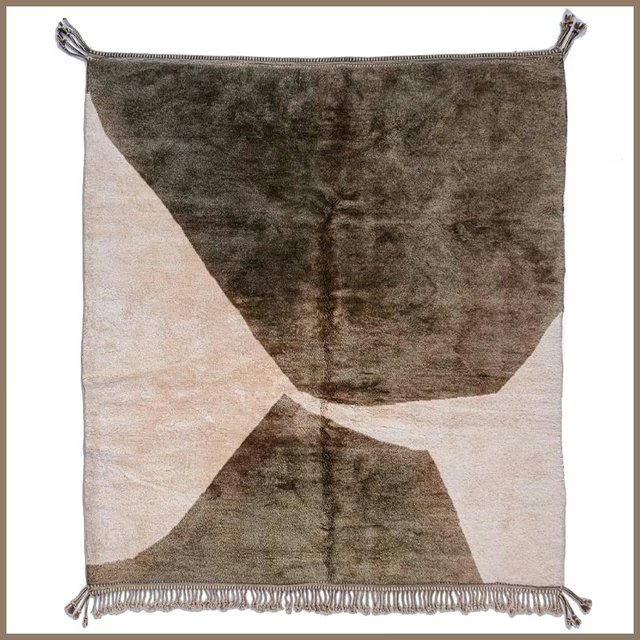
Beni Mrirt "Graphic Storm"
320 × 270 cm
€3,612
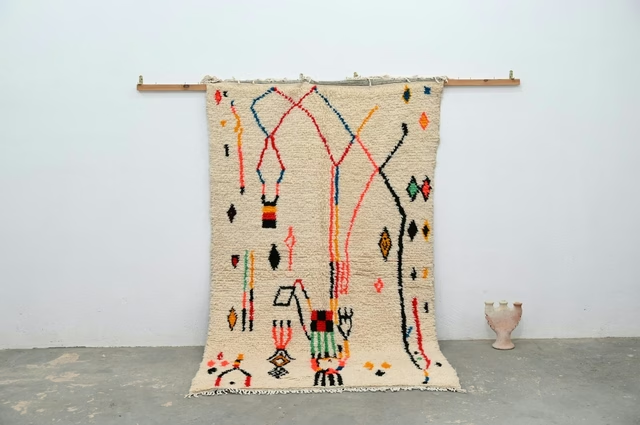
Azilal "Timeless Weave"
250 × 154 cm
€1,235
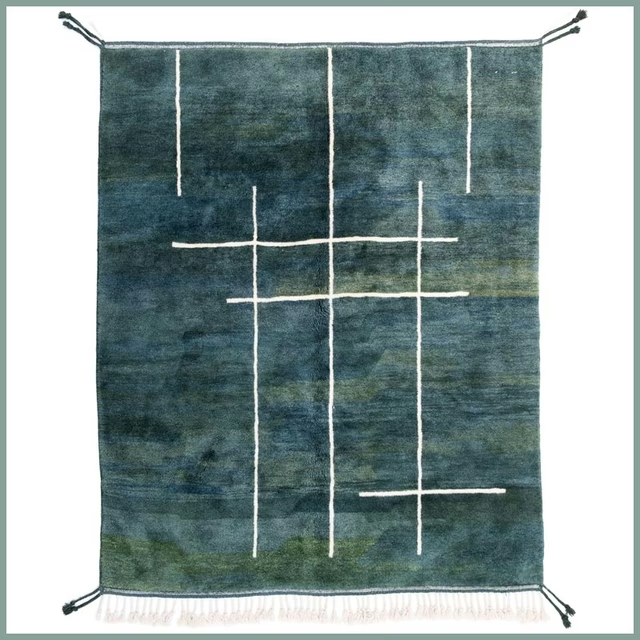
Beni Mrirt "Linear Teal"
320 × 250 cm
€3,982
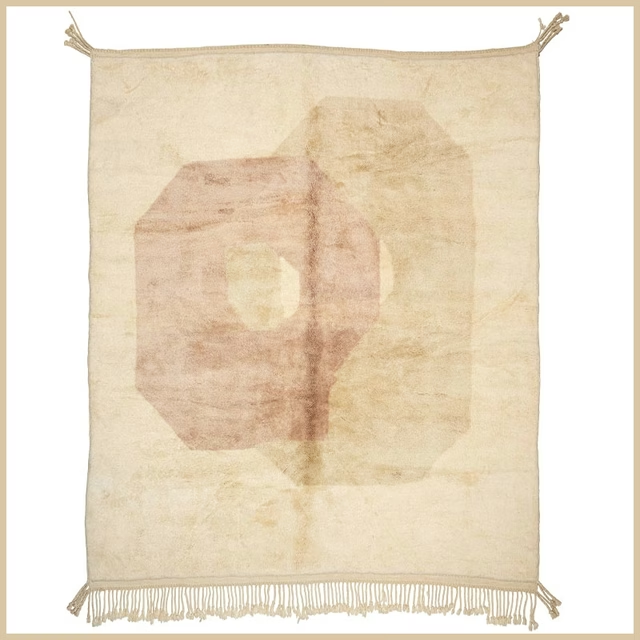
Beni Mrirt "Mountain Graphic"
€3,952
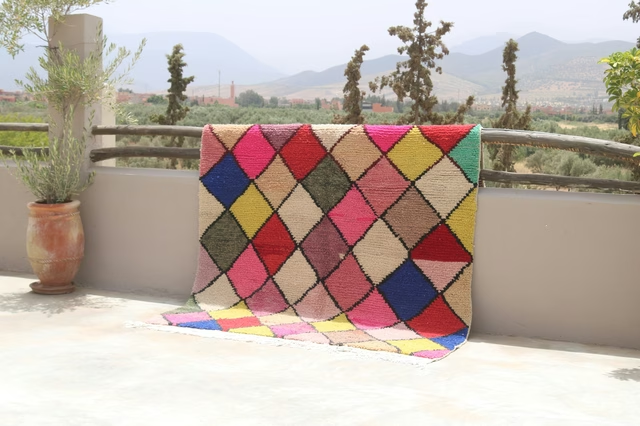
Azilal "Harlequin Diamonds"
315 × 196 cm
€1,797
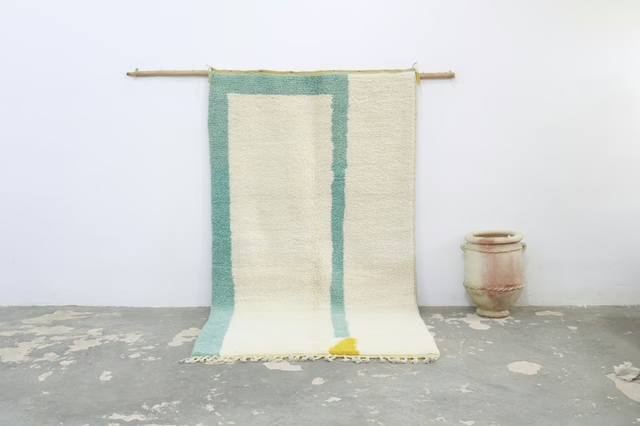
Azilal "Seafoam Frame"
285 × 155 cm
€1,547
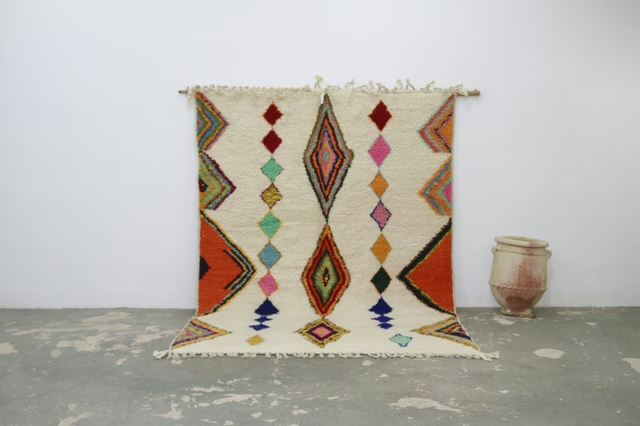
Azilal "Geometric Soul"
300 × 210 cm
€1,547
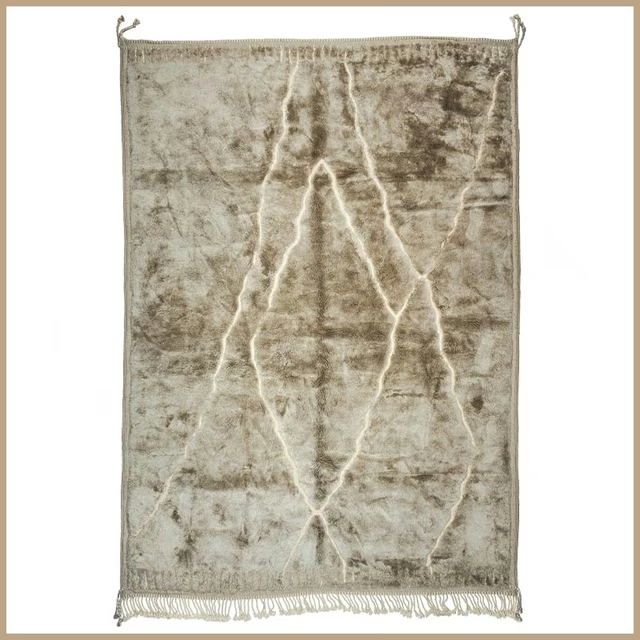
Beni Mrirt "Sage Highland"
423 × 302 cm
€6,075
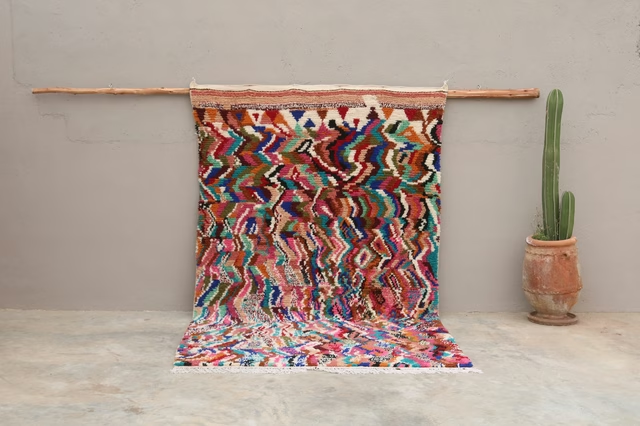
Azilal "Electric Waves"
310 × 186 cm
€1,797
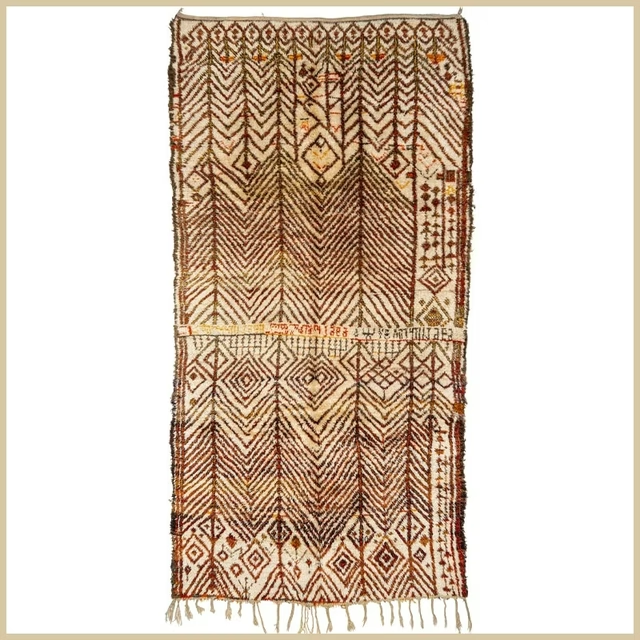
Ouarain "Grand Ornate"
366 × 191 cm
€4,710
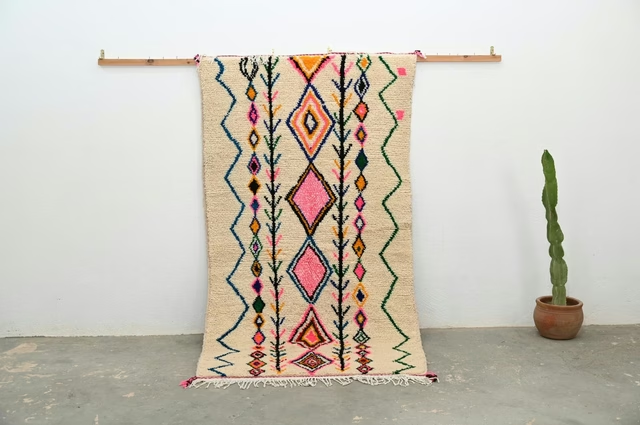
Azilal "Wheat Fields"
243 × 131 cm
€1,157
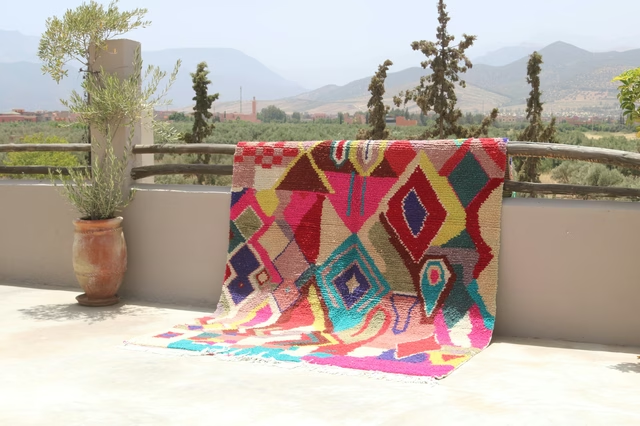
Azilal "Crimson Kaleidoscope"
308 × 200 cm
€1,797
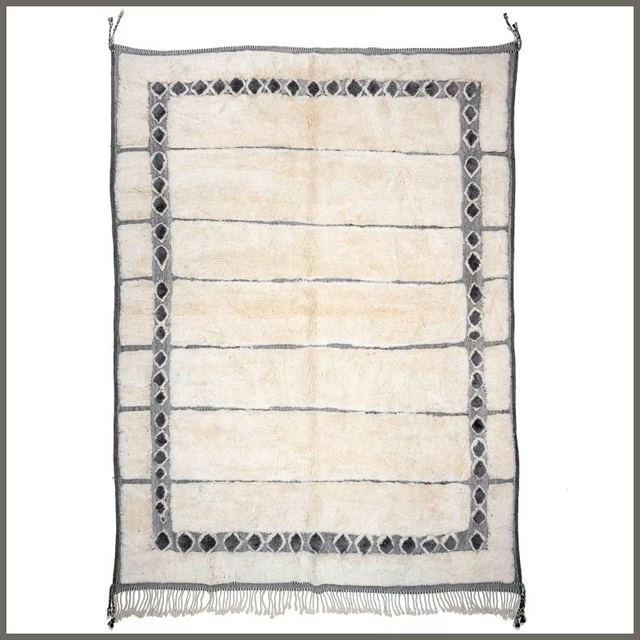
Beni Mrirt "Linear Elegance"
414 × 303 cm
€4,990
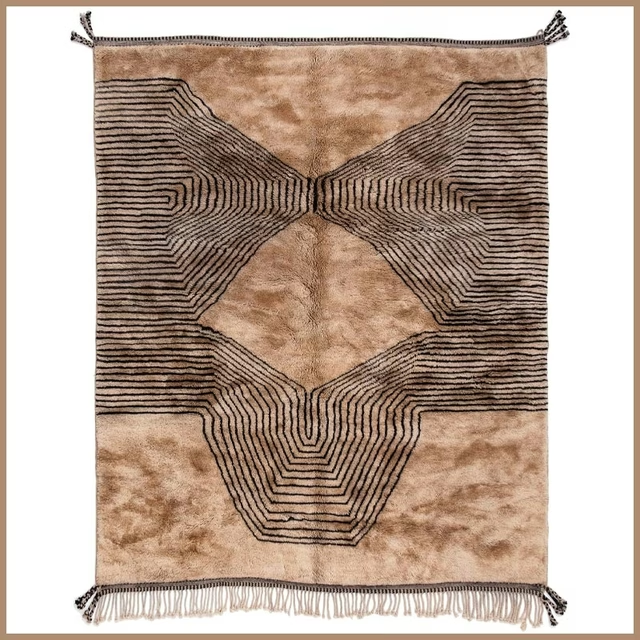
Beni Mrirt "Taupe Mountains"
310 × 255 cm
€3,365
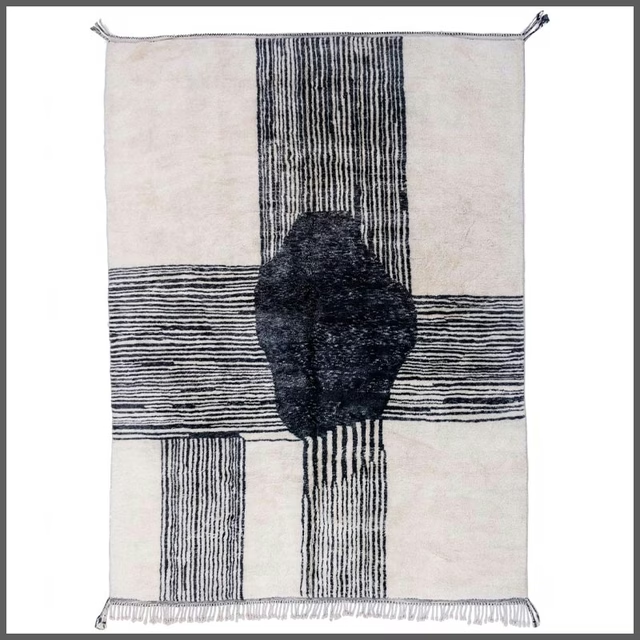
Beni Mrirt "Graphic Snow"
400 × 300 cm
€5,698
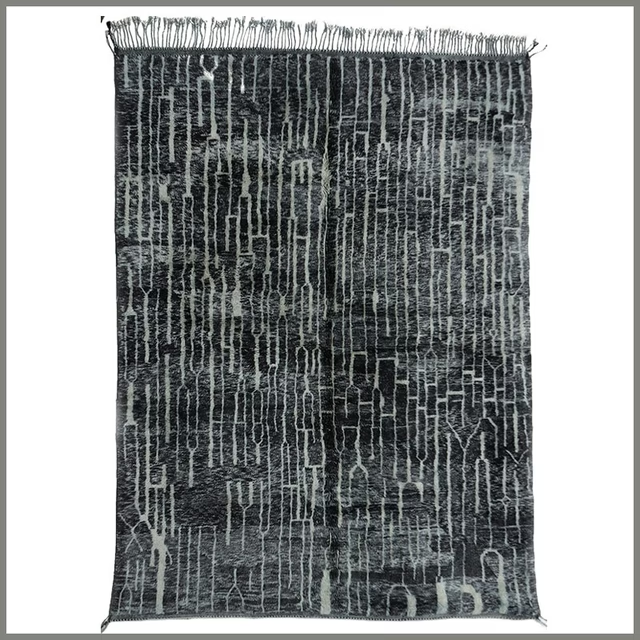
Beni Mrirt "Slate Path"
405 × 300 cm
€5,861
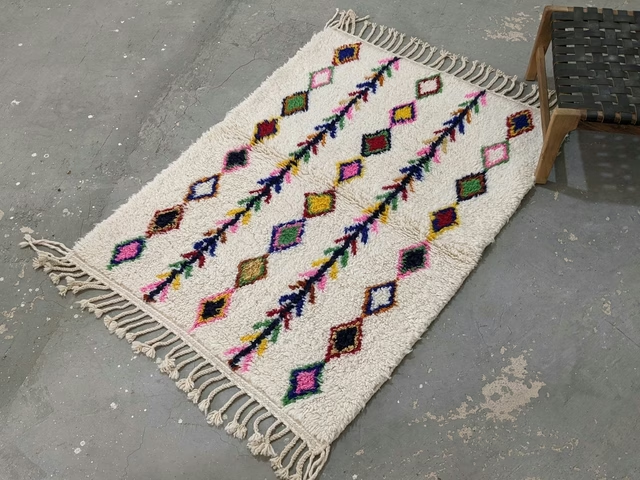
Azilal "Cream Silk"
156 × 112 cm
€1,577
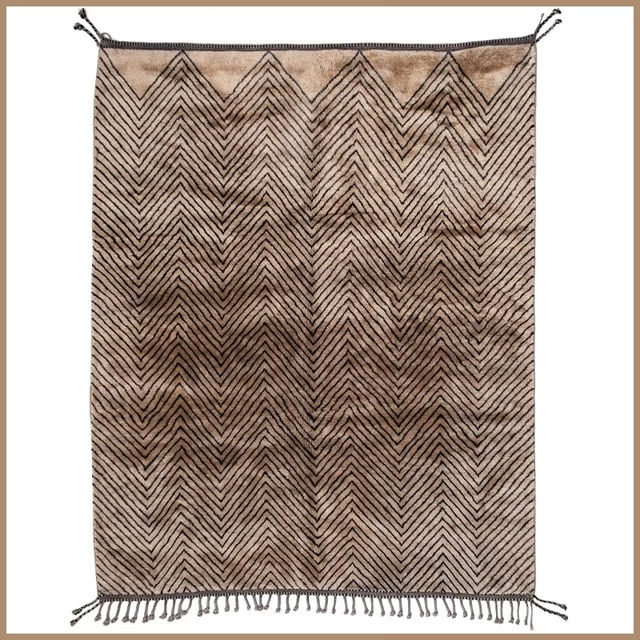
Beni Mrirt "Taupe Grid"
300 × 250 cm
€3,222
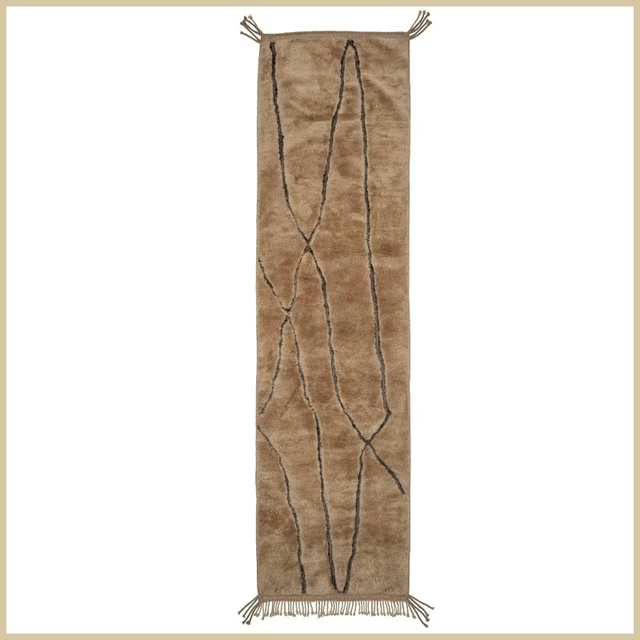
Beni Mrirt "Taupe Runner"
411 × 111 cm
€2,513
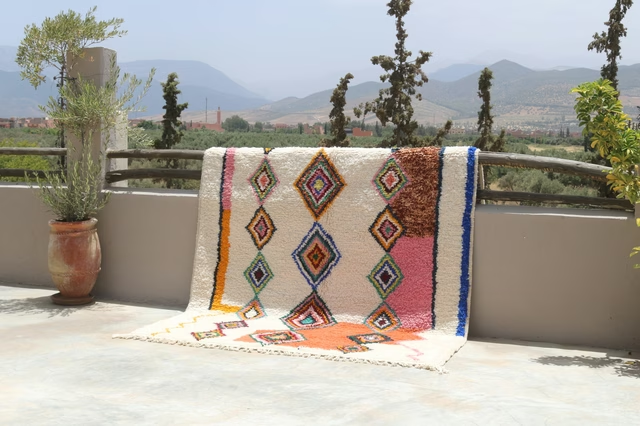
Azilal "Amber Diamonds"
310 × 211 cm
€1,797
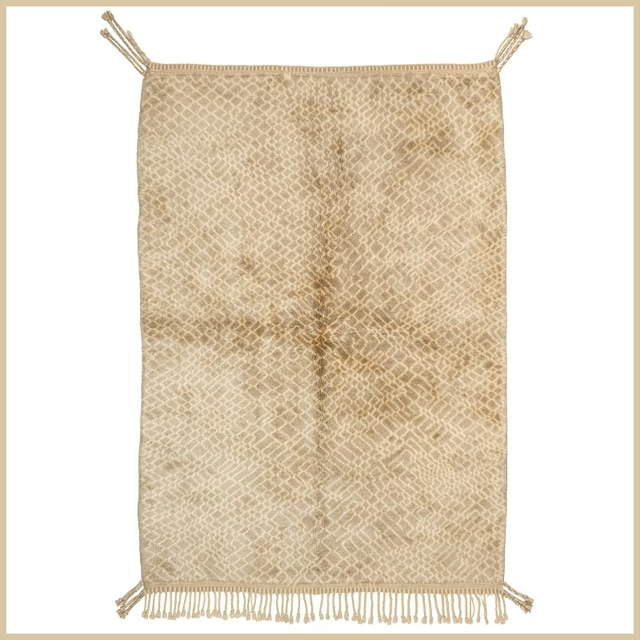
Beni Mrirt "Taupe Weave"
253 × 176 cm
€2,464
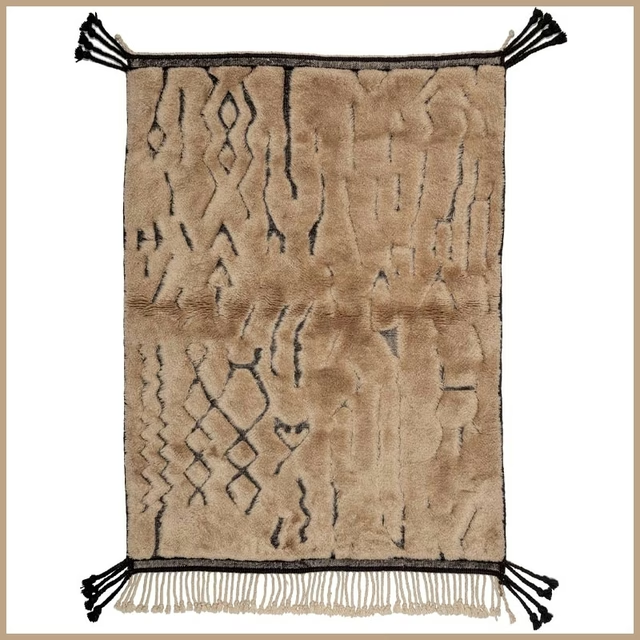
Beni Mrirt "Taupe Symbols"
182 × 134 cm
€1,603
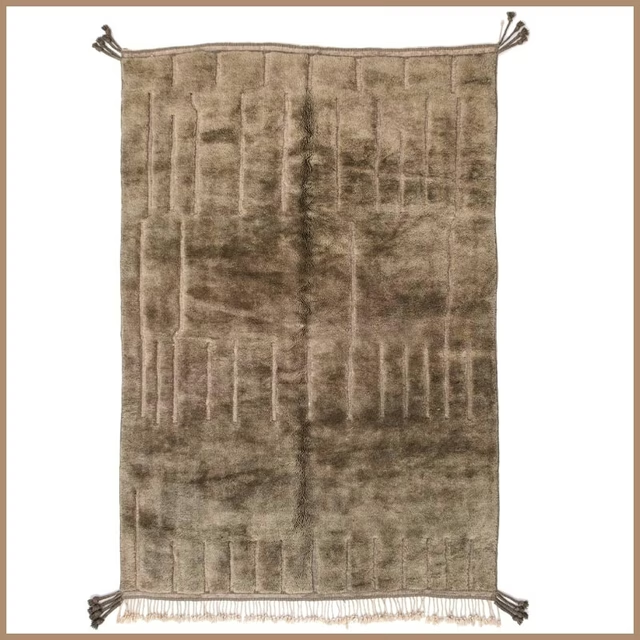
Beni Mrirt "Taupe Linear"
300 × 200 cm
€2,689
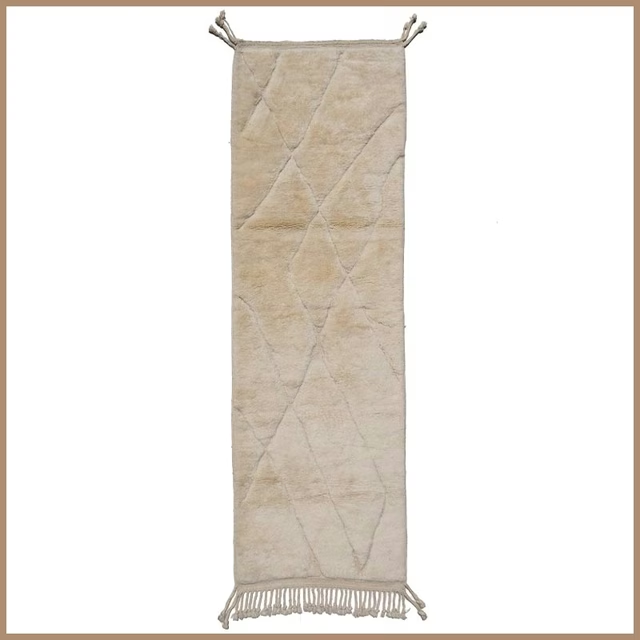
Beni Mrirt "Minimal Path"
300 × 95 cm
€1,564
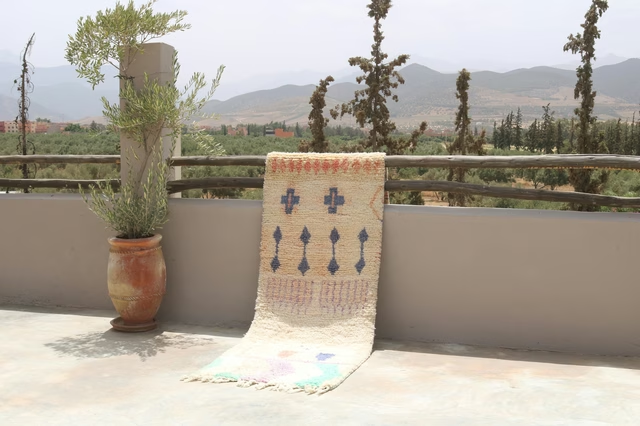
Azilal "Navy Crosses"
300 × 84 cm
€1,547
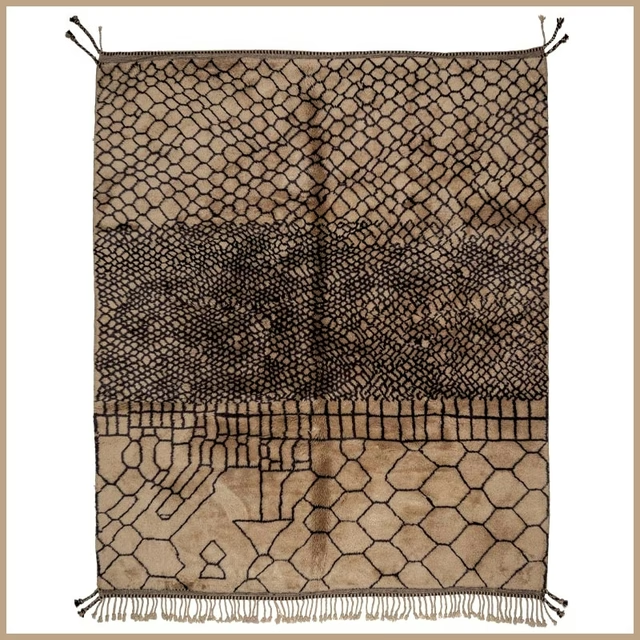
Beni Mrirt "Ornate Taupe"
308 × 253 cm
€3,280
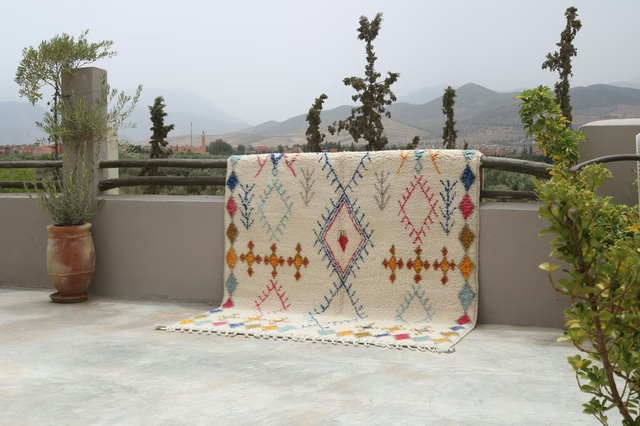
Azilal "Delicate Lattice"
300 × 208 cm
€1,797
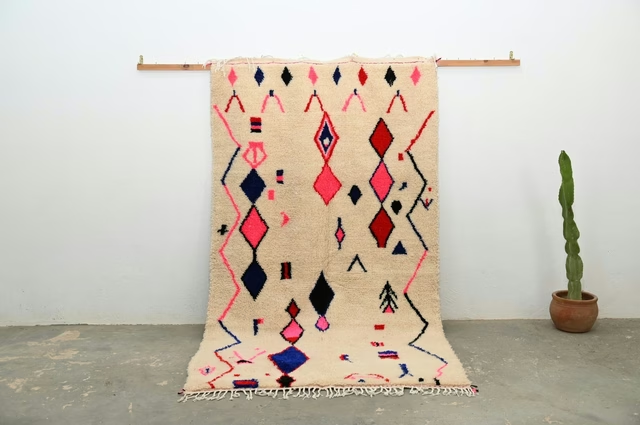
Azilal "Nomadic Signs"
273 × 151 cm
€1,287
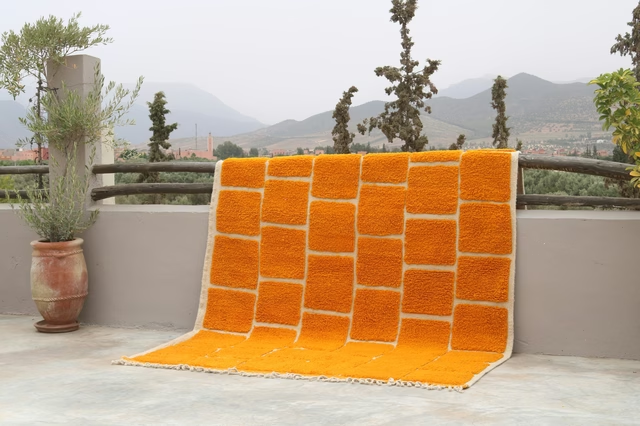
Azilal "Tangerine Grid"
300 × 214 cm
€1,797
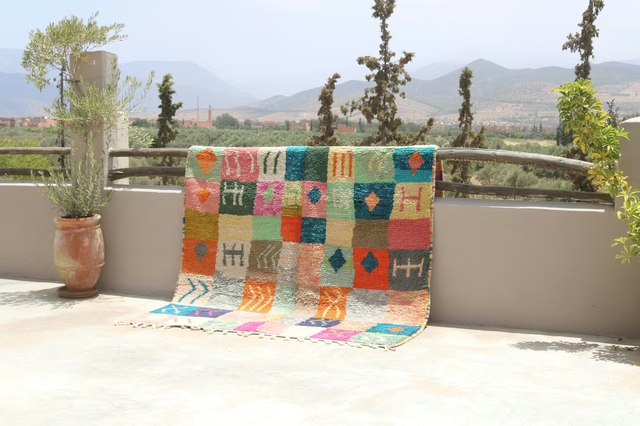
Azilal "Symbol Grid"
280 × 205 cm
€1,547
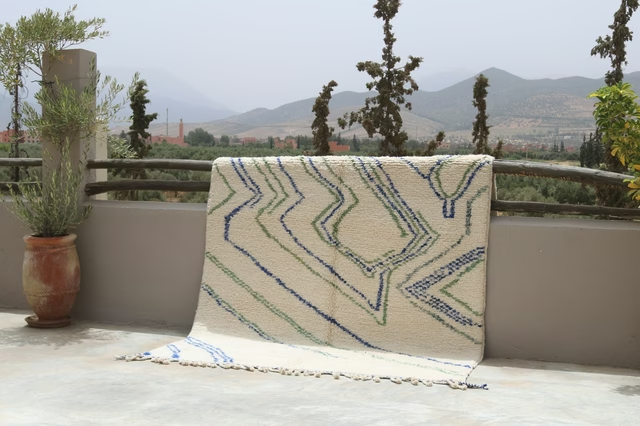
Azilal "Blue Contour"
310 × 200 cm
€1,797
How a looped carpet got a Moroccan name
The Berbers, who call themselves Amazigh, are the indigenous peoples of North Africa. In the mountains of Morocco their households have woven wool rugs for generations, first as bedding and covers against the cold, later for sale. Many of the older pieces were made from undyed wool in its natural range of cream, brown and near-black, which gives the surface a flecked, uneven tone.
Carpet manufacturers borrowed the name for that look. A mill-made Berber was a pale, looped carpet with darker flecks in the yarn, meant to recall hand-spun wool. Over time the word moved from the fleck to the loop. Today any loop-pile broadloom, flecked or plain, wool or synthetic, is sold as Berber carpet, and the link with Morocco survives only in the name.
Loop Berber: what it does well and where it fails
Loop Berber is tufted by machine. Yarn is punched through a backing sheet in rows of uncut loops, then fixed with latex and a second backing. The fibre is usually olefin or nylon, sometimes wool or a blend. It is sold by the roll and fitted wall to wall over an underlay. Its strengths are real: the loops resist crushing and footprints, the flecked colours hide dirt, and in synthetic fibre it copes with basements, stairs and rental wear.
The weaknesses come from the same loop. A cat's claw, a dragged chair leg or a vacuum's rotating brush can catch one, and a pulled loop may run along its row as a ladder runs in a stocking. Olefin flattens in walkways and clings to oily soil. And a looped surface is firm underfoot. It is a practical floor covering more than something you would choose to sit on.
The original: knotted by hand, one rug at a time
A Berber rug in the first sense is made on an upright loom. The weaver ties each tuft of wool round a pair of warp threads, cuts it, and after every row packs down a weft to lock the knots in place. Nothing is glued. The pile is cut, so there are no loops to snag, and the pattern is visible on the back, knot for knot.
The rugs take their names from the tribes and regions that developed them. Beni Ourain rugs are ivory with dark lines and diamonds in a long pile. Beni Mrirt rugs are denser and heavier, often nearly plain. Azilal rugs are lighter, with colour and freehand signs. Beni Mguild and Boujaad rugs work in deep reds, blues and pinks. Each rug is a finished object with its own size, never a length cut from a roll.
Which one does your room need
Start from the job. If you want to cover a whole floor evenly and economically, in a basement, on a staircase, in a home office or a rental, loop Berber carpet is the tool, and a hand-knotted rug is no substitute for it. If the floor underneath is timber, tile or stone that you like, and you want warmth, softness and something to look at in the middle of the room, you want a rug.
Pets and children tilt the choice. Claws catch loops. They do not catch a cut pile in the same way, and a single tuft pulled from a knotted rug stays a single tuft. Wool also resists soiling for longer and gives up dry dirt to a vacuum easily. The two can be combined, too: a dense wool rug over a low loop carpet works well in a bedroom, with a carpet-to-carpet pad to keep it from creeping.
The Berber rugs in this collection
Every rug here is the hand-knotted kind, in wool. The two largest groups are Beni Mrirt and Azilal, with well over a hundred rugs each. Beni Ourain follows with about twenty, then Beni Mguild, and a couple of Boujaad pieces. In colour, multicoloured and ivory rugs lead, followed by sand and taupe, with smaller numbers in terracotta, burgundy, gold, green and blue.
Sizes run from accent rugs of about 3 × 5 ft to room-size pieces beyond 10 × 13 ft, with the widest choice around 6 ft 7 in × 10 ft. The measured dimensions are given on every listing. Delivery is free worldwide, duties and taxes included.
What you can verify about us
- Origin
- Made in MoroccoHand-knotted Berber rugs from the Atlas regions. Every rug is one of a kind.
- Construction
- Hand-knotted woolVerified at every stage — never machine-tufted.
- Delivery
- Duties includedFree shipping; import duties and taxes are included in the price.
- Returns
- 14 daysIn condition received, full refund of the purchase price.
Frequently Asked
Questions
- Is Berber carpet the same as a Berber rug?
- No. In North America, Berber carpet is machine-tufted loop-pile carpet fitted wall to wall, usually in olefin or nylon. A Berber rug is a wool rug knotted by hand in Morocco. They share a name and little else.
- Why is loop carpet called Berber?
- Mills named it after the flecked, natural-wool look of North African Berber weaving. The construction was never the same, and today the term simply means loop pile.
- Is Berber carpet a good choice with cats or dogs?
- Loop pile is risky with claws, because a caught loop can pull and run along its row. A cut-pile rug has no loops. With pets, a hand-knotted wool rug with a lower pile is the safer choice.
- Are Berber rugs soft?
- The hand-knotted ones are. A Beni Ourain or Beni Mrirt has a deep wool pile that is soft enough to sit on. Loop Berber carpet is firm by comparison.
- Can a Berber rug go on top of Berber carpet?
- Yes. Use a carpet-to-carpet rug pad so the rug does not creep or ripple, and choose a rug heavy enough to lie flat.
Sources & References
What this page rests on
- 1. Bruno Barbatti — textile historian — Tapis du Maroc — Le langage des symboles (1996) — Scheidegger & SpiessThe reference work on the symbolic vocabulary of Berber rug motifs.
- 2. Prosper Ricard — French Protectorate ethnographer — Corpus des tapis marocains (1923) — Service des Arts Indigènes (1923–1934)The first systematic Western catalogue of Moroccan rug types. Still the working taxonomy.
- 3. Cynthia Becker — Boston University — Amazigh Arts in Morocco: Women Shaping Berber Identity (2006) — University of Texas PressAnthropological study of Atlas weaving as Amazigh women's craft tradition.
- 4. Gebhart Blazek — Berber-arts.com — private collection and museum exhibition curator — Berber-arts.comAustrian collector and researcher; collection underlies multiple museum exhibitions.
- 5. Leigh Minturn — The Economic Importance and Technological Complexity of Hand-Spinning and Hand-Weaving (1996)Cross-cultural anthropological study of hand-spinning and hand-weaving labour.
- 6. Wikipedia — Moroccan rugs

The person behind the piece
“Before you buy, I’ll send you a video of the actual rug in natural light — not a stock photo. I answer the messages myself.”
I’m Youssef. I started ARINID because this market is full of middlemen and machine-made imitations sold as the real thing — and I grew up close enough to the looms to know the difference.
Every piece we list is one of a kind, hand-knotted in Morocco. If you want to talk through sizing for your room, I’m on the other end of the message. A rug at this level is a thirty-year decision. You should be able to look the person selling it to you in the eye.
Youssef
Founder, ARINID
The next step
See every rug we currently offer
Each piece is hand-knotted in Morocco and delivered to your door, with shipping, duties and taxes included.