Moths in a Wool Rug: How to Spot, Treat and Prevent Them
Finding moths in a wool rug is unpleasant, but it is a problem with a clear cause and a clear cure. The damage is not done by the small beige moths you see fluttering near the floor. It is done by their larvae, which feed on keratin, the protein in wool. They do it in the dark, in places nobody disturbs: under the sofa, behind a chest, on the underside of a rug. Caught early, an infestation costs you an afternoon. This page shows what to look for, what to do and how to keep them from coming back.
From the Atelier
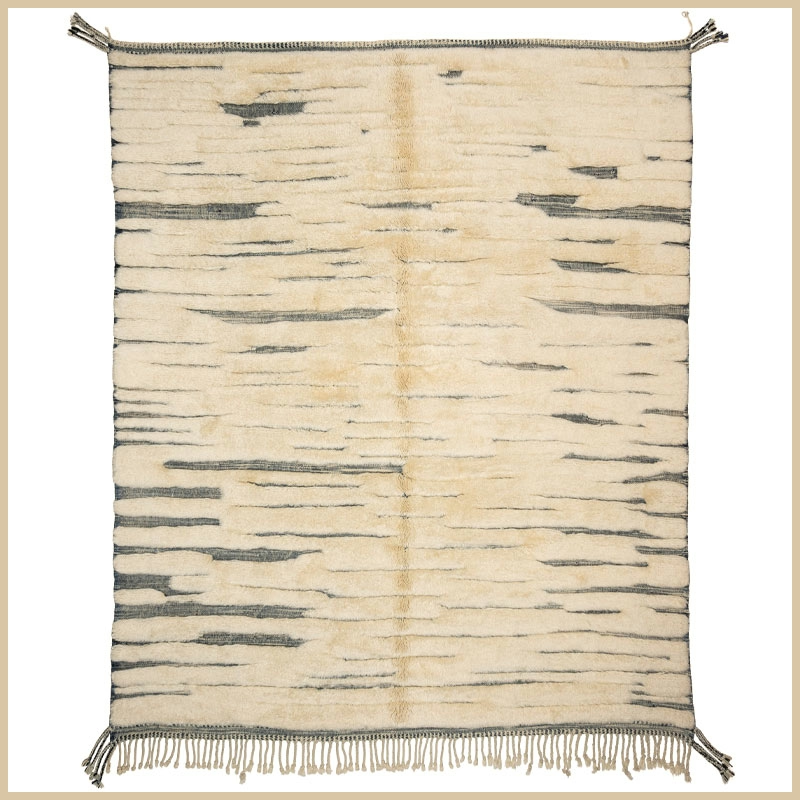
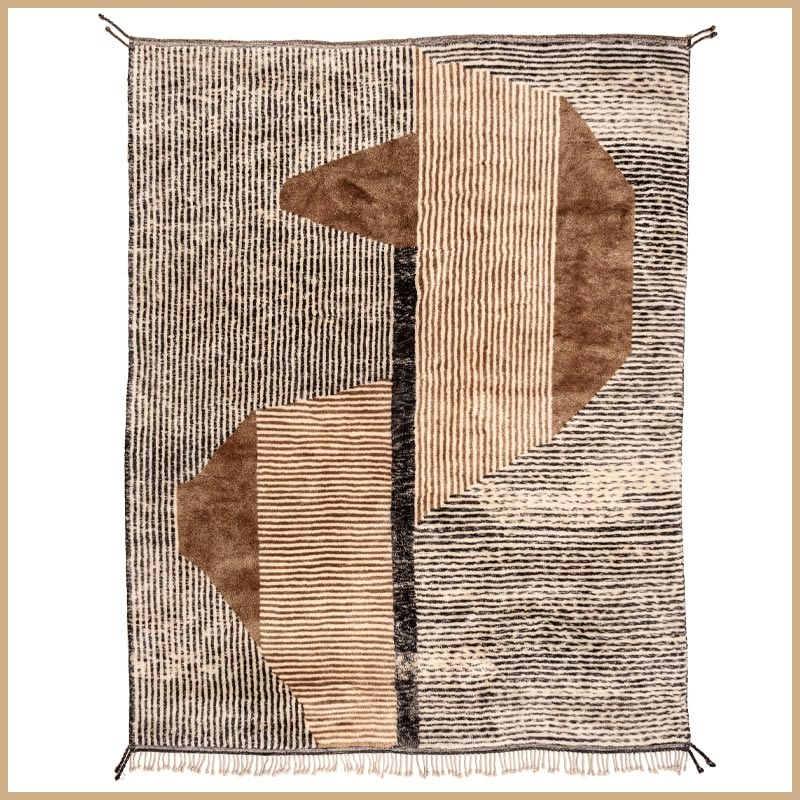
Currently in our collection
How to recognise moth damage
Look for irregular patches where the pile is thin or missing and the woven foundation shows through, usually in a spot covered by furniture. Run your hand over the area: tufts that come away with no resistance have been eaten through at the base. On the back of the rug you may find loose knots and grazed lines.
The other signs are small. Fine, sand-like grains in the colour of the wool are larval droppings. Silky webbing, or tiny tubes of fibre a few millimetres long, are where larvae have been living. The larvae themselves are cream-coloured and under half an inch long. Adult clothes moths are golden beige, about a quarter of an inch, and scuttle or flutter low instead of flying to the light.
First response: vacuum, light and air
Move the furniture and vacuum the whole rug slowly on both sides, then the floor beneath it and the rug pad. Pay attention to the edges and fringes. Empty the vacuum outside straight away, because eggs and larvae survive in the canister. This alone removes most of an early infestation.
Then take the rug outside on a dry, bright day. Hang it or lay it out, brush the affected areas gently, and give each side a few hours of sunlight. Larvae and eggs do not tolerate light, heat and disturbance well. Vacuum once more before bringing it in. Repeat the vacuuming weekly for a month, since eggs you missed hatch in that time.
Freezing and washing
A small rug can be frozen. Roll it, seal it in a plastic bag with as little air as possible, and leave it in a chest freezer at 0°F (minus 18°C) for at least a week. Let it return to room temperature inside the bag before unwrapping, so condensation forms on the plastic and not on the wool. Then vacuum it thoroughly.
For a large rug, or a heavy infestation, a full wash by a rug-cleaning specialist is the reliable cure. Washing flushes out eggs, larvae and the dirt that attracted them. Moth sprays for carpets exist; if you use one, choose a product labelled for wool rugs and follow the instructions to the letter, particularly in rooms used by children and pets.
Why moths choose one rug and not another
Clothes moths look for three things: wool, darkness and stillness. A rug in the middle of a room that is walked on and vacuumed is rarely touched. The part under a heavy sofa that has not moved in two years is ideal. So is a rug rolled up in an attic, or the strip along a wall behind a bookcase.
Soiling makes it worse. Larvae need more than clean wool to thrive, and spilled food, sweat and pet accidents supply it. A clean rug is far less attractive than a dirty one. That is the reason a rug should always be cleaned before it goes into storage.
Prevention that works
Vacuum under and behind furniture a few times a year, not only the open floor. Turn the rug through 180 degrees every six months so no area stays in the dark for good, and vacuum the back once or twice a year. Pheromone traps are useful as an alarm: they catch male moths and tell you there is a problem, but they do not end one. Cedar and lavender discourage moths only mildly and only while fresh.
Our rugs are hand-knotted in wool in Morocco, and wool is what moths eat, so these habits are worth keeping. This page shows the whole collection. Each rug is one of a kind, with its exact measurements on its own page. Delivery is free worldwide, duties and taxes included.
What you can verify about us
- Origin
- Made in MoroccoHand-knotted Berber rugs from the Atlas regions. Every rug is a one-off.
- Construction
- Hand-knotted woolVerified at every stage — never machine-tufted.
- Delivery
- Duties includedFree shipping; import duties and taxes are included in the price.
- Returns
- 14 daysIn condition received, full refund of the purchase price.
Frequently Asked
Questions
- How do I know if my wool rug has moths?
- Look under furniture for patches of missing pile, tufts that pull out easily, sand-like grit, silky webbing or small cream larvae.
- How do I get rid of moths in a wool rug?
- Vacuum both sides, the floor and the pad thoroughly, expose the rug to sunlight, and repeat weekly for a month. Freeze a small rug for a week, or have a large one washed by a specialist.
- Do moth traps protect a rug?
- They warn you. Pheromone traps catch male moths and show that moths are present, but they do not stop larvae that are already feeding.
- Can moth damage be repaired?
- Often, yes. A rug restorer can reknot missing pile. Small areas are straightforward; large ones are a bigger job.

The person behind the piece
“Before you buy, I’ll send you a video of the actual rug in natural light — not a stock photo. I answer the messages myself.”
I’m Youssef. I started ARINID because this market is full of middlemen and machine-made imitations sold as the real thing — and I grew up close enough to the looms to know the difference.
Every piece we list is a one-off, hand-knotted in Morocco. If you want to talk through sizing for your room, I’m on the other end of the message. A rug at this level is a thirty-year decision. You should be able to look the person selling it to you in the eye.
Youssef
Founder, ARINID
The next step
See every rug we currently offer
Each piece is hand-knotted in Morocco and delivered to your door, with shipping, duties and taxes included.