Japandi Rug: Muted Earth Tones in Hand-Knotted Wool
Last updated
A japandi rug is chosen as much for what it leaves out as for what it has. Japandi joins two traditions that prize restraint: the Japanese liking for low furniture, natural materials and things that show their making, and the Scandinavian liking for light, comfort and plain form. The result is a room with few objects, each one considered. A rug in that room should be calm in colour, rich in texture and honest about being made by hand. The rugs on this page are knotted in Morocco in sand, taupe, camel, sage, olive, grey and charcoal.
From the Atelier
Japandi Rug currently in our collection 75
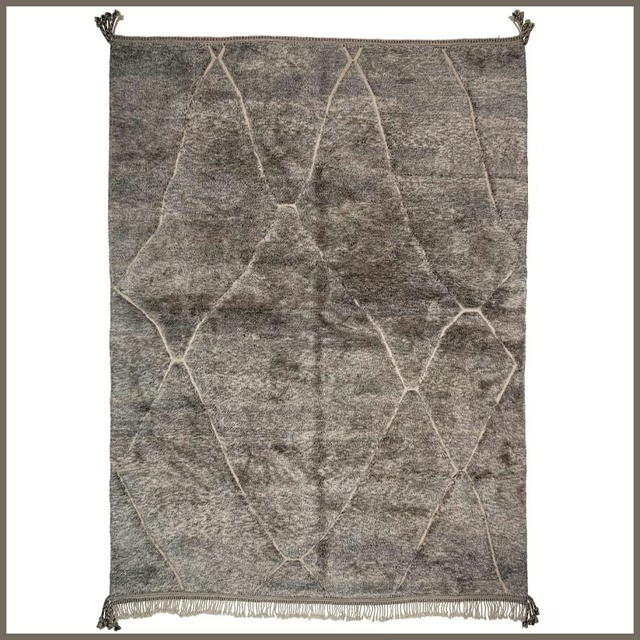
Beni Mrirt "Grey Lattice"
404 × 300 cm
€4,756
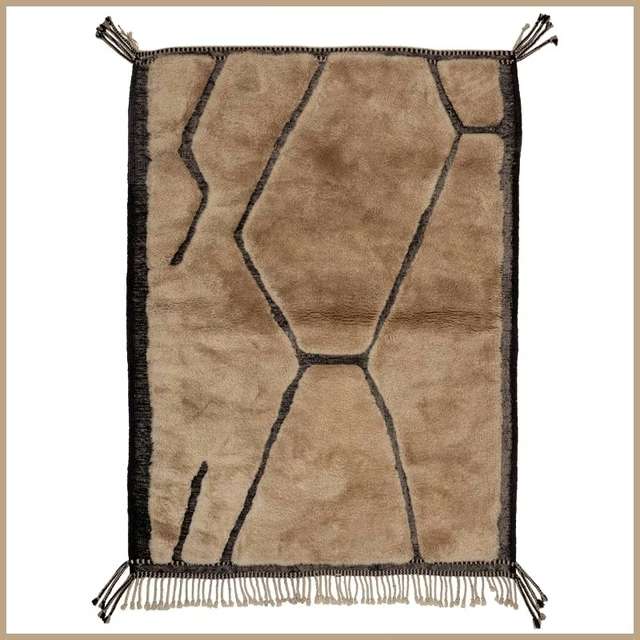
Beni Mrirt "Taupe Lattice"
199 × 147 cm
€1,818
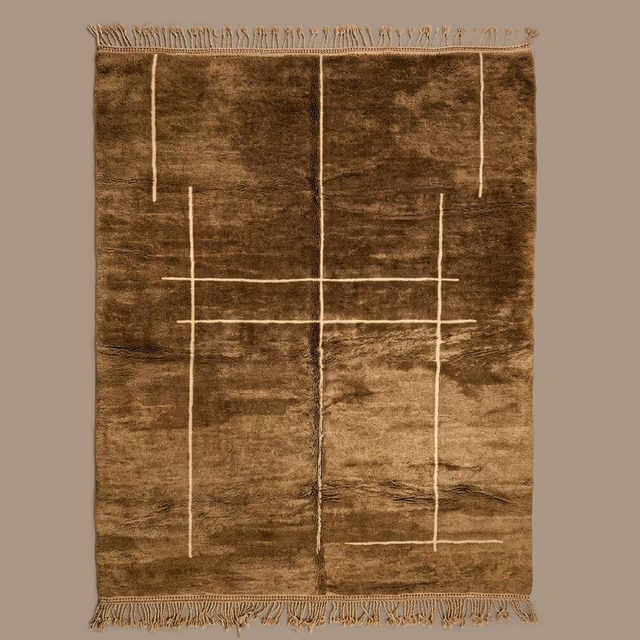
Beni Mrirt "Monumental Grid"
413 × 317 cm
€6,997
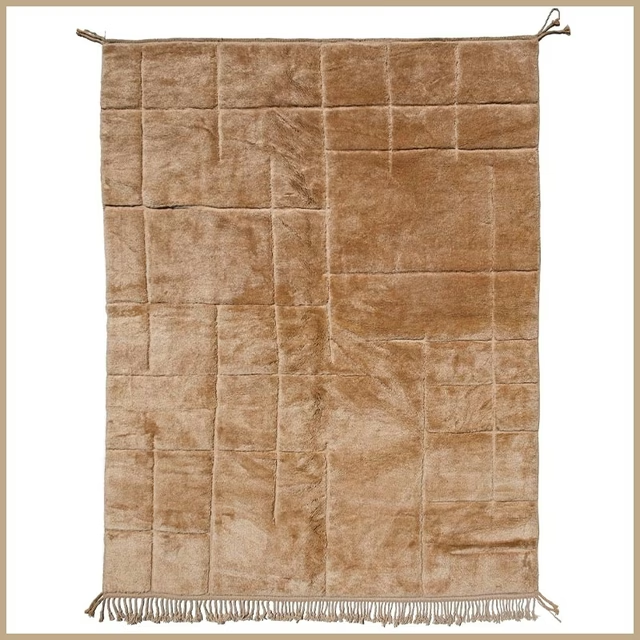
Beni Mrirt "Highland Weave"
400 × 300 cm
€4,801
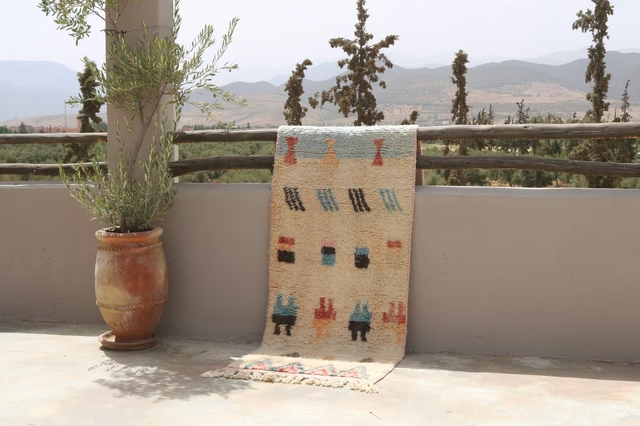
Azilal "Village Figures"
300 × 80 cm
€1,547
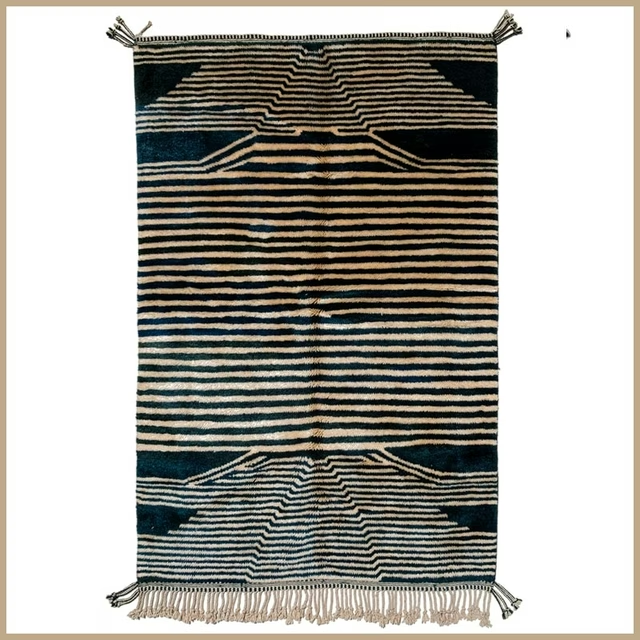
Beni Mrirt "Linear Shadow"
250 × 150 cm
€1,883
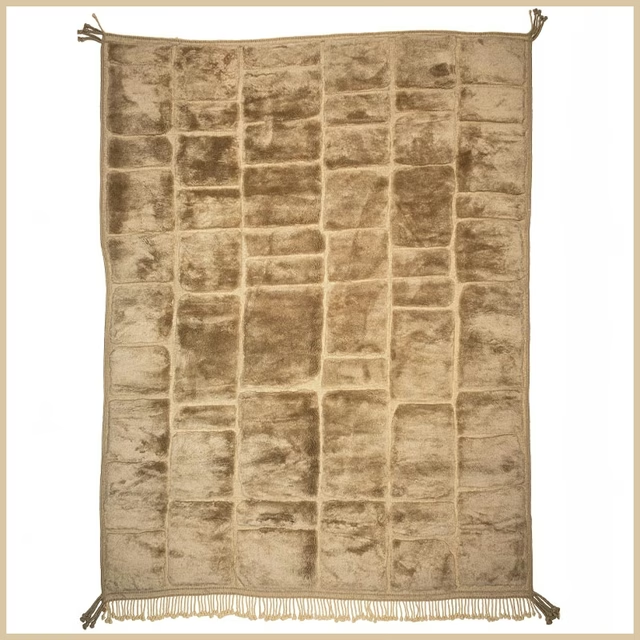
Beni Mrirt "Grand Camel"
406 × 311 cm
€5,978
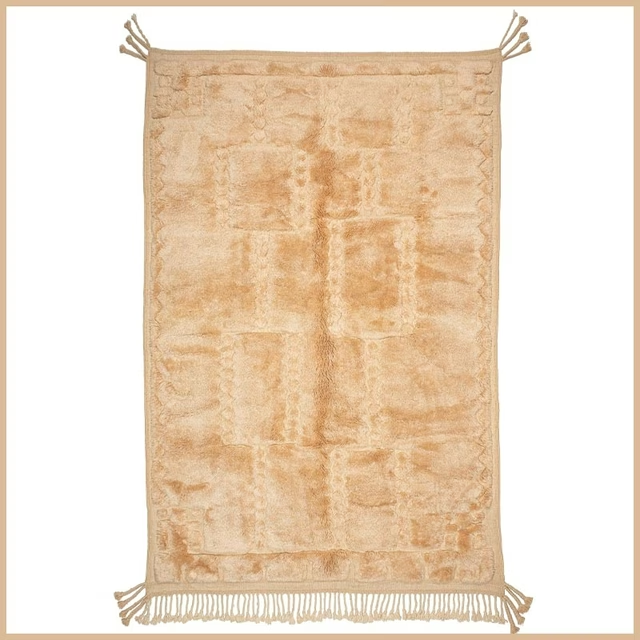
Beni Mrirt "Taupe Classic"
307 × 200 cm
€2,695
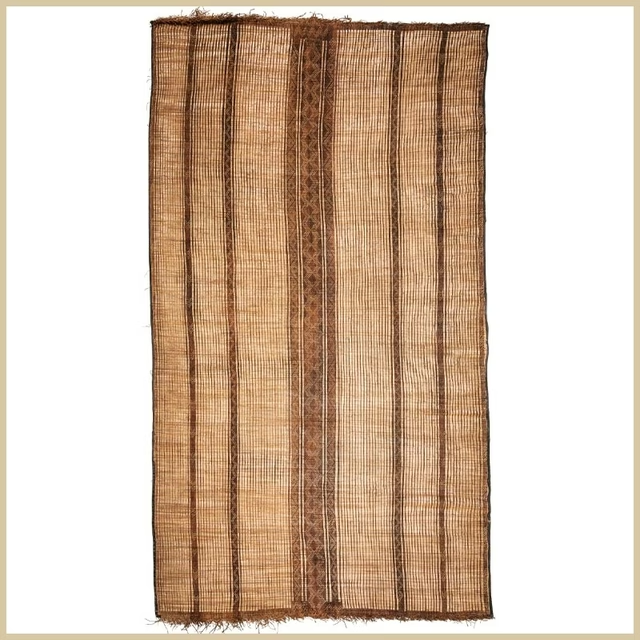
Tuareg "Desert Nomad"
390 × 220 cm
€7,180
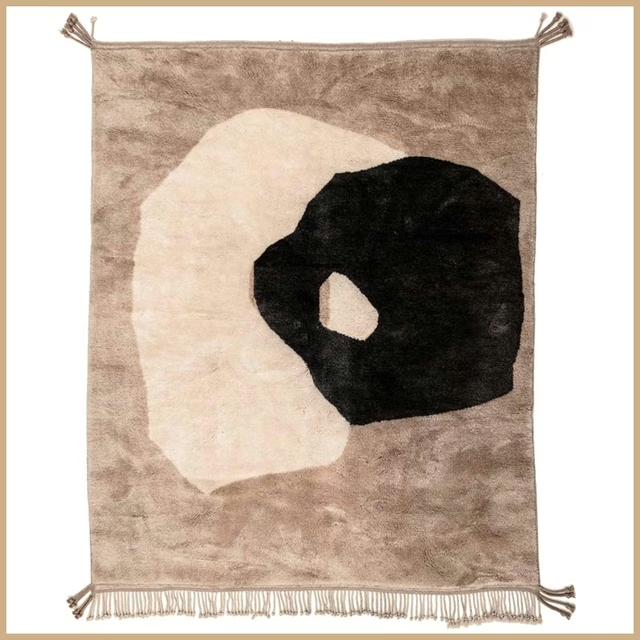
Beni Mrirt "Graphic Taupe"
320 × 250 cm
€3,982
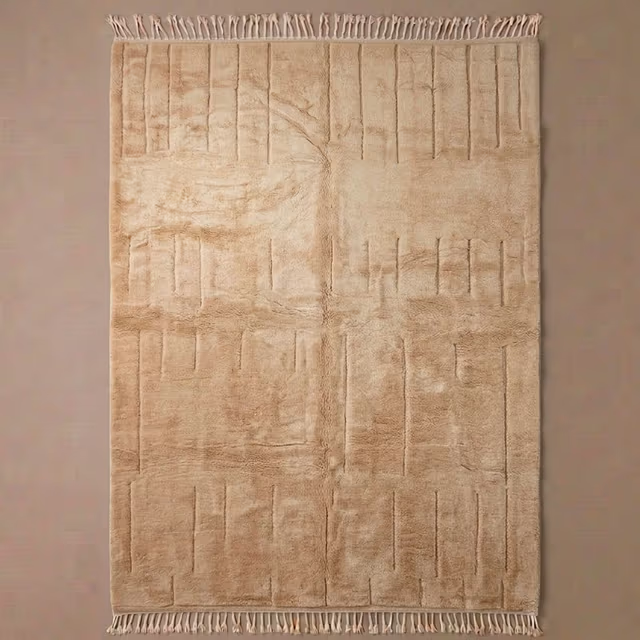
Beni Mrirt "Monumental Linen"
467 × 364 cm
€8,997
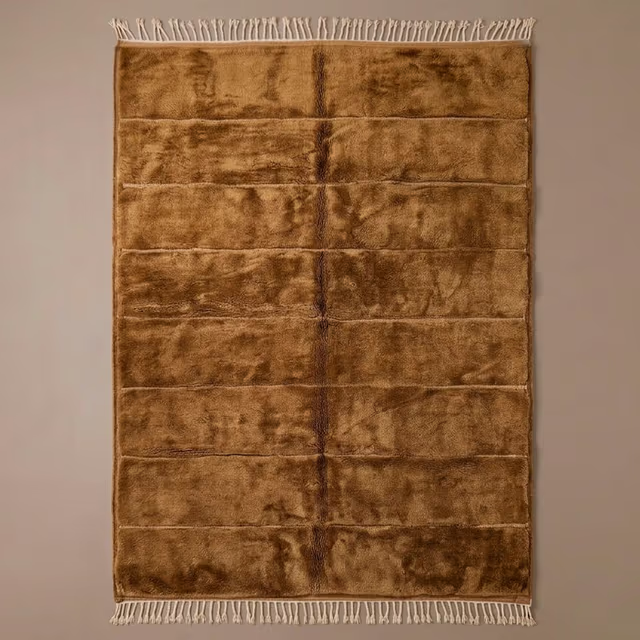
Beni Mrirt "Caramel Passage"
420 × 305 cm
€5,997
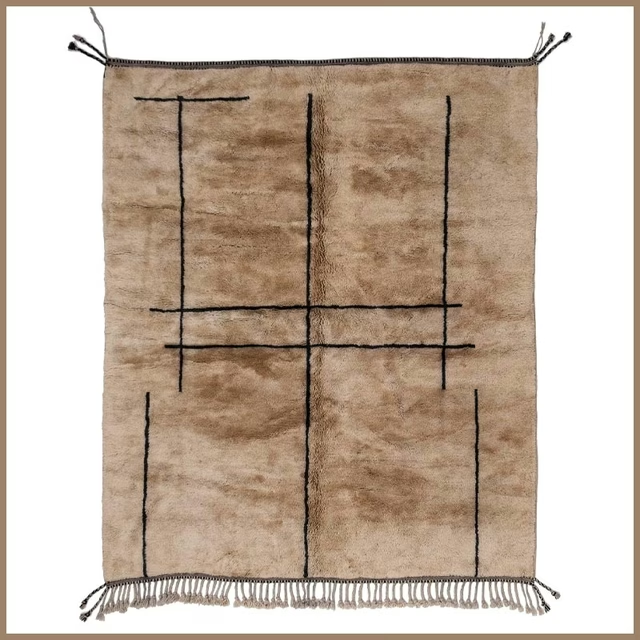
Beni Mrirt "Bold Taupe"
300 × 250 cm
€3,215
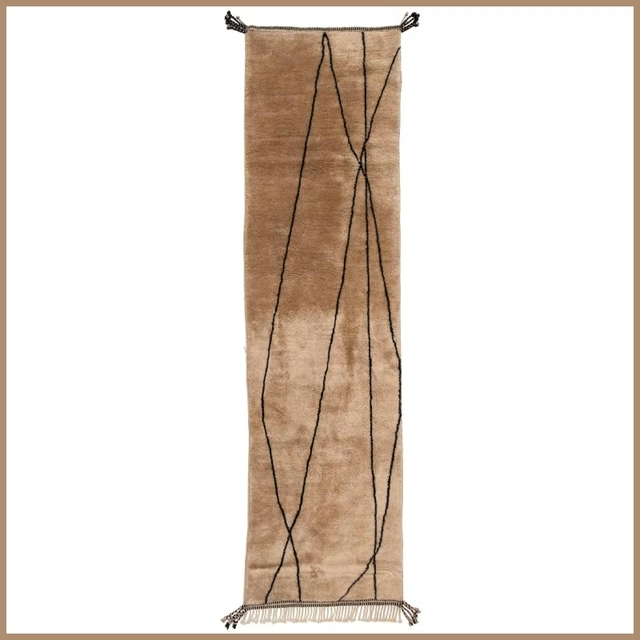
Beni Mrirt "Narrow Taupe"
400 × 100 cm
€1,974
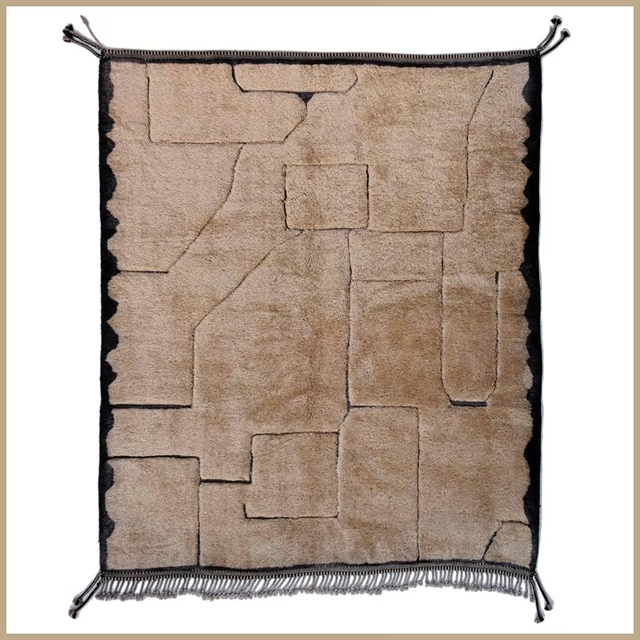
Beni Mrirt "Taupe Graphic"
300 × 250 cm
€3,215
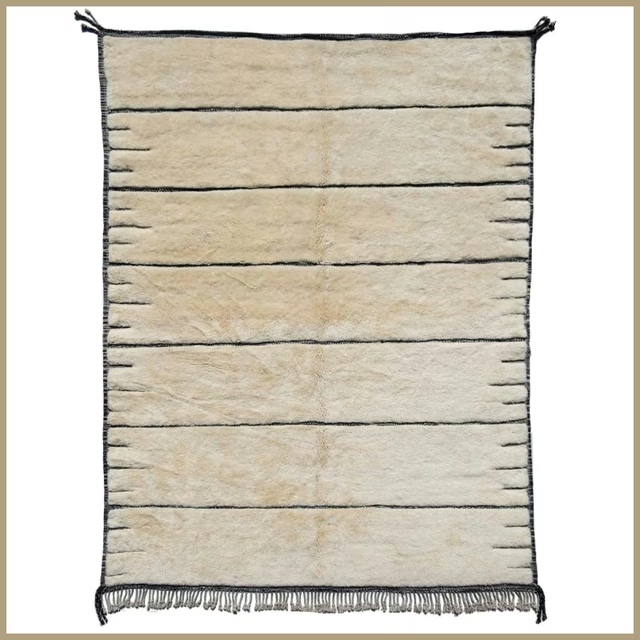
Beni Mrirt "Neutral Linear"
400 × 300 cm
€4,847
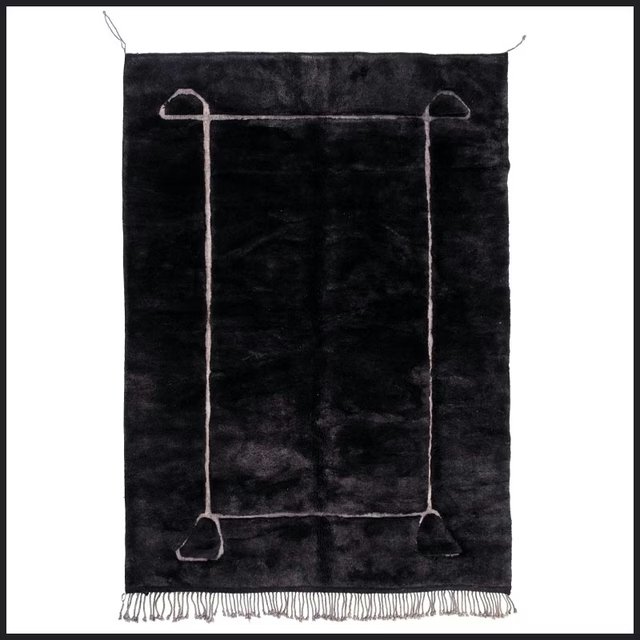
Beni Mrirt "Minimalist Stone"
350 × 250 cm
€3,670
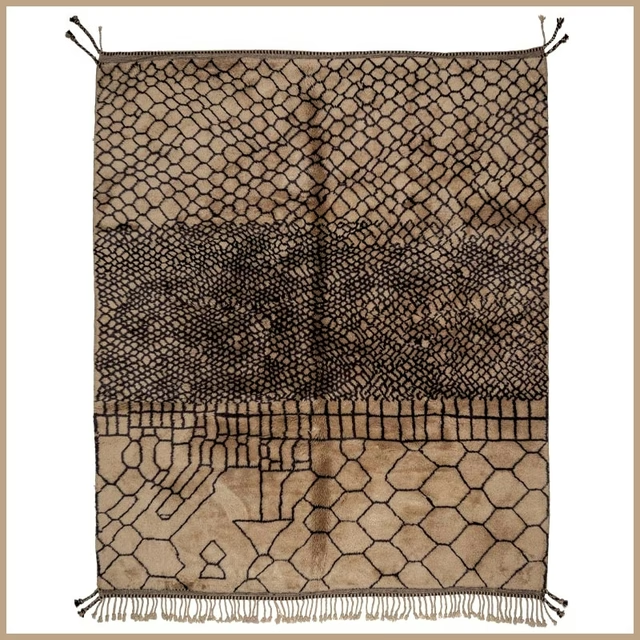
Beni Mrirt "Ornate Taupe"
308 × 253 cm
€3,280
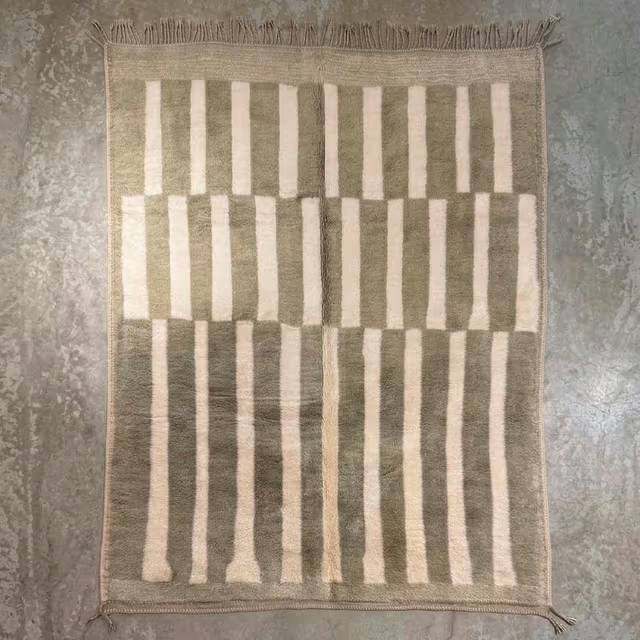
Beni Mrirt "Striped Sage"
309 × 270 cm
€4,297
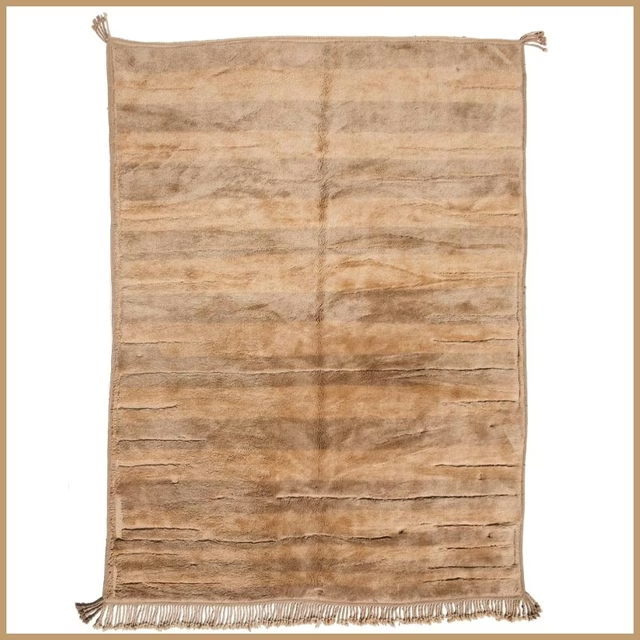
Beni Mrirt "Linear Taupe"
400 × 300 cm
€4,847
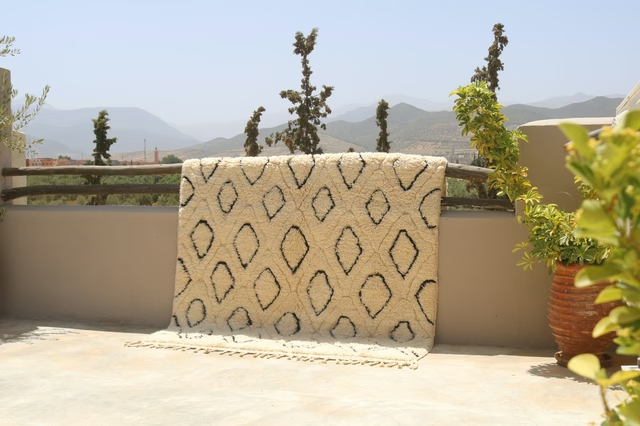
Beni Ouarain "Charcoal Diamonds"
300 × 200 cm
€1,797
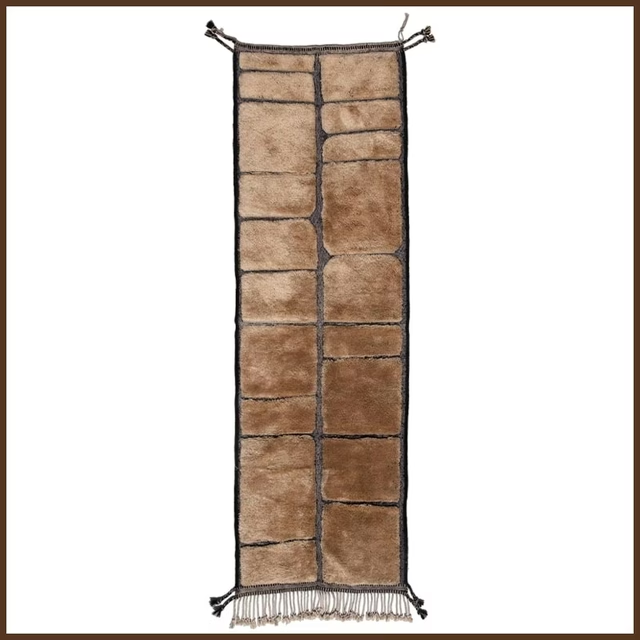
Beni Mrirt "Taupe Path"
300 × 95 cm
€1,564
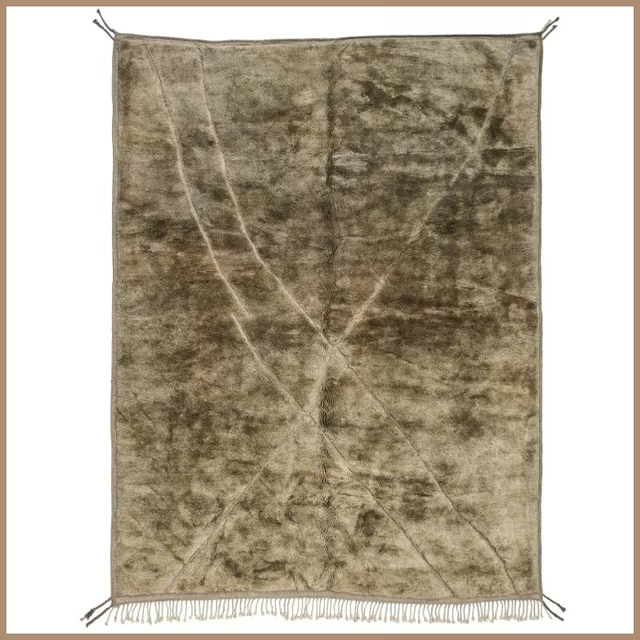
Beni Mrirt "Olive Minimal"
400 × 300 cm
€4,769
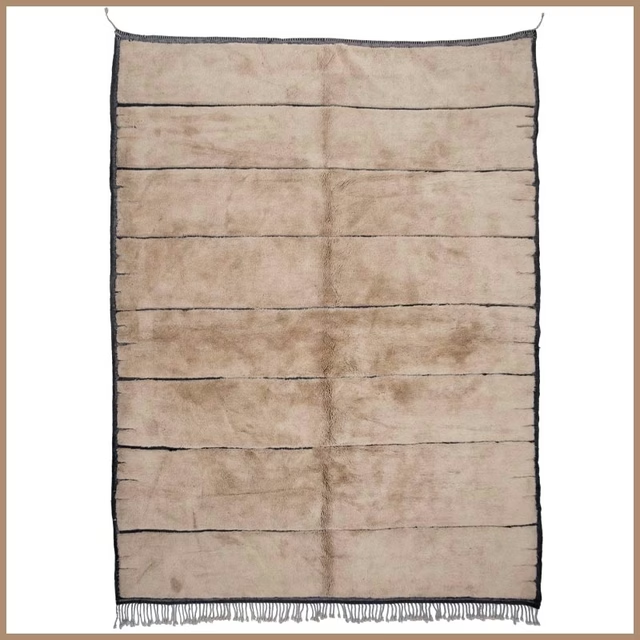
Beni Mrirt "Neutral Vertical"
300 × 400 cm
€4,827
Show all 75
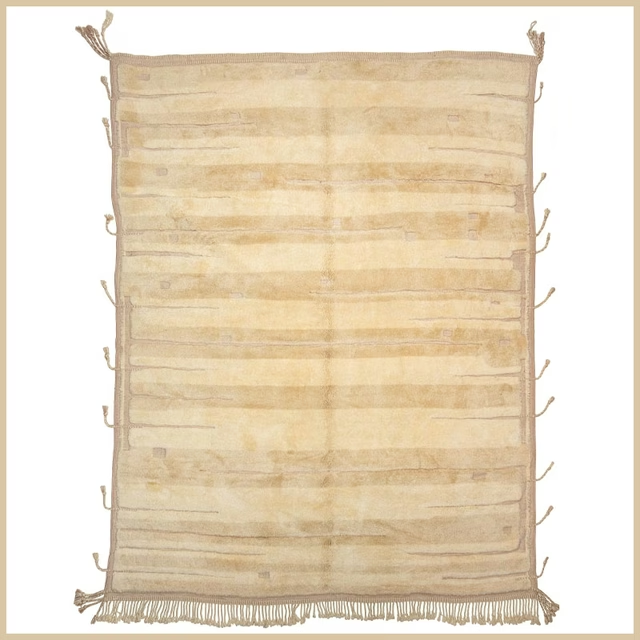
Beni Mrirt "Grand Taupe"
410 × 312 cm
€6,049
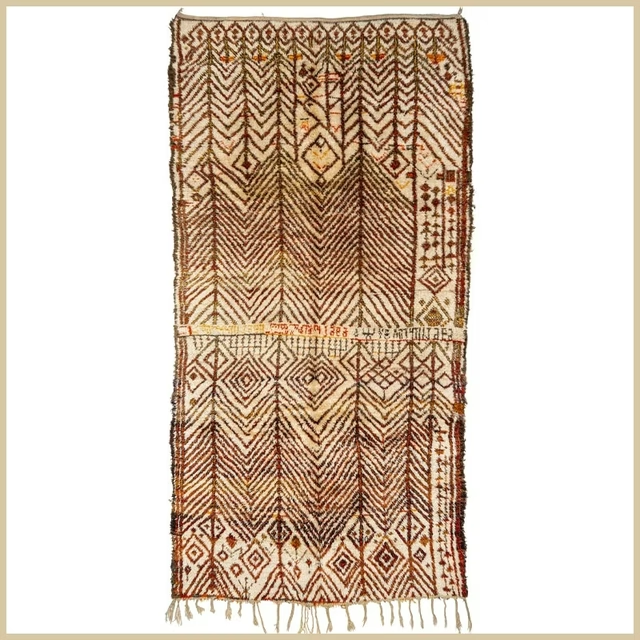
Ouarain "Grand Ornate"
366 × 191 cm
€4,710
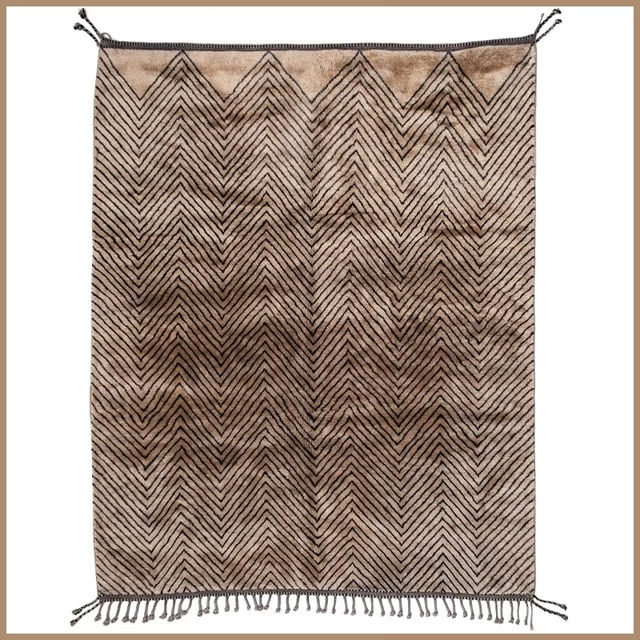
Beni Mrirt "Taupe Grid"
300 × 250 cm
€3,222
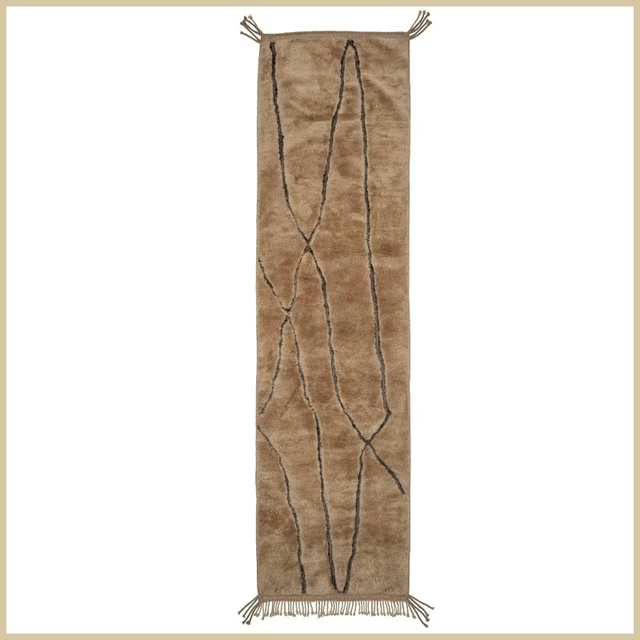
Beni Mrirt "Taupe Runner"
411 × 111 cm
€2,513
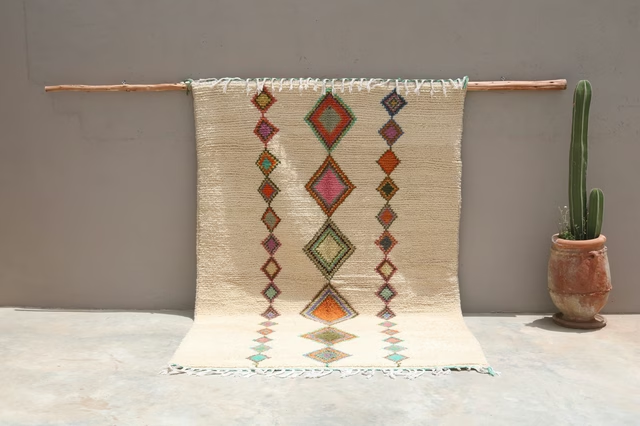
Azilal "Diamond Chain"
300 × 197 cm
€1,797
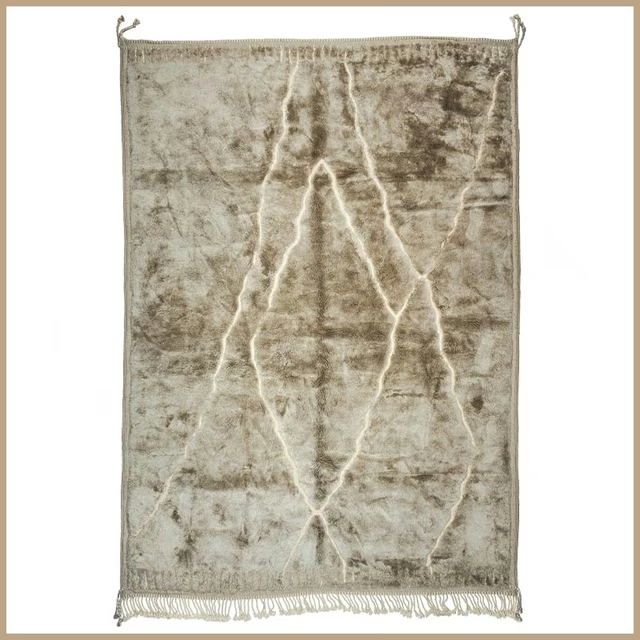
Beni Mrirt "Sage Highland"
423 × 302 cm
€6,075
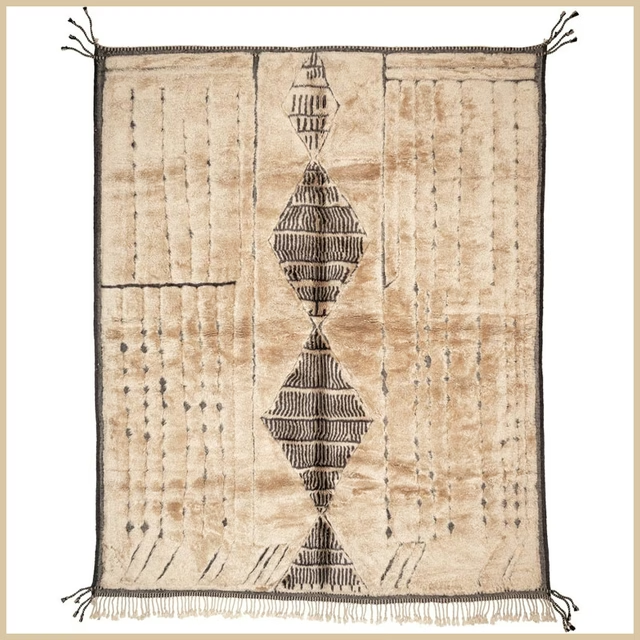
Beni Mrirt "Warm Symbols"
307 × 250 cm
€3,215
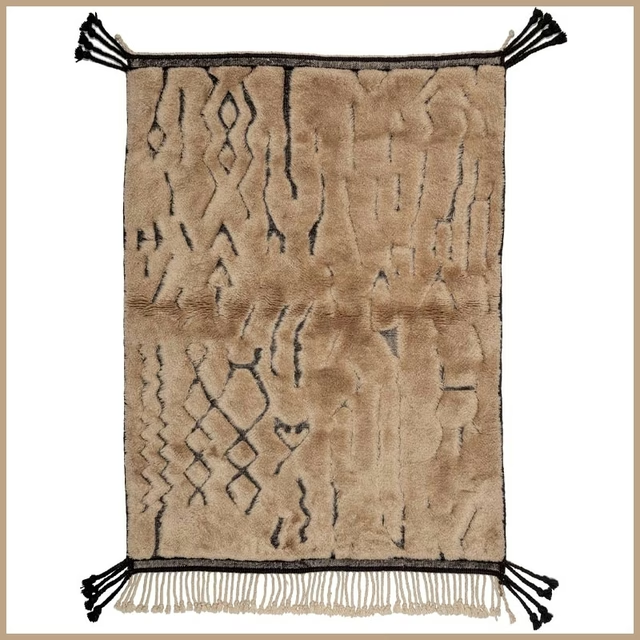
Beni Mrirt "Taupe Symbols"
182 × 134 cm
€1,603
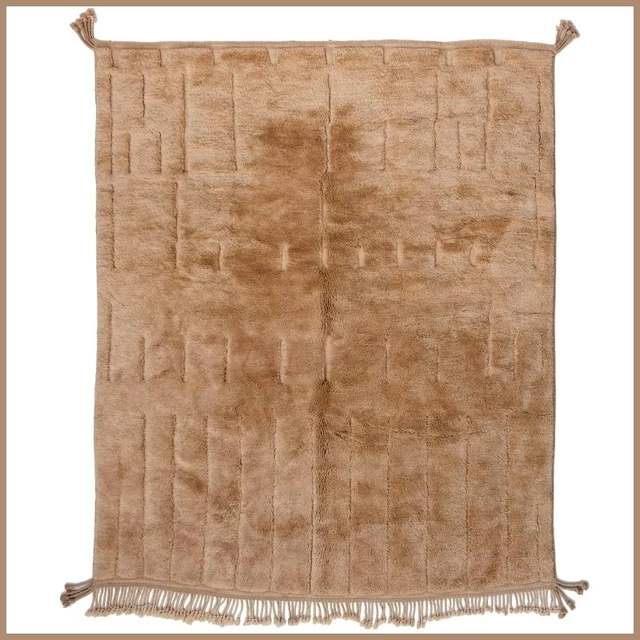
Beni Mrirt "Taupe Expression"
320 × 250 cm
€3,410
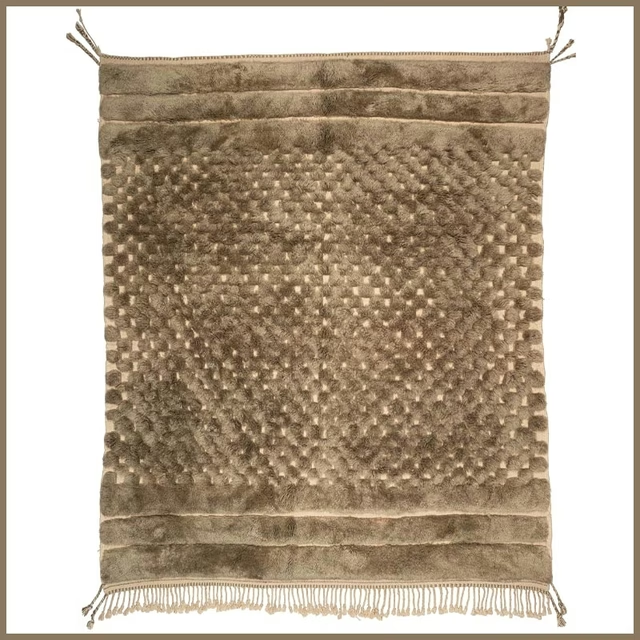
Beni Mrirt "Minimal Taupe"
311 × 254 cm
€3,293
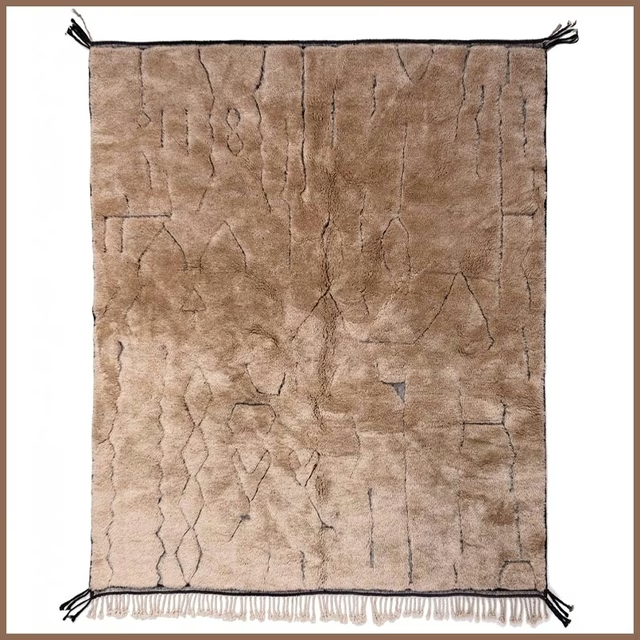
Beni Mrirt "Taupe Heritage"
300 × 260 cm
€3,898
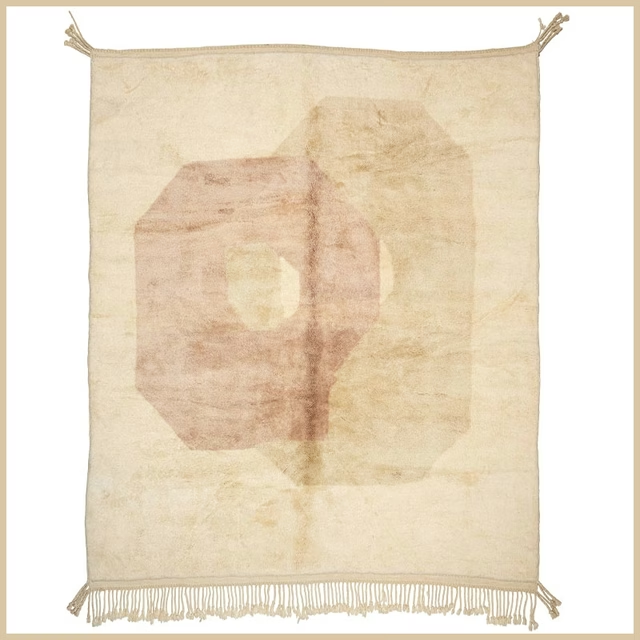
Beni Mrirt "Mountain Graphic"
€3,952
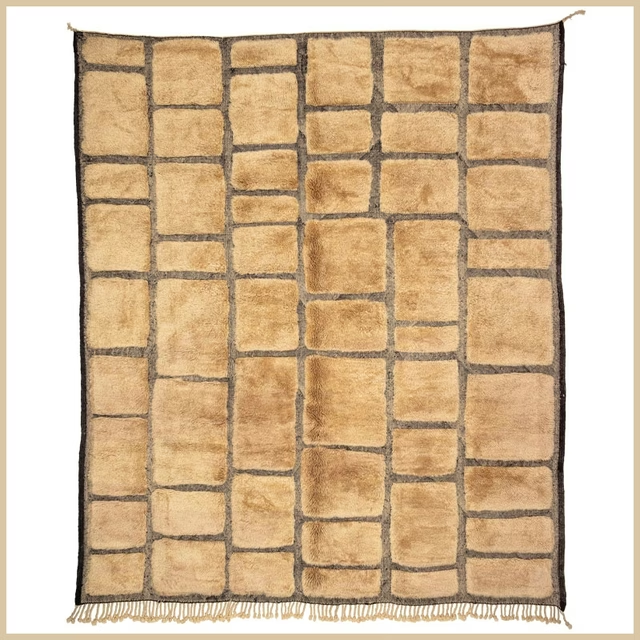
Beni Mrirt "Woven Camel"
297 × 253 cm
€3,891
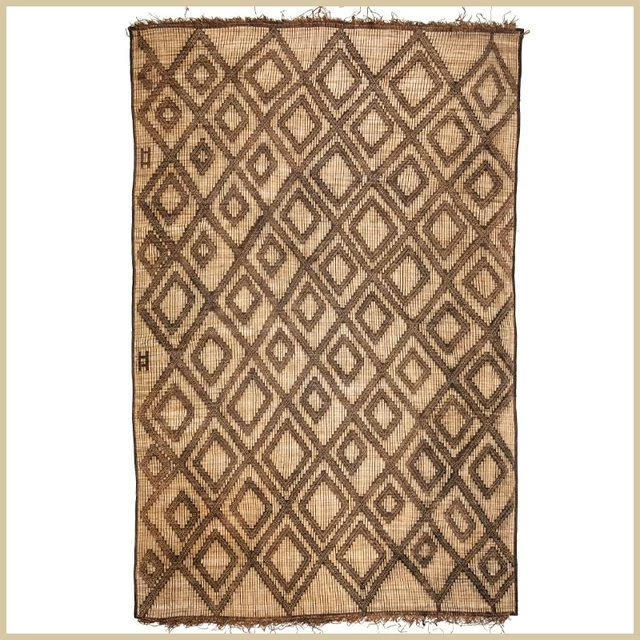
Tuareg "Sahara Weave"
379 × 242 cm
€7,642
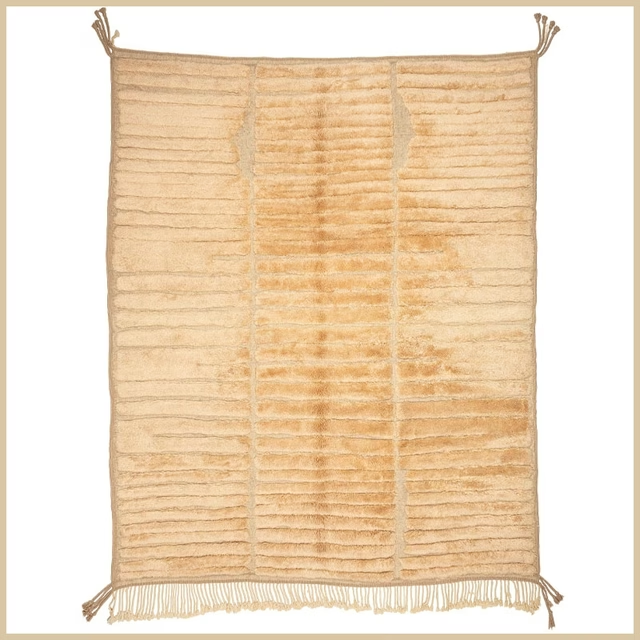
Beni Mrirt "Soft Linear"
309 × 250 cm
€3,872
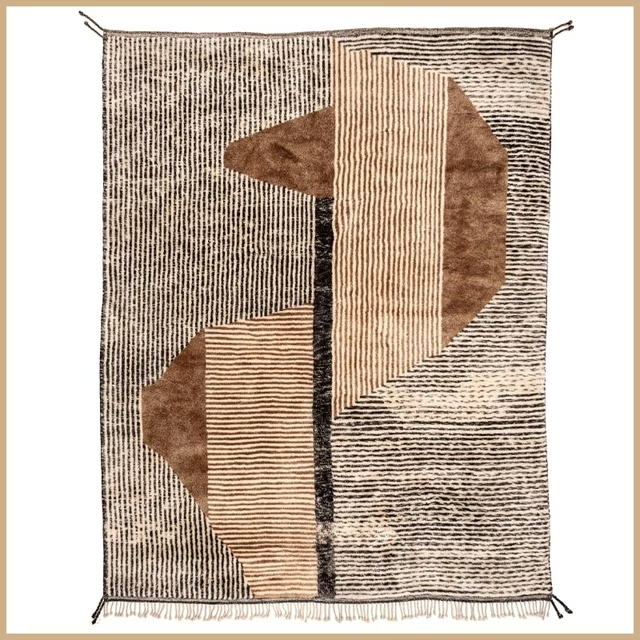
Beni Mrirt "Prestige Graphic"
400 × 300 cm
€5,698
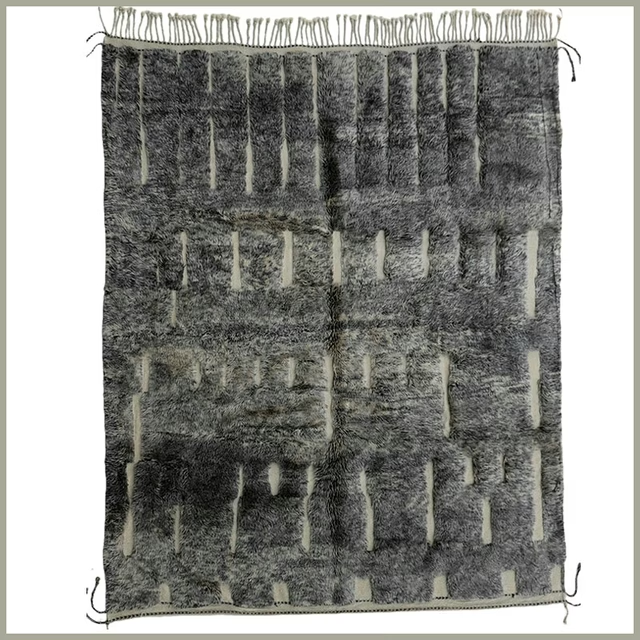
Beni Mrirt "Charcoal Weave"
302 × 242 cm
€3,768
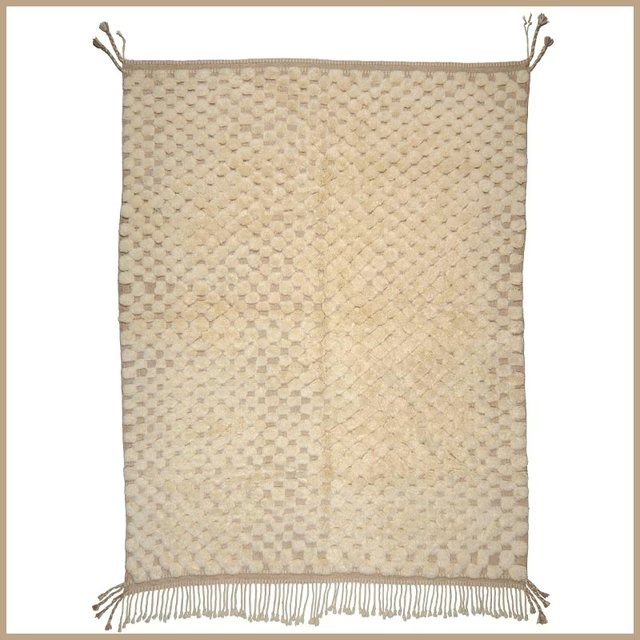
Beni Mrirt "Highland Beige"
326 × 248 cm
€4,041
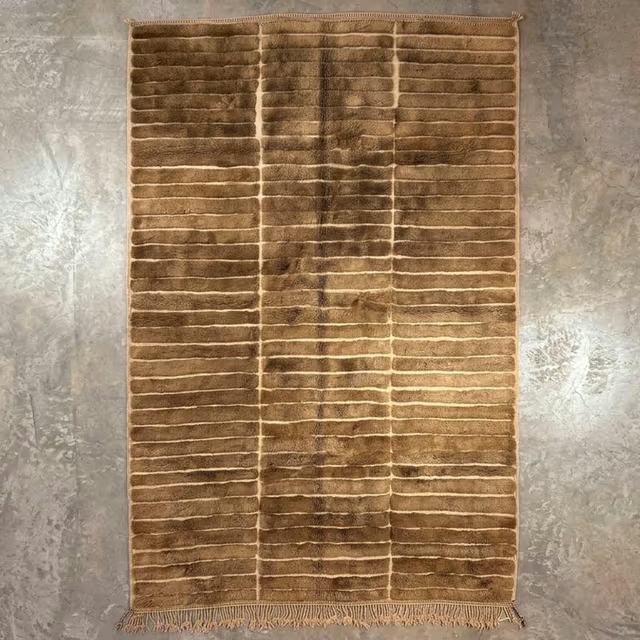
Beni Mrirt "Monumental Weave"
422 × 308 cm
€5,997
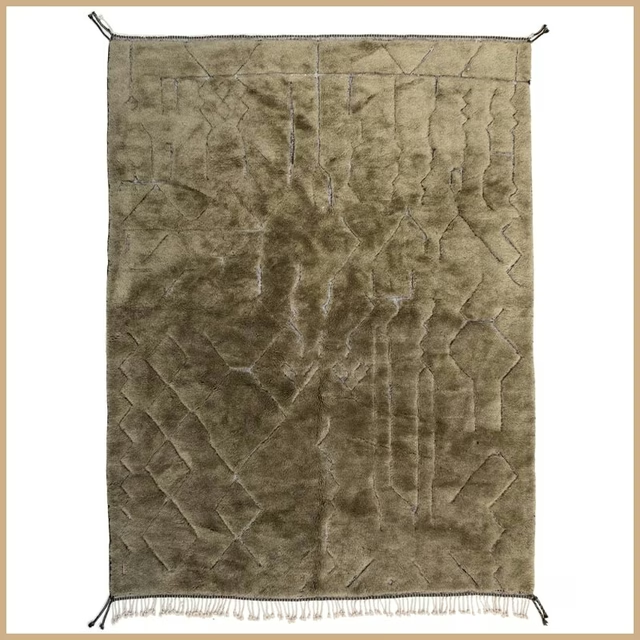
Beni Mrirt "Olive Mountain"
430 × 310 cm
€6,270
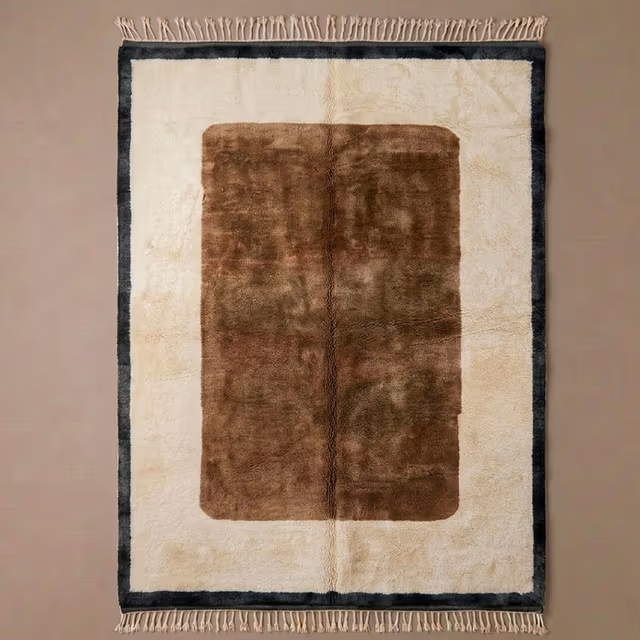
Beni Mrirt "Centered Field"
406 × 321 cm
€5,997
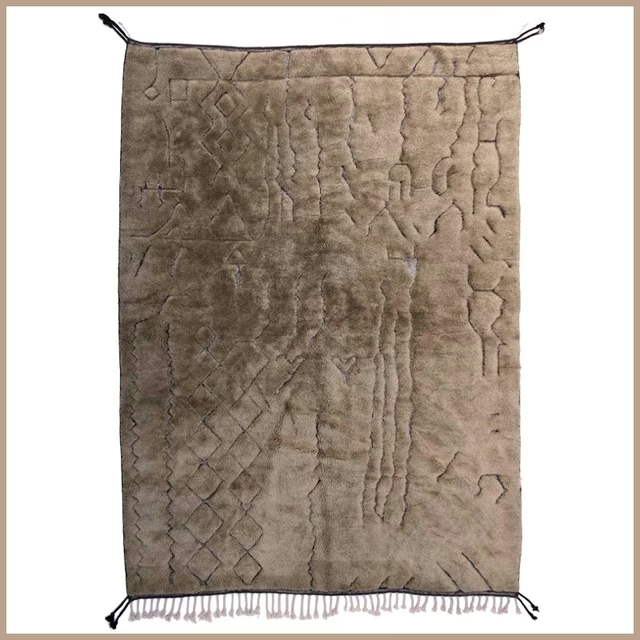
Beni Mrirt "Taupe Ornate"
320 × 250 cm
€3,982
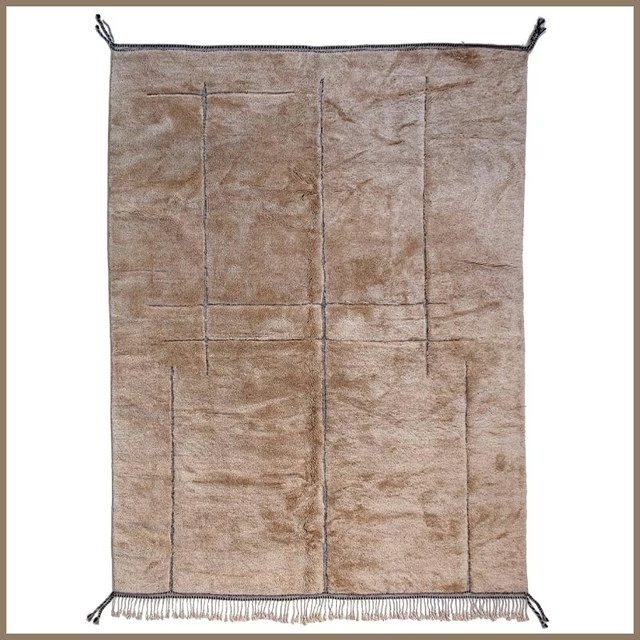
Beni Mrirt "Prestige Taupe"
420 × 315 cm
€5,237
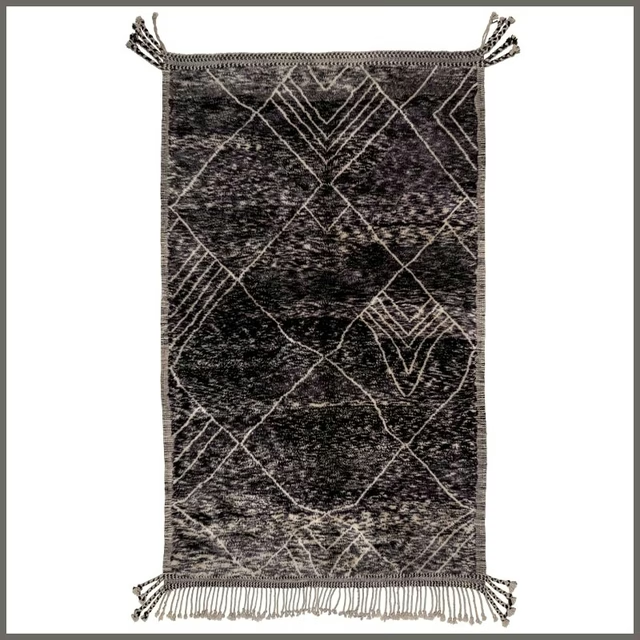
Beni Mrirt "Stone Lattice"
258 × 157 cm
€2,305
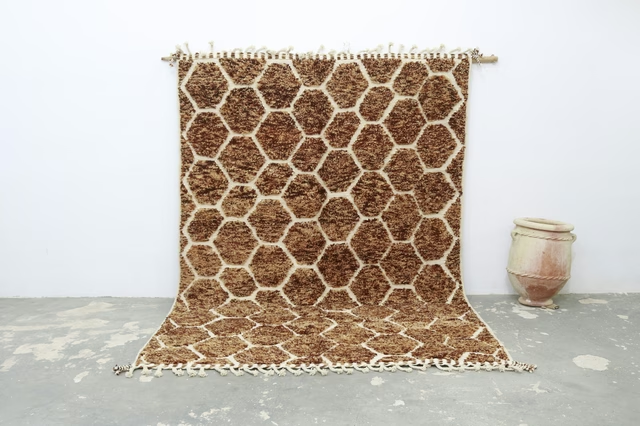
Azilal "Honeycomb Earth"
300 × 210 cm
€1,547
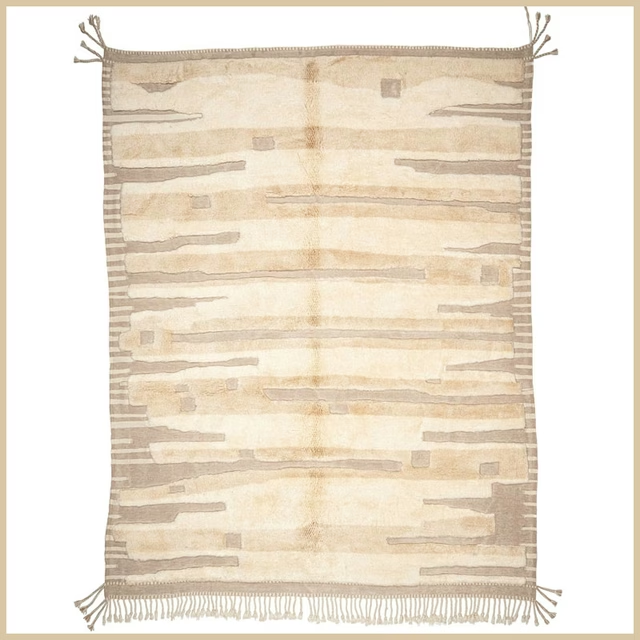
Beni Mrirt "Neutral Lines"
318 × 245 cm
€3,254
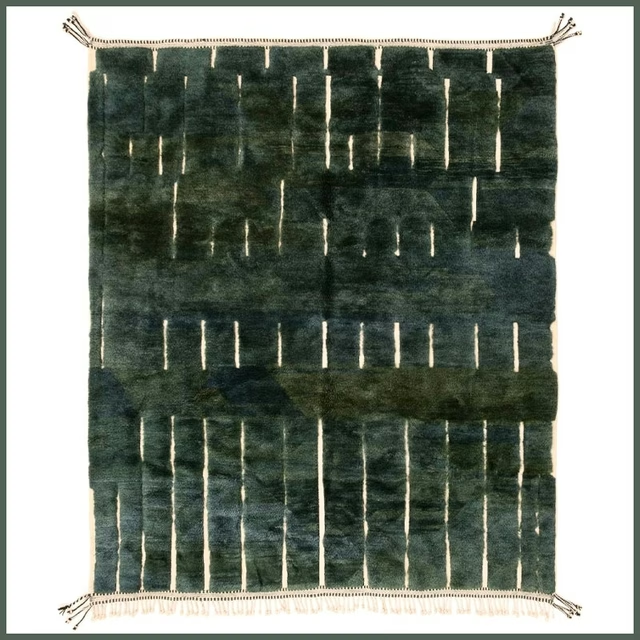
Beni Mrirt "Cedar Lines"
320 × 260 cm
€4,119
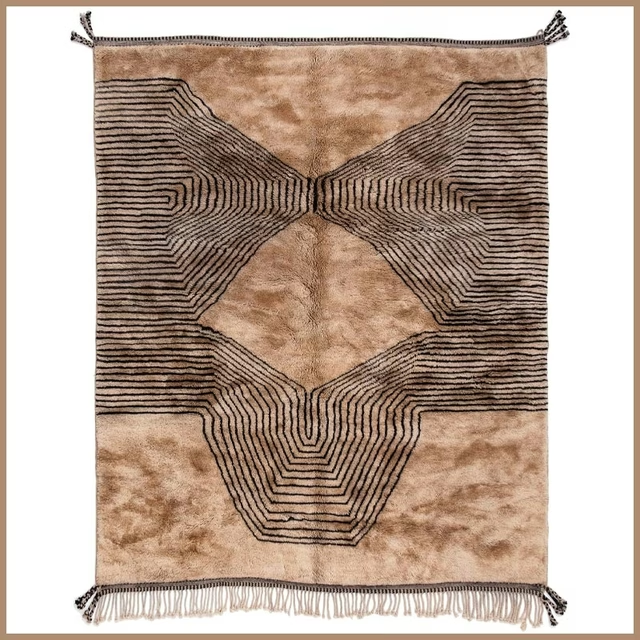
Beni Mrirt "Taupe Mountains"
310 × 255 cm
€3,365
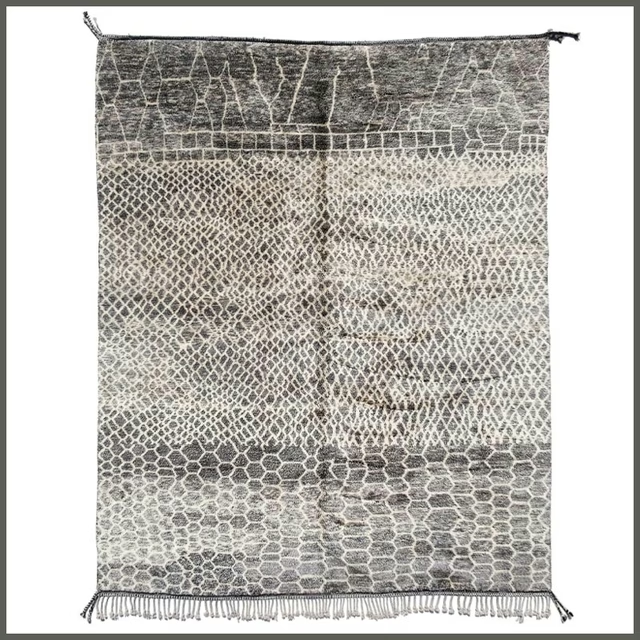
Beni Mrirt "Midnight Ornament"
400 × 300 cm
€4,847
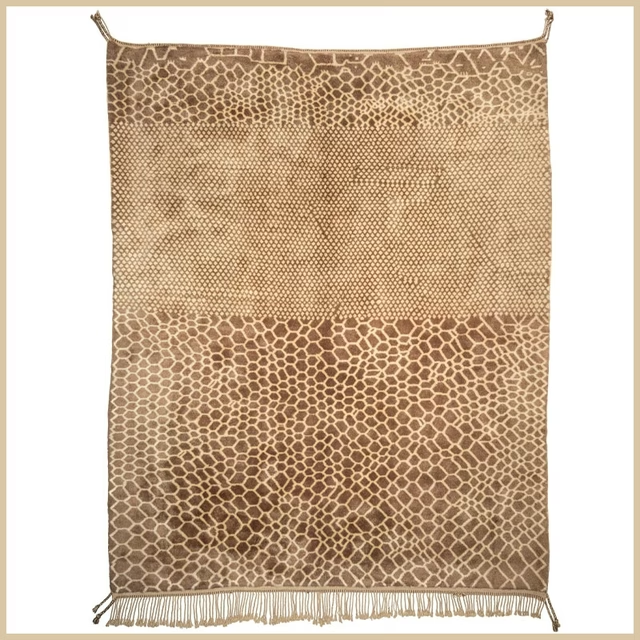
Beni Mrirt "Grand Ornate Taupe"
390 × 313 cm
€5,796
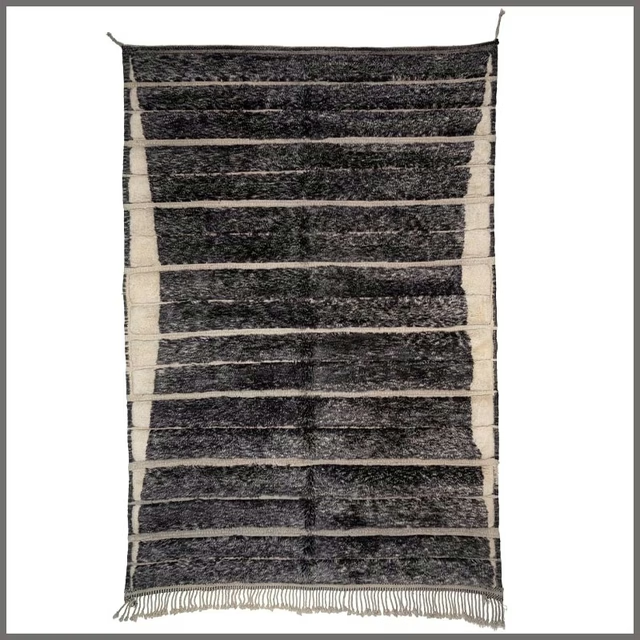
Beni Mrirt "Graphite Lines"
376 × 255 cm
€3,898
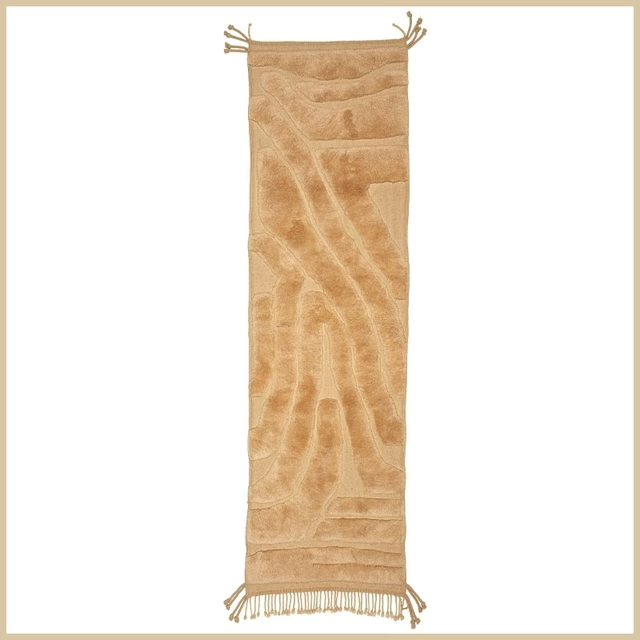
Beni Mrirt "Camel Runner"
296 × 86 cm
€1,642
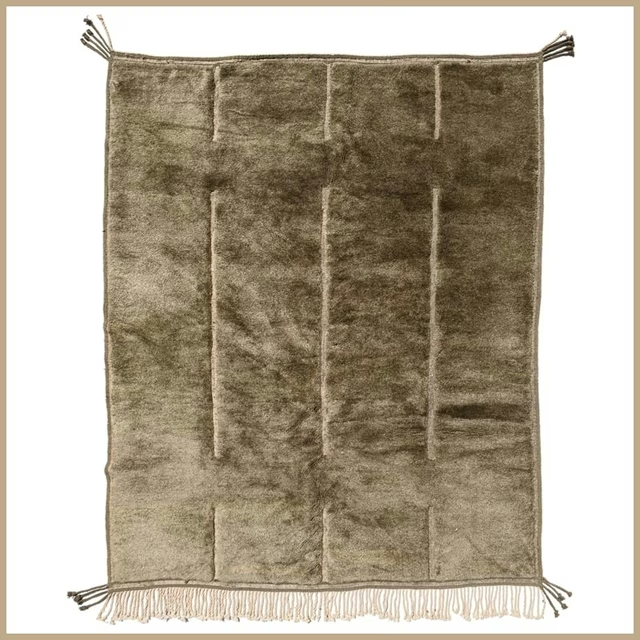
Beni Mrirt "Olive Graphics"
320 × 270 cm
€3,612
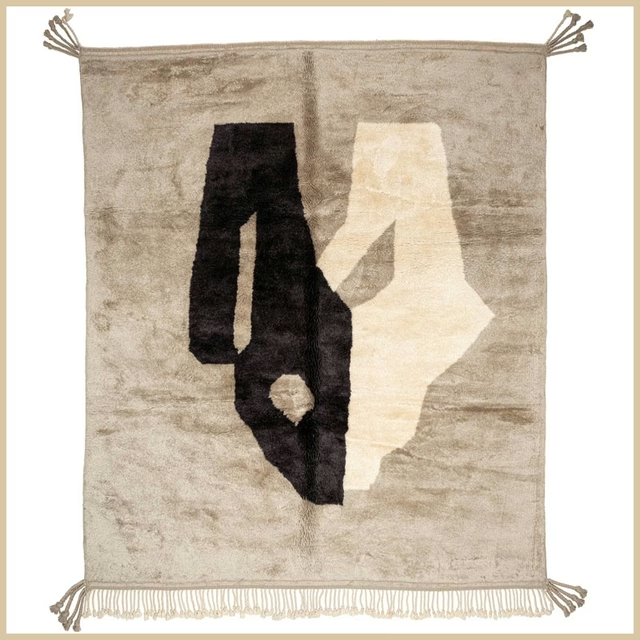
Beni Mrirt "Charcoal Canvas"
292 × 244 cm
€3,027
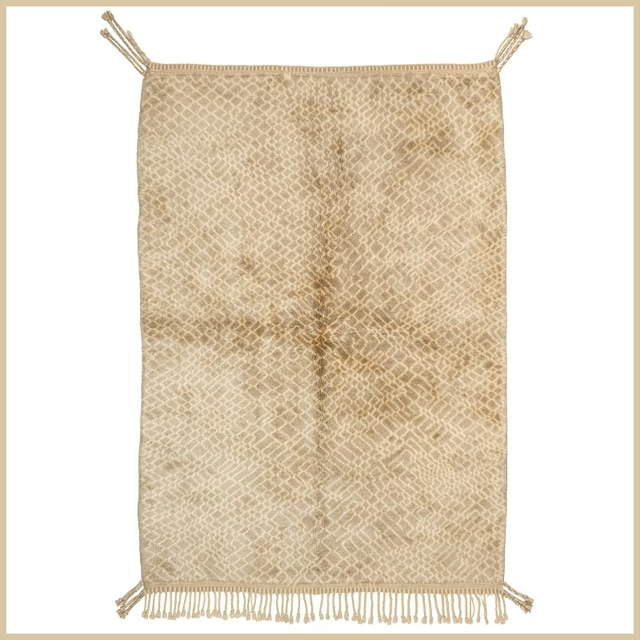
Beni Mrirt "Taupe Weave"
253 × 176 cm
€2,464
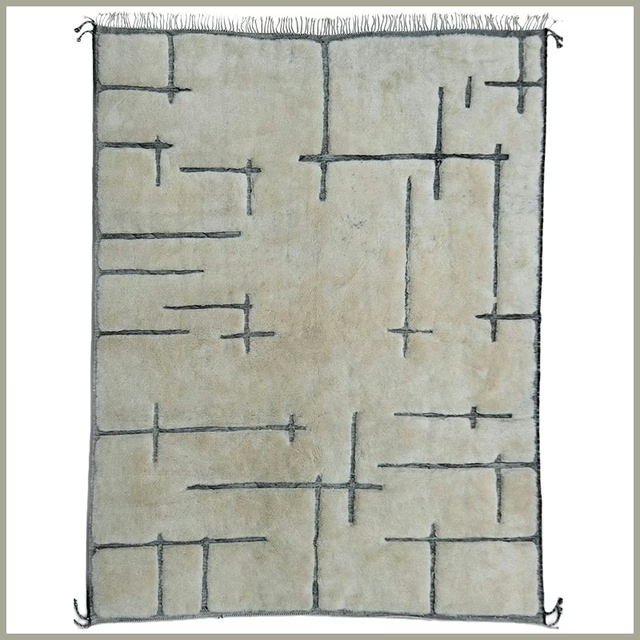
Beni Mrirt "Warm Neutral"
394 × 305 cm
€5,837
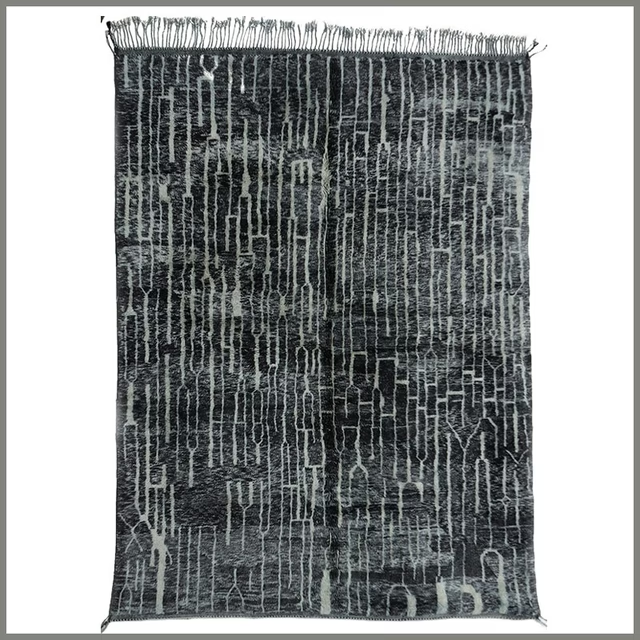
Beni Mrirt "Slate Path"
405 × 300 cm
€5,861
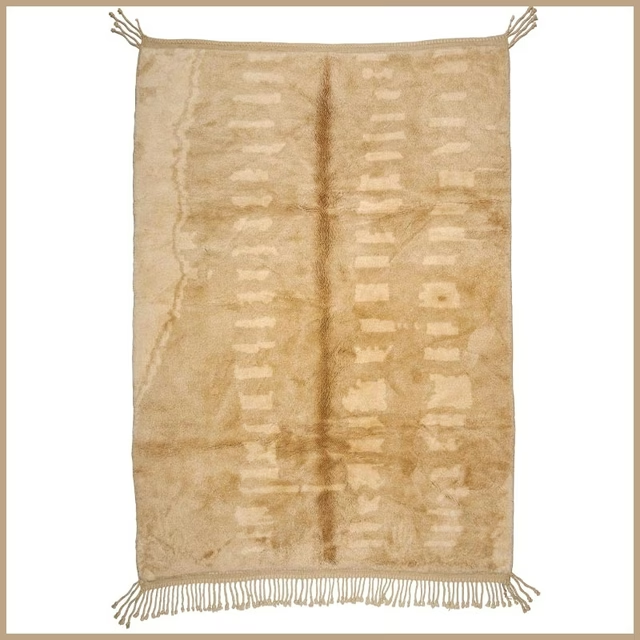
Beni Mrirt "Woven Taupe"
308 × 215 cm
€3,410
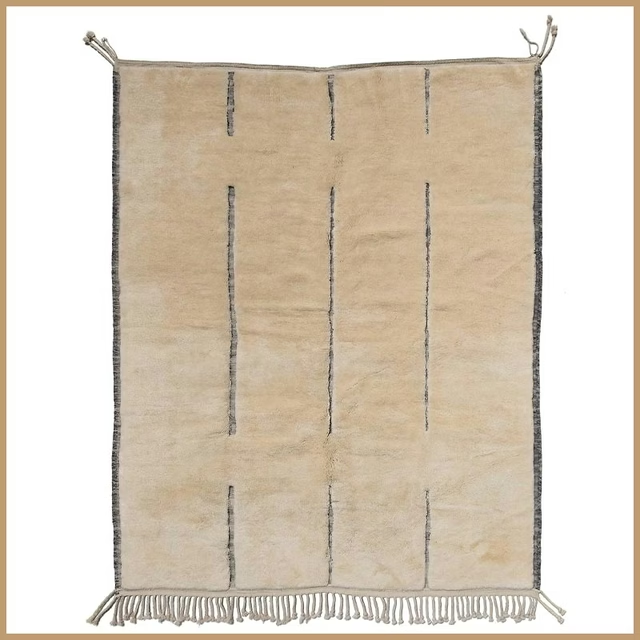
Beni Mrirt "Linear Beige"
320 × 250 cm
€3,410
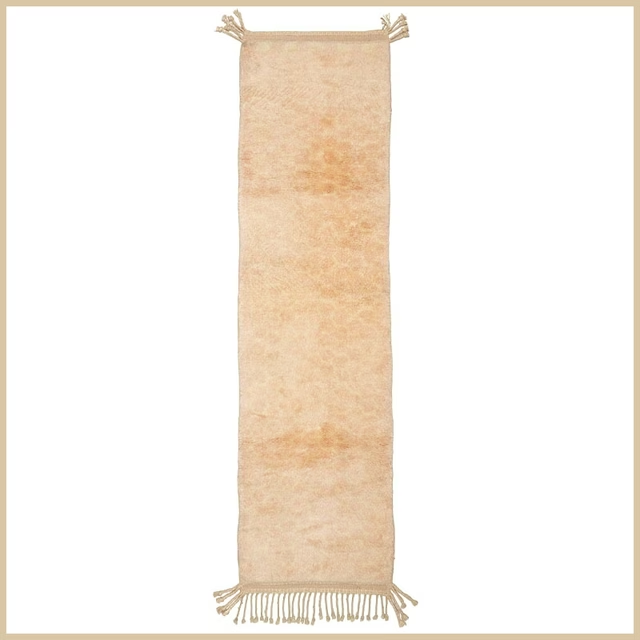
Beni Mrirt "Narrow Neutral"
298 × 80 cm
€1,629
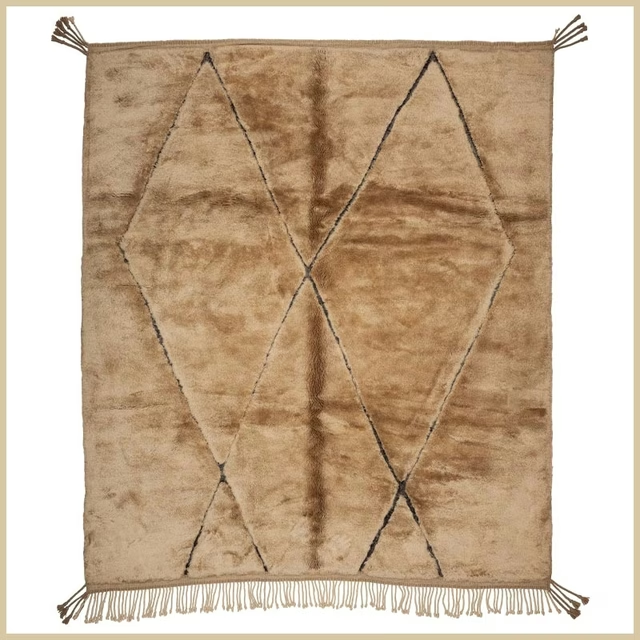
Beni Mrirt "Camel Lattice"
298 × 260 cm
€3,898
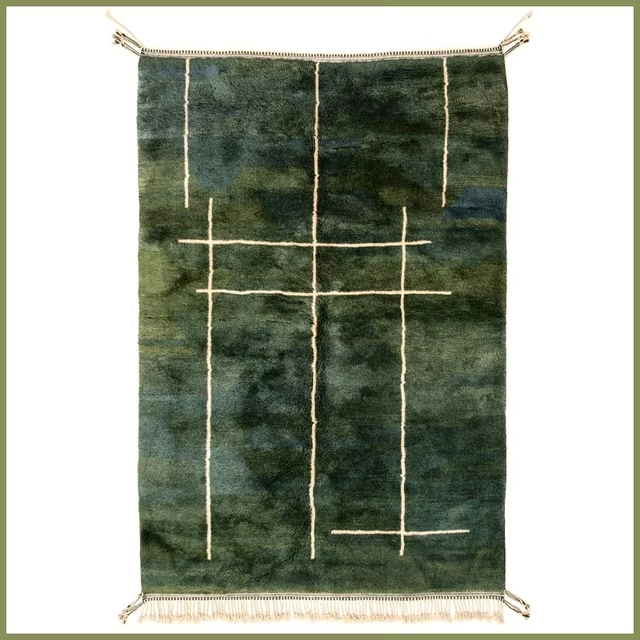
Beni Mrirt "Forest Minimal"
300 × 200 cm
€3,124
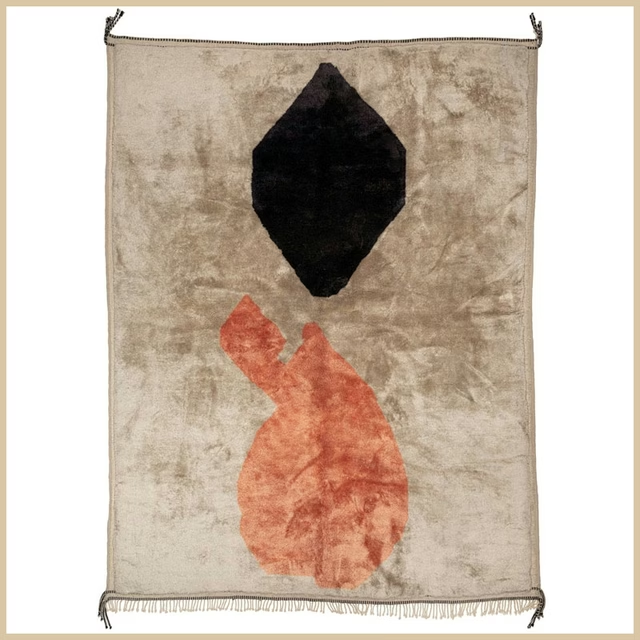
Beni Mrirt "Weathered Beige"
400 × 306 cm
€4,801
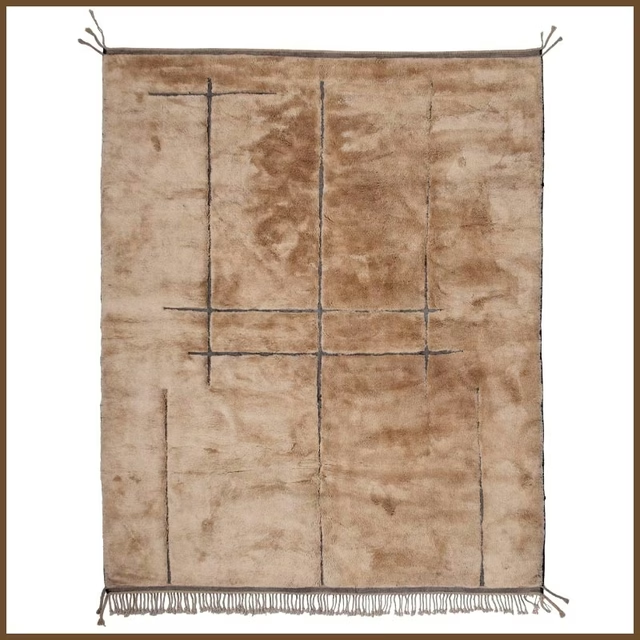
Beni Mrirt "Camel Lines"
400 × 300 cm
€4,827
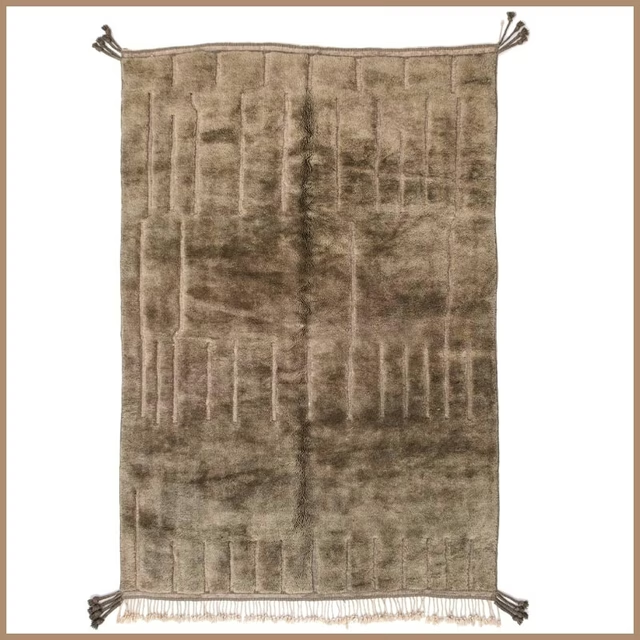
Beni Mrirt "Taupe Linear"
300 × 200 cm
€2,689
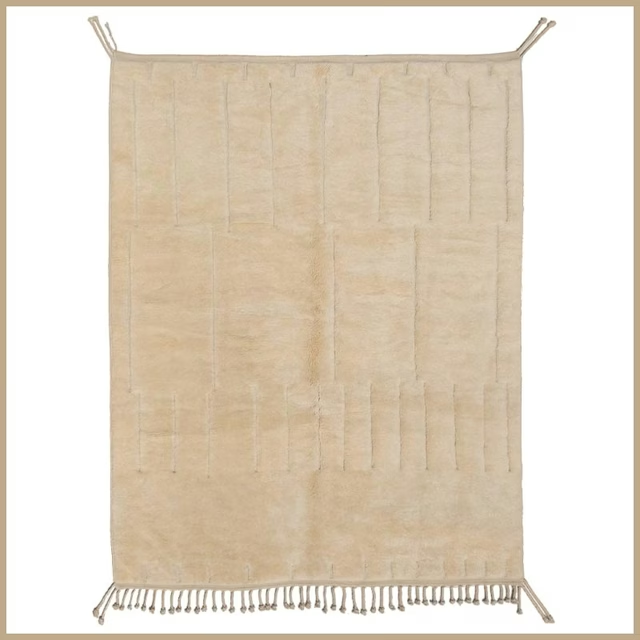
Beni Mrirt "Beige Weave"
350 × 250 cm
€3,683
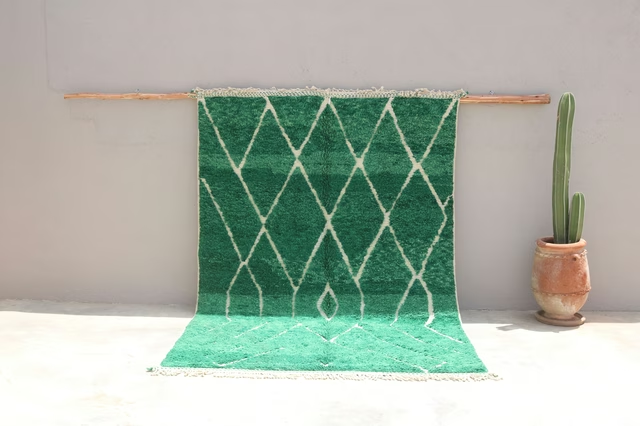
Azilal "Emerald Lattice"
300 × 205 cm
€1,797
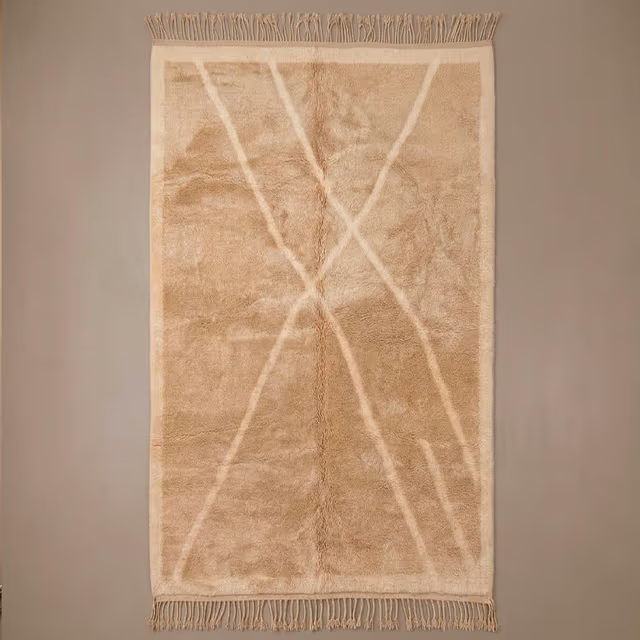
Beni Mrirt "Neutral Geometry"
313 × 258 cm
€4,297
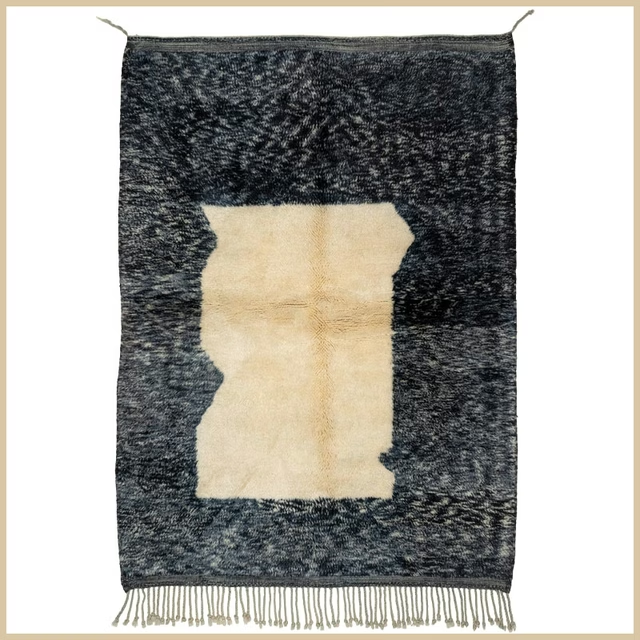
Beni Mrirt "Shadow Play"
212 × 152 cm
€3,222
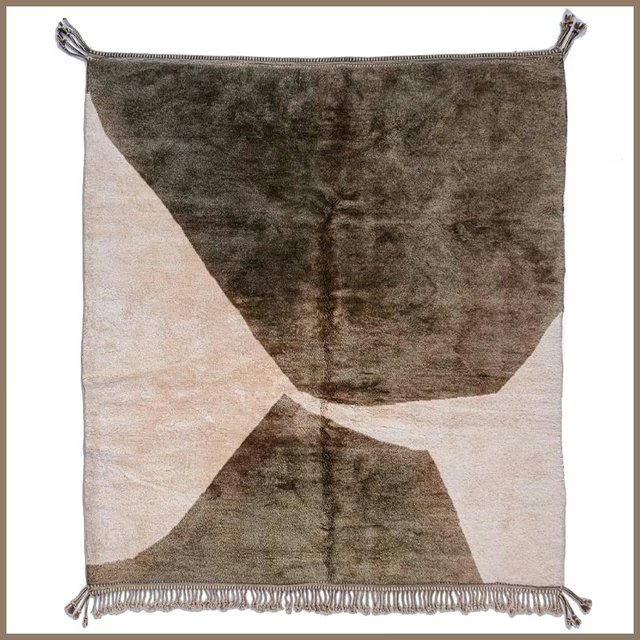
Beni Mrirt "Graphic Storm"
320 × 270 cm
€3,612
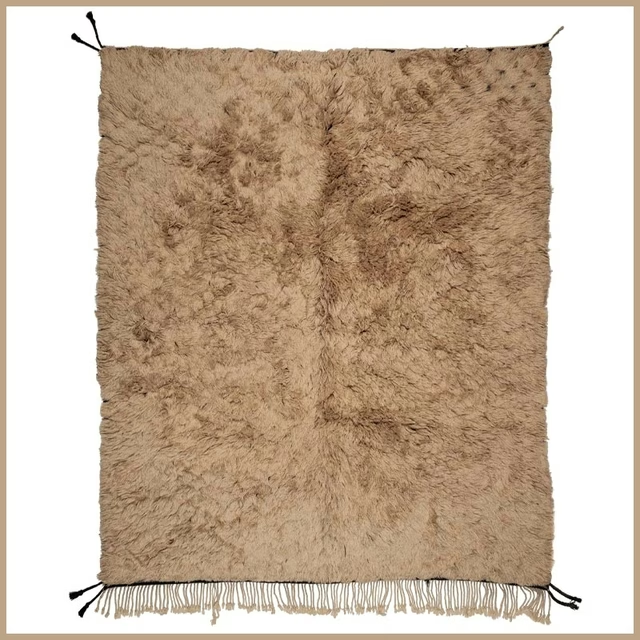
Beni Mrirt "Camel Trail"
303 × 251 cm
€3,189
The japandi palette is darker than the Nordic one
Where a purely Scandinavian room is white and pale wood, japandi brings in the darker, earthier half of nature: clay, stone, moss, smoked wood, charcoal. The overall effect is still light, but it is grounded by deeper tones. A rug is the natural place to put them.
Sand and taupe are the middle of the palette and the easiest to place. Camel and warm brown go with oak and walnut. Sage and olive bring a green that reads as plant, not paint. Charcoal anchors a room with pale walls and low black-stained furniture. Bright white and strong colour are the two things the style avoids.
Texture in place of pattern
Japandi rooms have little pattern, so texture does the work. A dense wool pile in one colour, with the slight variation of shade that hand-knotting gives, is exactly right. So is a ribbed or relief surface, where the design is in the height of the pile and not in a second colour.
When there is pattern, it is spare: a few thin lines, a loose grid, a border. Drawn by hand, such lines are never quite even. That fits the Japanese idea that a thing may be more beautiful for being imperfect, and it keeps a very ordered room from feeling rigid.
Low furniture and the size of the rug
Japandi furniture sits close to the floor, so the rug is more visible than in most rooms and reads as part of the architecture. Choose it large. In a living room the whole seating group should stand on the rug, or at least all the front legs, and the rug should run well past each end of the sofa.
Leave a clear border of floor around it, a foot or more if the room allows. Empty space is part of this style, and a rug that runs wall to wall takes it away. In a bedroom, one large rug under a low bed looks calmer than several small ones.
What to put with it
Wood, in one or two species, not five. Linen and cotton in undyed or muted shades. Ceramics with a matte glaze, paper lamps, one branch in a vase. The rug should be the heaviest textile in the room and the others lighter, so the eye rests at floor level.
Black is used sparingly and to good effect: a lamp base, a chair frame, a picture rail. If the rug is charcoal, keep the rest pale. If the rug is sand or taupe, one black line somewhere in the room sharpens everything.
The japandi rugs in this selection
Seventy-three rugs, almost all dense, heavy Beni Mrirt, with a few Azilal and Beni Ourain. Thirty-seven are sand or taupe, twelve are camel and brown, seven are charcoal, six are sage and forest green, six are a natural straw tone, three are grey and three are olive. Twenty-nine carry lines or bands, thirteen have diamonds and ten have grids; the rest have looser or tonal drawings.
They are large rugs. Thirty-two are 8x10 or bigger, twenty-nine measure around 6 ft 7 in by 9 ft 10 in, and there are six runners and six mid-sized pieces. Each rug is one of a kind, with its exact measurements on its own page. Delivery is free worldwide, duties and taxes included.
What you can verify about us
- Origin
- Made in MoroccoHand-knotted Berber rugs from the Atlas regions. Every rug is one of a kind.
- Construction
- Hand-knotted woolVerified at every stage — never machine-tufted.
- Delivery
- Duties includedFree shipping; import duties and taxes are included in the price.
- Returns
- 14 daysIn condition received, full refund of the purchase price.
Frequently Asked
Questions
- What is a japandi rug?
- A rug in muted, earthy colours with rich texture and little pattern, suited to the blend of Japanese and Scandinavian style. Natural wool is typical.
- What colours are japandi?
- Sand, taupe, clay, warm brown, sage, olive, stone grey and charcoal, with off-white as the background. No bright white and no strong colour.
- What is the difference between japandi and Scandinavian rugs?
- Scandinavian rugs are lighter, mostly ivory and cream. Japandi adds deeper earth tones and relies more on texture than on pattern.
- What size rug for a japandi living room?
- As large as the room allows while leaving a clear border of floor: usually 8x10 or more, with all the seating on the rug.
Sources & References
What this page rests on
- 1. wikipedia — Japandi
- 2. wikipedia — Beni Ouarain
- 3. internal_researchMid-century Danish use of Moroccan rugs

The person behind the piece
“Before you buy, I’ll send you a video of the actual rug in natural light — not a stock photo. I answer the messages myself.”
I’m Youssef. I started ARINID because this market is full of middlemen and machine-made imitations sold as the real thing — and I grew up close enough to the looms to know the difference.
Every piece we list is one of a kind, hand-knotted in Morocco. If you want to talk through sizing for your room, I’m on the other end of the message. A rug at this level is a thirty-year decision. You should be able to look the person selling it to you in the eye.
Youssef
Founder, ARINID
The next step
See every rug we currently offer
Each piece is hand-knotted in Morocco and delivered to your door, with shipping, duties and taxes included.