Wabi Sabi Rug: Choosing a Rug for an Imperfect, Quiet Room
Last updated
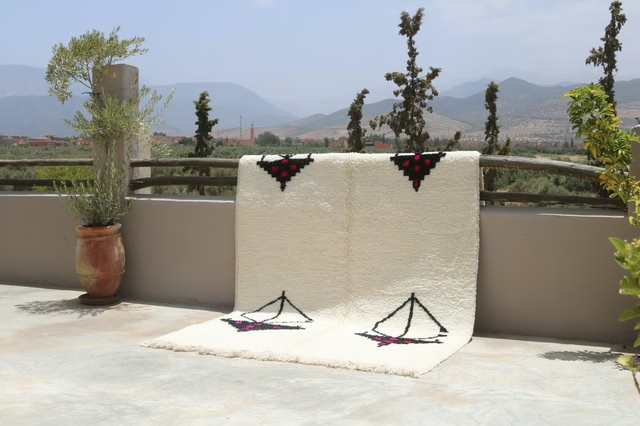
A wabi sabi rug is one that looks made and looks used, and is at ease with both. Wabi-sabi is a Japanese way of seeing that finds beauty in things that are simple, irregular and marked by time: a hand-thrown bowl, a weathered board, a mended cloth. On a floor it means wool that looks like wool, colour that is muted and uneven, and drawing that wavers. It is the opposite of the glossy, the symmetrical and the new. This page explains what the idea asks of a rug, how it differs from minimalism and from Japandi, and which rugs of ours are closest to it.
From the Atelier
Currently in our collection
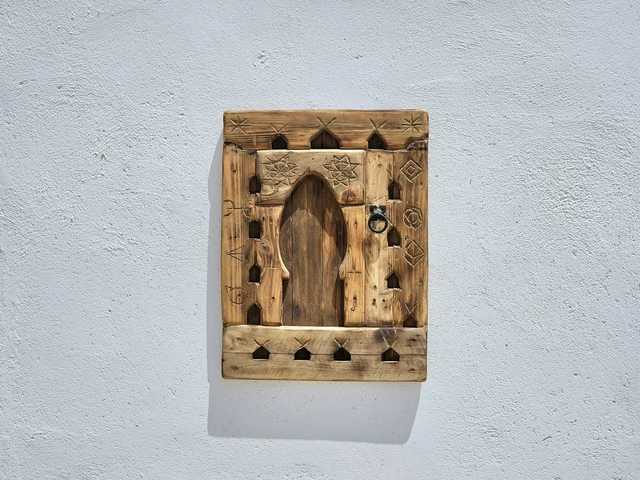
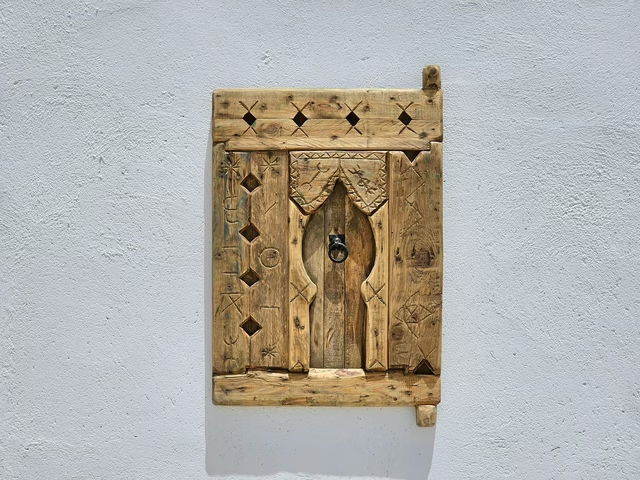
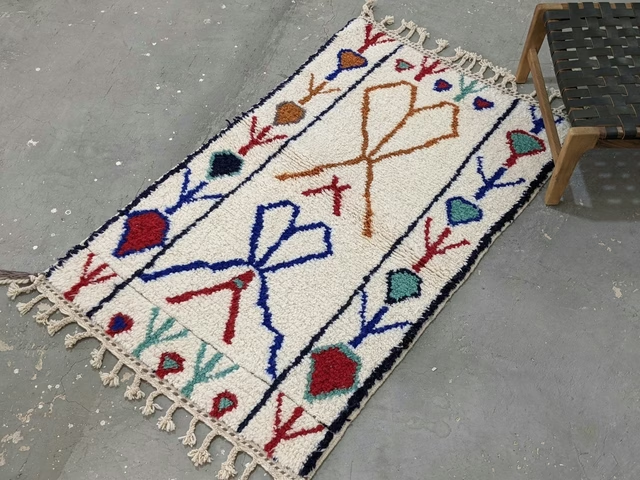
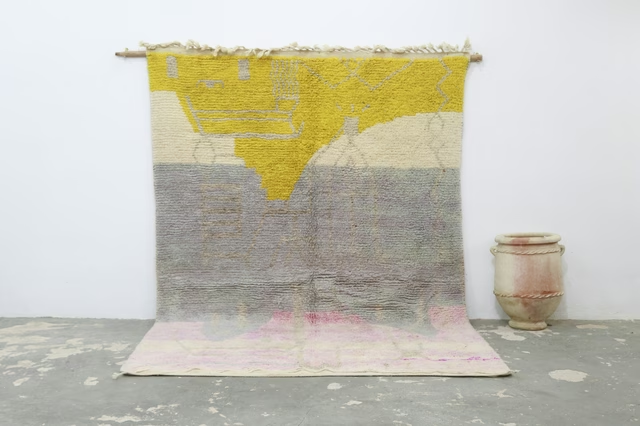
What wabi-sabi asks of a rug
Three qualities. Honest material: wool, with its matt surface and slight variation, and nothing that imitates something else. Irregularity: lines that are not straight, an outline that is not perfectly square, shading within a colour. And restraint: few colours, quiet contrast, plenty of empty field.
A fourth quality comes later and cannot be bought: the rug should age well. Wool does. It softens, its colours mellow, and small signs of use add to it. A rug that looks worse with every year, as most synthetic ones do, is the opposite of the idea.
Not minimalism, and not quite Japandi
Minimalism wants perfection: clean edges, flat colour, nothing out of place. Wabi-sabi is suspicious of perfection. A minimalist rug is plain and exact. A wabi sabi rug is plain and slightly off, and the room is warmer for it.
Japandi blends Japanese restraint with Scandinavian comfort and is a decorating style, with a recognisable palette of oak, black and oatmeal. Wabi-sabi is an attitude and can live in any style. A Japandi room will usually welcome a rug of this kind. The reverse is not always true.
Colours and textures that fit
Think of materials left as they are: linen, clay, stone, straw, bark, ash. On a rug that means ivory that is slightly warm and uneven, sand, oatmeal, taupe, grey-brown, charcoal, and muted greens and rusts. Avoid pure white, strong contrast and anything bright.
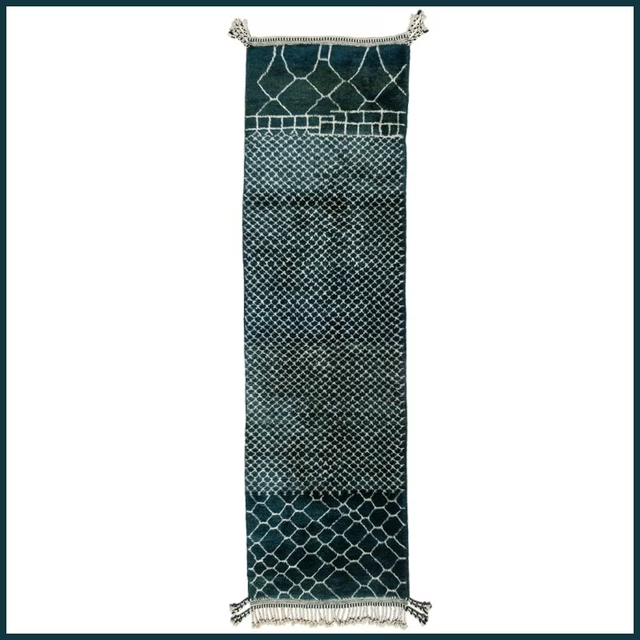
Texture matters more than pattern. A pile with visible variation, a relief carved into the surface, a few faint lines, a lattice drawn tone on tone. If there is pattern, it should look as though it could have been drawn with a stick in sand.
Living with it
A wabi-sabi room is sparse, so the rug is seen. Let it lie with floor showing all round, and keep the furniture on it low and sparse. Natural light is its best friend: light falling across the rug from a window brings out the texture of the pile.
Do not fuss over it. Vacuum gently, turn it twice a year, blot what is spilled, and let the footprints and the shading come and go. If a tuft rises, trim it. If an edge wears after many years, have it rebound. Mending is part of the idea, not a defeat.
The rugs closest to wabi-sabi in our collection
The rugs shown on this page come from our whole collection of 275 hand-knotted wool rugs. The closest in spirit are the quiet ones: seventy-one with an ivory or cream ground, thirty-seven in sand or taupe, twelve in camel, seven in charcoal, and ten that are entirely plain.
Among the twenty-two Beni Ourain rugs, two carry a lattice drawn tone on tone and two have their pattern carved in relief. Each was made without a drawn plan, which is as near to the idea as a rug can come. Each rug is one of a kind, with its exact measurements on its own page. Delivery is free worldwide, duties and taxes included.
What you can verify about us
- Origin
- Made in MoroccoHand-knotted Berber rugs from the Atlas regions. Every rug is one of a kind.
- Construction
- Hand-knotted woolVerified at every stage — never machine-tufted.
- Delivery
- Duties includedFree shipping; import duties and taxes are included in the price.
- Returns
- 14 daysIn condition received, full refund of the purchase price.
Frequently Asked
Questions
- What is a wabi sabi rug?
- A plain, irregular rug in natural material and muted colour, whose handmade quality and signs of age are part of its appeal.
- What colours are wabi-sabi?
- Warm ivory, sand, oatmeal, taupe, grey-brown, charcoal and muted earth tones.
- Is wabi-sabi the same as Japandi?
- No. Japandi is a decorating style. Wabi-sabi is a way of valuing simplicity, irregularity and age.
- Are hand-knotted rugs wabi-sabi?
- They suit the idea well, because they are irregular, made of wool and improve with use.
Sources & References
What this page rests on
- 1. wikipedia — Wabi-sabi
- 2. internal_researchWabi-sabi structural alignment of Berber rug properties

The person behind the piece
“Before you buy, I’ll send you a video of the actual rug in natural light — not a stock photo. I answer the messages myself.”
I’m Youssef. I started ARINID because this market is full of middlemen and machine-made imitations sold as the real thing — and I grew up close enough to the looms to know the difference.
Every piece we list is one of a kind, hand-knotted in Morocco. If you want to talk through sizing for your room, I’m on the other end of the message. A rug at this level is a thirty-year decision. You should be able to look the person selling it to you in the eye.
Youssef
Founder, ARINID
The next step
See every rug we currently offer
Each piece is hand-knotted in Morocco and delivered to your door, with shipping, duties and taxes included.