Geometric Rug: Diamonds, Lines and Colour Blocks in Hand-Knotted Wool
Last updated
A geometric rug gives a room a framework. Lines, diamonds, grids and blocks of colour: no flowers, no scrolls, only shapes that put order on the floor and tell the furniture where it belongs. The difference between a geometric pattern you still enjoy after ten years and one you tire of in a season is almost always scale, and the hand that drew it. The rugs on this page are knotted by hand in Morocco. Their geometry has small irregularities no machine produces, and that is what lets the pattern breathe.
From the Atelier
Geometric Rug currently in our collection 147
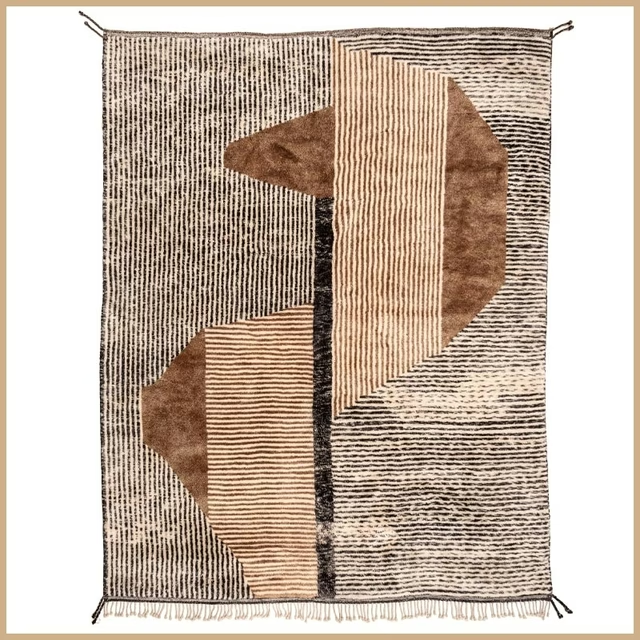
Beni Mrirt "Prestige Graphic"
400 × 300 cm
€5,698
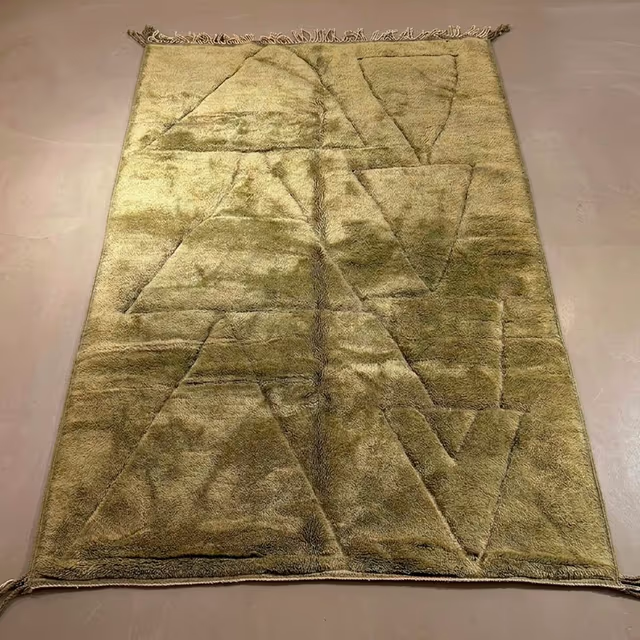
Beni Mrirt "Golden Geometry"
314 × 208 cm
€3,547
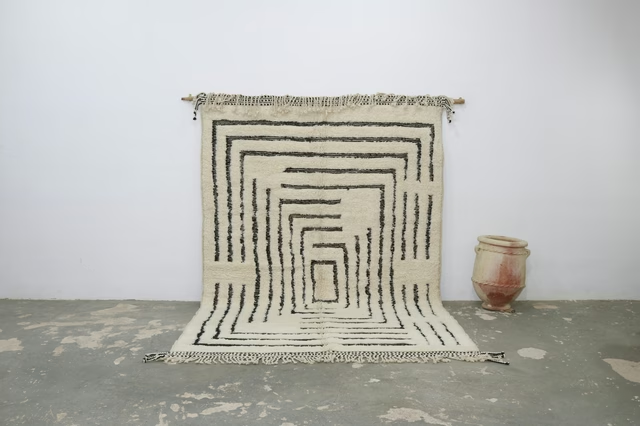
Beni Ouarain "Concentric Void"
306 × 206 cm
€1,797
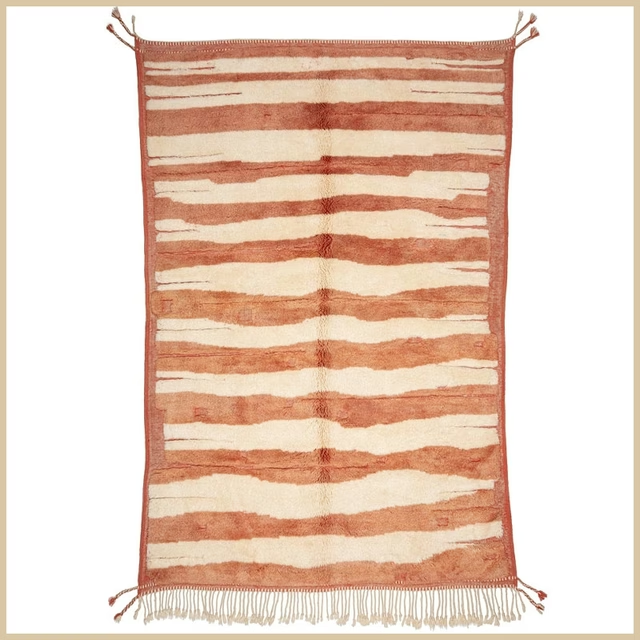
Beni Mrirt "Terra Lines"
310 × 200 cm
€2,708
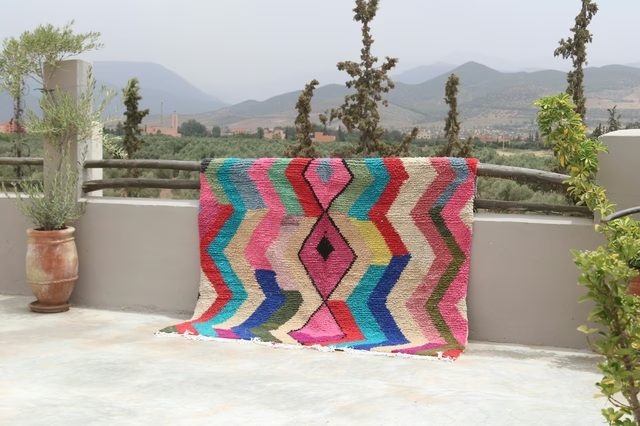
Azilal "Zigzag Carnival"
300 × 214 cm
€1,797
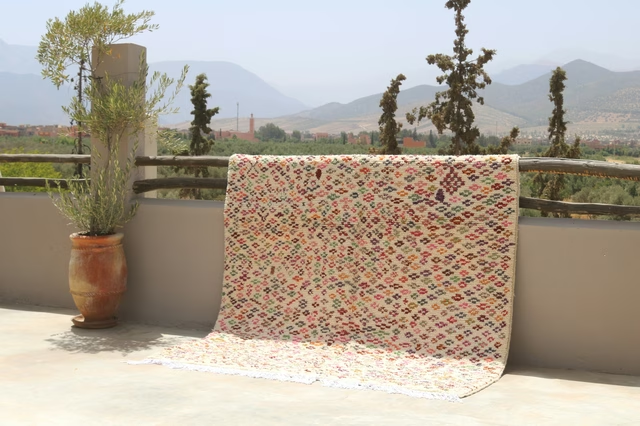
Azilal "Rose Mosaic"
320 × 205 cm
€1,797
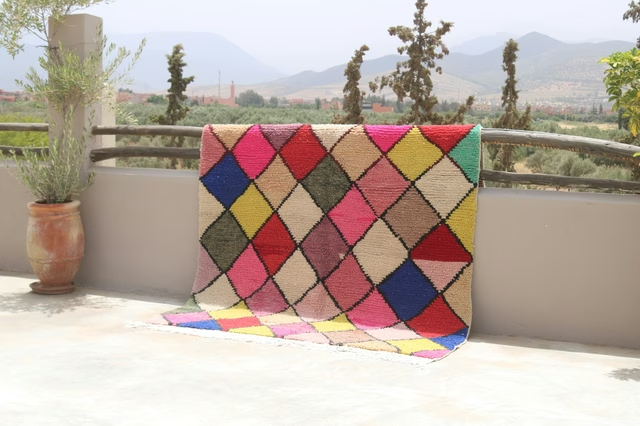
Azilal "Harlequin Diamonds"
315 × 196 cm
€1,797
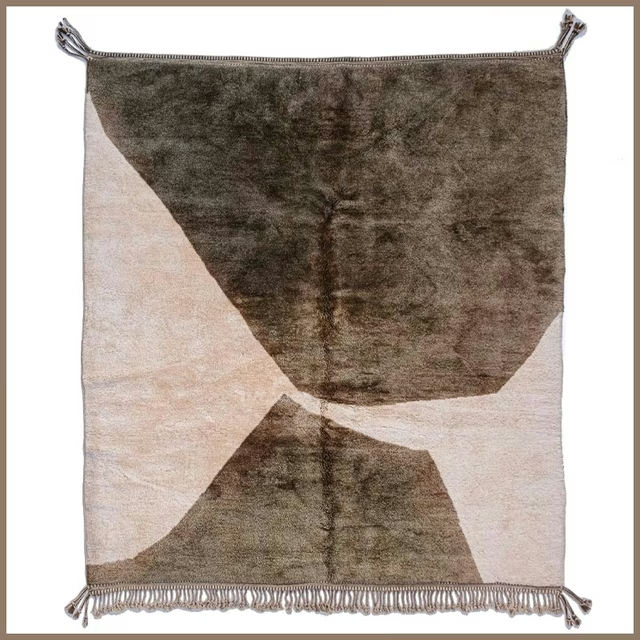
Beni Mrirt "Graphic Storm"
320 × 270 cm
€3,612
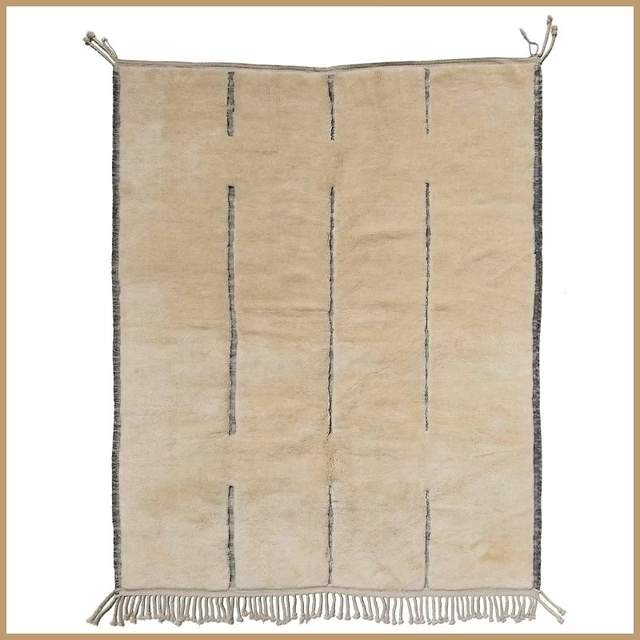
Beni Mrirt "Linear Beige"
320 × 250 cm
€3,410
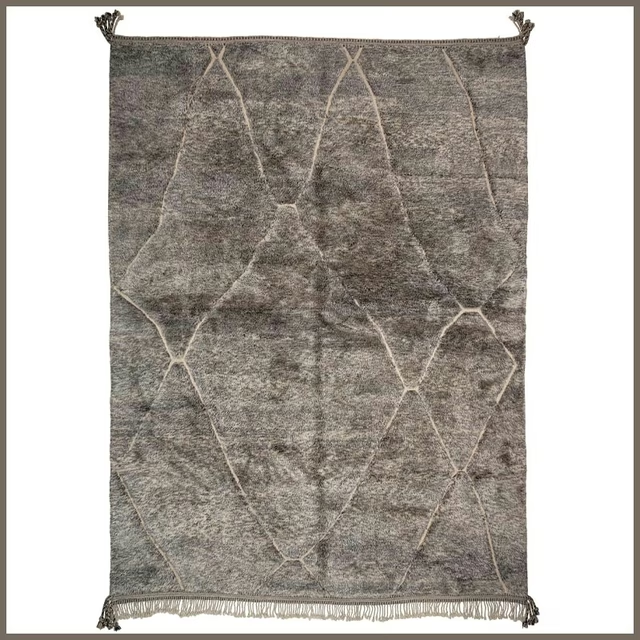
Beni Mrirt "Grey Lattice"
404 × 300 cm
€4,756
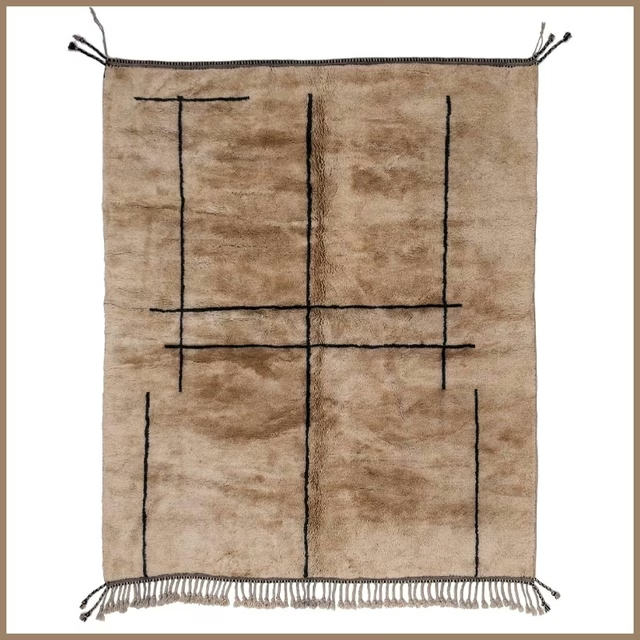
Beni Mrirt "Bold Taupe"
300 × 250 cm
€3,215
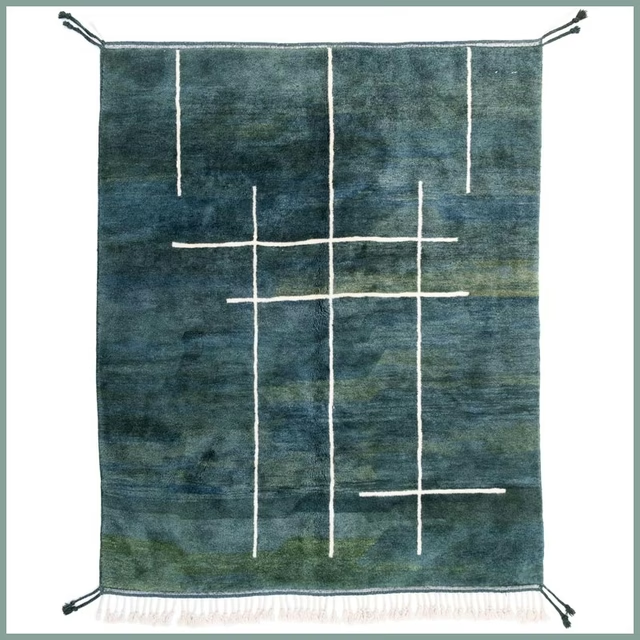
Beni Mrirt "Linear Teal"
320 × 250 cm
€3,982
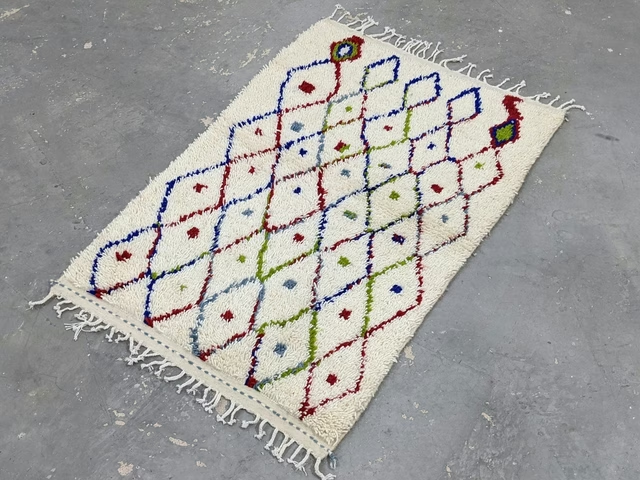
Azilal "Cloud Weave"
150 × 104 cm
€1,577
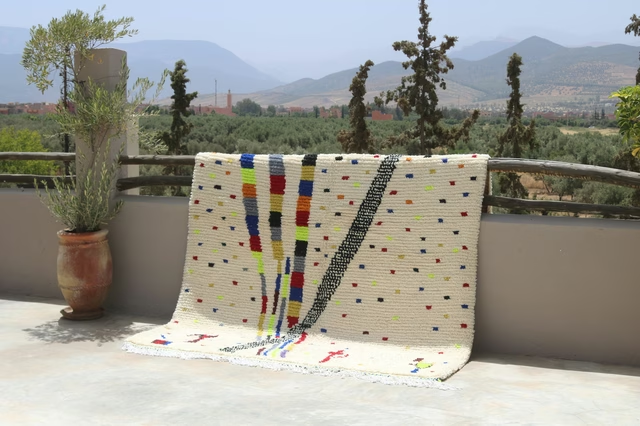
Azilal "Confetti Columns"
300 × 216 cm
€1,797
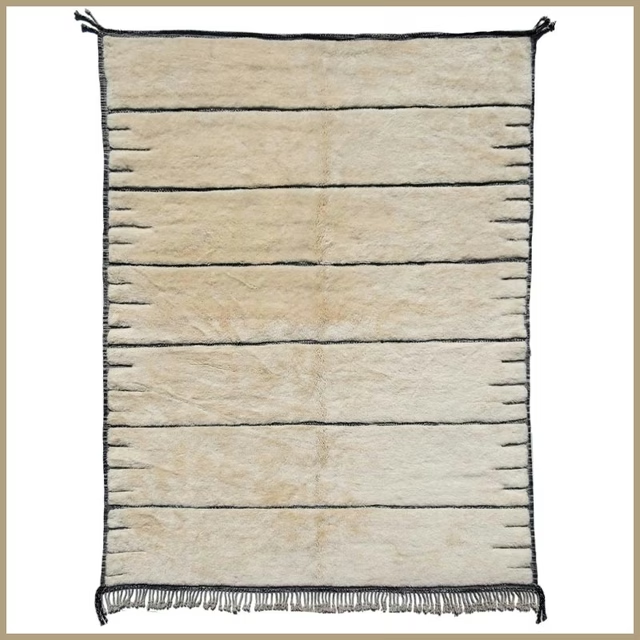
Beni Mrirt "Neutral Linear"
400 × 300 cm
€4,847
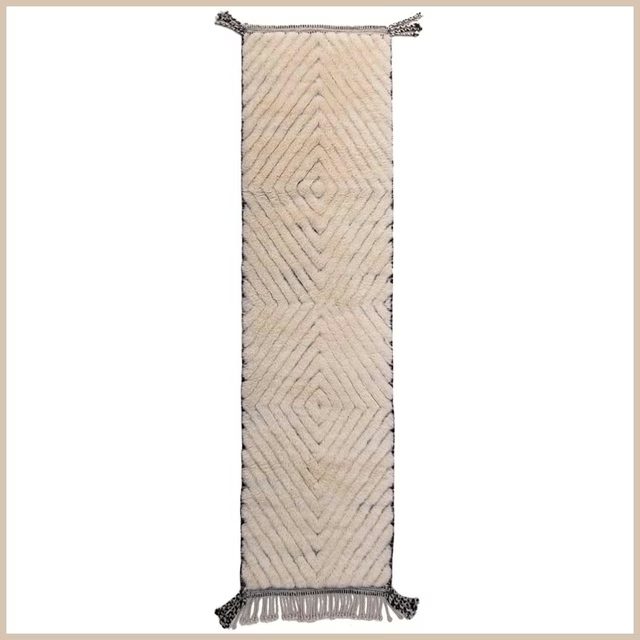
Beni Mrirt "Slender Lattice"
300 × 93 cm
€1,746
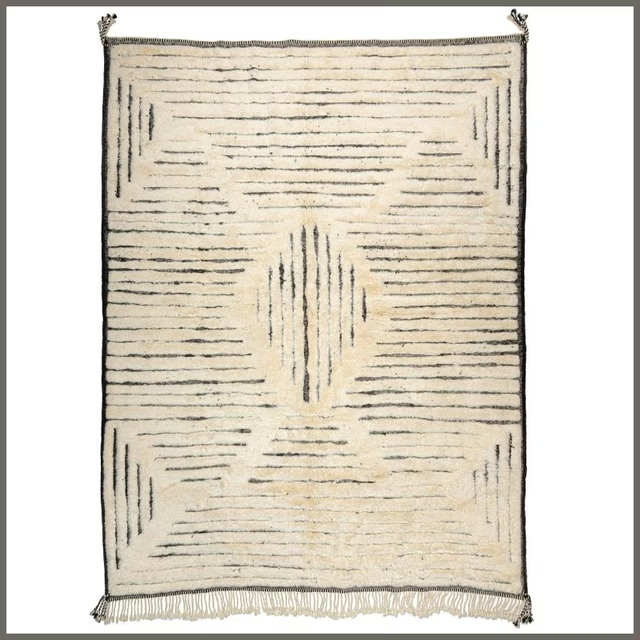
Beni Mrirt "Grand Warmth"
404 × 308 cm
€4,899
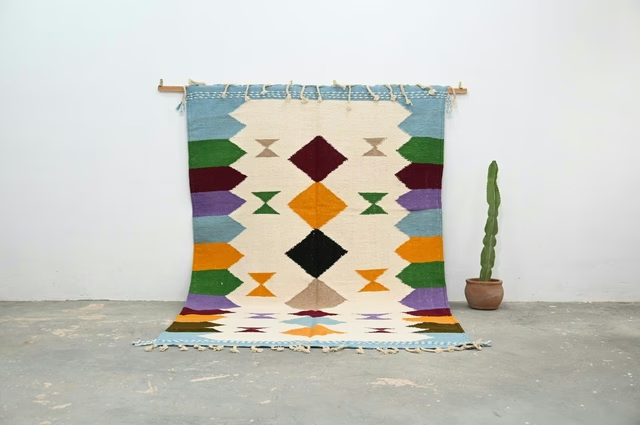
Azilal "Graphic Poetry"
305 × 204 cm
€1,547
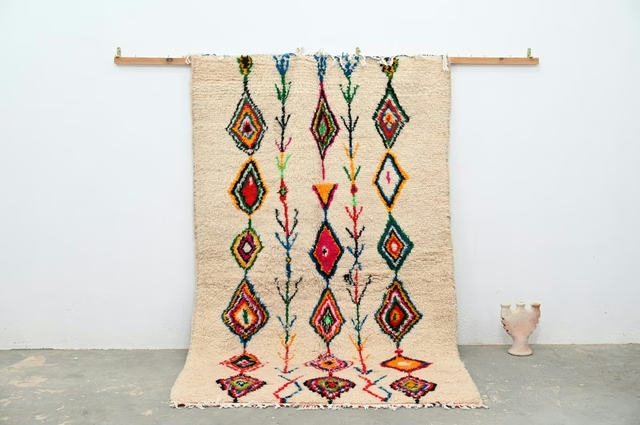
Azilal "Woven Grid"
262 × 157 cm
€1,287
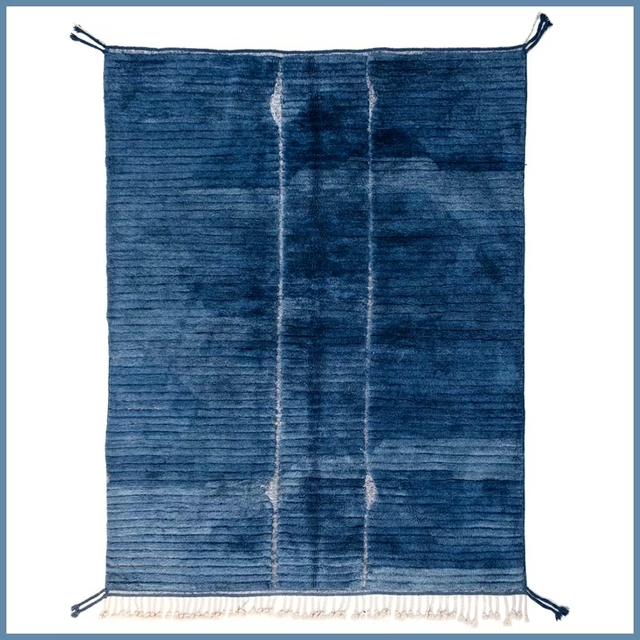
Beni Mrirt "Indigo Path"
330 × 260 cm
€4,229
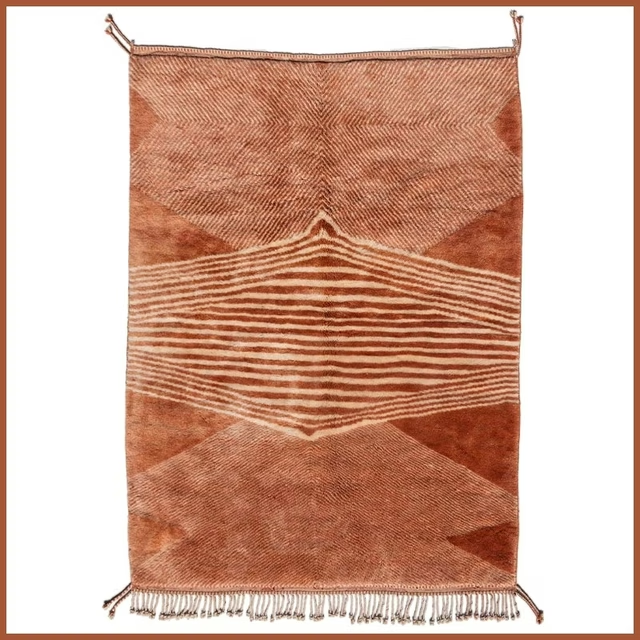
Beni Mrirt "Linear Terra"
300 × 200 cm
€2,695
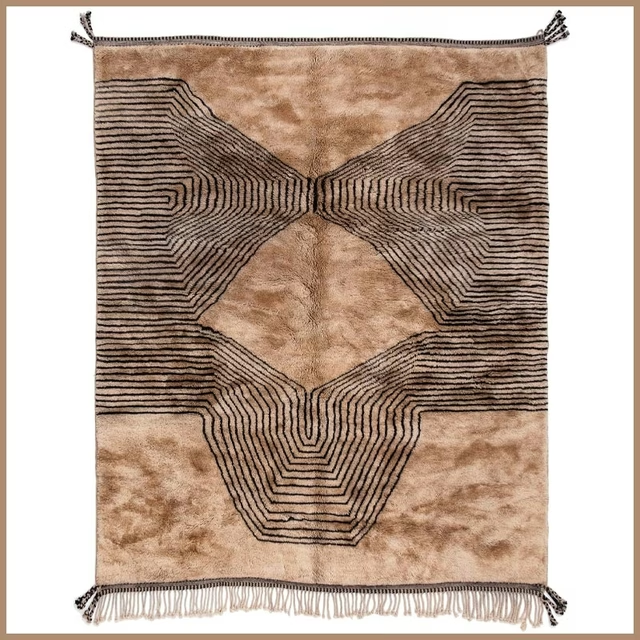
Beni Mrirt "Taupe Mountains"
310 × 255 cm
€3,365
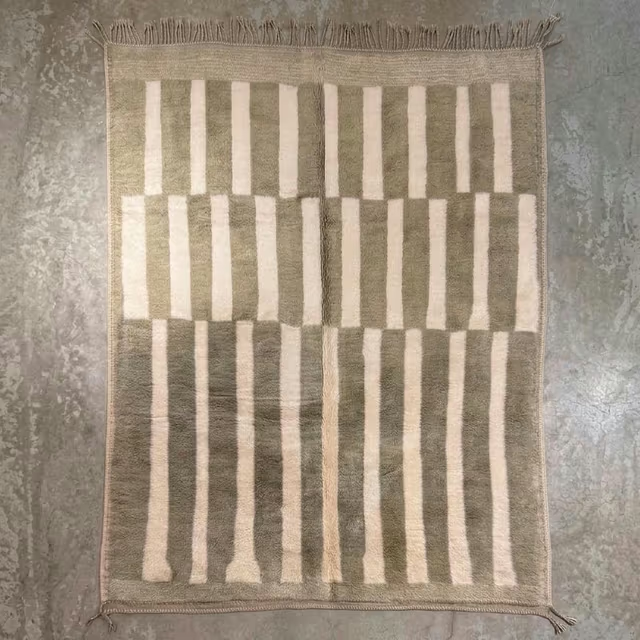
Beni Mrirt "Striped Sage"
309 × 270 cm
€4,297
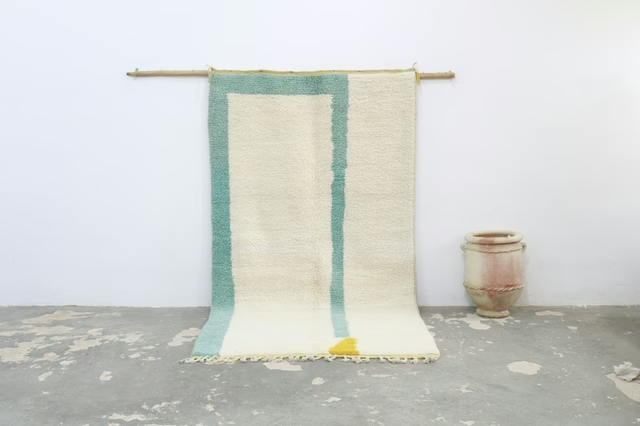
Azilal "Seafoam Frame"
285 × 155 cm
€1,547
Show all 96
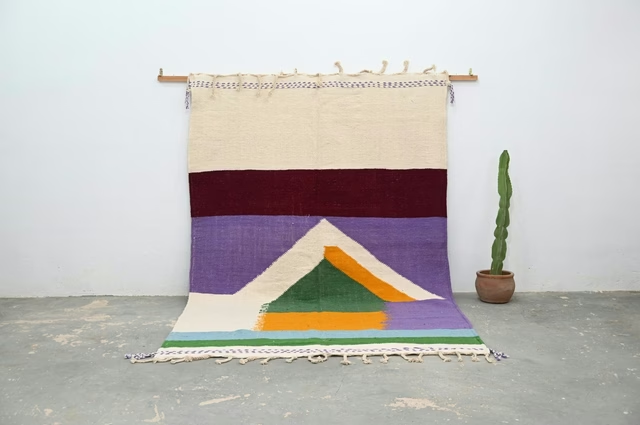
Azilal "Chromatic Canvas"
304 × 202 cm
€1,547
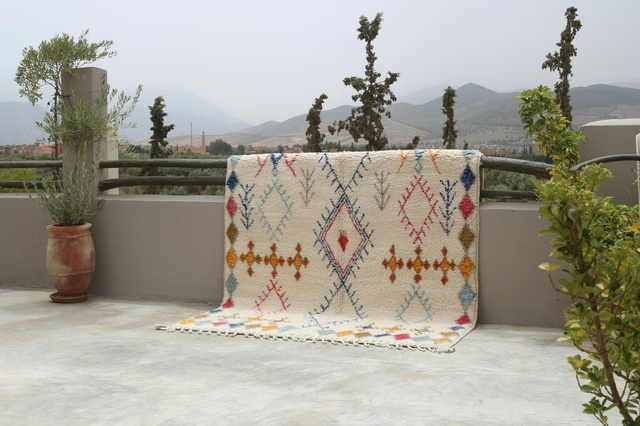
Azilal "Delicate Lattice"
300 × 208 cm
€1,797
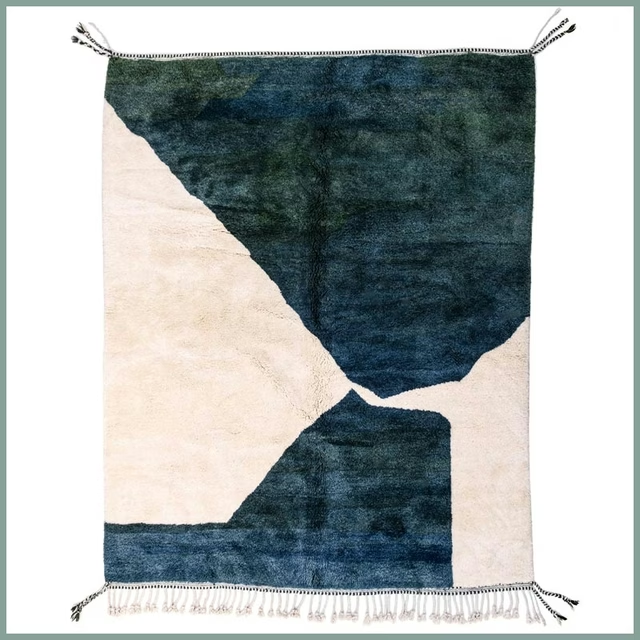
Beni Mrirt "Teal Graphics"
320 × 250 cm
€3,982
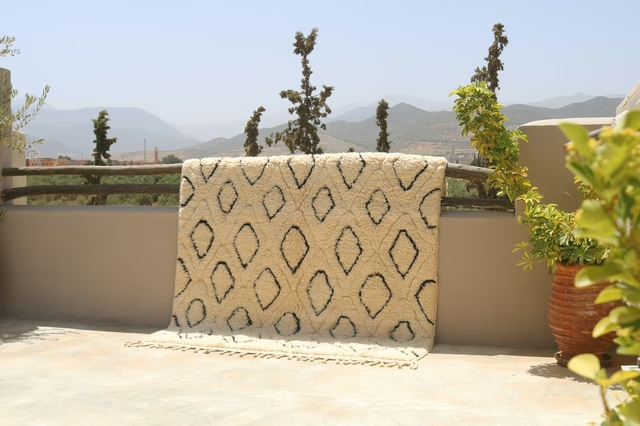
Beni Ouarain "Charcoal Diamonds"
300 × 200 cm
€1,797
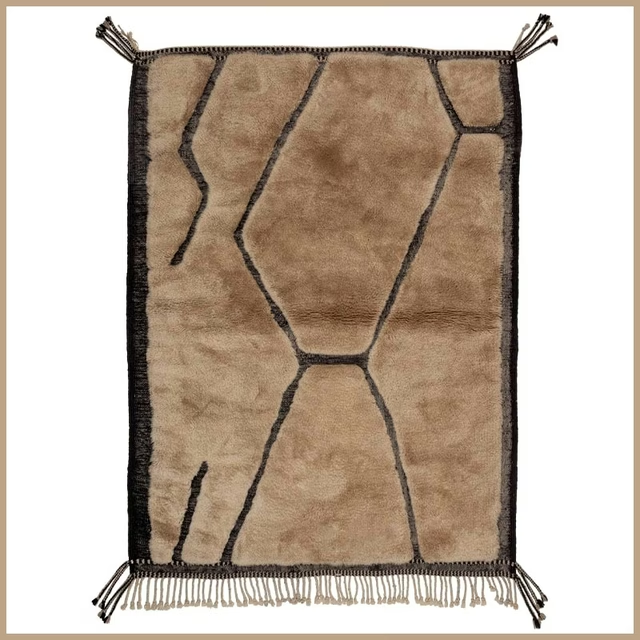
Beni Mrirt "Taupe Lattice"
199 × 147 cm
€1,818
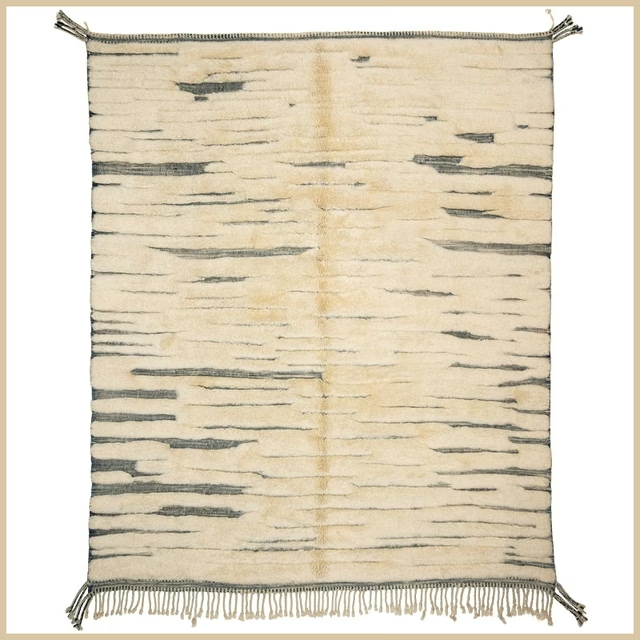
Beni Mrirt "Linear Ice"
310 × 243 cm
€3,787
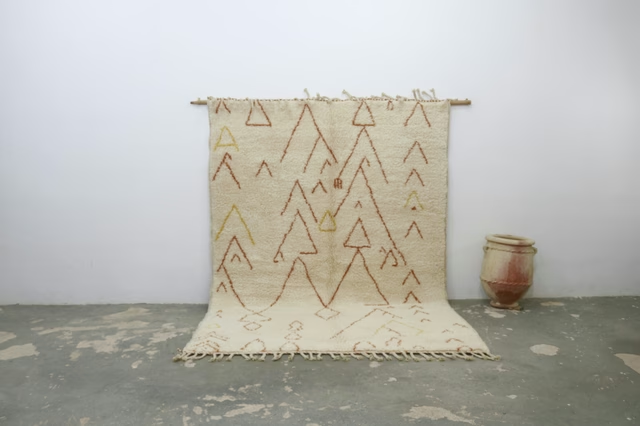
Azilal "Forest Outline"
300 × 210 cm
€1,547
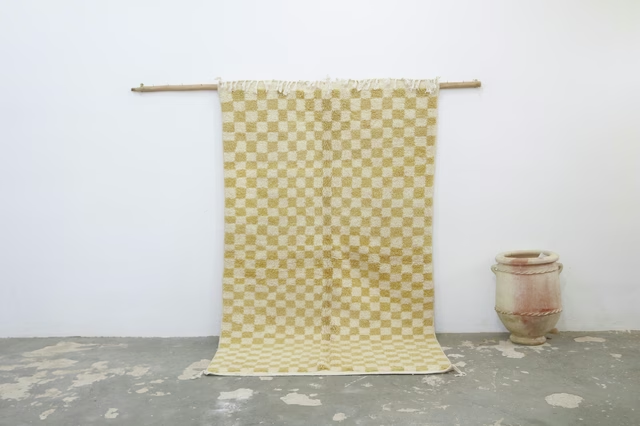
Azilal "Golden Weave"
255 × 150 cm
€1,297
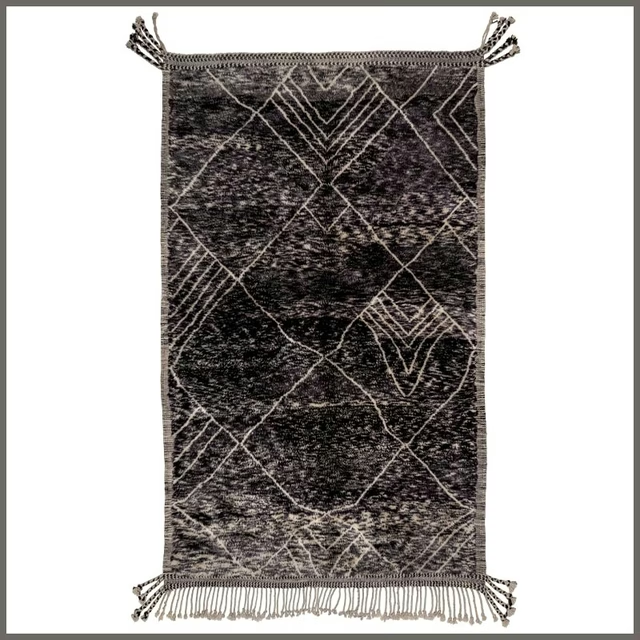
Beni Mrirt "Stone Lattice"
258 × 157 cm
€2,305
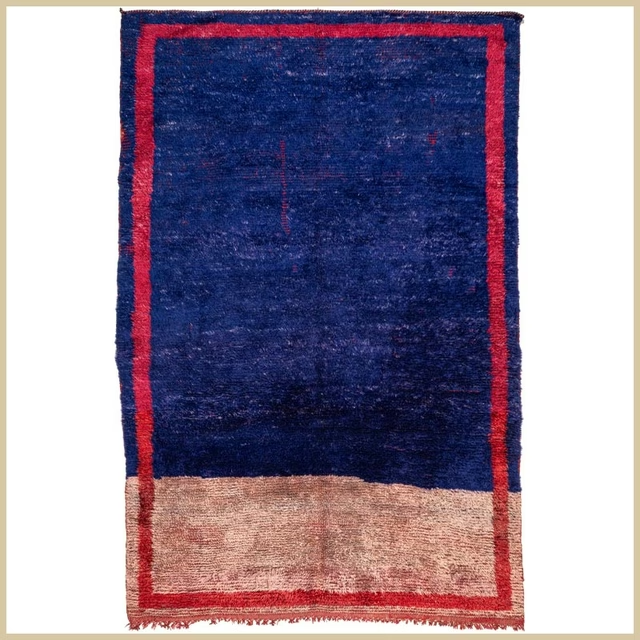
Beni Mguild "Navy Lines"
270 × 180 cm
€3,443
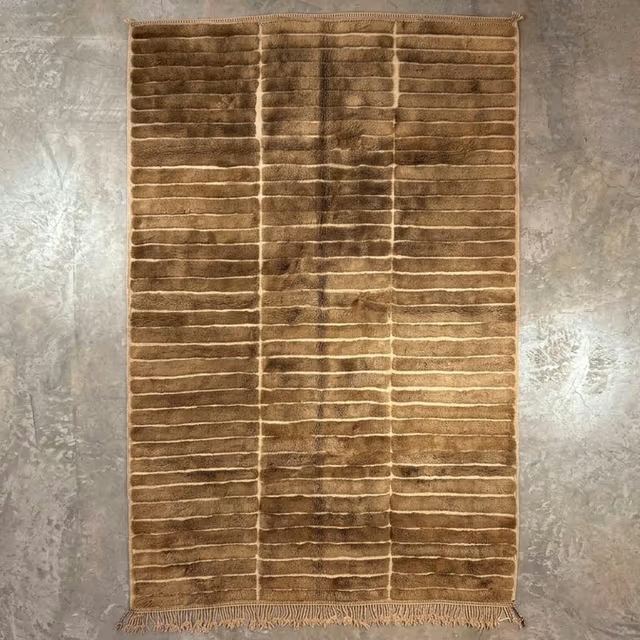
Beni Mrirt "Monumental Weave"
422 × 308 cm
€5,997
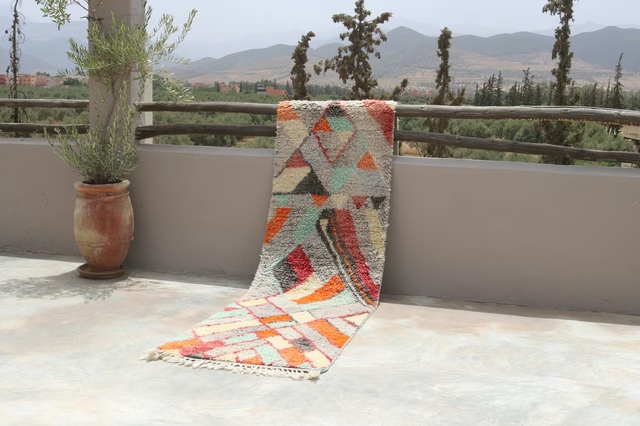
Azilal "Sunset Chevrons"
390 × 81 cm
€1,547
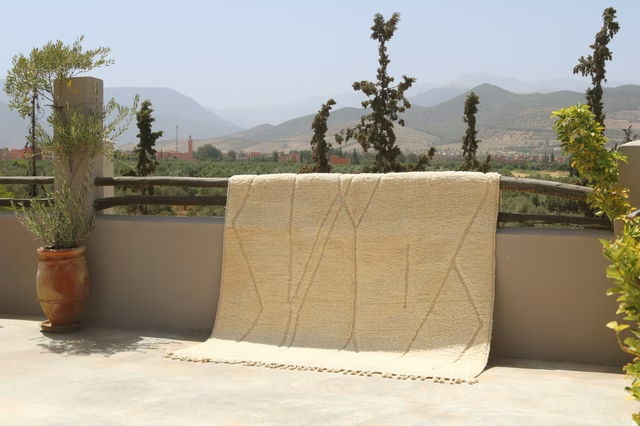
Beni Ouarain "Whisper Grid"
315 × 205 cm
€1,797
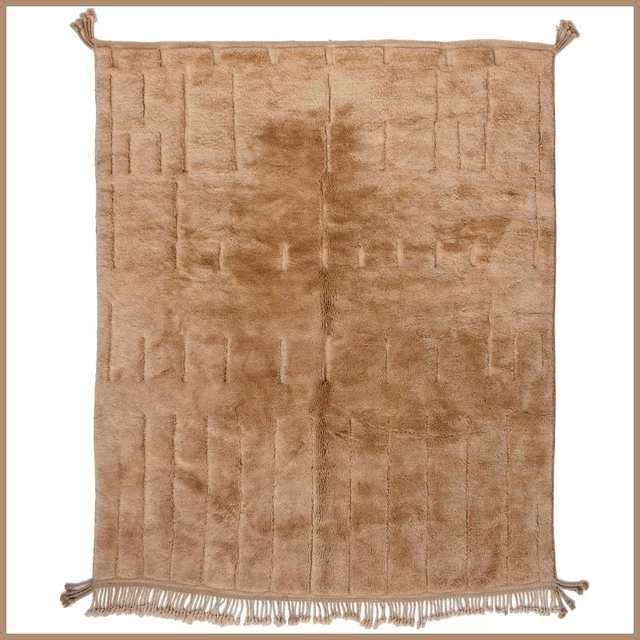
Beni Mrirt "Taupe Expression"
320 × 250 cm
€3,410
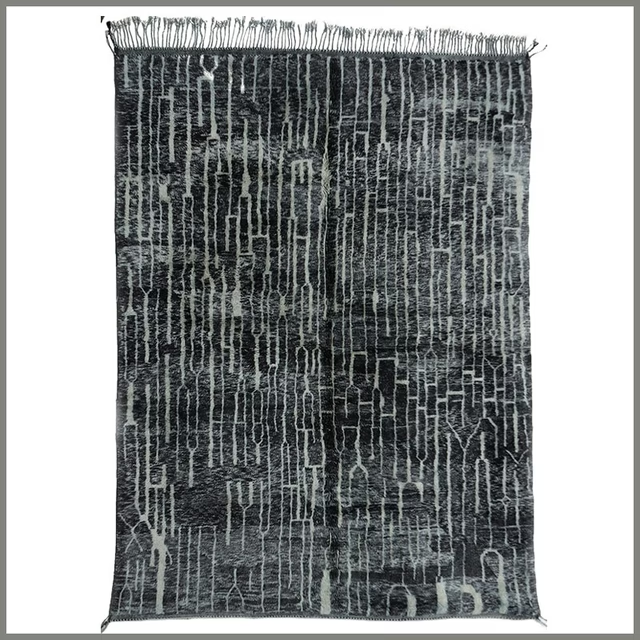
Beni Mrirt "Slate Path"
405 × 300 cm
€5,861
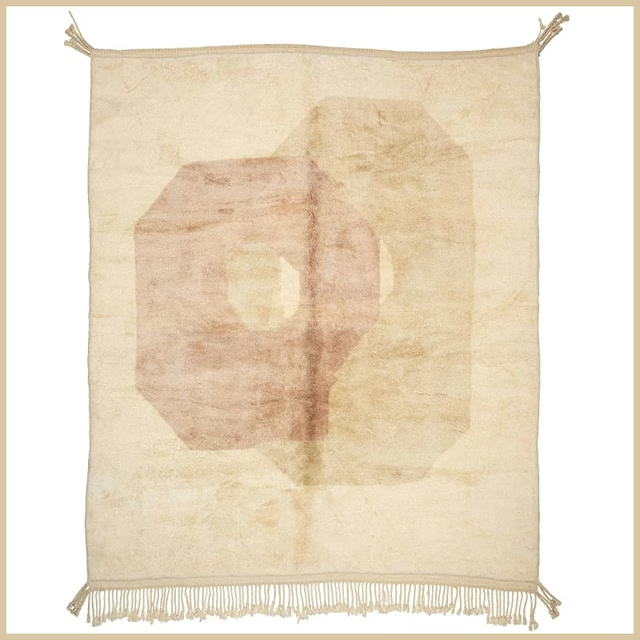
Beni Mrirt "Mountain Graphic"
€3,952
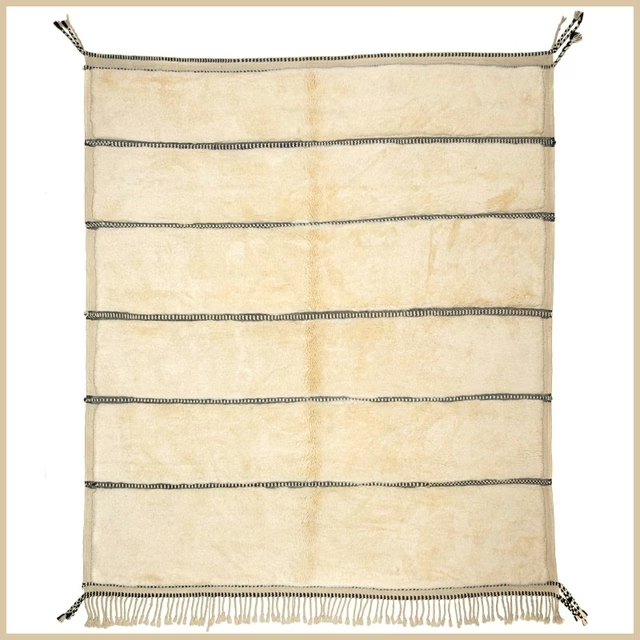
Beni Mrirt "Linear Cream"
304 × 265 cm
€4,015
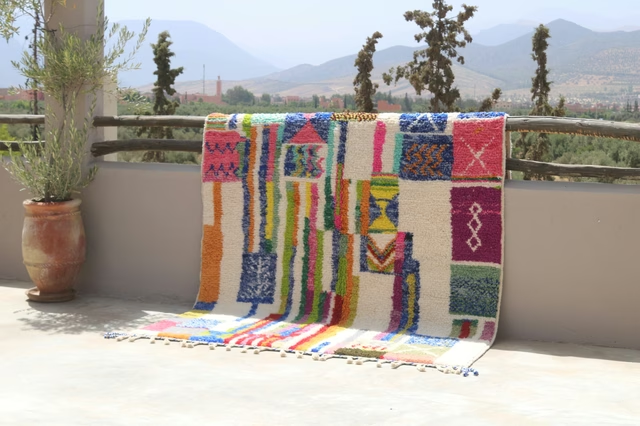
Azilal "Carnival Patchwork"
305 × 200 cm
€1,797
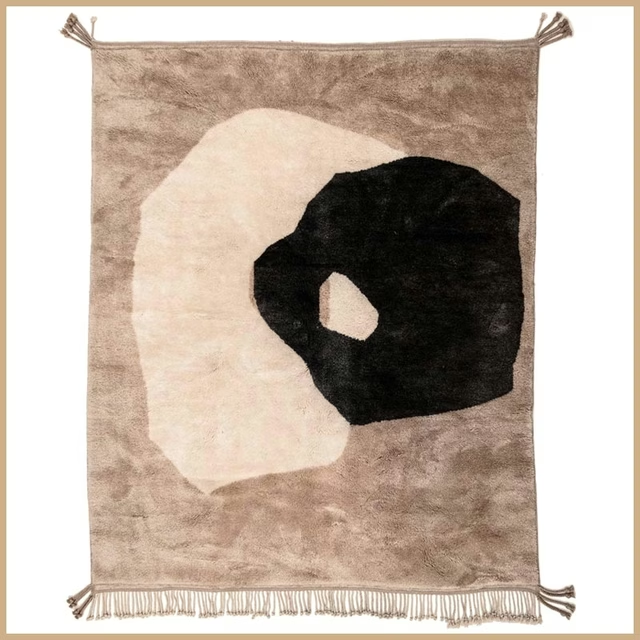
Beni Mrirt "Graphic Taupe"
320 × 250 cm
€3,982
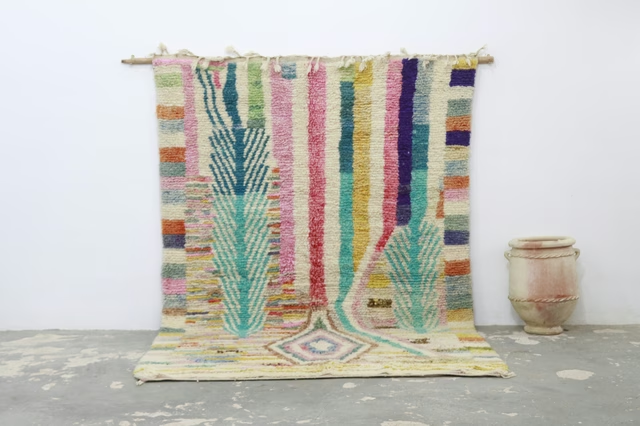
Azilal "Woven Symmetry"
310 × 205 cm
€1,797
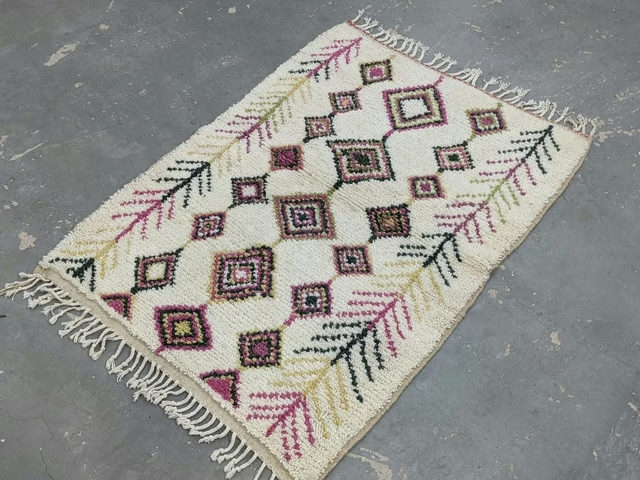
Azilal "Geometric Harmony"
151 × 112 cm
€1,577
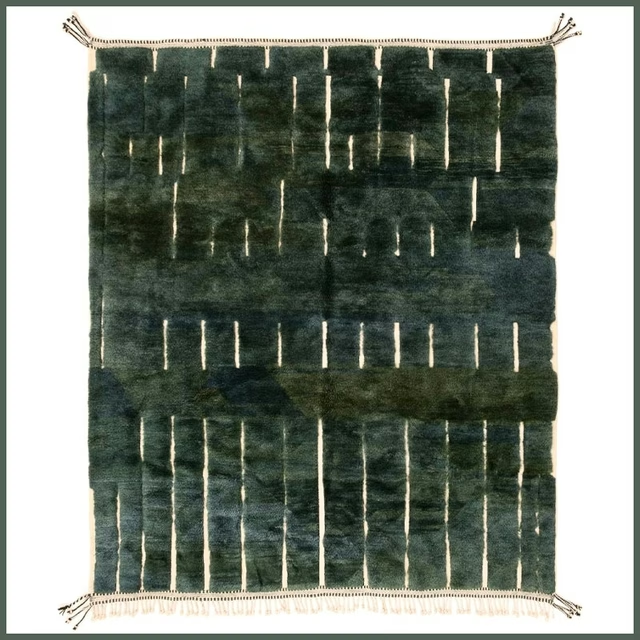
Beni Mrirt "Cedar Lines"
320 × 260 cm
€4,119
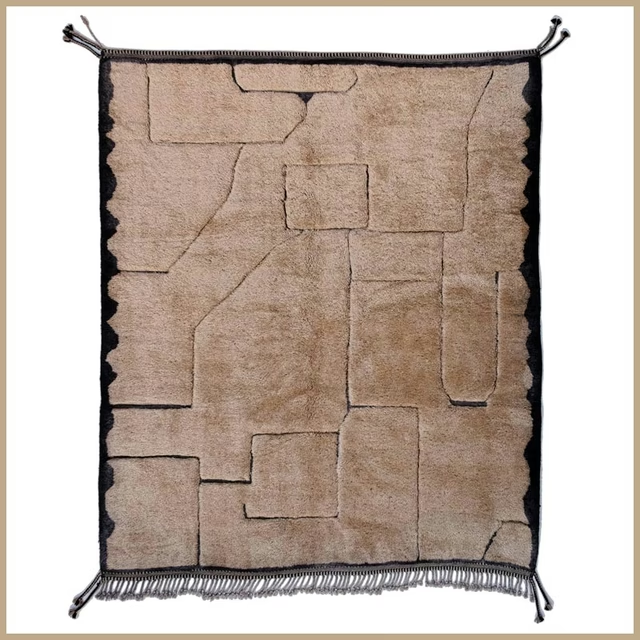
Beni Mrirt "Taupe Graphic"
300 × 250 cm
€3,215
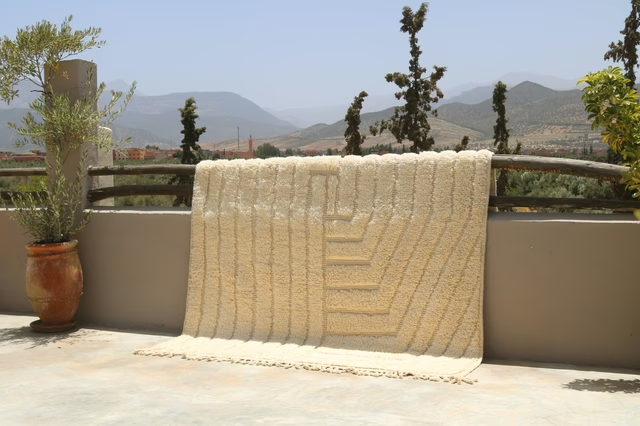
Beni Ouarain "Carved Relief"
290 × 210 cm
€1,797
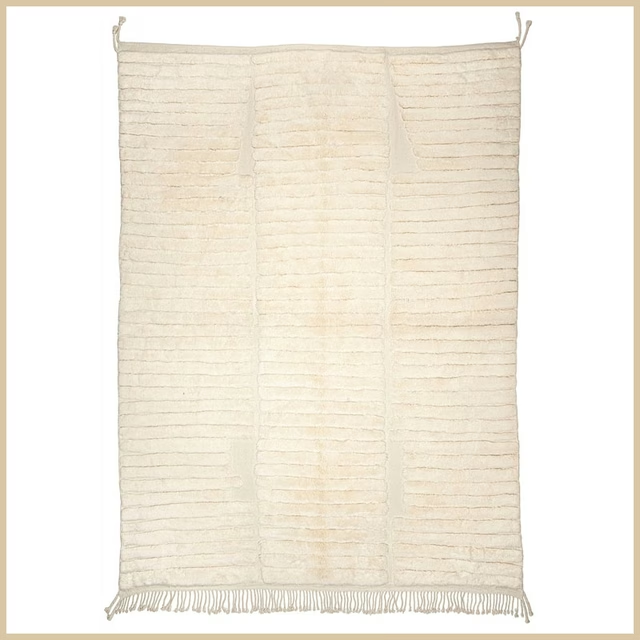
Beni Mrirt "Linear Warmth"
407 × 298 cm
€4,749
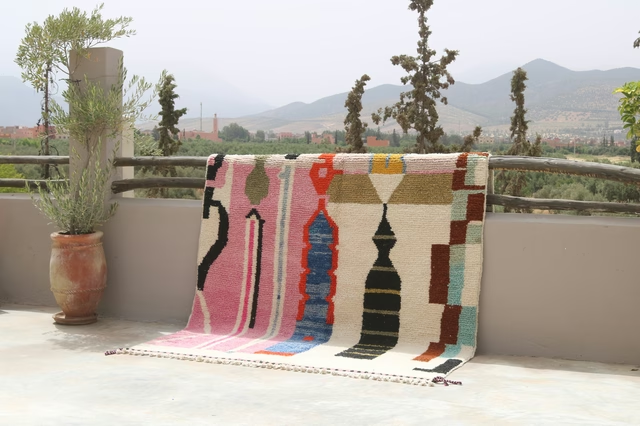
Azilal "Vessel Panels"
300 × 205 cm
€1,797
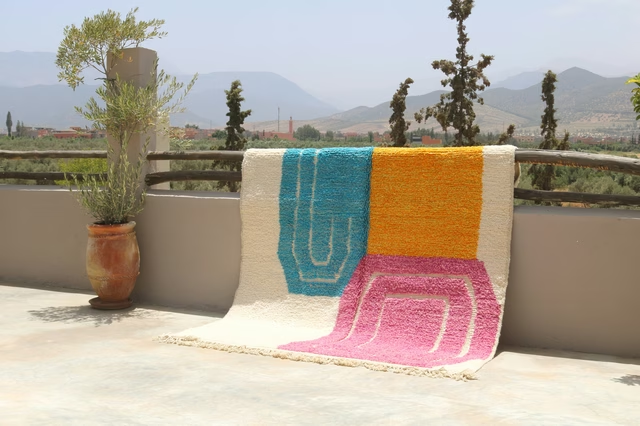
Azilal "Colour Arches"
290 × 202 cm
€1,797
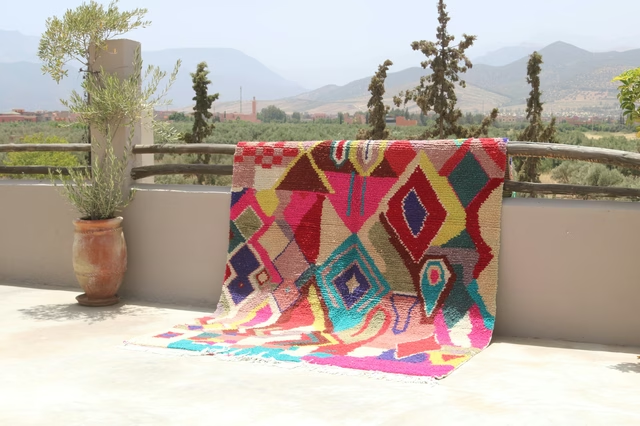
Azilal "Crimson Kaleidoscope"
308 × 200 cm
€1,797
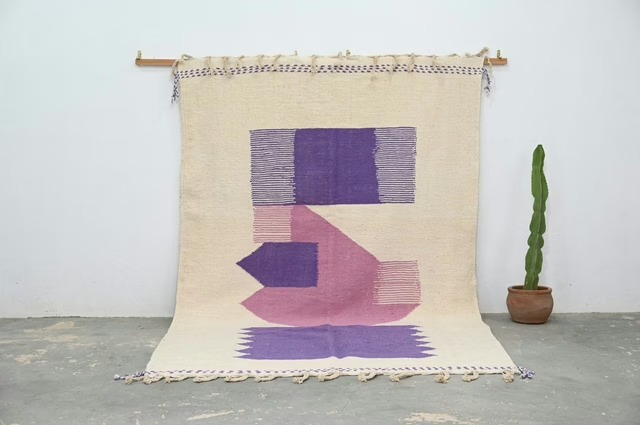
Azilal "Violet Graphic"
312 × 200 cm
€1,547
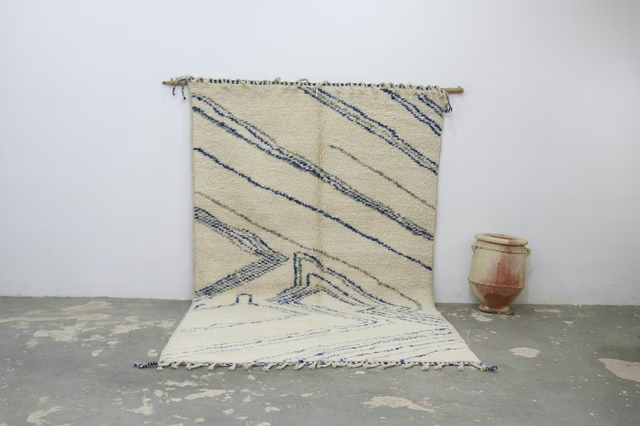
Azilal "Indigo Geometry"
335 × 200 cm
€1,797
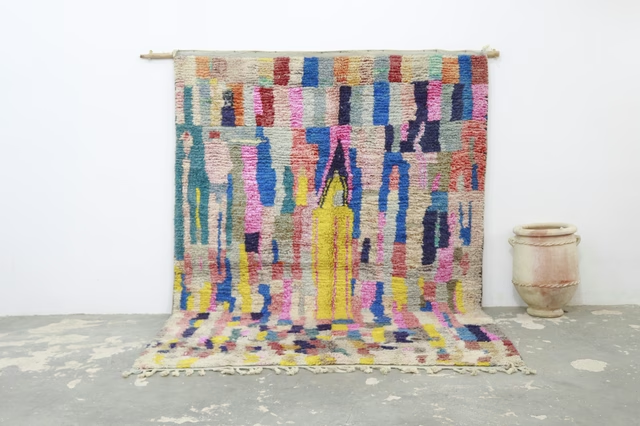
Azilal "Chromatic Towers"
300 × 220 cm
€1,797
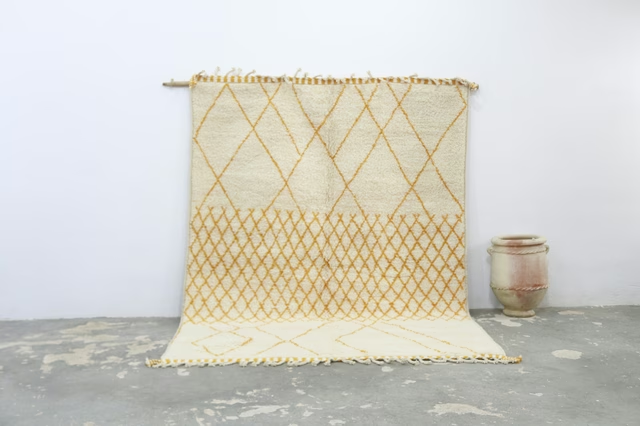
Azilal "Golden Lattice"
300 × 220 cm
€1,797
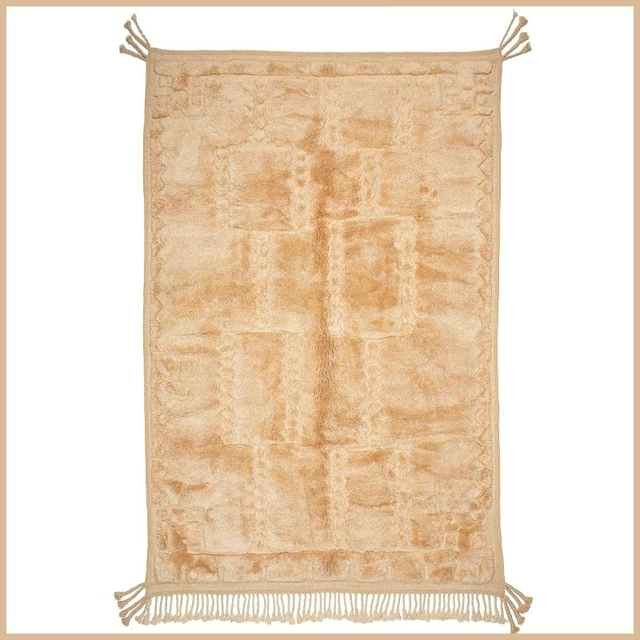
Beni Mrirt "Taupe Classic"
307 × 200 cm
€2,695
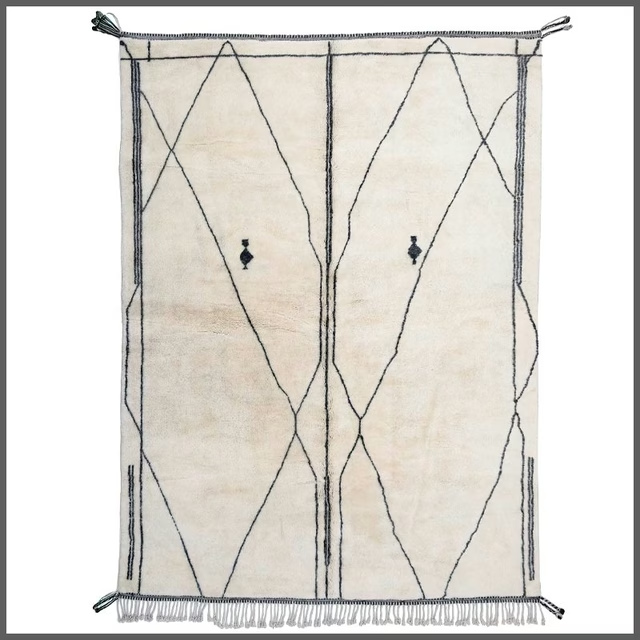
Beni Mrirt "Prestige Lattice"
400 × 300 cm
€5,698
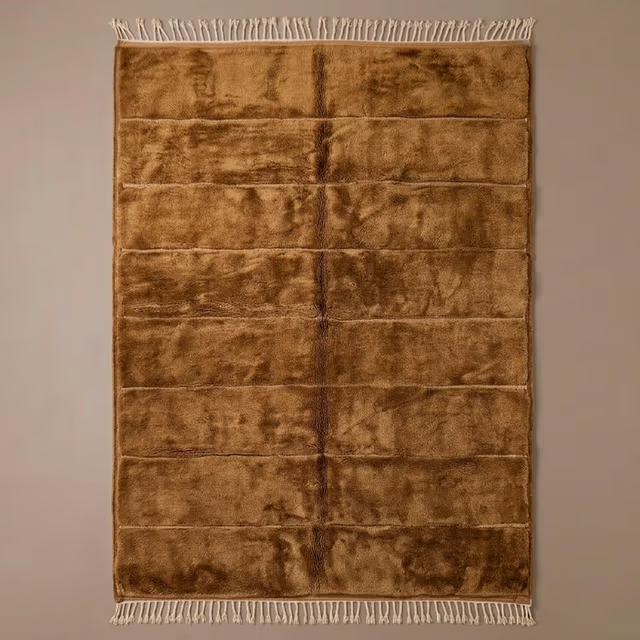
Beni Mrirt "Caramel Passage"
420 × 305 cm
€5,997
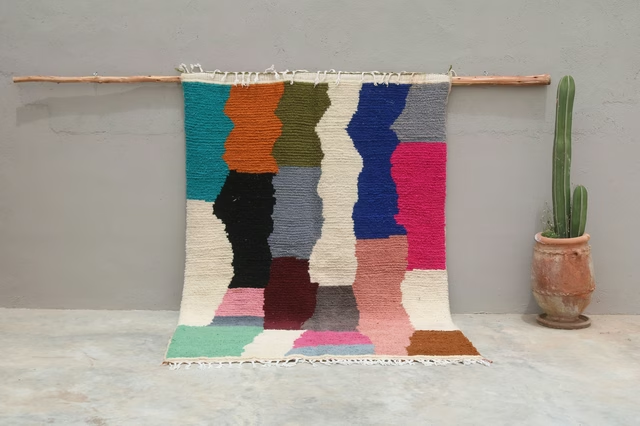
Azilal "Colour Quilt"
280 × 195 cm
€1,797
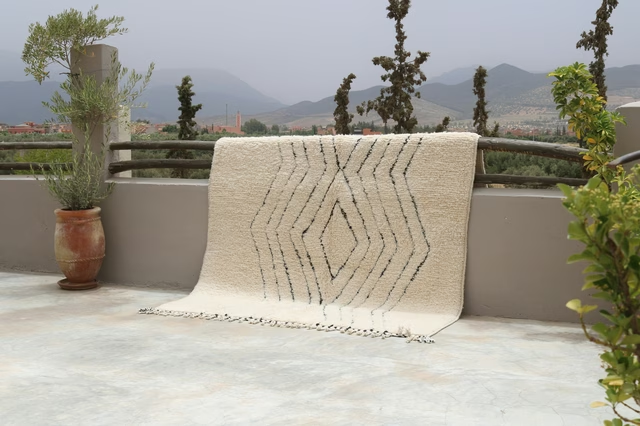
Beni Ouarain "Ink Diamonds"
310 × 210 cm
€1,797
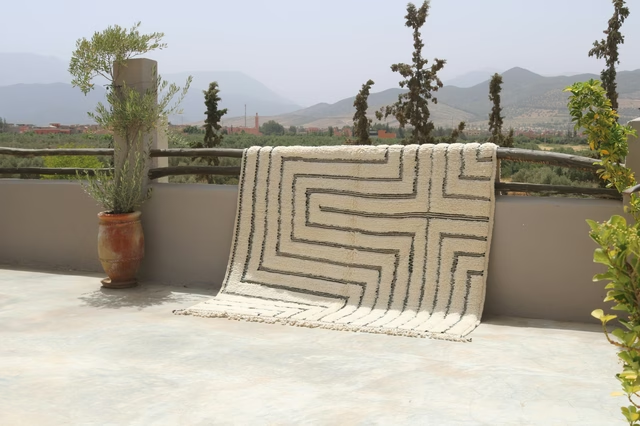
Beni Ouarain "Charcoal Labyrinth"
300 × 218 cm
€1,797
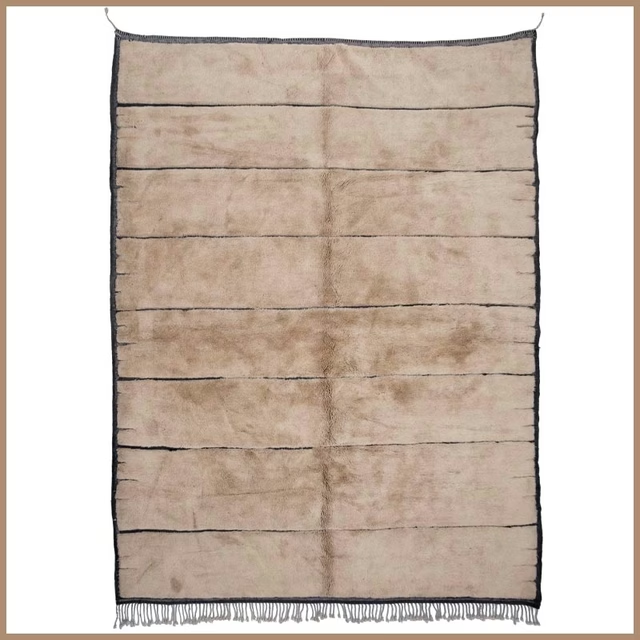
Beni Mrirt "Neutral Vertical"
300 × 400 cm
€4,827
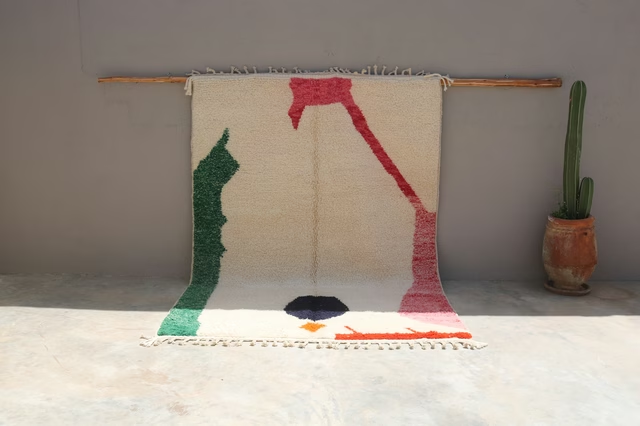
Azilal "Abstract Horizon"
300 × 210 cm
€1,797
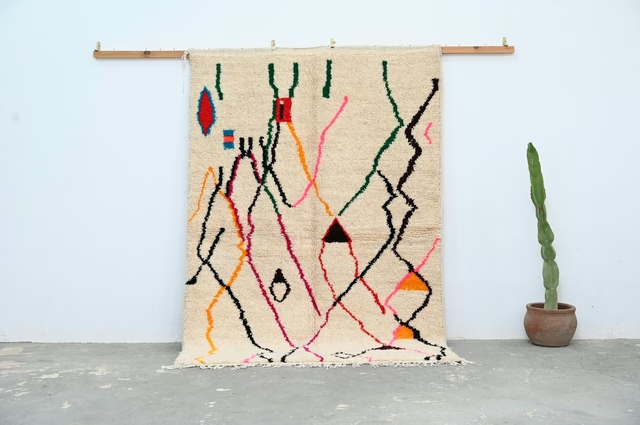
Azilal "Lattice Heritage"
228 × 152 cm
€1,157
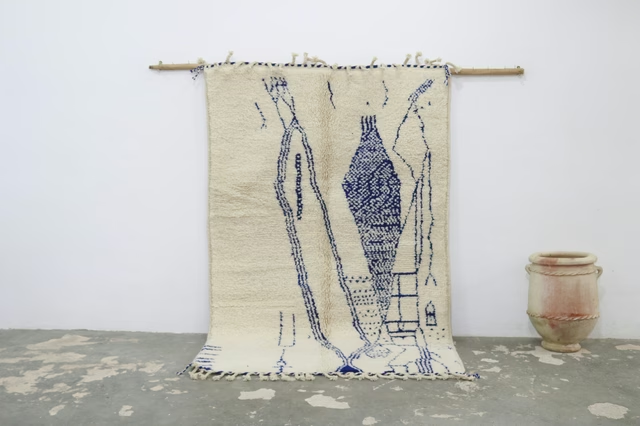
Azilal "Indigo Architecture"
250 × 160 cm
€1,297
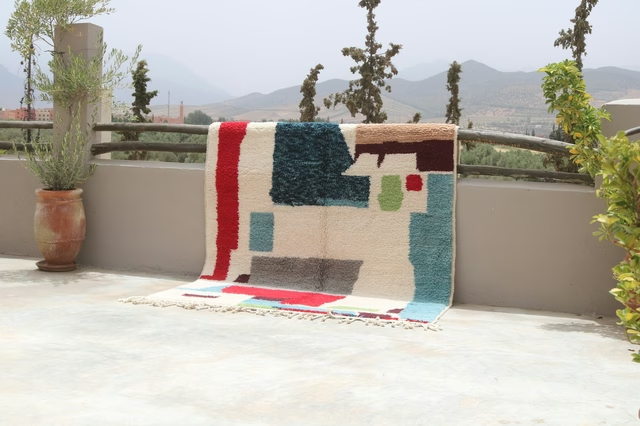
Azilal "Modern Fragments"
320 × 198 cm
€1,797
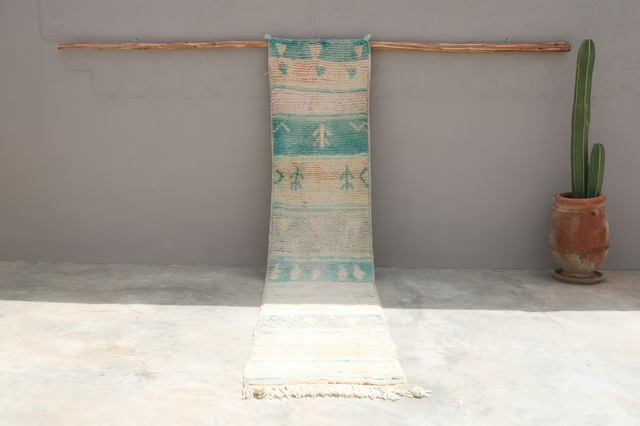
Azilal "Mint Passage"
380 × 80 cm
€1,547
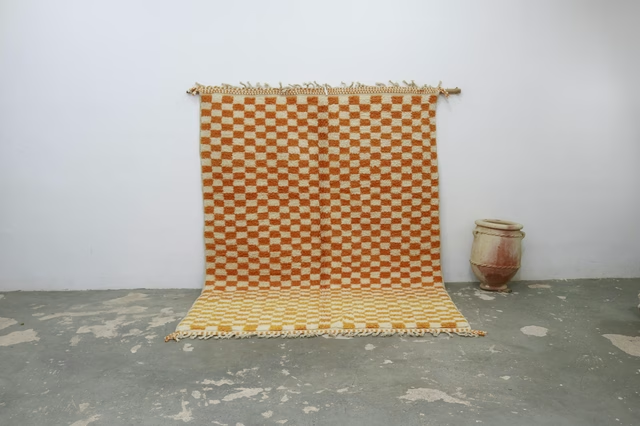
Azilal "Burnt Orange"
300 × 213 cm
€1,547
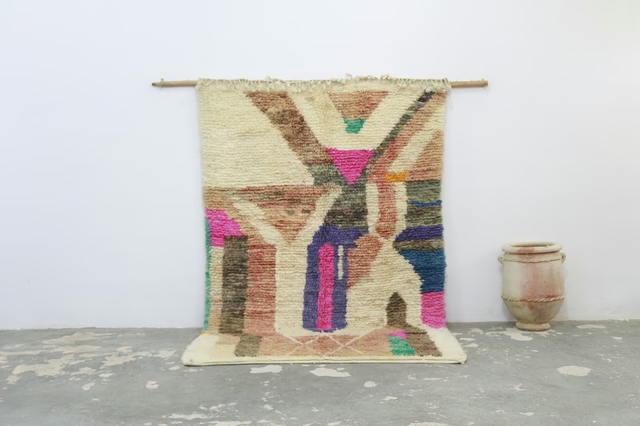
Azilal "Woven Geometry"
275 × 175 cm
€1,547
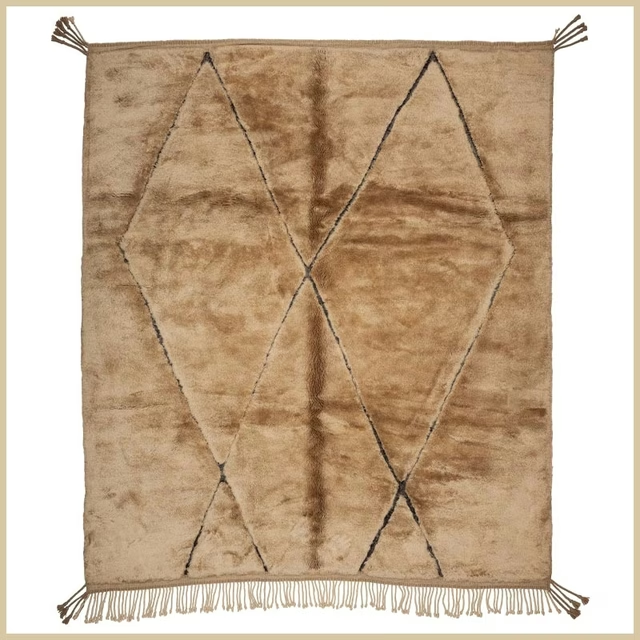
Beni Mrirt "Camel Lattice"
298 × 260 cm
€3,898
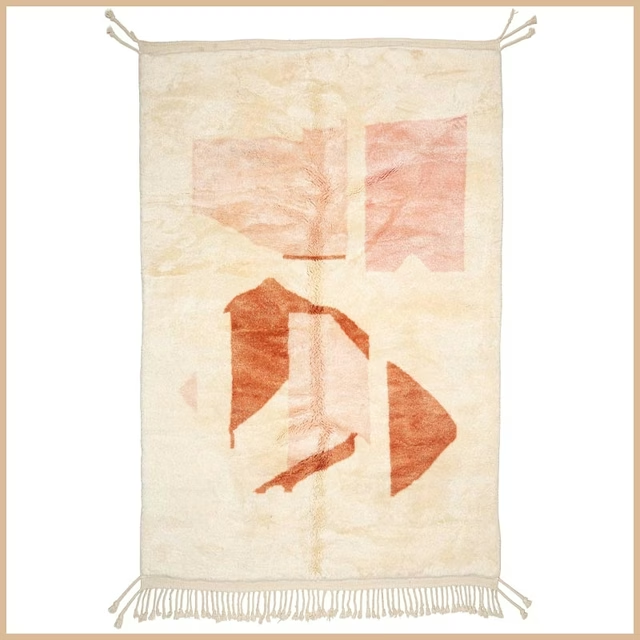
Beni Mrirt "Terra Graphic"
302 × 196 cm
€2,617
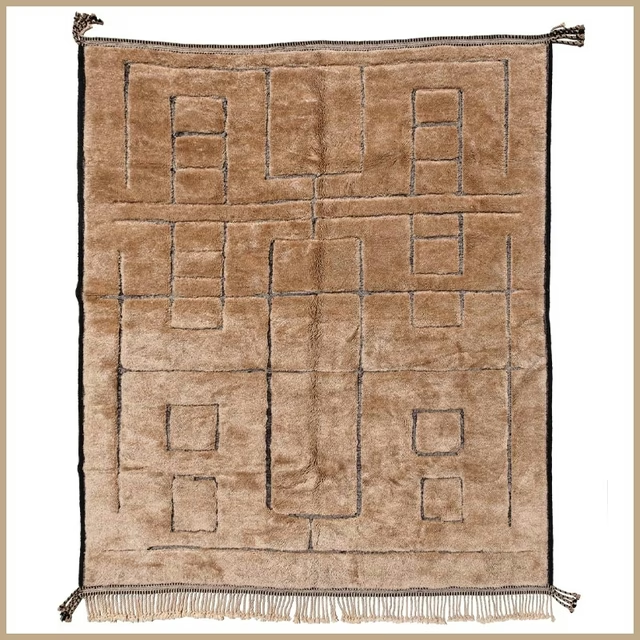
Beni Mrirt "Caramel Grid"
320 × 260 cm
€3,501
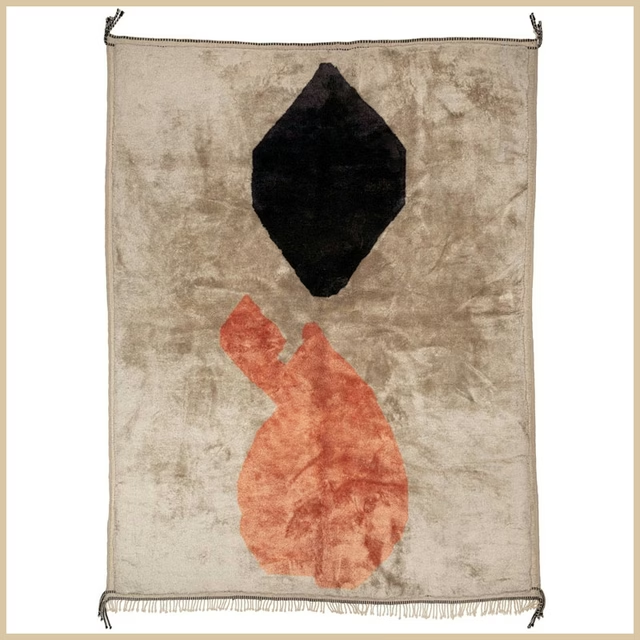
Beni Mrirt "Weathered Beige"
400 × 306 cm
€4,801
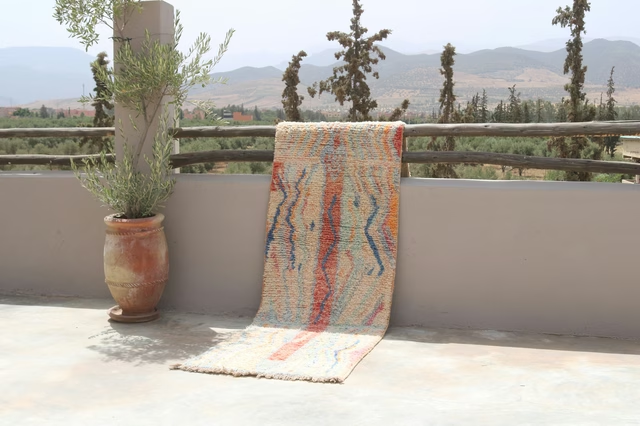
Azilal "Ember Traces"
310 × 82 cm
€1,547
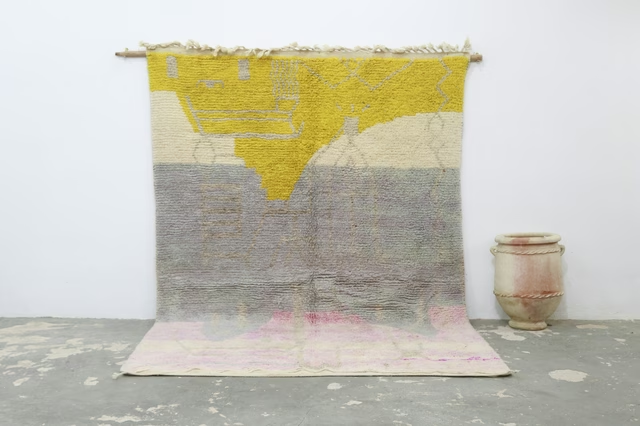
Azilal "Horizon Layers"
305 × 206 cm
€1,797
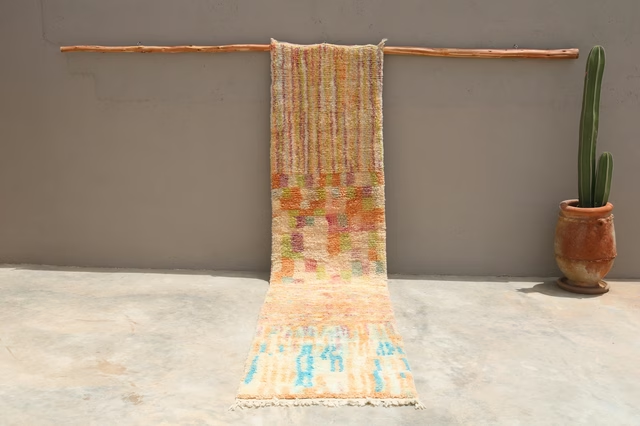
Azilal "Ochre Journey"
380 × 85 cm
€1,547
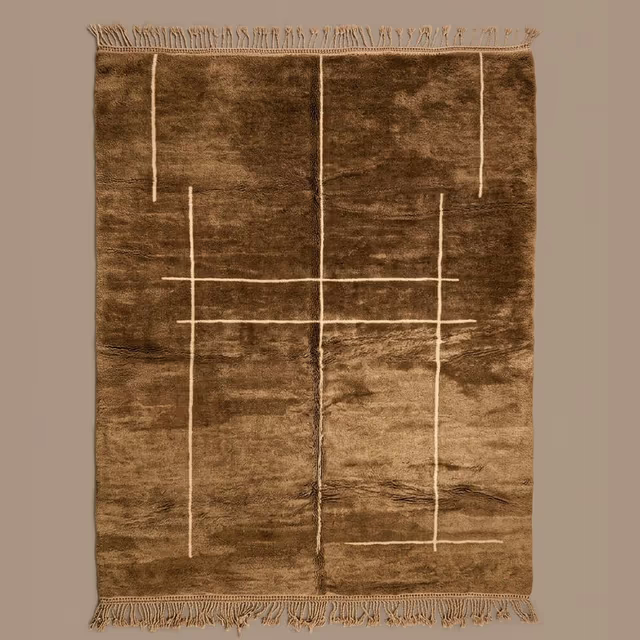
Beni Mrirt "Monumental Grid"
413 × 317 cm
€6,997
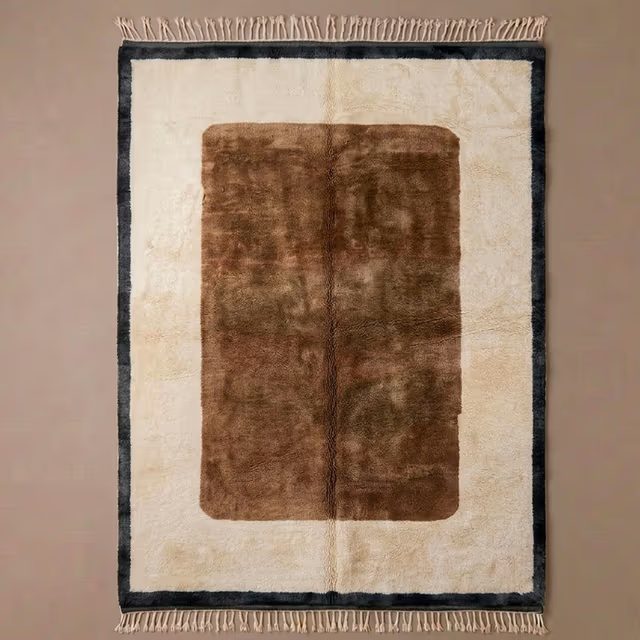
Beni Mrirt "Centered Field"
406 × 321 cm
€5,997
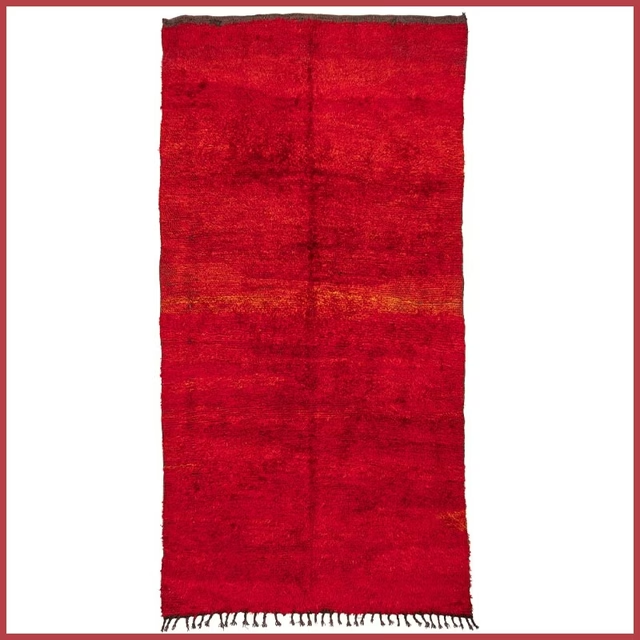
Beni Mguild "Linear Crimson"
341 × 172 cm
€4,041
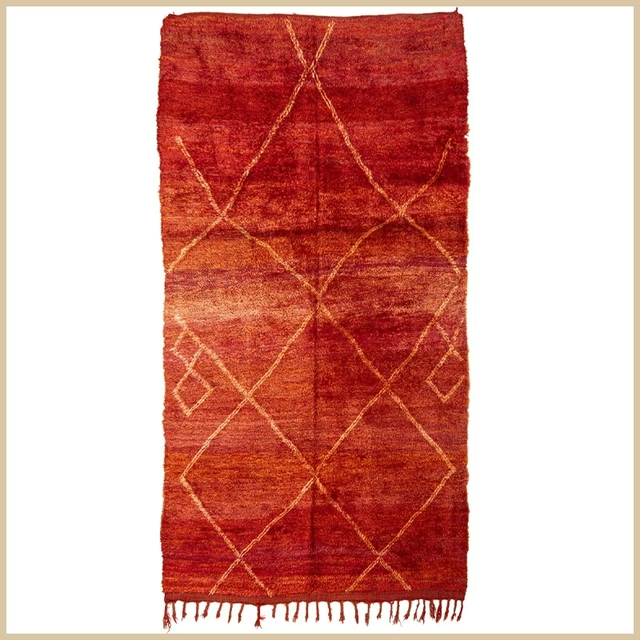
Beni Mguild "Burgundy Lattice"
346 × 180 cm
€4,255
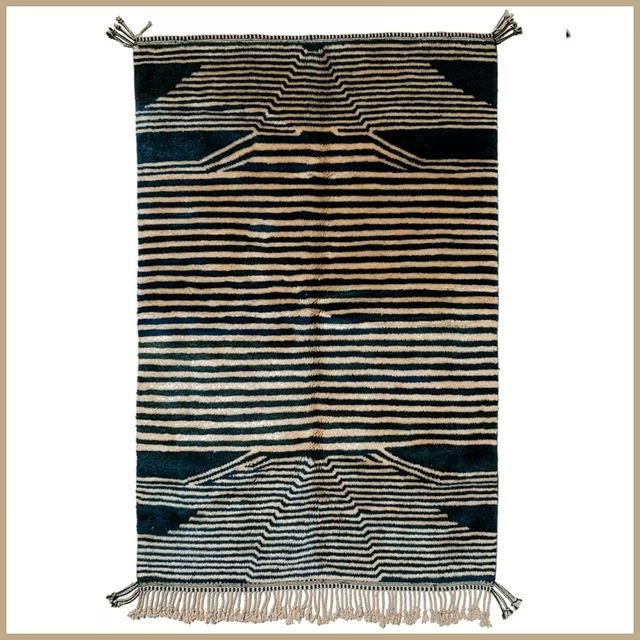
Beni Mrirt "Linear Shadow"
250 × 150 cm
€1,883
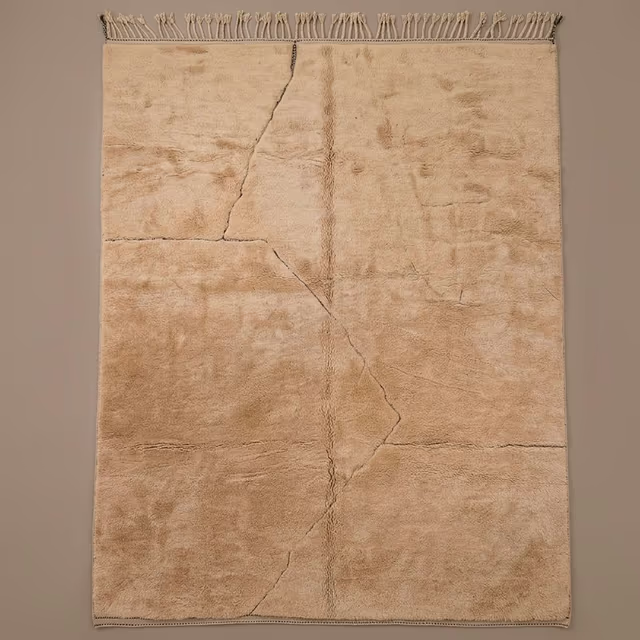
Beni Mrirt "Linen Archive"
416 × 312 cm
€5,997
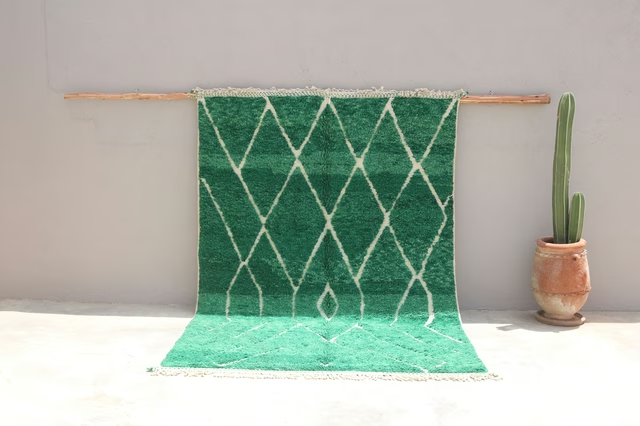
Azilal "Emerald Lattice"
300 × 205 cm
€1,797
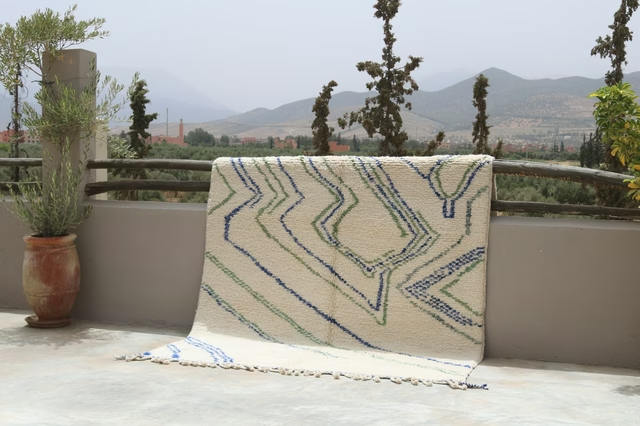
Azilal "Blue Contour"
310 × 200 cm
€1,797
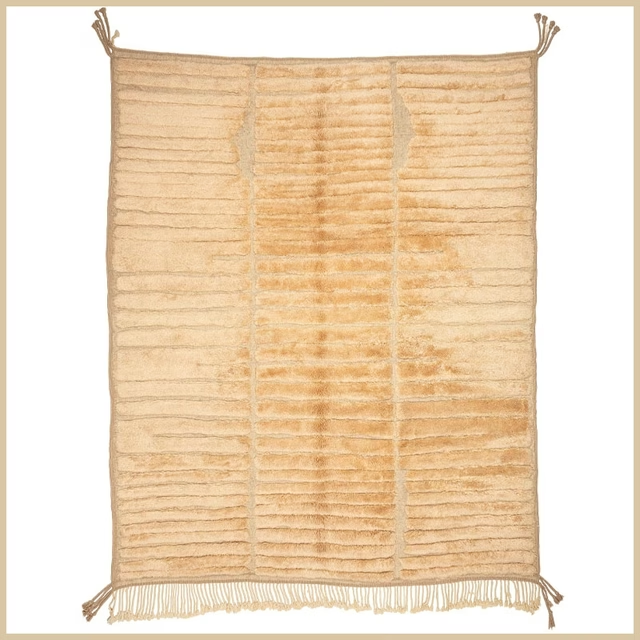
Beni Mrirt "Soft Linear"
309 × 250 cm
€3,872
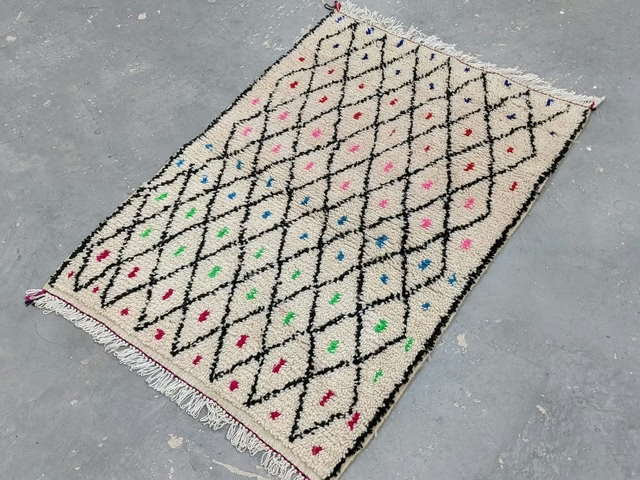
Azilal "Mountain Lattice"
154 × 105 cm
€1,577
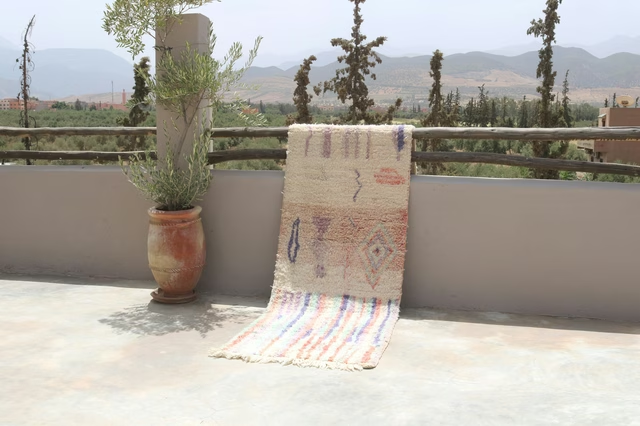
Azilal "Faded Ribbons"
310 × 87 cm
€1,547
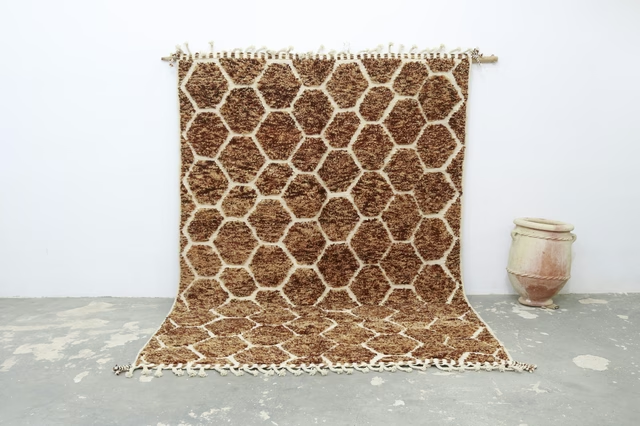
Azilal "Honeycomb Earth"
300 × 210 cm
€1,547
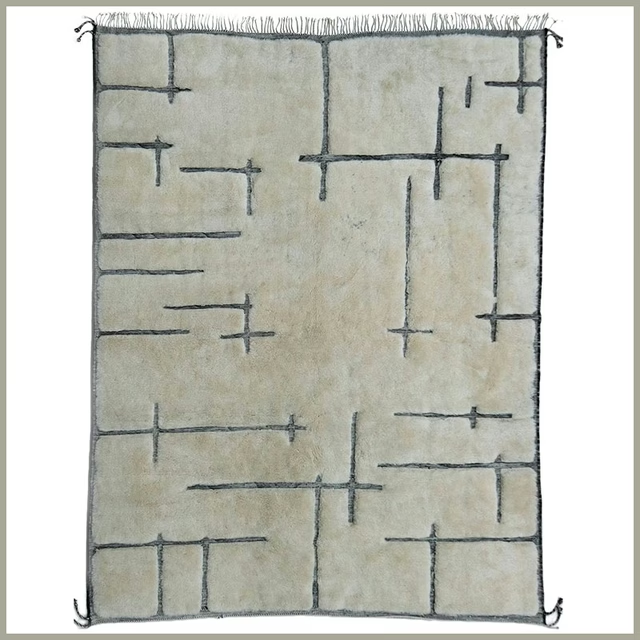
Beni Mrirt "Warm Neutral"
394 × 305 cm
€5,837
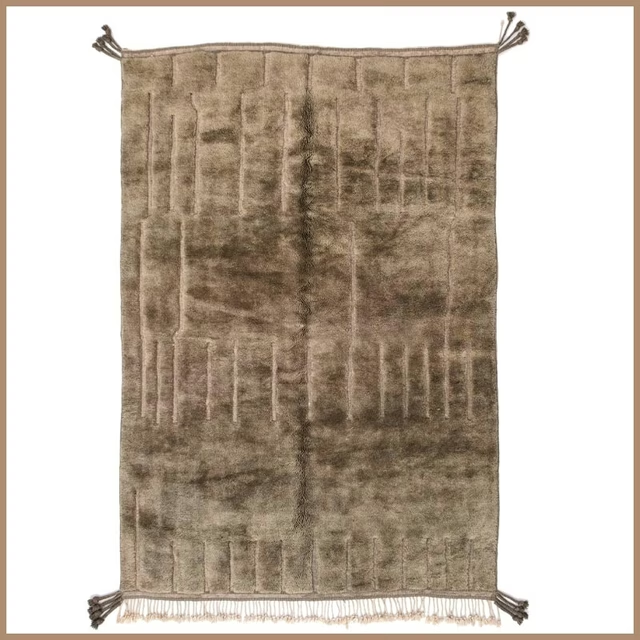
Beni Mrirt "Taupe Linear"
300 × 200 cm
€2,689
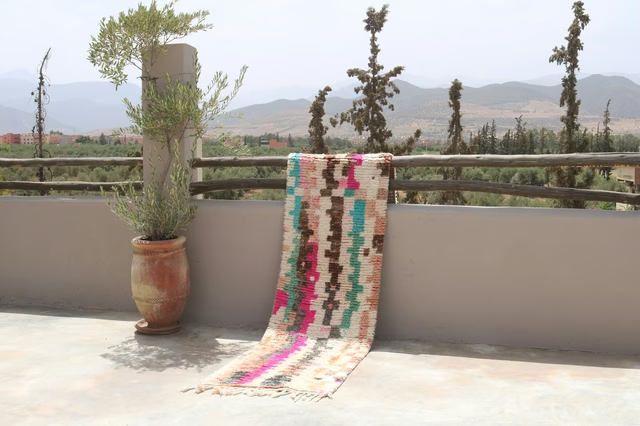
Azilal "Fuchsia Ladder"
305 × 70 cm
€1,547
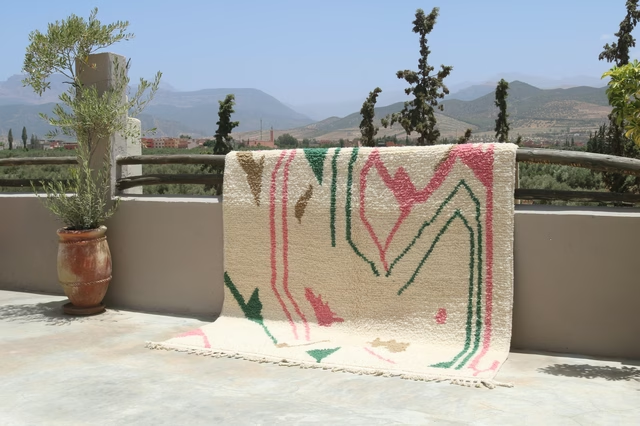
Azilal "Garden Script"
310 × 208 cm
€1,797
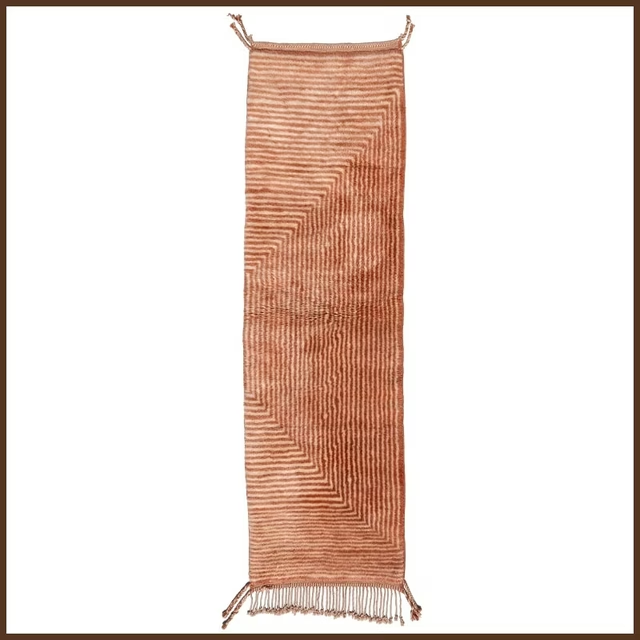
Beni Mrirt "Rust Runner"
320 × 95 cm
€1,629
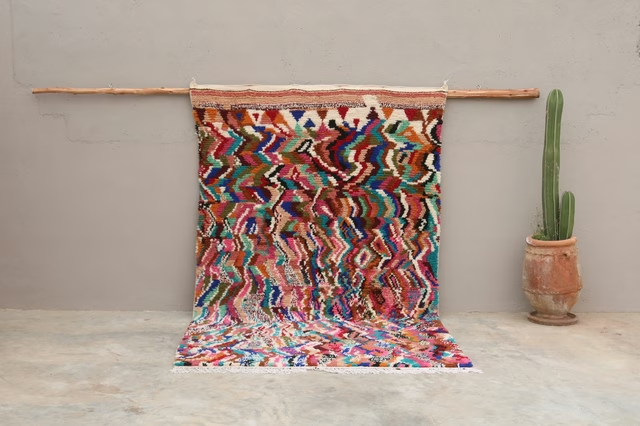
Azilal "Electric Waves"
310 × 186 cm
€1,797
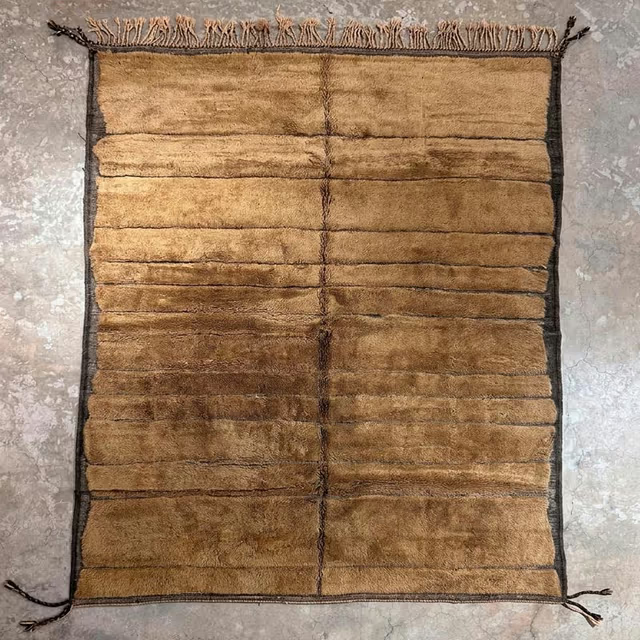
Beni Mrirt "Golden Passage"
313 × 251 cm
€3,997
Scale decides almost everything
A small repeating pattern, such as a fine diamond lattice or a tight grid, reads as texture from across the room. It is easy to place. It lives happily with a patterned sofa, a full bookcase or printed curtains, because the eye takes it as a surface and not as a picture.
A large pattern, three big diamonds, a few fields of colour, a single frame, is read as a composition. It asks for a calmer room. The guide is simple: the more there is going on above the floor, the smaller and more regular the pattern on it should be. White walls and little furniture can take one bold graphic rug and need nothing else.
Three families of geometric rug
The first is the lattice: diagonal lines crossing to make diamonds, or straight lines making squares. It is the classic geometry of Berber rugs, and in two colours, ivory and charcoal or camel and cream, it suits almost any living room.
The second is lines and bands, the most restrained and the most architectural. The third is graphic composition: blocks of colour, stepped shapes, triangles, divided fields. It is closer to abstract painting than to traditional weaving and is the most contemporary of the three. Many rugs sit somewhere between these families.
Geometry drawn by hand
On a machine-made rug the geometry is perfect, and perfect geometry is cold. Every angle matches, every line is straight to the millimetre. In a hand-knotted rug one diamond is a little wider than its neighbour, a line drifts by half an inch, a grid loosens towards one side. The eye registers this without analysing it, and the rug feels warm.
One practical point follows. Do not push a hand-knotted rug with lines hard against a skirting board or a long, straight piece of furniture. Side by side, the wander in the lines shows as a fault. Move the rug a few inches away and the same wander becomes its character.
What to put with a geometric rug
Keep to one large geometric pattern per room. If the rug has big diamonds, let the wallpaper, curtains and cushions be plain or finely patterned. Two geometric designs of the same scale fight each other. Geometry and organic pattern, on the other hand, flatter one another: a floral print or a large plant softens the lines.
Round shapes work especially well. A circular coffee table, a globe lamp or a chair with a curved back takes the edge off the angles on the floor. As for colour, two are always easier than five. If the rug is multicoloured, keep the rest of the room to neutrals and wood.
The geometric rugs in this selection
One hundred and fifty rugs. Seventy-one are Beni Mrirt, dense and crisply drawn. Fifty-nine are Azilal, lighter and freer. There are also fourteen Beni Ourain and six Beni Mguild. Sixty carry lines or bands, forty-two have diamonds, twenty-two are built from blocks of colour and ten have grids. Forty-three have an ivory or cream ground and thirty-four are multicoloured.
Seventy-six measure around 6 ft 7 in by 9 ft 10 in. Thirty-seven are larger than 86 square feet, for big rooms. The remaining thirty-seven are mid-sized pieces, runners and small rugs. Each rug is one of a kind, with its exact measurements on its own page. Delivery is free worldwide, duties and taxes included.
What you can verify about us
- Origin
- Made in MoroccoHand-knotted Berber rugs from the Atlas regions. Every rug is one of a kind.
- Construction
- Hand-knotted woolVerified at every stage — never machine-tufted.
- Delivery
- Duties includedFree shipping; import duties and taxes are included in the price.
- Returns
- 14 daysIn condition received, full refund of the purchase price.
Frequently Asked
Questions
- Do you get tired of a geometric rug?
- Only if the pattern is too large or too high in contrast for the room. A small two-colour repeat reads as texture and wears well over time.
- What goes with a geometric rug?
- Plain fabrics, round furniture and organic elements such as plants or a floral print. Avoid a second geometric pattern of the same scale.
- Why are the lines on my rug not perfectly straight?
- Because it is knotted by hand. Small differences between one diamond and the next are typical of these rugs and are what makes them look warm.
- Which geometric pattern is easiest to place?
- A two-colour diamond lattice or simple lines. Ivory with charcoal, or camel with cream, suits most sofas and rooms.
Sources & References
What this page rests on
- 1. Berber Symbol Documentation
- 2. Royal Institute of Amazigh Culture

The person behind the piece
“Before you buy, I’ll send you a video of the actual rug in natural light — not a stock photo. I answer the messages myself.”
I’m Youssef. I started ARINID because this market is full of middlemen and machine-made imitations sold as the real thing — and I grew up close enough to the looms to know the difference.
Every piece we list is one of a kind, hand-knotted in Morocco. If you want to talk through sizing for your room, I’m on the other end of the message. A rug at this level is a thirty-year decision. You should be able to look the person selling it to you in the eye.
Youssef
Founder, ARINID
The next step
See every rug we currently offer
Each piece is hand-knotted in Morocco and delivered to your door, with shipping, duties and taxes included.