Rug Pad: Which Pad Suits Which Floor, and When You Need One
Last updated
A rug pad keeps a rug where you put it. That sounds like a detail and turns out to be what decides daily life with a rug: no turned-up corner at the door, no ripple under the coffee table, no runner wandering down the hall. A pad also protects in both directions, the knots of the rug from grinding on a hard floor and the floor from the grit that collects under every rug. Which pad is right depends on the floor more than on the rug. This guide sorts out the options.
From the Atelier
Currently in our collection
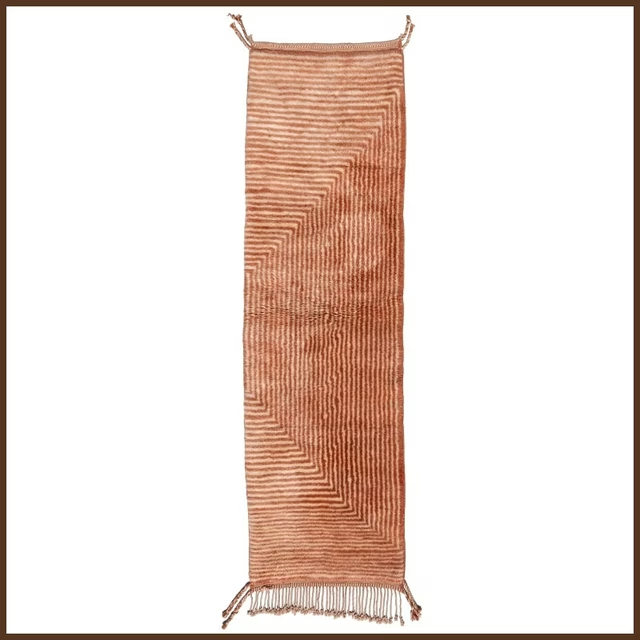
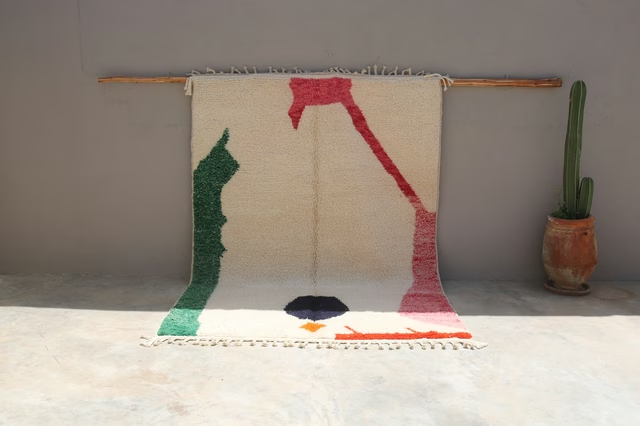
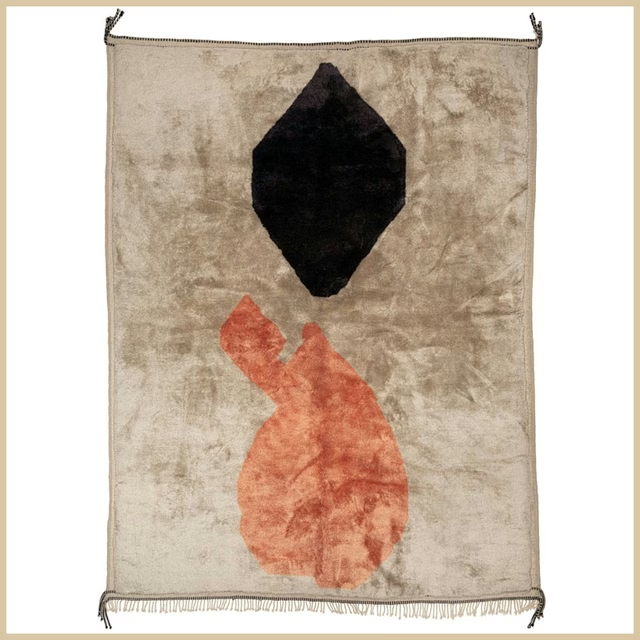
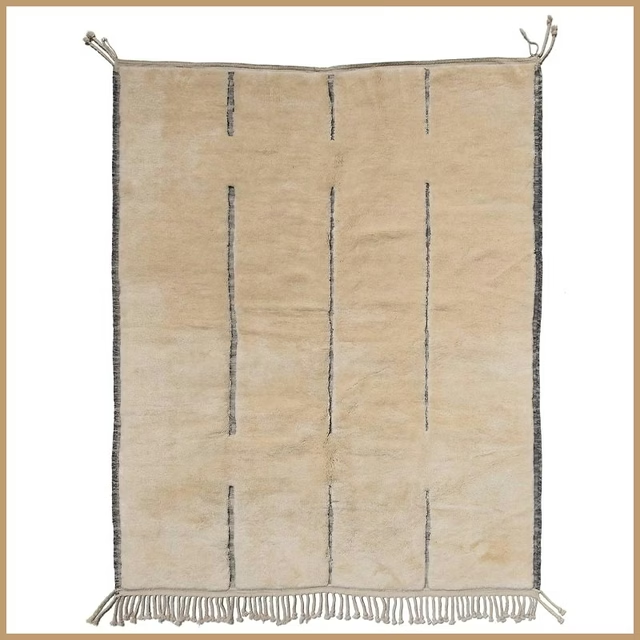
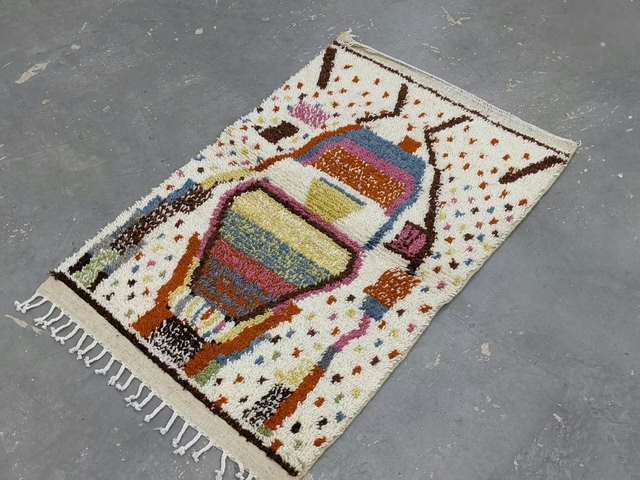
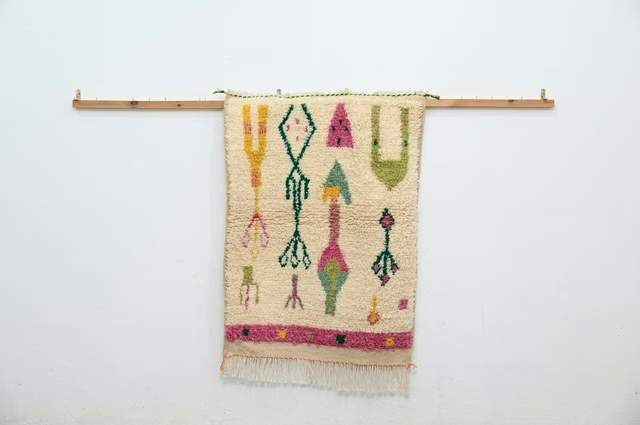
When a rug needs a pad and when it does not
It is essential under anything light and narrow: hallway runners, small rugs by the bed or inside the door, thin flat weaves. These slide on a smooth floor at every step, and a rug that slides is a hazard. Here the question is safety before anything else.
A large, densely knotted wool rug often lies still unaided. Its own weight and the furniture on it hold it in place. A pad can still be worthwhile: when part of the rug lies free and ripples, when the floor is very slick, or when a delicate timber floor needs protecting from the fine grit that sifts through any rug.
Grid, felt, natural rubber
The open grid is the familiar kind: a mesh with a grippy coating, thin, cheap and easy to cut. It holds well and adds almost no height, but gives no cushioning. For most rugs on tile and stone it is the simple answer.
Felt pads are thicker and make a rug noticeably softer and quieter. They suit thin rugs, though plain felt will slide by itself. The best pads combine the two: natural rubber to grip the floor, felt to cushion. Double-sided tape is best avoided. It leaves residue on the floor and pulls at the back of the rug.
Hardwood, laminate and vinyl: mind the plasticisers
On sealed hardwood, on laminate and above all on vinyl plank, not every non-slip pad is harmless. Cheap grids made of soft PVC contain plasticisers that can migrate into the floor finish over time. The result is a yellowish print of the grid pattern that cannot be removed.
Look for a pad described as safe for your type of floor and free of PVC. Natural rubber with felt is generally regarded as the safer choice for timber and vinyl. Oiled floors also need air. Lift the rug now and then so that the wood beneath does not darken differently from the rest.
Tile, stone and underfloor heating
Tile and stone are tough and slippery. A grid is enough. What matters is that the floor is clean and dry when the pad goes down, because dust under a pad acts like ball bearings. Wipe the floor first and rinse the pad from time to time, and it will grip as it did on the first day.
Over underfloor heating, a pad should be thin and open so that heat can pass. Thick felt or foam adds insulation where you do not want it. Check that the manufacturer rates the pad for heated floors, since some coatings turn tacky when warm.
Cutting, laying and looking after it
Cut the pad one to two inches smaller than the rug all round. It stays out of sight, and the edge of the rug can settle flat on the floor. Hand-knotted rugs never have perfectly straight sides, so lay the rug on the pad and trace its outline instead of cutting to a measurement.
Under a runner, use one piece for the full length, not just a patch at each end. Once a year, take up rug and pad, clean the floor and put both back. As a rule of thumb for our own rugs, the dense, heavy Beni Mrirt usually lie securely by themselves, while runners and smaller Azilal are better with a pad.
What you can verify about us
- Origin
- Made in MoroccoHand-knotted Berber rugs from the Atlas regions. Every rug is one of a kind.
- Construction
- Hand-knotted woolVerified at every stage — never machine-tufted.
- Delivery
- Duties includedFree shipping; import duties and taxes are included in the price.
- Returns
- 14 daysIn condition received, full refund of the purchase price.
Frequently Asked
Questions
- What kind of rug pad is safe for hardwood floors?
- One made without PVC, ideally natural rubber and felt. Cheap soft-PVC grids can leave permanent marks on sealed timber and on vinyl.
- Does a heavy wool rug need a rug pad?
- Often not. A dense, large rug is held by its weight and the furniture on it. A pad is useful on very smooth floors, where the rug ripples, or to protect a delicate floor.
- What size rug pad do I need?
- One to two inches smaller than the rug on every side. It stays hidden and lets the edges of the rug lie flat.
- Can you use a rug pad with underfloor heating?
- Yes, if it is thin, open and rated for heated floors. Thick felt or foam pads hold back heat and are not suitable.
Sources & References
What this page rests on
- 1. Hardwood Floor Manufacturers Association
- 2. Rug Padding Industry Council

The person behind the piece
“Before you buy, I’ll send you a video of the actual rug in natural light — not a stock photo. I answer the messages myself.”
I’m Youssef. I started ARINID because this market is full of middlemen and machine-made imitations sold as the real thing — and I grew up close enough to the looms to know the difference.
Every piece we list is one of a kind, hand-knotted in Morocco. If you want to talk through sizing for your room, I’m on the other end of the message. A rug at this level is a thirty-year decision. You should be able to look the person selling it to you in the eye.
Youssef
Founder, ARINID
The next step
See every rug we currently offer
Each piece is hand-knotted in Morocco and delivered to your door, with shipping, duties and taxes included.