Berber Symbols in Rugs: The Motifs and What Can Honestly Be Said
Last updated
Berber symbols are the small geometric signs that appear in Moroccan rugs: diamonds, zigzags, crosses, combs, chevrons, now and then a figure. They are among the most written-about features of these rugs and among the least certain. Shops and books offer confident dictionaries in which each sign stands for one idea. The weavers' own explanations, where they have been recorded, do not agree with one another. This page describes the motifs you will actually see, sets out the meanings commonly attached to them, and is honest about how much of that is tradition, how much is interpretation and how much is sales talk.
From the Atelier
Berber Symbols in Rugs currently in our collection 61
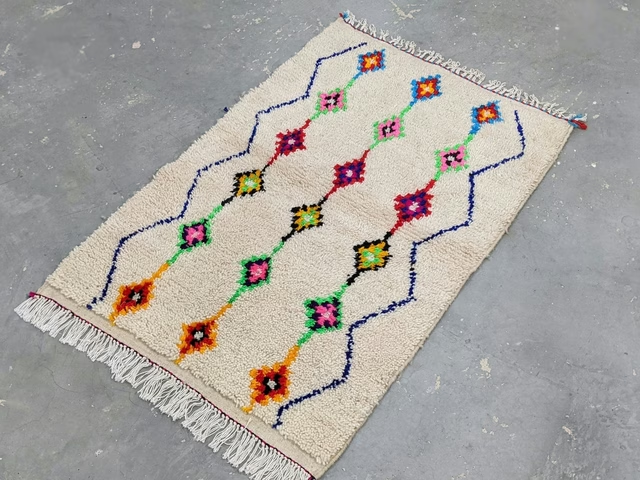
Azilal "Intimate Symbols"
150 × 103 cm
€1,577
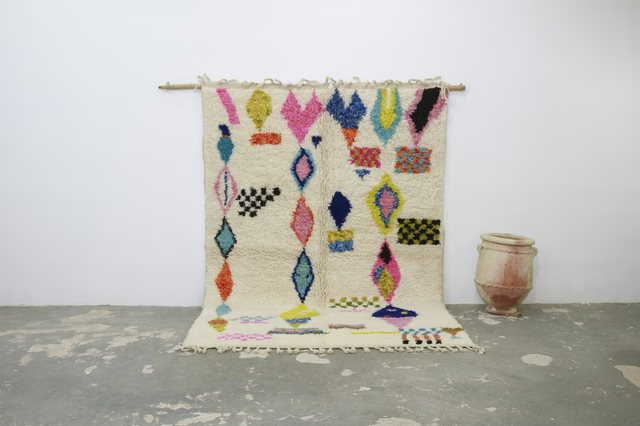
Azilal "Chromatic Symbols"
280 × 200 cm
€1,547
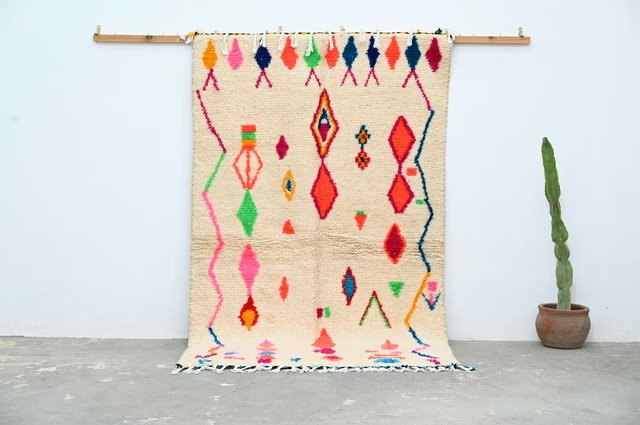
Azilal "Woven Stories"
246 × 146 cm
€1,235
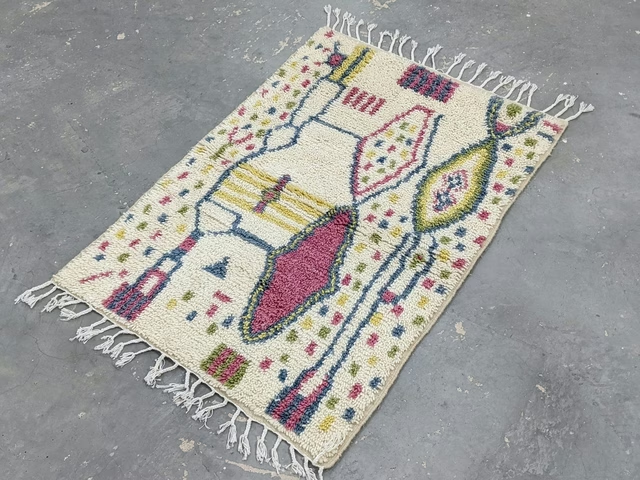
Azilal "Ancient Echo"
149 × 103 cm
€1,577
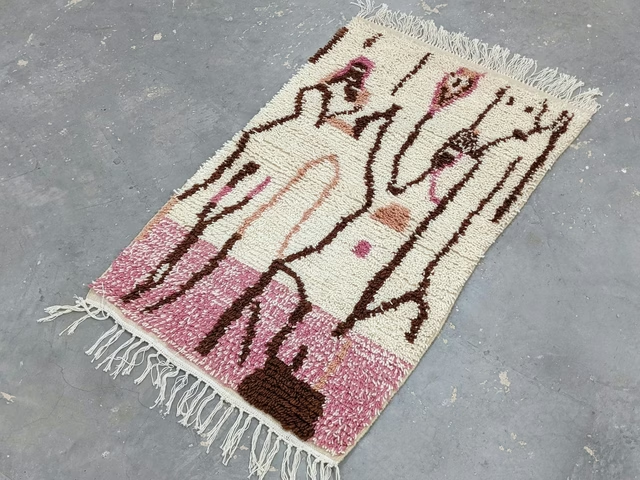
Azilal "Petite Heritage"
152 × 93 cm
€1,525
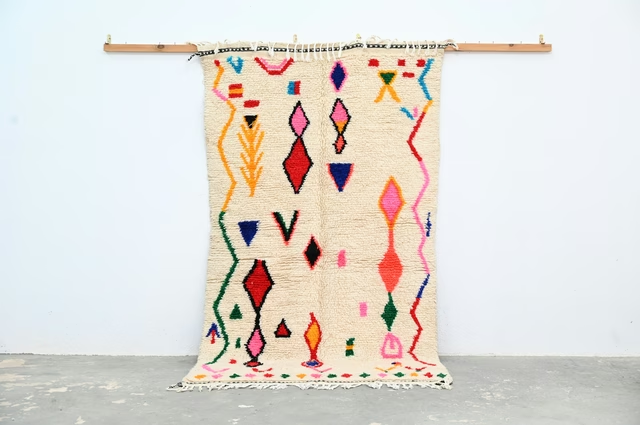
Azilal "Sacred Geometry"
231 × 131 cm
€1,157
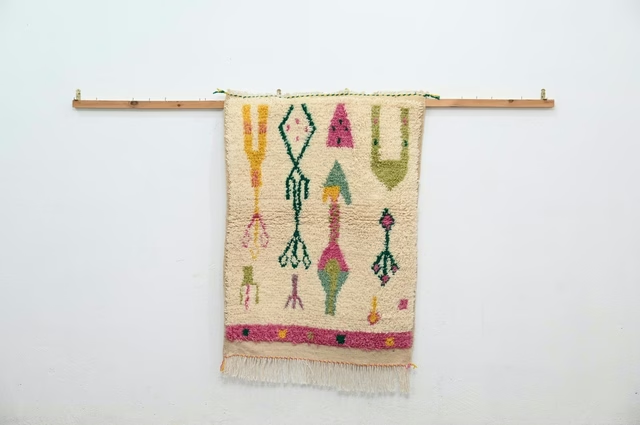
Azilal "Intimate Tale"
138 × 106 cm
€1,525
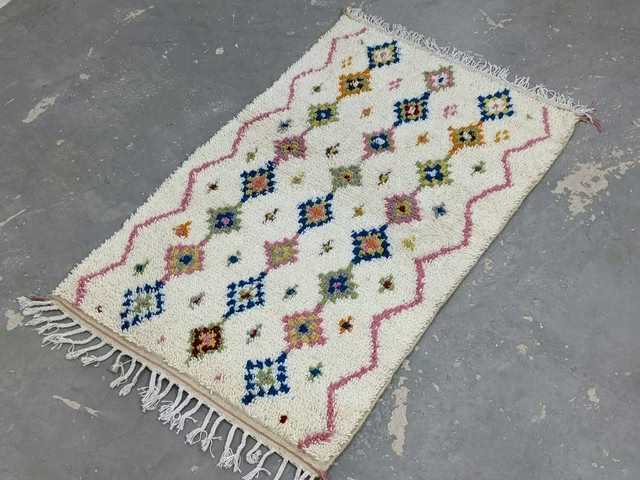
Azilal "Warm Embrace"
152 × 98 cm
€1,525
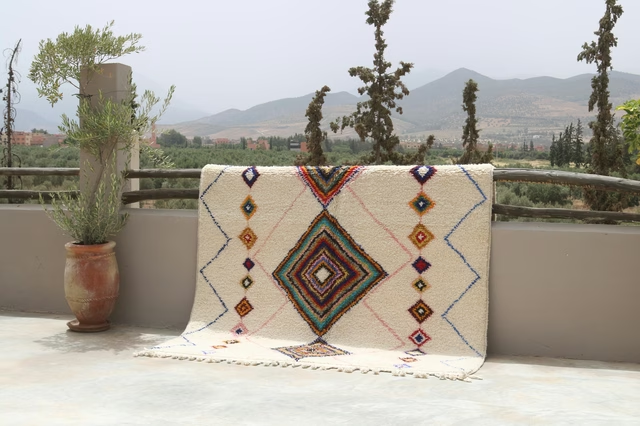
Azilal "Ember Medallion"
300 × 220 cm
€1,797
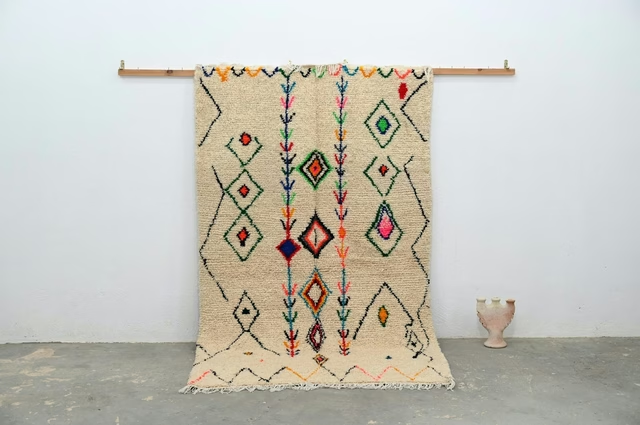
Azilal "Weaver's Mark"
253 × 154 cm
€1,235
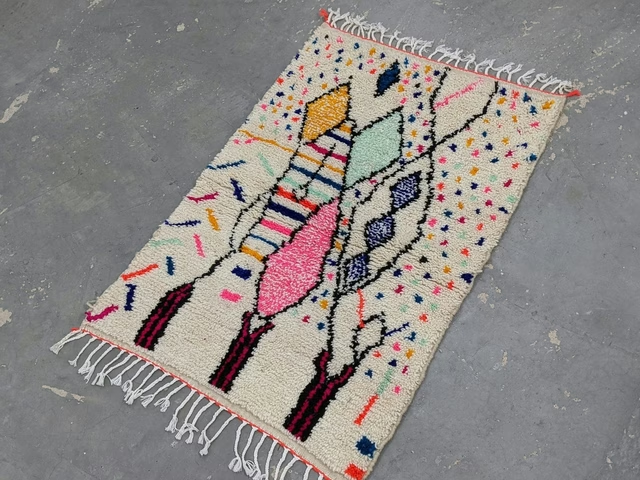
Azilal "Petite Poem"
138 × 97 cm
€1,525
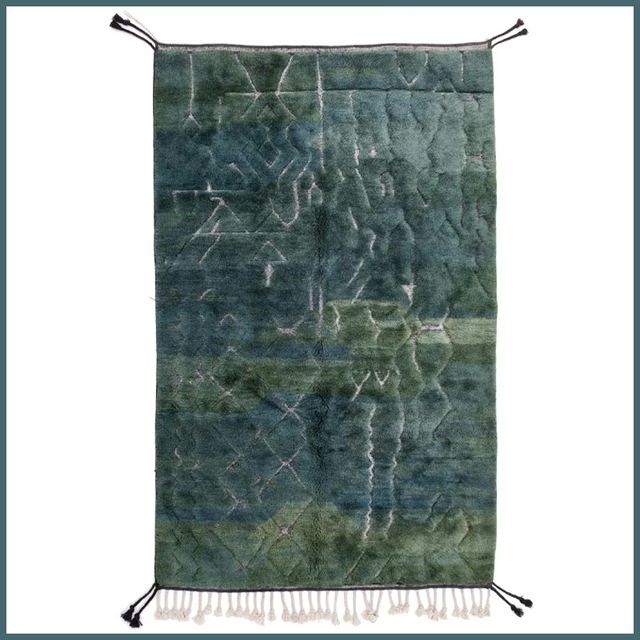
Beni Mrirt "Ocean Depths"
300 × 200 cm
€3,124
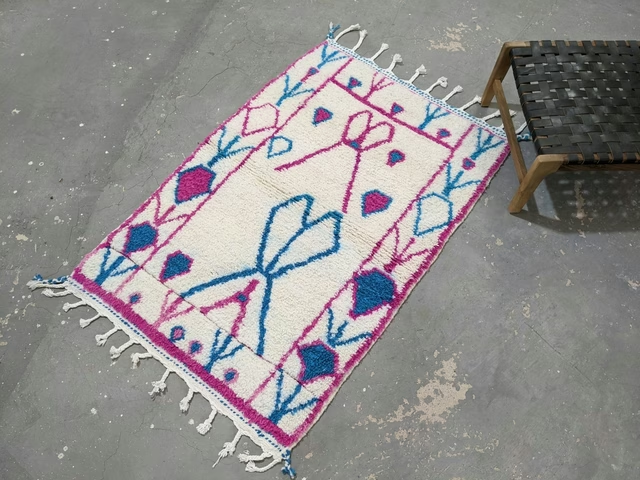
Azilal "Desert Echo"
160 × 108 cm
€1,577
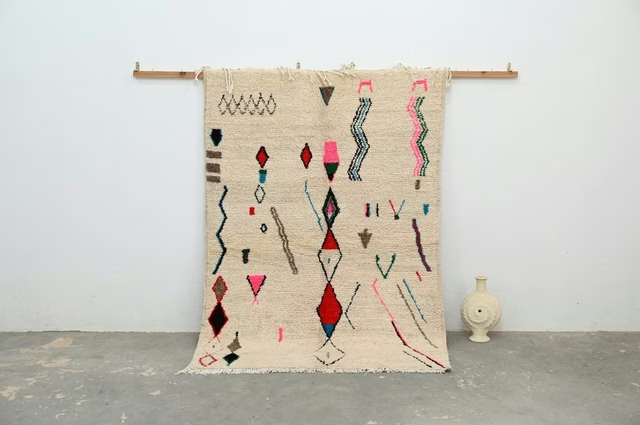
Azilal "Mountain Script"
223 × 157 cm
€1,235
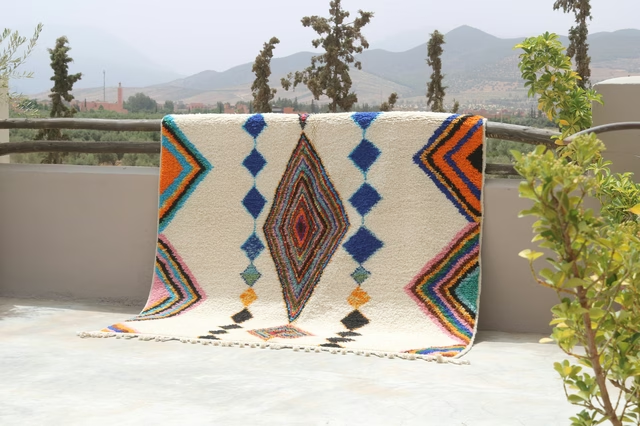
Azilal "Cobalt Diamonds"
300 × 210 cm
€1,797
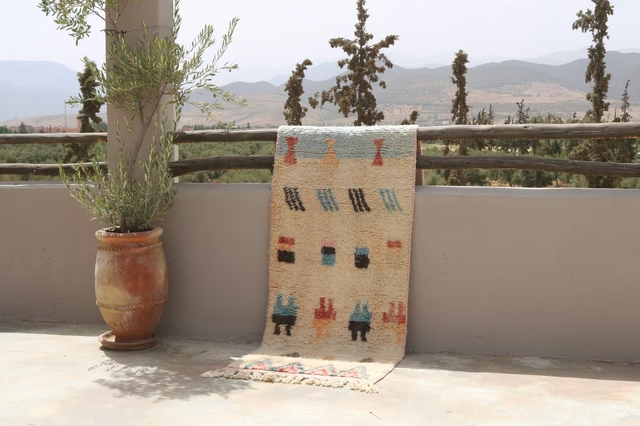
Azilal "Village Figures"
300 × 80 cm
€1,547
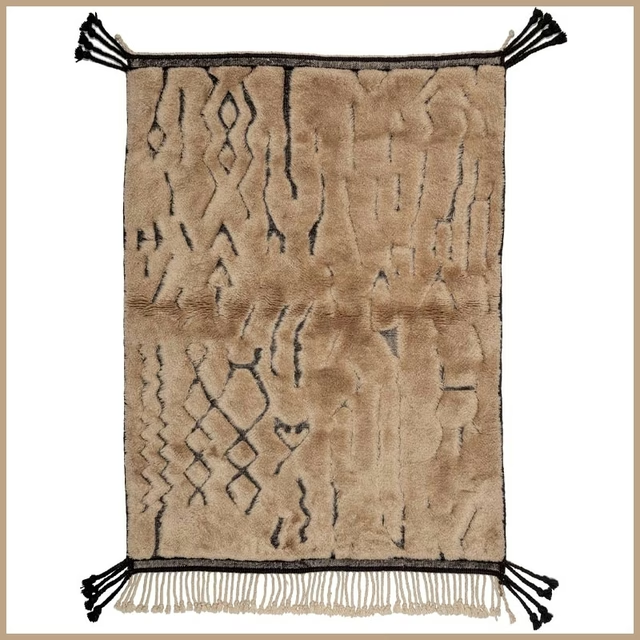
Beni Mrirt "Taupe Symbols"
182 × 134 cm
€1,603
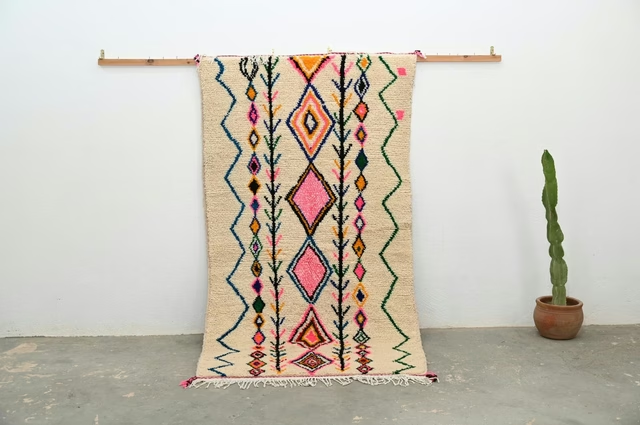
Azilal "Wheat Fields"
243 × 131 cm
€1,157
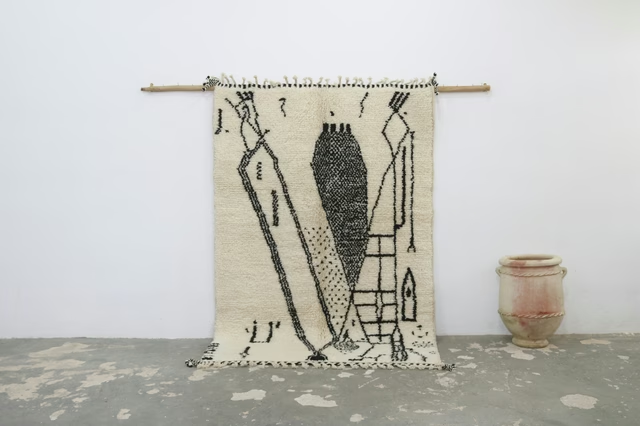
Azilal "Tribal Figures"
233 × 157 cm
€1,297
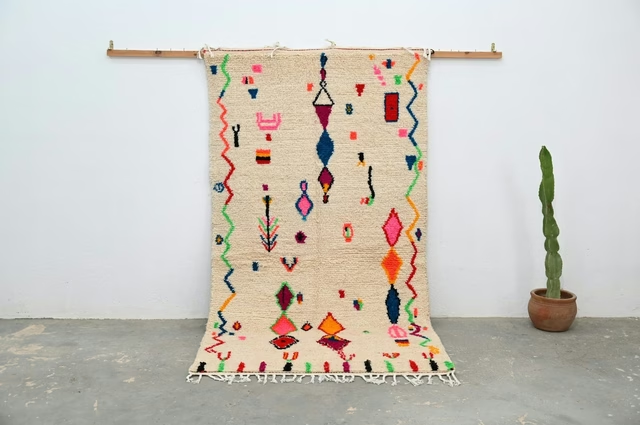
Azilal "Cotton Cloud"
262 × 142 cm
€1,235
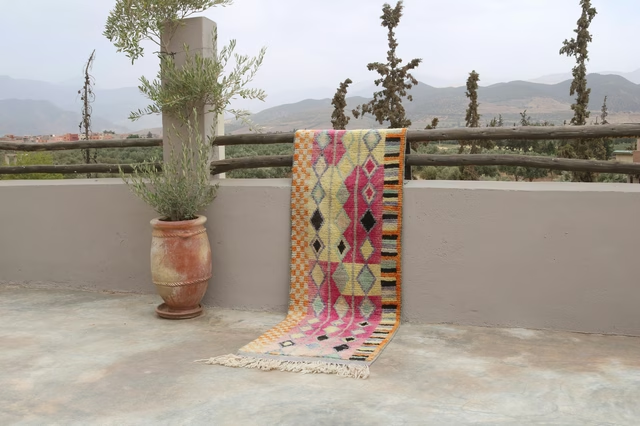
Azilal "Saffron Diamonds"
300 × 76 cm
€1,547
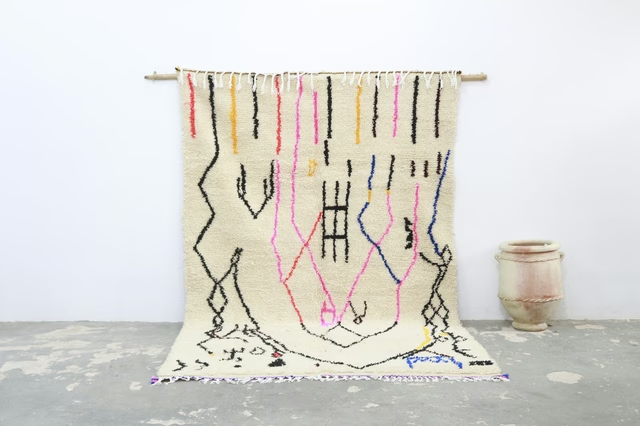
Azilal "Sketch Lines"
305 × 200 cm
€1,547
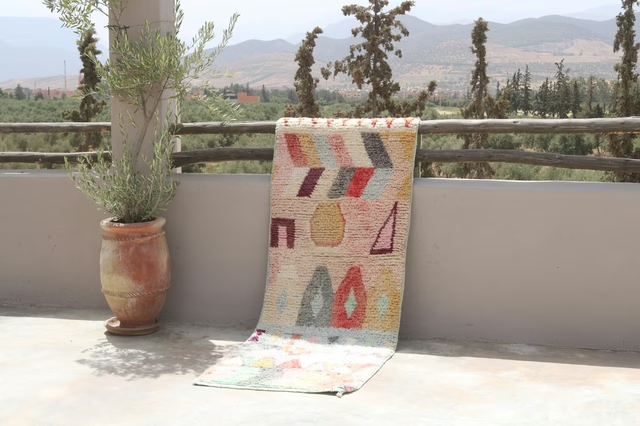
Azilal "Arch Sampler"
300 × 81 cm
€1,547
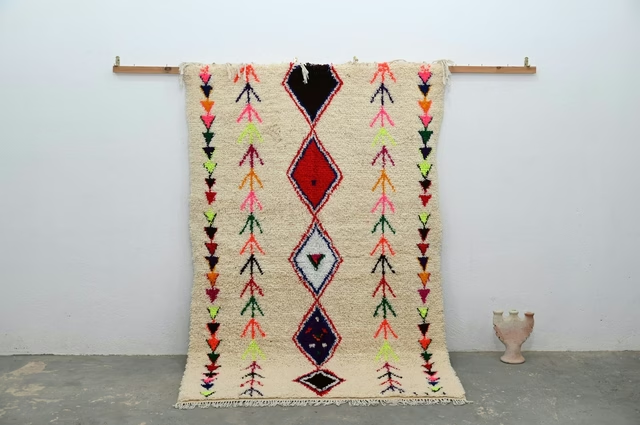
Azilal "Atlas Essence"
231 × 152 cm
€1,235
Show all 61
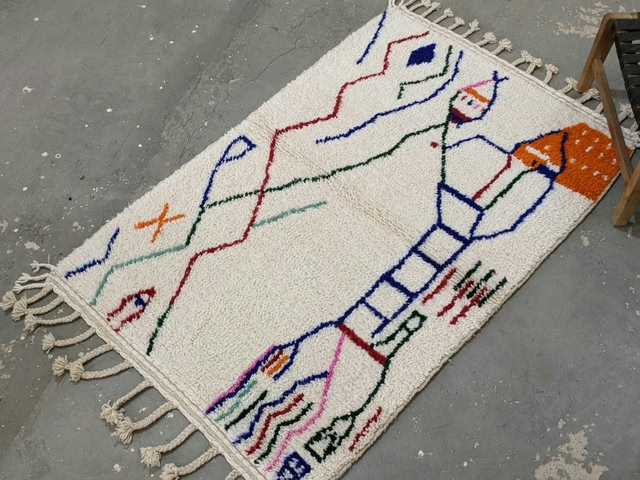
Azilal "Alabaster Dream"
164 × 106 cm
€1,577
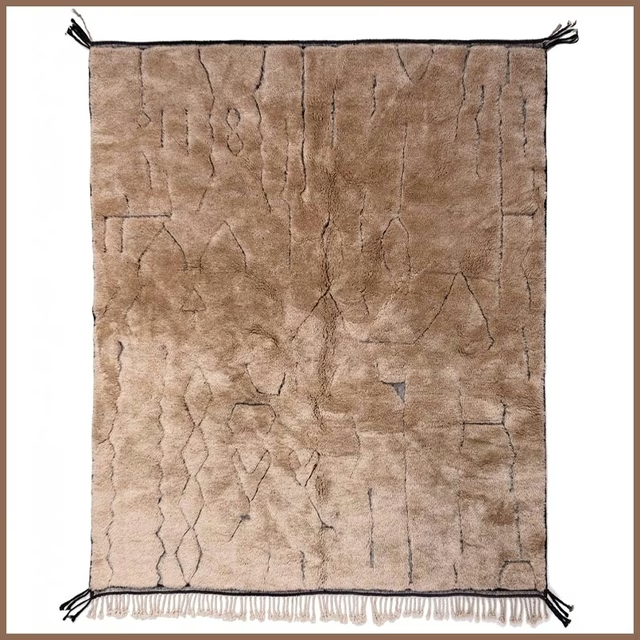
Beni Mrirt "Taupe Heritage"
300 × 260 cm
€3,898
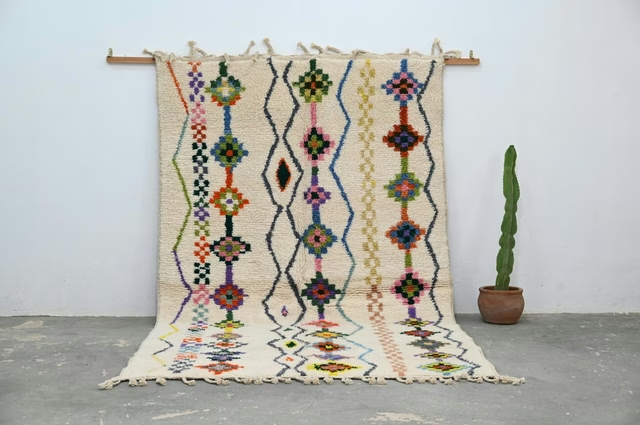
Azilal "Grand Symbols"
315 × 194 cm
€1,547
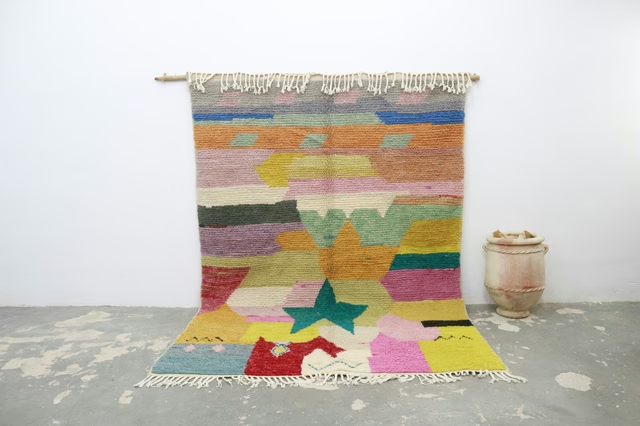
Azilal "Chromatic Constellation"
300 × 203 cm
€1,547
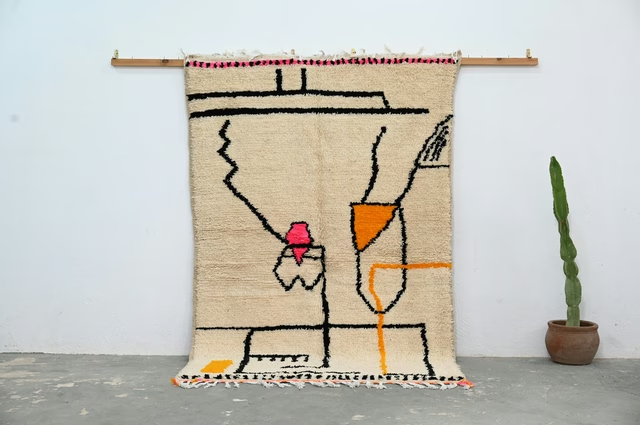
Azilal "Berber Soul"
240 × 152 cm
€1,235
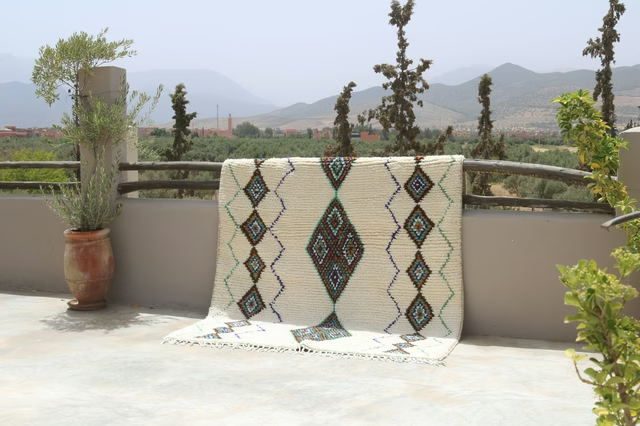
Azilal "Triple Columns"
315 × 200 cm
€1,797
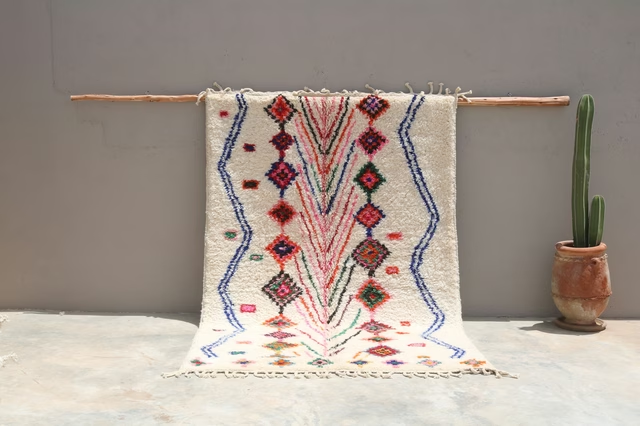
Azilal "Coral Spine"
300 × 190 cm
€1,797
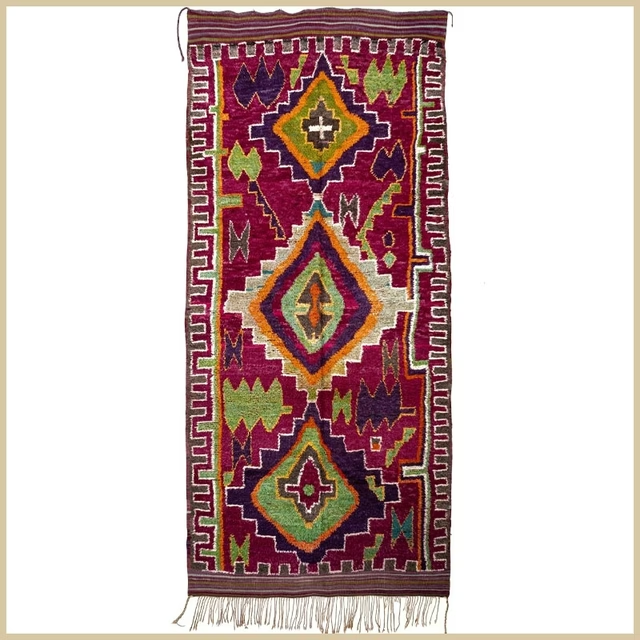
Beni Mguild "Burgundy Warrior"
413 × 190 cm
€5,224
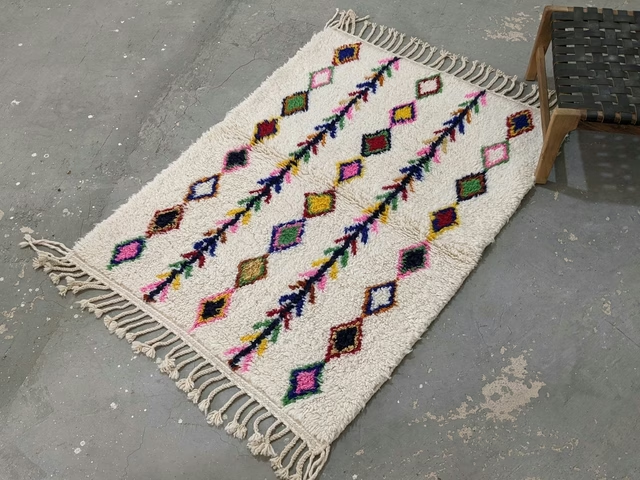
Azilal "Cream Silk"
156 × 112 cm
€1,577
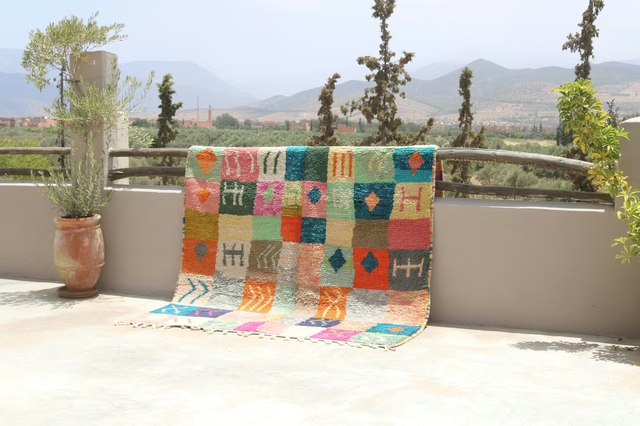
Azilal "Symbol Grid"
280 × 205 cm
€1,547
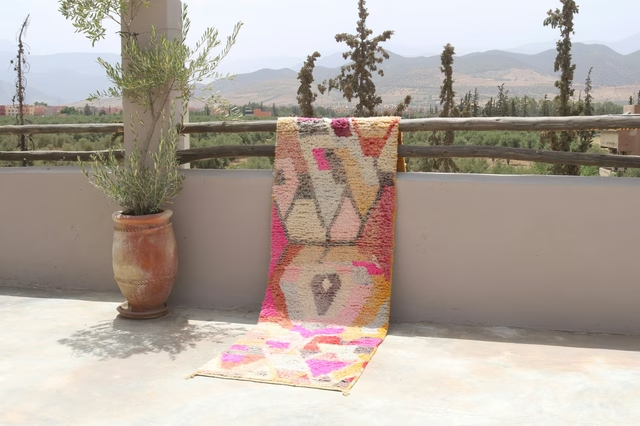
Azilal "Peach Geometry"
300 × 75 cm
€1,547
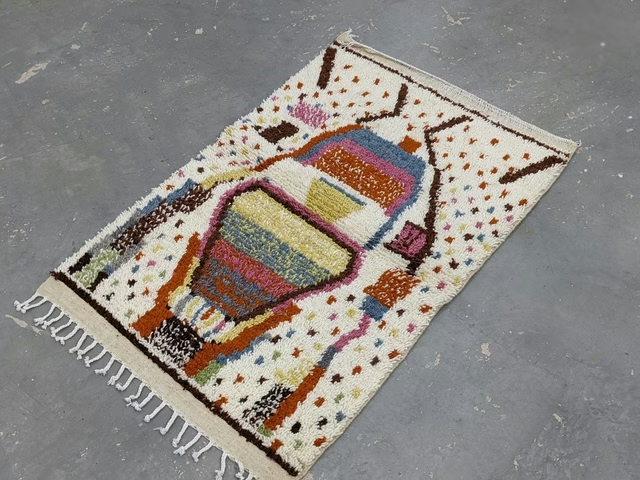
Azilal "Sacred Wool"
154 × 103 cm
€1,577
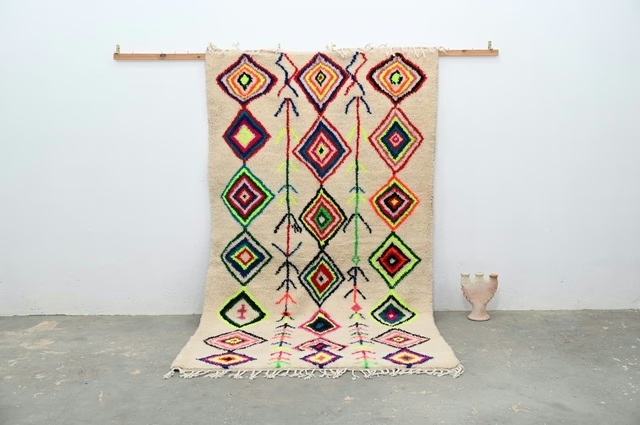
Azilal "Mountain Mist"
267 × 150 cm
€1,287
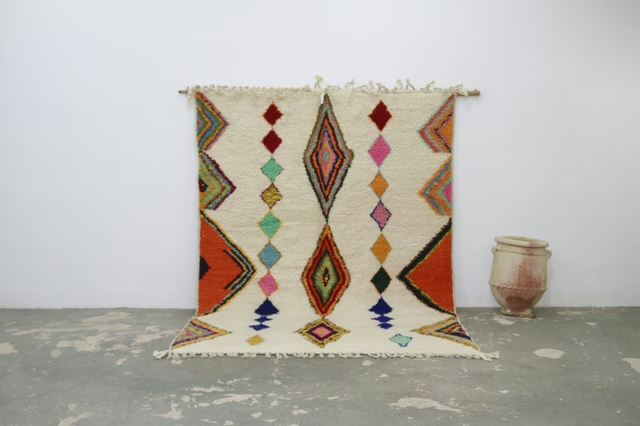
Azilal "Geometric Soul"
300 × 210 cm
€1,547
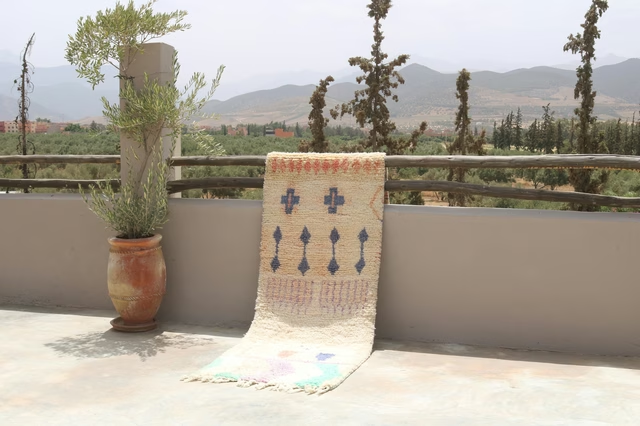
Azilal "Navy Crosses"
300 × 84 cm
€1,547
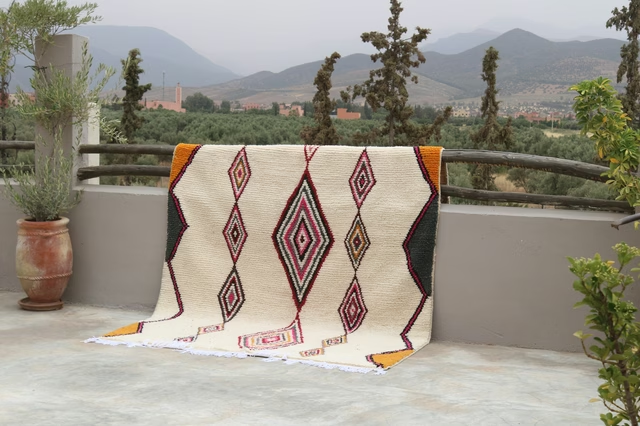
Azilal "Burgundy Outline"
315 × 202 cm
€1,797
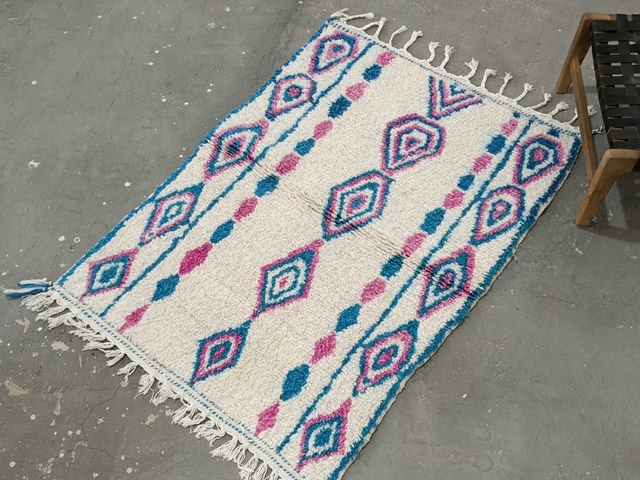
Azilal "Pearl Tales"
146 × 102 cm
€1,525
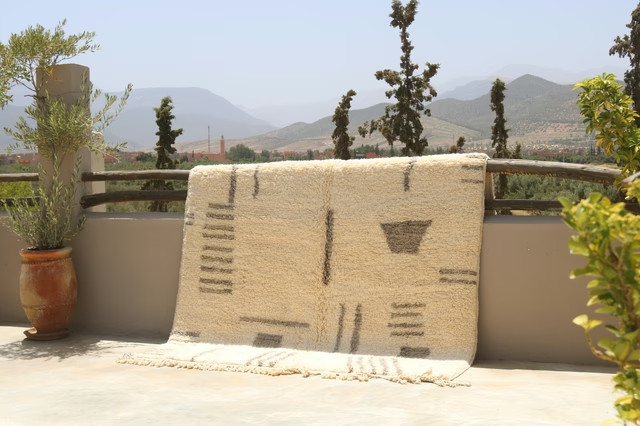
Beni Ouarain "Quiet Signs"
300 × 213 cm
€1,797
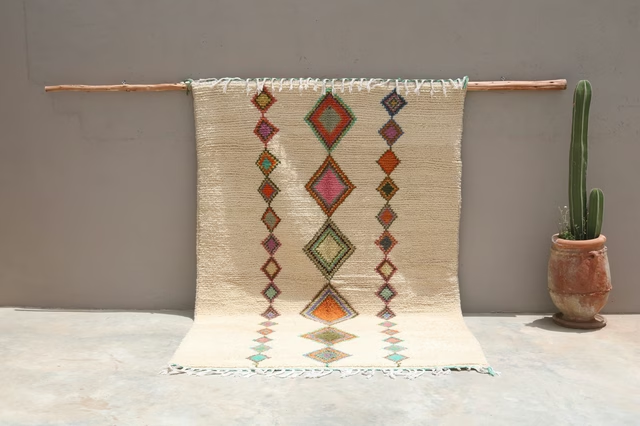
Azilal "Diamond Chain"
300 × 197 cm
€1,797
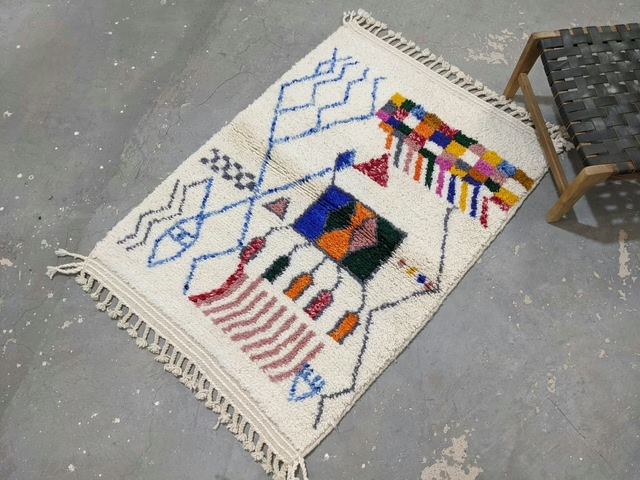
Azilal "Soft Horizon"
150 × 110 cm
€1,577
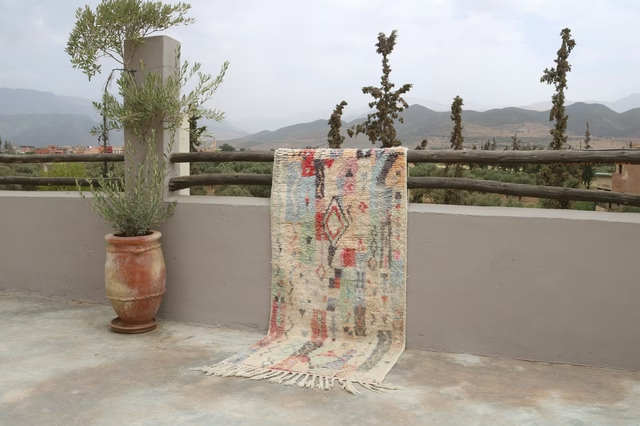
Azilal "Faded Garden"
300 × 92 cm
€1,547
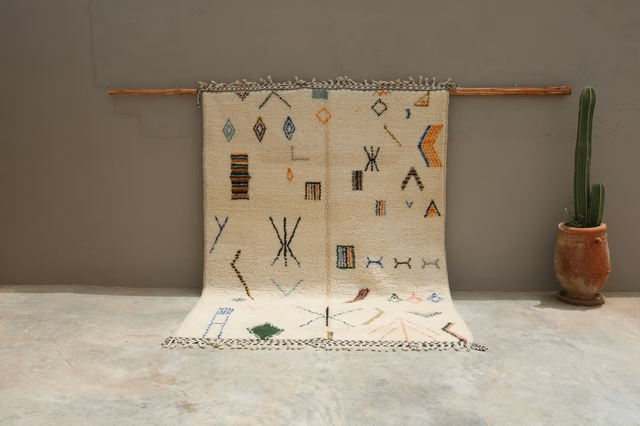
Azilal "Nomad Alphabet"
300 × 205 cm
€1,797
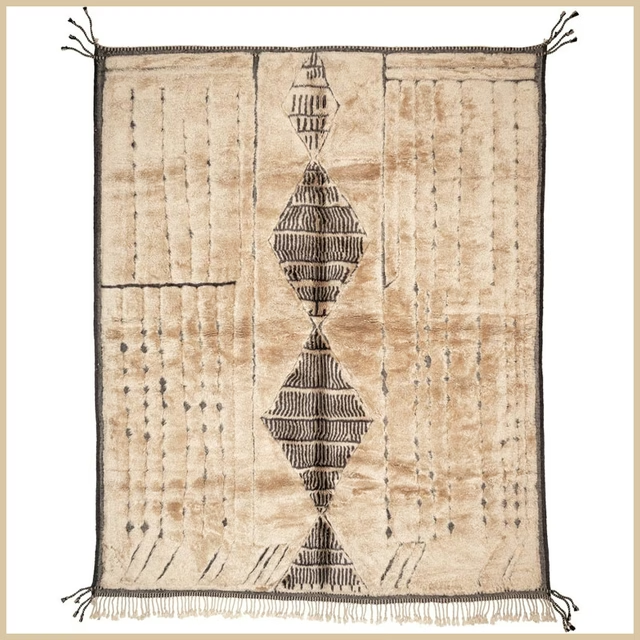
Beni Mrirt "Warm Symbols"
307 × 250 cm
€3,215
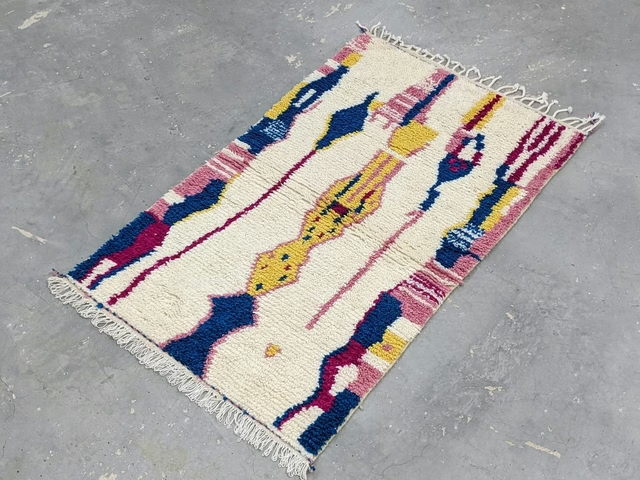
Azilal "Berber Code"
161 × 100 cm
€1,577
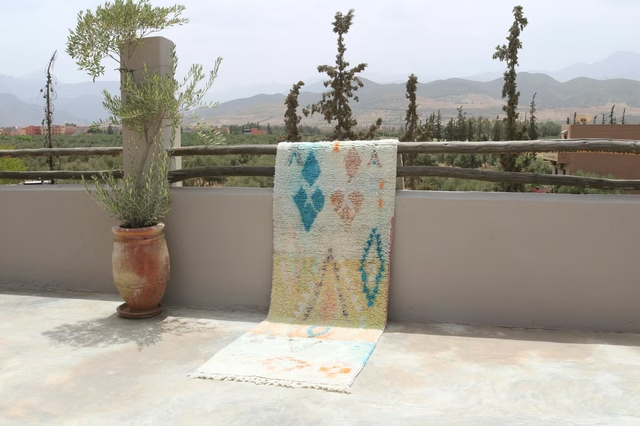
Azilal "Turquoise Kites"
310 × 82 cm
€1,547
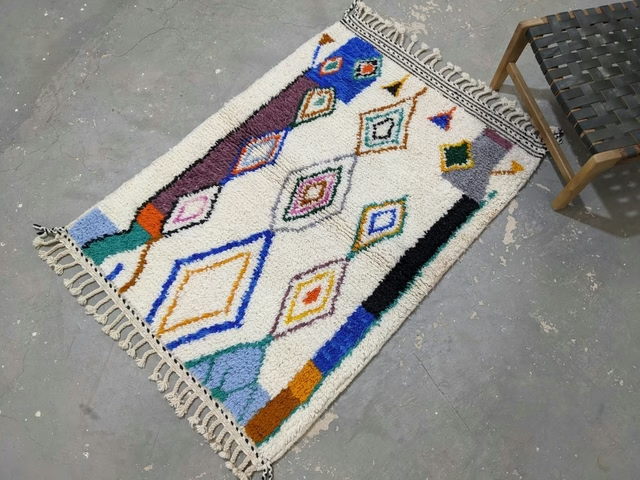
Azilal "Vanilla Sky"
153 × 108 cm
€1,577
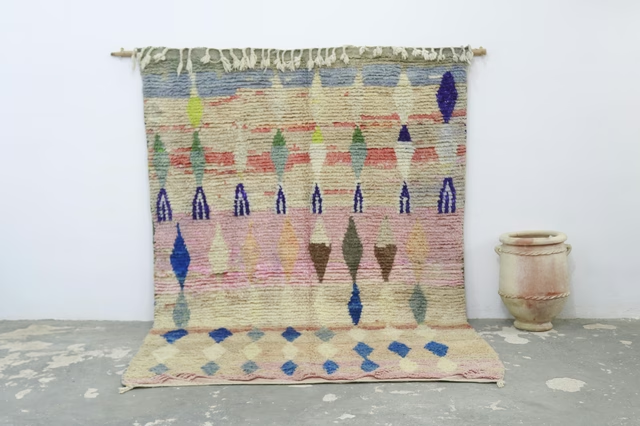
Azilal "Forest Sentinel"
300 × 205 cm
€1,797
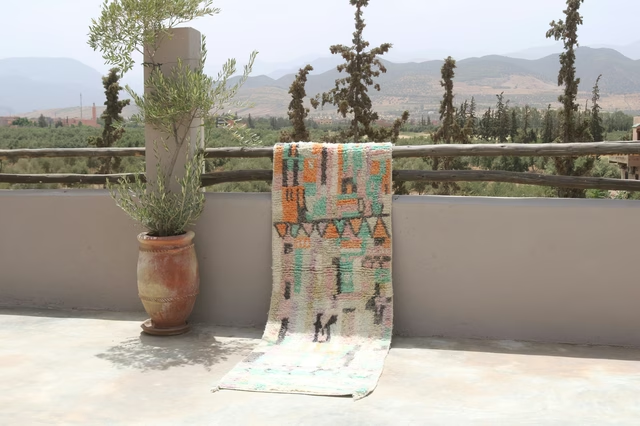
Azilal "Motif Sampler"
300 × 80 cm
€1,547
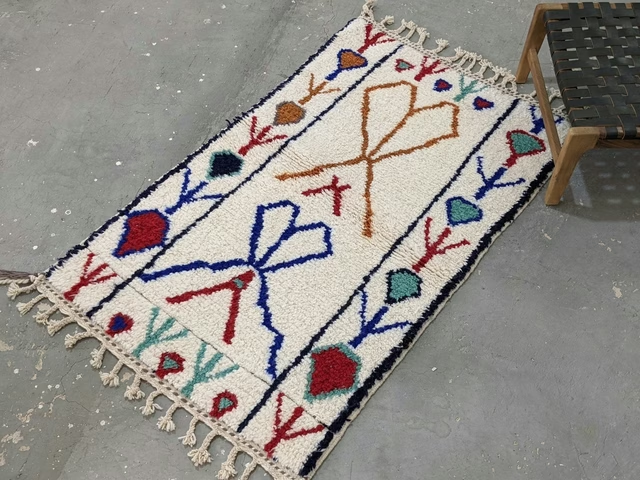
Azilal "Parchment Song"
160 × 100 cm
€1,577
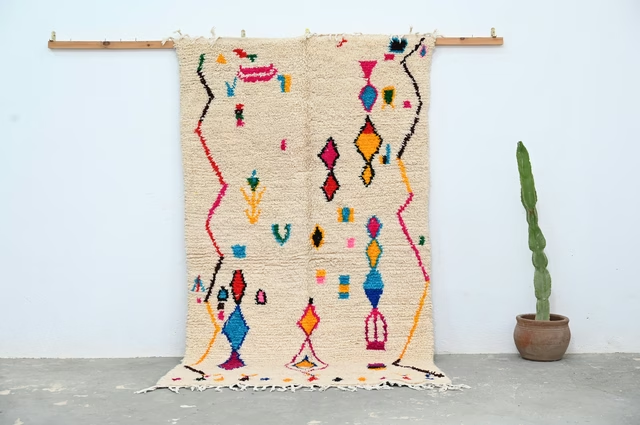
Azilal "Shepherd's Path"
240 × 132 cm
€1,157
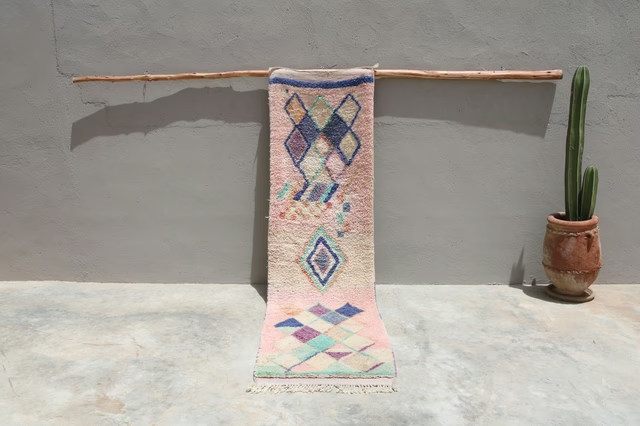
Azilal "Rose Lozenges"
310 × 83 cm
€1,547
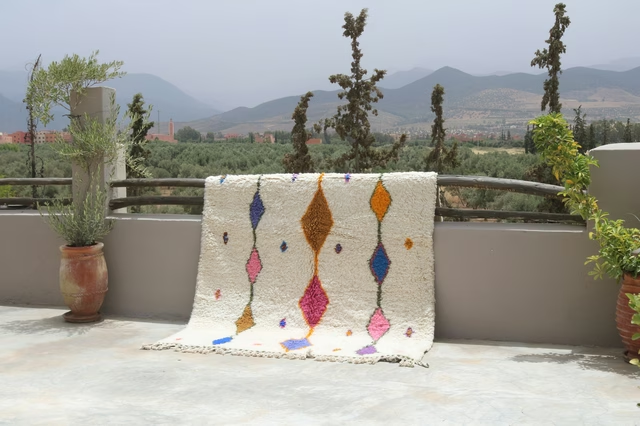
Azilal "Lantern Rows"
305 × 195 cm
€1,797
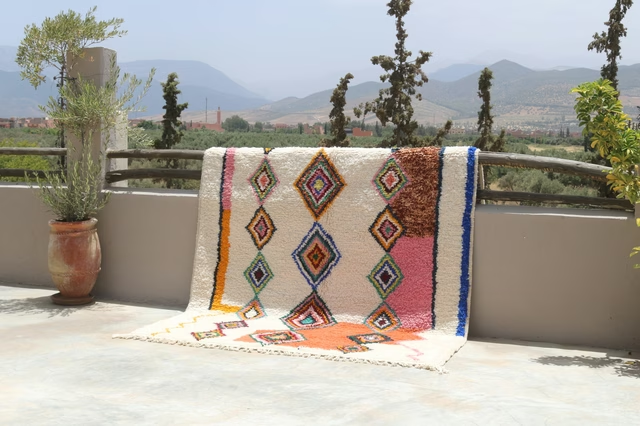
Azilal "Amber Diamonds"
310 × 211 cm
€1,797
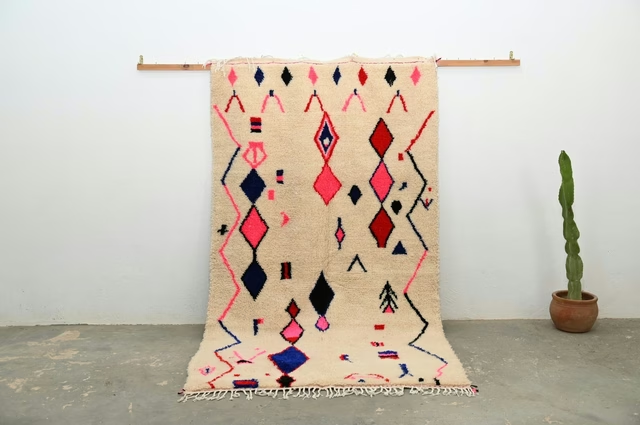
Azilal "Nomadic Signs"
273 × 151 cm
€1,287
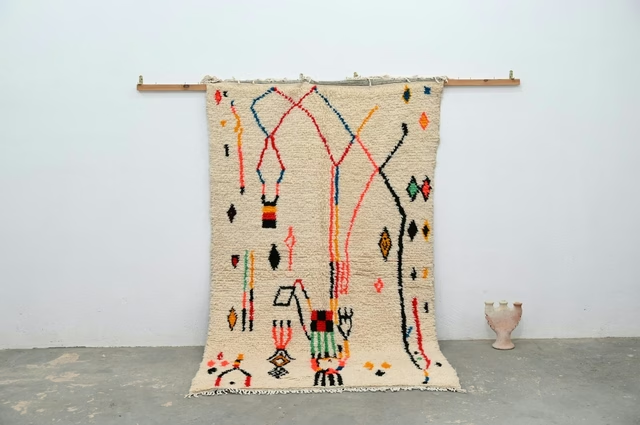
Azilal "Timeless Weave"
250 × 154 cm
€1,235
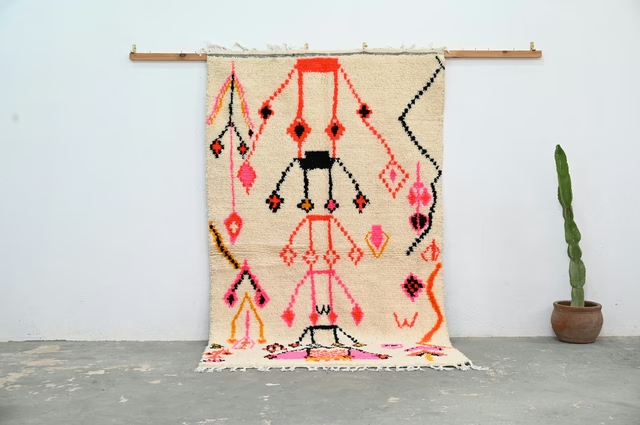
Azilal "Shepherd's Song"
245 × 141 cm
€1,157
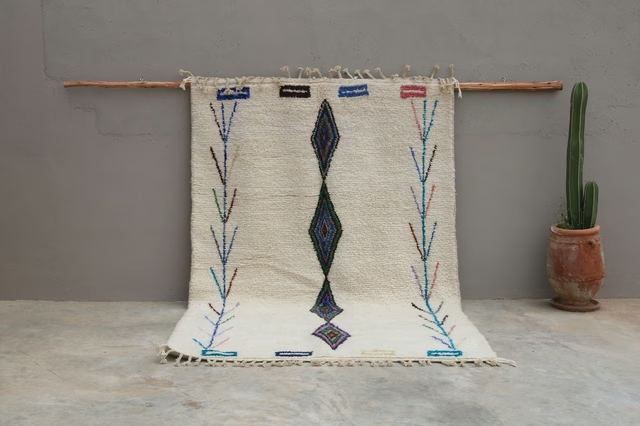
Azilal "Indigo Branches"
315 × 200 cm
€1,797
The Berber symbols you will see
The diamond is by far the commonest, alone, in chains or as a lattice over the whole field. The zigzag and the chevron come next, running across the rug or along its sides. Then the cross and the X, the small square, the checkerboard, the comb, the ladder and rows of triangles.
Figures are rarer: a stick person, an animal, a shape like an insect or a bird. All of these are built from straight lines, because that is what a grid of knots allows. A sign may be the size of a hand in one rug and fill the whole width of another.
The meanings usually given
In the popular literature the diamond is an eye that turns away misfortune, or a sign of womanhood. The zigzag is water, a river or a snake. The cross and the X ward off harm. The comb is the weaver's own tool. Triangles are tents, or mountains. A checkerboard is a field.
Many of these readings concern protection, fertility and daily life, and some no doubt reflect what weavers in particular places have said. They are worth knowing, because they are part of how these rugs are talked about. They are not a code that can be applied to any rug in order to read off a message.
Why there is no dictionary
Amazigh weaving is not one tradition but many, spread over mountains and plains, with different dialects and customs. A sign called one thing in one valley has another name, or none, in the next. Much of the vocabulary was passed from mother to daughter by showing and not by explaining.
Most of the lists in circulation were compiled by outside collectors and dealers, and they have been copied from one book and website to the next. Accounts of what weavers themselves say vary: sometimes a meaning, often simply the name of the shape, or that the motif was learned at home and liked. A meaning can also be personal and known only to the woman who made the rug.
How to look at symbols in a rug
Look at placement before meaning. Are the signs in rows, scattered, or gathered at one end? Does a motif change as it travels up the rug, growing, thinning or switching colour? A weaver works from the bottom upwards over weeks, and the rug is a record of that time. Changes of mind are visible.
Look for the exception: the one diamond in a different colour, the single sign that appears nowhere else, the line that stops short. These are often what make a rug memorable, and they are what a machine copy leaves out. If a seller tells you precisely what your rug says, enjoy the story and keep in mind that it is a story.
The rugs with symbols in this selection
Sixty-three rugs with signs and symbols as part of their drawing. Fifty-seven are Azilal, the type most given to scattered motifs, with four Beni Mrirt, one Beni Ourain and one Beni Mguild. Forty-one are multicoloured, eleven have an ivory or cream ground and four are sand or taupe. In about half, the diamond is the leading motif.
Twenty-four measure around 6 ft 7 in by 9 ft 10 in. Fifteen are mid-sized, fifteen are small and nine are runners. We describe what is on each rug and do not assign meanings to it. Each rug is one of a kind, with its exact measurements on its own page. Delivery is free worldwide, duties and taxes included.
What you can verify about us
- Origin
- Made in MoroccoHand-knotted Berber rugs from the Atlas regions. Every rug is one of a kind.
- Construction
- Hand-knotted woolVerified at every stage — never machine-tufted.
- Delivery
- Duties includedFree shipping; import duties and taxes are included in the price.
- Returns
- 14 daysIn condition received, full refund of the purchase price.
Frequently Asked
Questions
- What do Berber symbols mean?
- Meanings such as protection, fertility or water are often given, but they vary by region and by weaver. There is no fixed dictionary.
- What does the diamond mean on a Moroccan rug?
- It is often described as a protective eye or a sign of womanhood. It is also one of the simplest shapes to build from diagonal lines of knots.
- Are the symbols on my rug a message?
- Possibly a personal one, known to the weaver. It cannot be reliably decoded from a list.
- Which Moroccan rugs have the most symbols?
- Azilal rugs. In our selection fifty-seven of the sixty-three rugs with symbols are Azilal.
Sources & References
What this page rests on
- 1. Bruno Barbatti — textile historian — Tapis du Maroc — Le langage des symboles (1996) — Scheidegger & SpiessThe reference work on the symbolic vocabulary of Berber rug motifs.
- 2. Cynthia Becker — Boston University — Amazigh Arts in Morocco: Women Shaping Berber Identity (2006) — University of Texas PressAnthropological study of Atlas weaving as Amazigh women's craft tradition.
- 3. Maarten Kossmann — The interplay of style, information structure and definiteness: Double indirect objects in Figuig Berber narrativesLinguistic scholarship on Berber narrative tradition.

The person behind the piece
“Before you buy, I’ll send you a video of the actual rug in natural light — not a stock photo. I answer the messages myself.”
I’m Youssef. I started ARINID because this market is full of middlemen and machine-made imitations sold as the real thing — and I grew up close enough to the looms to know the difference.
Every piece we list is one of a kind, hand-knotted in Morocco. If you want to talk through sizing for your room, I’m on the other end of the message. A rug at this level is a thirty-year decision. You should be able to look the person selling it to you in the eye.
Youssef
Founder, ARINID
The next step
See every rug we currently offer
Each piece is hand-knotted in Morocco and delivered to your door, with shipping, duties and taxes included.