Rustic Rugs: Hand-Knotted Wool for Farmhouse and Country Rooms
Rustic rugs are easy to describe and hard to fake. The word points to things made from plain materials by hand, with the making left visible: wool that still looks like wool, lines that are not quite straight, colours that come from fleece and earth. Most rugs sold as farmhouse style imitate this with a faded print on polyester. The rugs on this page are the real version of the idea. They are knotted by hand in Morocco, on upright looms, in ivory, sand, camel and terracotta, in styles that come from the Atlas Mountains.
From the Atelier
Rustic Rugs currently in our collection
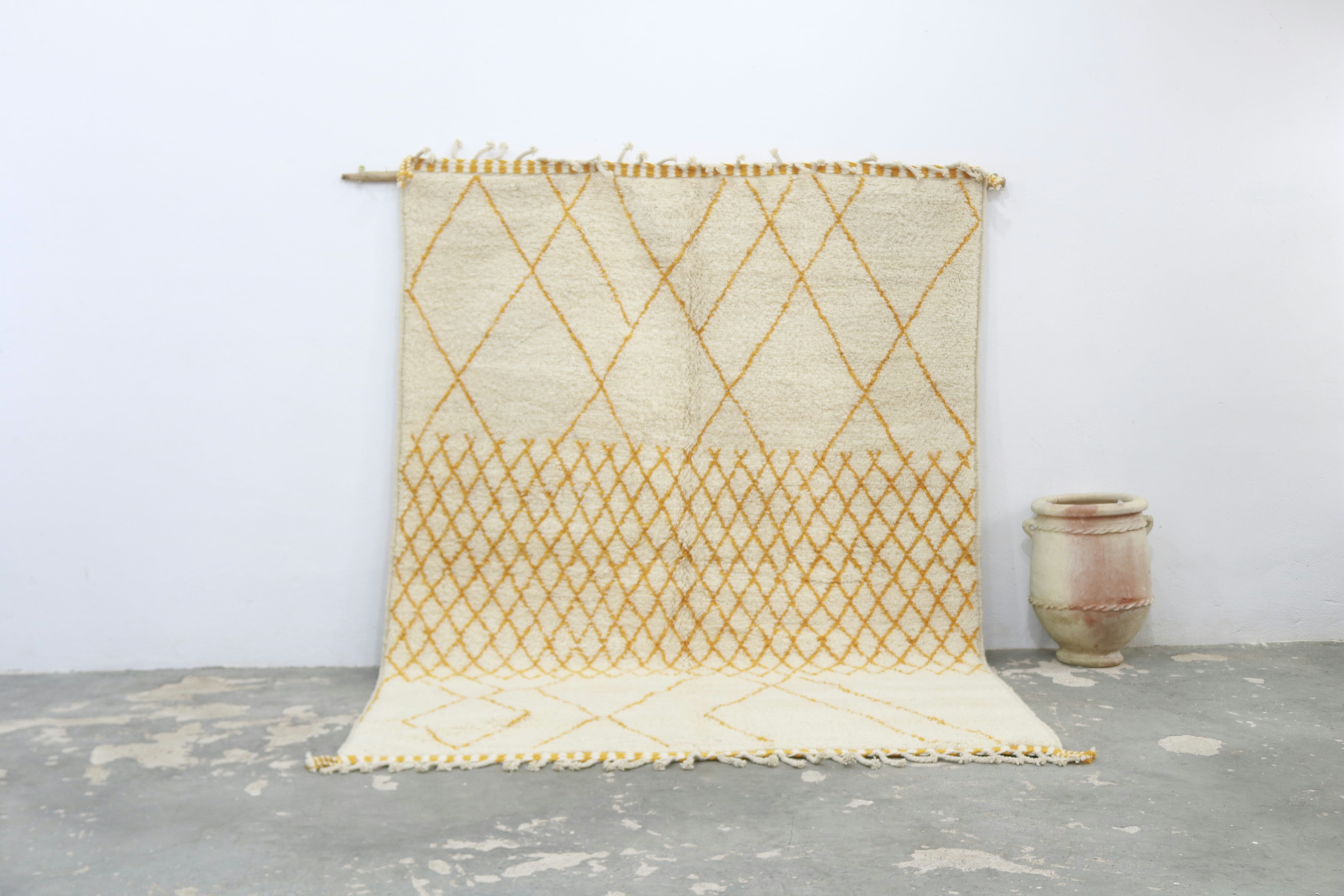
Azilal "Golden Lattice"
300 × 220 cm
€1,797
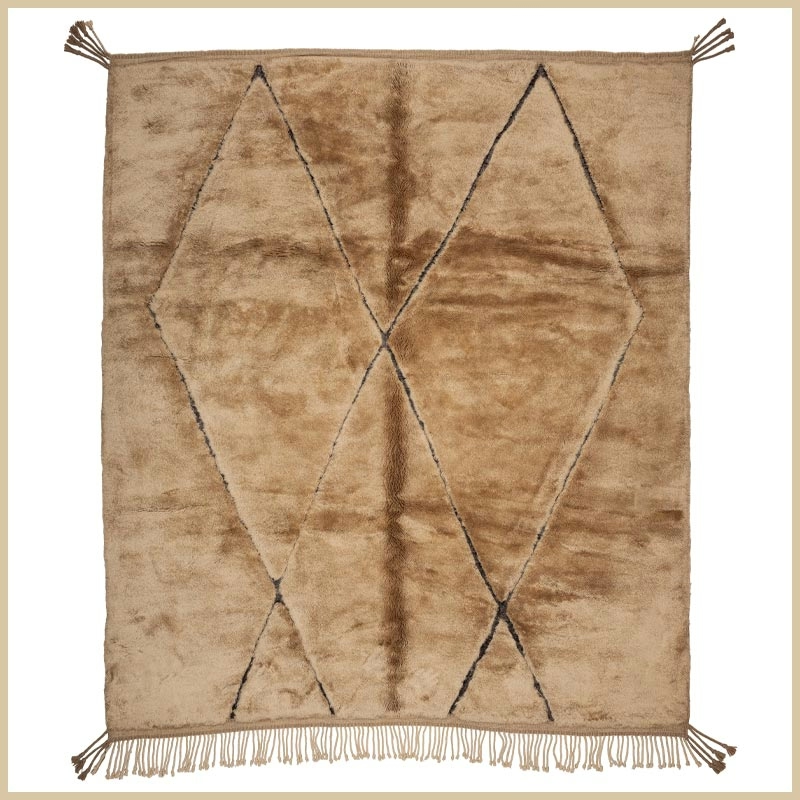
Beni Mrirt "Camel Lattice"
298 × 260 cm
€3,898
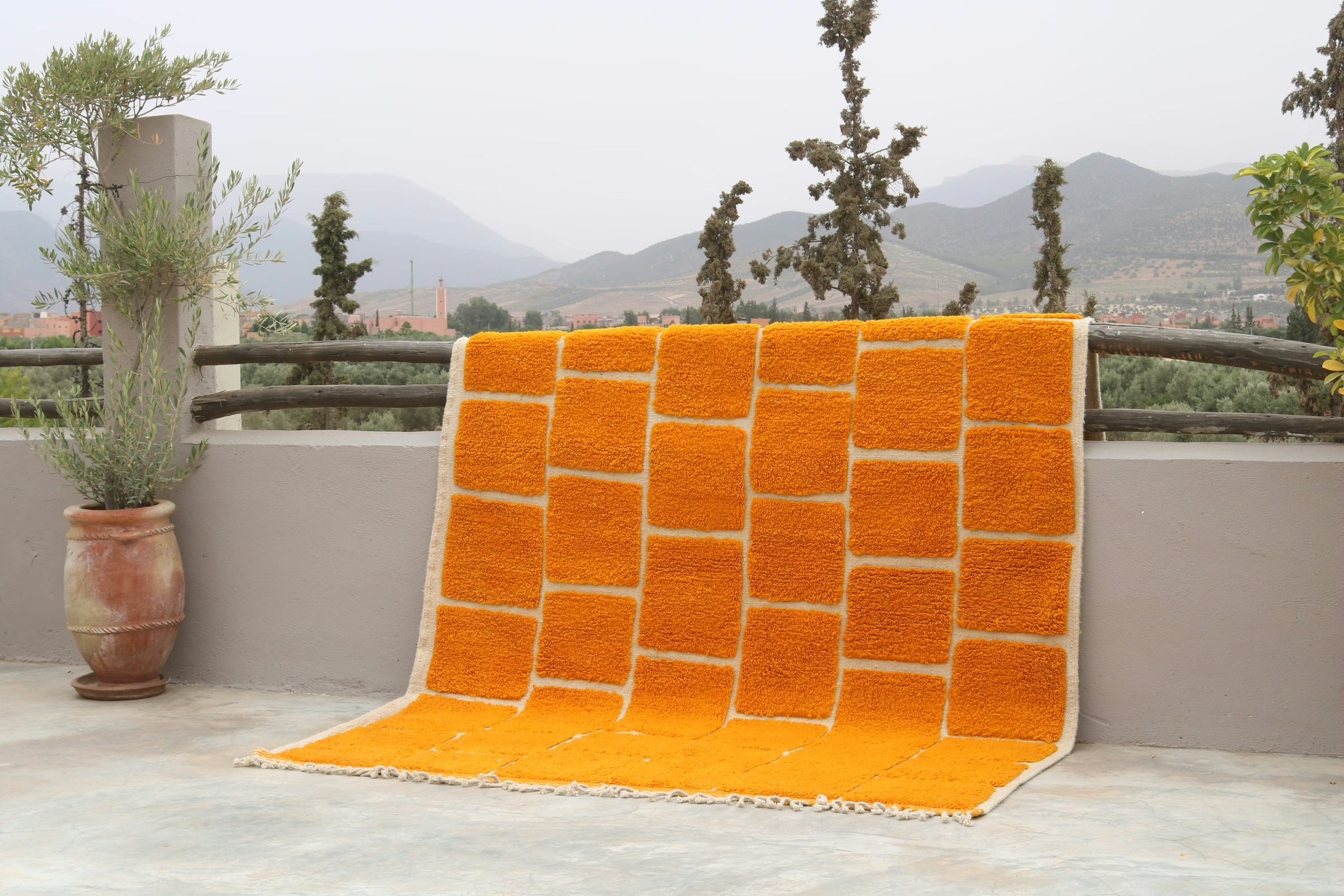
Azilal "Tangerine Grid"
300 × 214 cm
€1,797
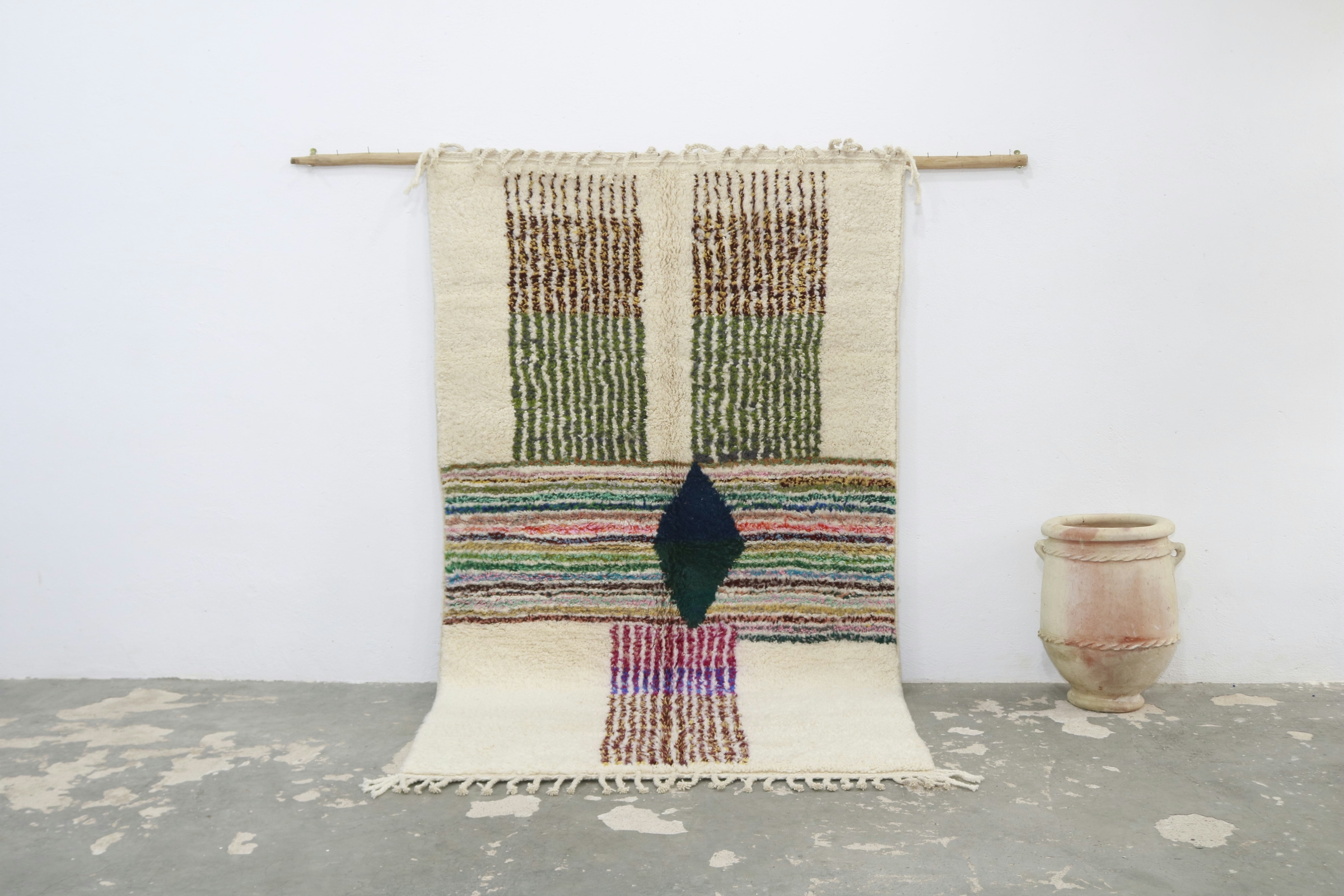
Azilal "Woven Portal"
265 × 155 cm
€1,297
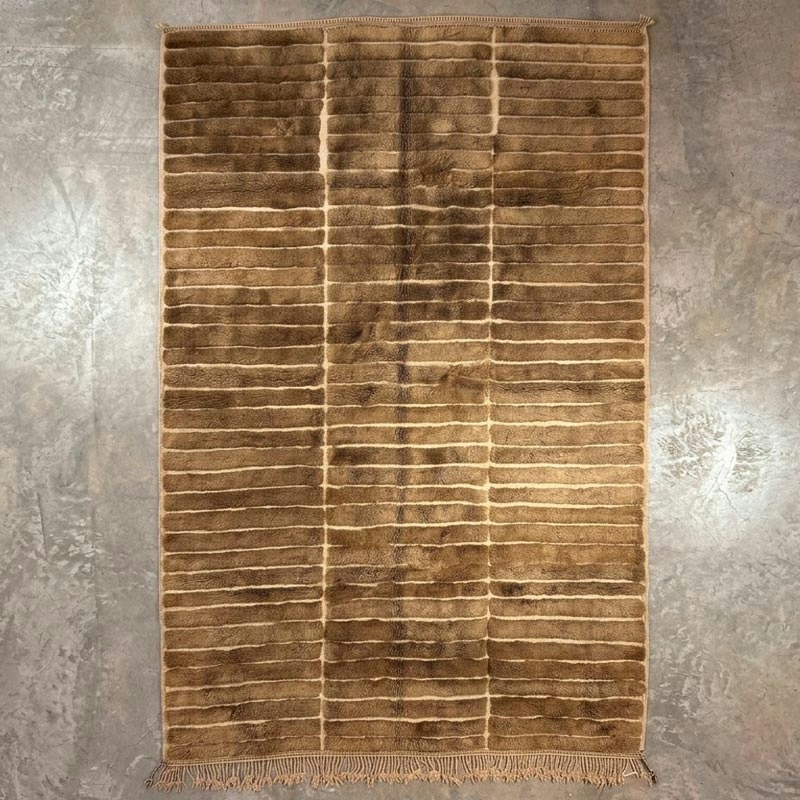
Beni Mrirt "Monumental Weave"
422 × 308 cm
€5,997
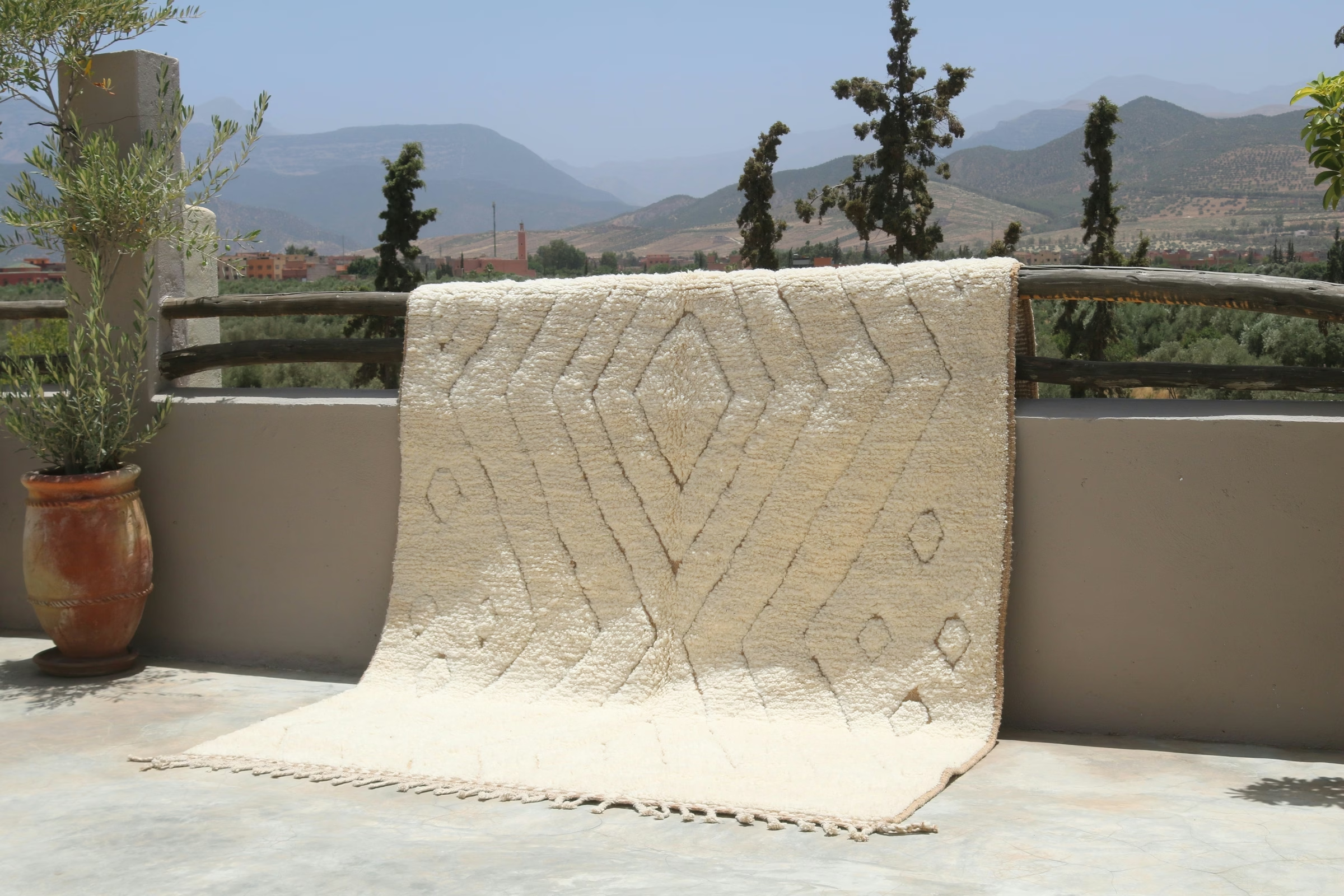
Beni Ouarain "Pale Lattice"
320 × 200 cm
€1,797
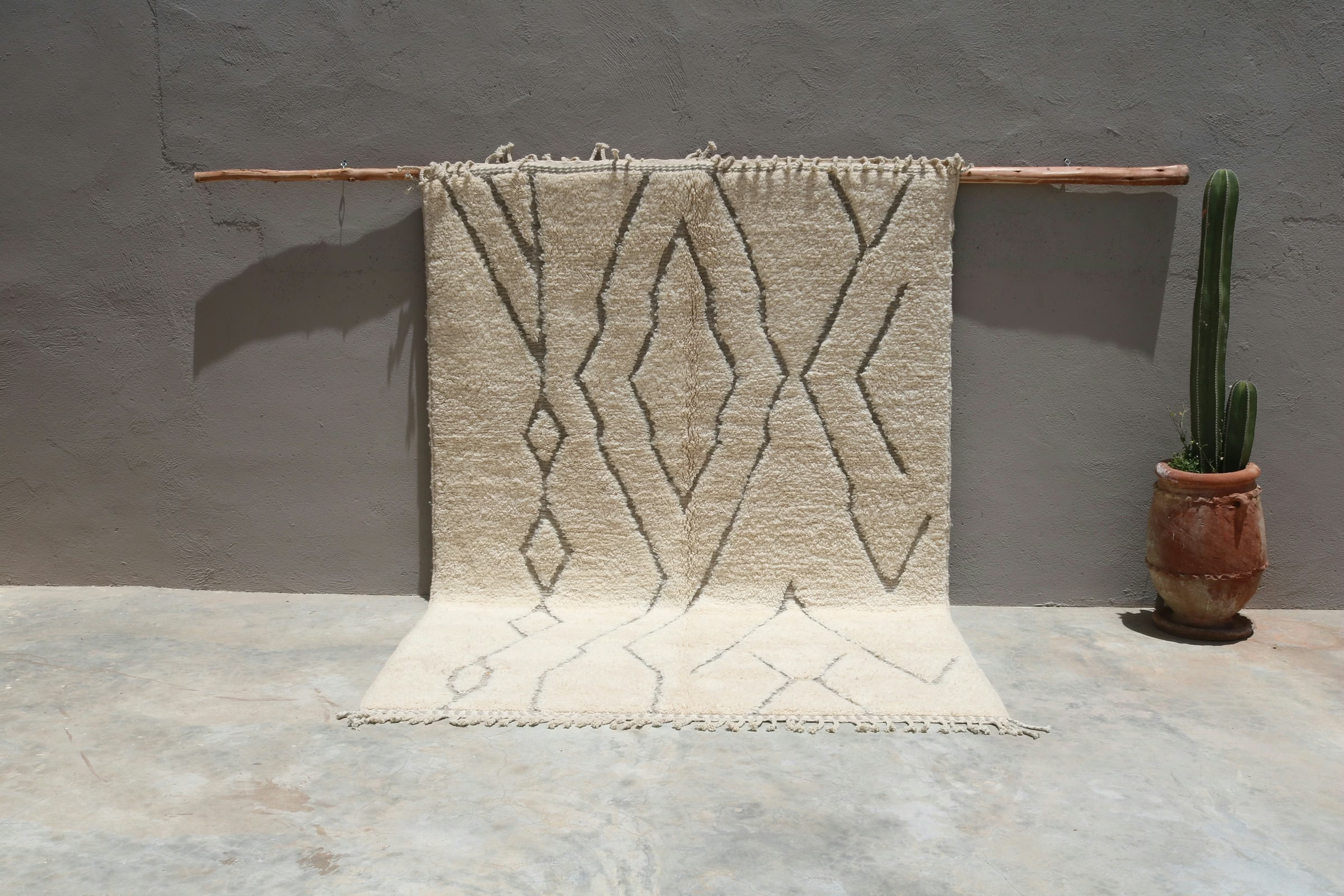
Beni Ouarain "Drawn Lattice"
300 × 205 cm
€1,797
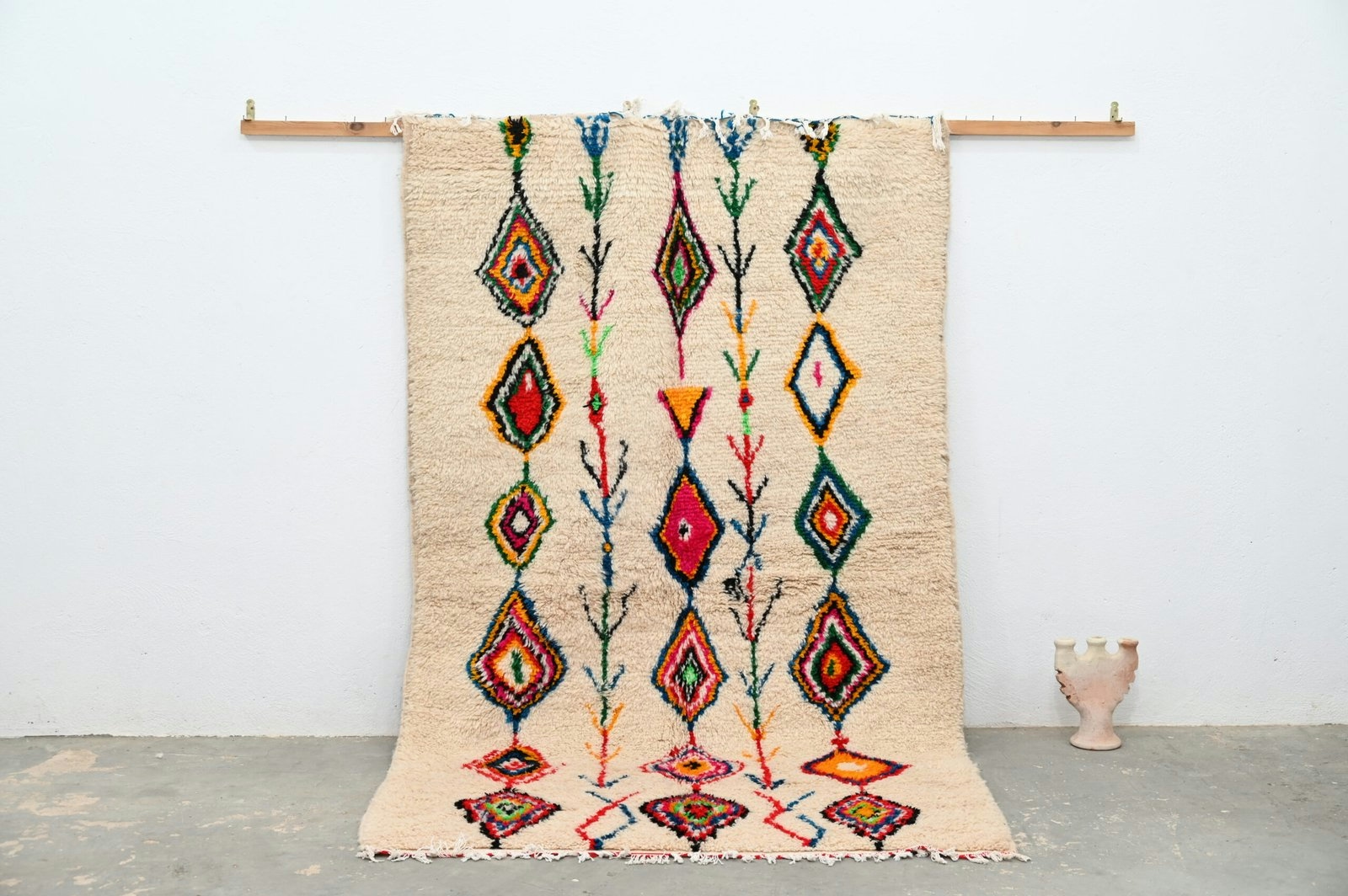
Azilal "Woven Grid"
262 × 157 cm
€1,287
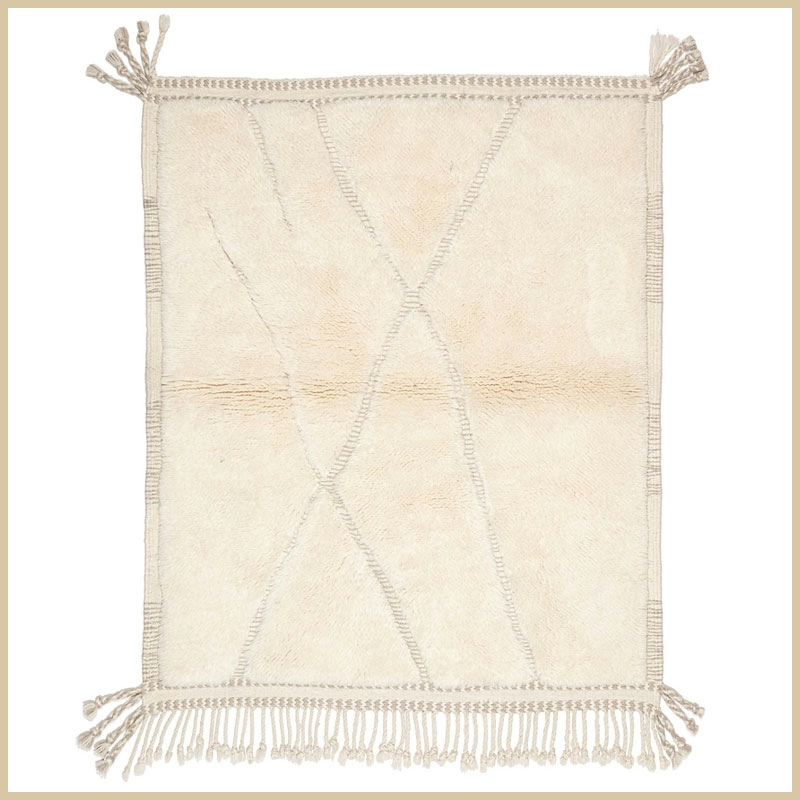
Beni Mrirt "Petite Ivory"
149 × 118 cm
€1,161
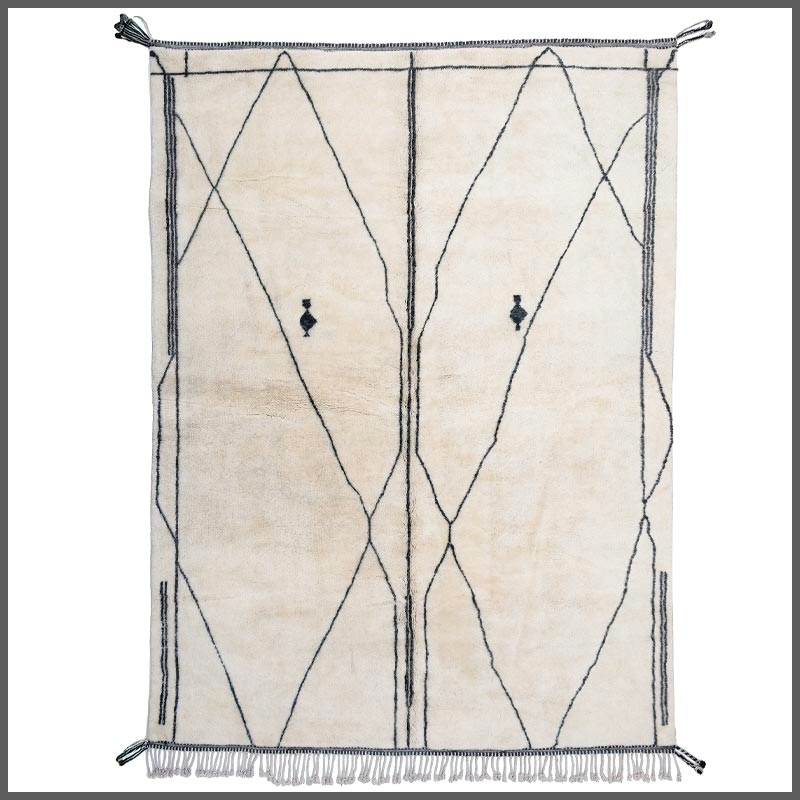
Beni Mrirt "Prestige Lattice"
400 × 300 cm
€5,698
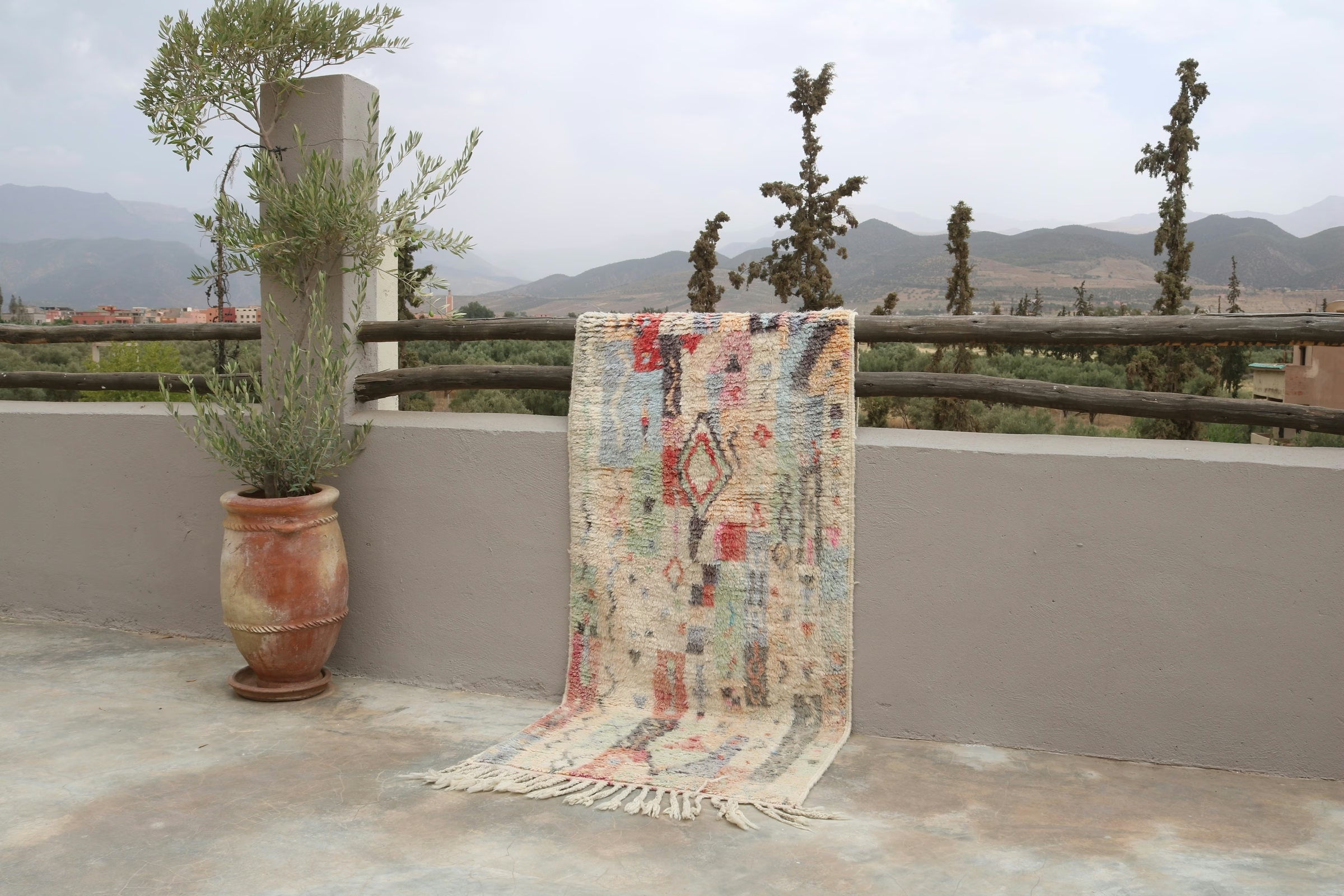
Azilal "Faded Garden"
300 × 92 cm
€1,547

Azilal "Burnt Orange"
300 × 213 cm
€1,547
What makes a rug rustic
Three things, and none of them is a pattern. The first is material: natural fibre with a matt surface and some weight to it. The second is irregularity. A hand-knotted rug has edges that wander slightly, bands that change width and motifs that never repeat exactly. The third is a restrained palette, close to what the material offers without much help: the off-white of fleece, the brown of darker sheep, and earth colours.
By that measure a rug can be very plain and still deeply rustic, while a busy distressed print is not rustic at all. Its fading is printed in, its wear is simulated and its surface is flat. It tends to look tired within a few years, whereas wool that begins honest only improves with use.
Farmhouse, cabin, cottage: which rug for which room
Modern farmhouse rooms are built on white walls, black metal and warm wood. The natural partner is an ivory rug with a few dark lines: it repeats the black-and-white of the room in a softer hand. A Beni Ourain, with its loose diamond drawing on a thick cream pile, is the classic choice here.
A cabin or lodge, with timber walls and a stone hearth, wants more warmth and weight underfoot. Dense rugs in camel, caramel and terracotta hold their own against all that wood. A cottage, lighter and more layered, suits a rug with a quiet lattice or a little relief in sand or cream, something that sits comfortably under floral curtains and painted furniture.
Rustic does not mean rough
Jute and sisal are the usual rustic suggestions, and they look right. Underfoot they are coarse, and a spilled drink leaves a ring. Wool gives the same natural, unvarnished look with a surface you can walk on barefoot, sit on with children and clean properly.
It is also the practical fibre for a house that is actually lived in. Wool springs back after furniture and foot traffic, resists liquid for the first few minutes and releases dry dirt to the vacuum. A hand-knotted rug can be washed and repaired. For the back door and the boot room, though, put a hard-wearing mat first and the wool rug a step further in.
Getting the scale right in a country room
Farmhouse and country rooms are often generous, with big sofas and bigger tables. A small rug in the middle looks lost. In a sitting room, the front legs of every seat should rest on the rug; around a large hearth, that usually means 8 × 10 ft at least, and 9 × 12 ft with a sectional.
Under a farmhouse table, measure from the chairs rather than the top: the rug needs about 24 to 28 inches beyond the table on each side so that chairs stay on it when pulled out. On wide old floorboards, leave a good border of wood showing. The boards are part of the look and should frame the rug, not hide beneath it.
The rugs in this selection
We have gathered the pieces in natural and earth tones whose drawing belongs to the tradition: diamond lattices, scattered signs and fine grids of lines. Beni Mrirt and Azilal rugs are equally numerous. The Beni Mrirt are thick and heavy, in sand, taupe, cream and camel, with a lattice of diamonds or a grid of fine lines. The Azilal are lighter, mostly ivory, with a lattice or a few signs. Beni Ourain rugs bring dark diamonds on ivory.
Sizes go from hallway runners to rugs of roughly 10 × 14 ft, with the largest group around 6 ft 7 in × 10 ft. Each is one of a kind, with its measured size on its own page. Delivery is free worldwide, duties and taxes included.
What you can verify about us
- Origin
- Made in MoroccoHand-knotted Berber rugs from the Atlas regions. Every rug is a one-off.
- Construction
- Hand-knotted woolVerified at every stage — never machine-tufted.
- Delivery
- Duties includedFree shipping; import duties and taxes are included in the price.
- Returns
- 14 daysIn condition received, full refund of the purchase price.
Frequently Asked
Questions
- What kind of rug suits a modern farmhouse living room?
- An ivory or cream wool rug with a simple dark drawing, such as a Beni Ourain. It echoes the white walls and black accents of the style and adds the softness the hard surfaces lack.
- Is wool or jute better for a rustic look?
- Both look natural. Jute is rougher underfoot and stains with water. Wool is softer, warmer, more resilient and can be washed, which makes it the better choice for rooms that are used every day.
- Are rustic rugs good for homes with dogs and children?
- Hand-knotted wool is. It recovers from wear, hides dust in mid-tones such as sand and camel, and cleans up well. Choose a piece with some pattern or relief rather than a plain pale field.
- What colours count as rustic?
- The colours of the materials themselves: ivory, cream, sand, taupe, camel and brown, with earth tones such as terracotta, rust and olive. Bright synthetic-looking colours work against the style.

The person behind the piece
“Before you buy, I’ll send you a video of the actual rug in natural light — not a stock photo. I answer the messages myself.”
I’m Youssef. I started ARINID because this market is full of middlemen and machine-made imitations sold as the real thing — and I grew up close enough to the looms to know the difference.
Every piece we list is a one-off, hand-knotted in Morocco. If you want to talk through sizing for your room, I’m on the other end of the message. A rug at this level is a thirty-year decision. You should be able to look the person selling it to you in the eye.
Youssef
Founder, ARINID
The next step
See every rug we currently offer
Each piece is hand-knotted in Morocco and delivered to your door, with shipping, duties and taxes included.