Wool Rugs for Underfloor Heating: What Works and What to Watch
Wool rugs for underfloor heating are a fair question, because wool is an insulator and a heated floor needs to give its heat to the room. The short answer is that the two live together perfectly well in most homes. The rug is not harmed, the floor is not harmed, and the room stays warm. What matters is how much of the floor you cover, which heating system sits underneath, and what you put between rug and floor. This page goes through each point so you can choose a rug without second-guessing the heating.
From the Atelier
Currently in our collection
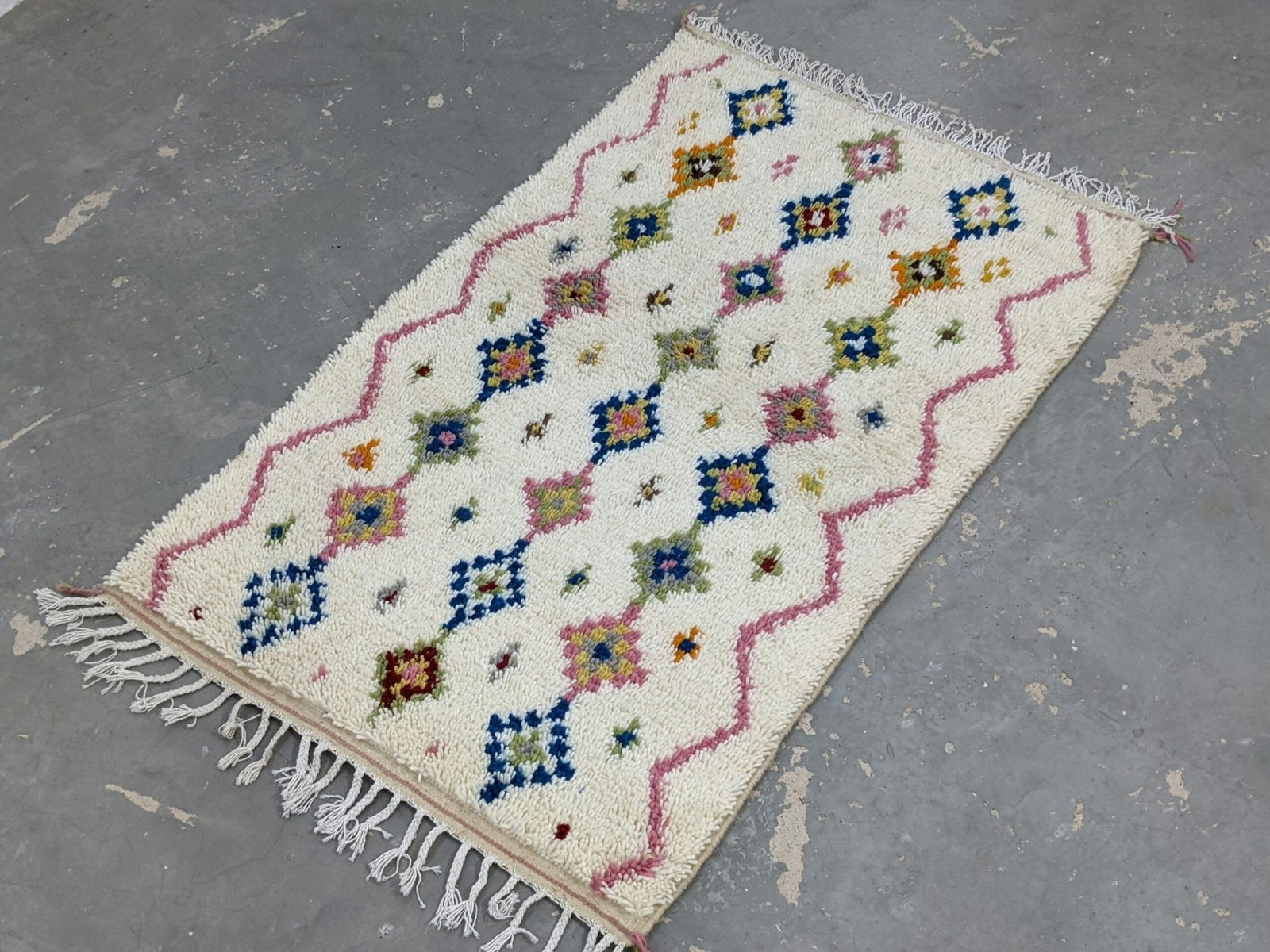
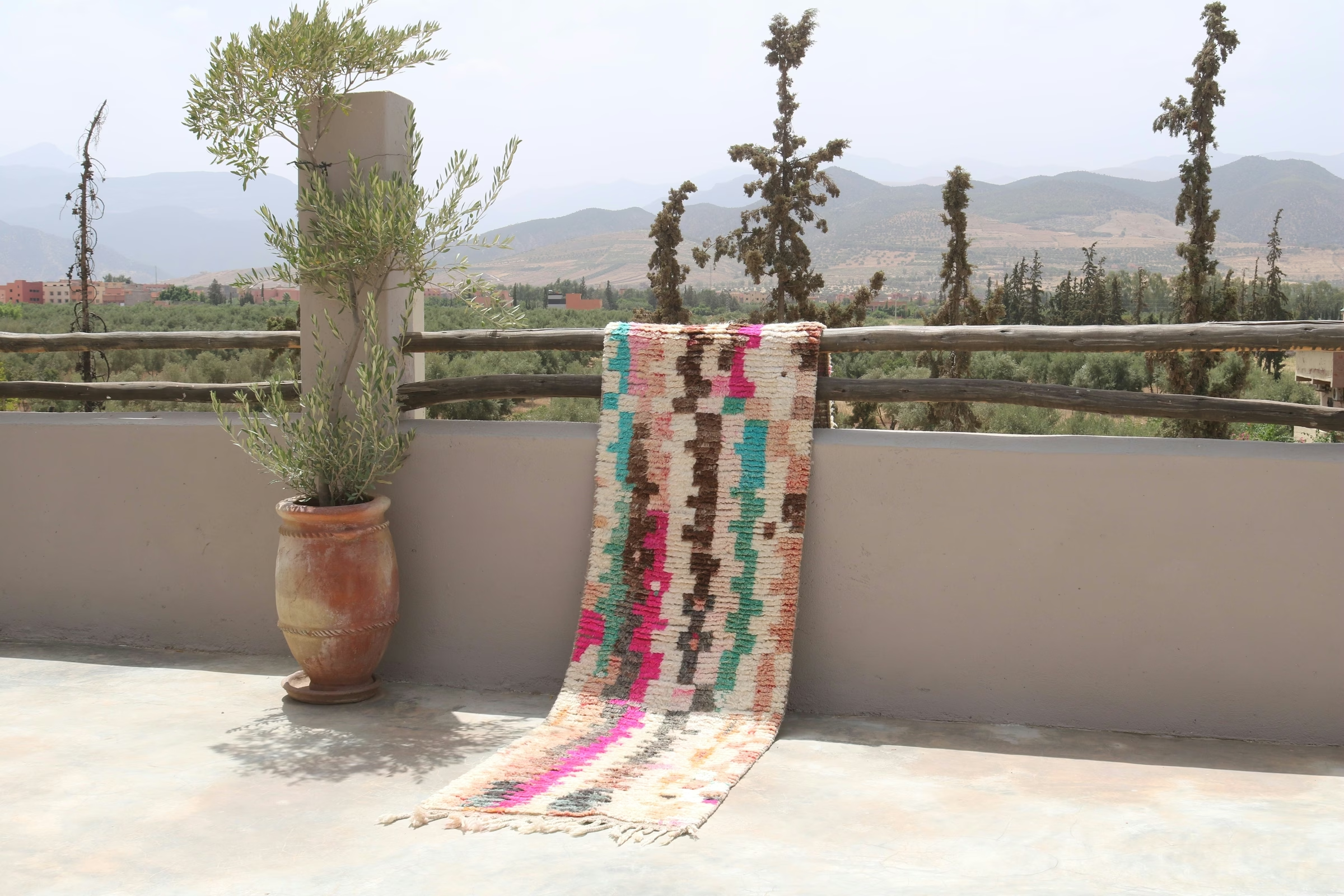
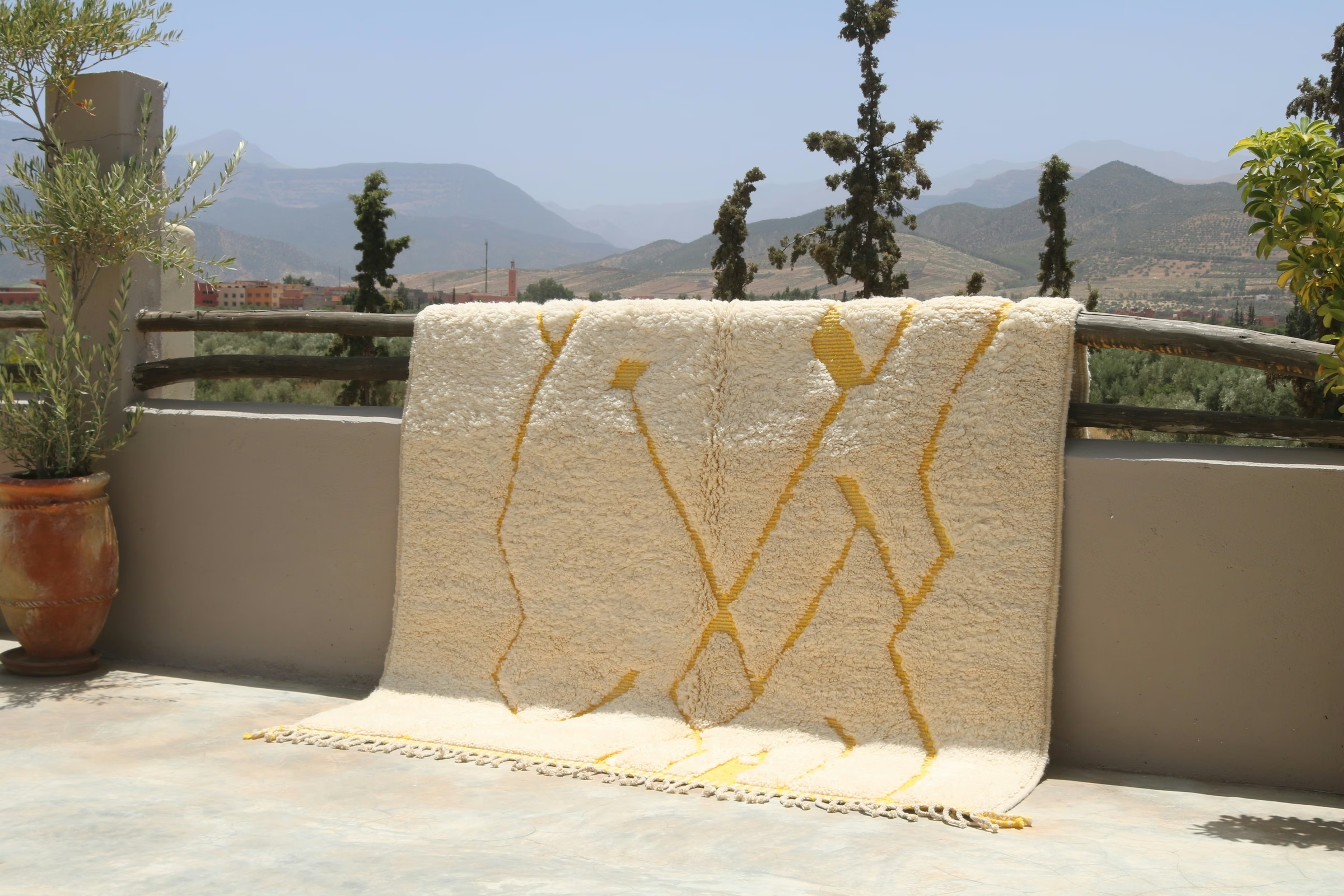
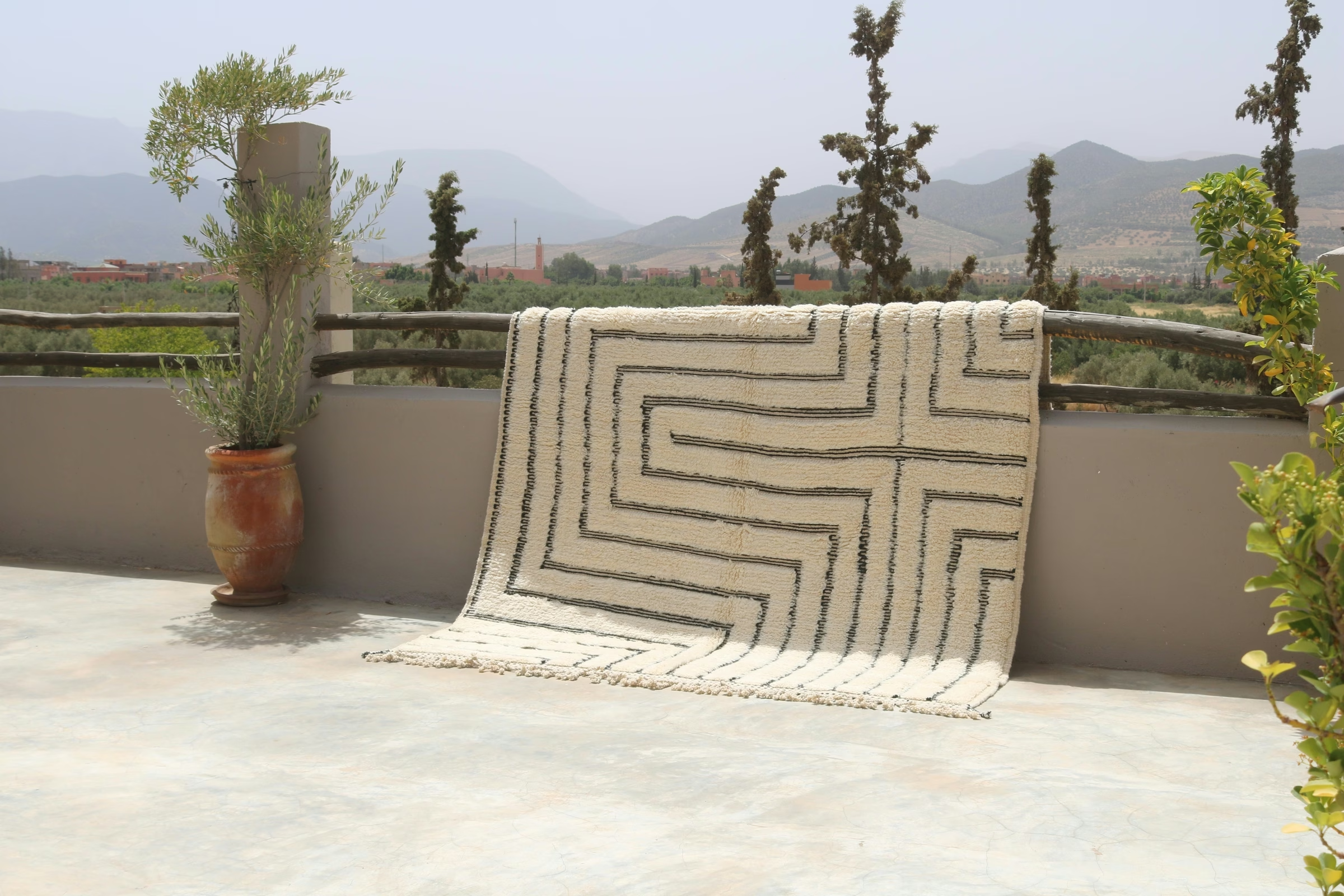
Can the rug take the heat?
Yes. The surface of a heated floor in a living room does not go above about 29 °C, or 84 °F, and usually stays well below. For wool, cotton warps and the dyes in a rug, that is no strain at all. Wool may dry out a little in warm, dry winter air, which can make the pile feel slightly more static.
What to avoid is trapped heat. A rug with a rubber or latex backing, or a thick foam pad beneath it, holds warmth against the floor finish. A hand-knotted rug has no backing: it is wool on a wool or cotton foundation, and air passes through it. If you need a non-slip layer, choose an open mesh underlay marked as suitable for underfloor heating.
How much heat does a rug hold back?
Every floor covering resists heat to some degree. A common guideline for the finish above underfloor heating is a thermal resistance of no more than 0.15 m²K/W, which is 1.5 tog, and lower still for low-temperature systems. Tile and screed sit far below that figure. Vinyl and engineered wood come closer. A loose rug adds to whatever is already there.
A thick wool rug is, locally, a good insulator. Under it the floor gives off less heat, and the pipes beneath run a little warmer. That sounds worse than it is, because the rug covers only part of the floor, and the uncovered part goes on working.
Size counts for more than thickness
What matters is the share of the floor you cover. A rug of 65 sq ft in a living room of 320 is hardly worth mentioning as far as the heating is concerned. If rugs and furniture with closed bases together cover more than half the floor, the room becomes slow to warm and needs a higher flow temperature.
So leave the floor free where you can. Sofas and cabinets on legs let warm air circulate beneath them. Keep a generous margin of bare floor around the rug, which looks better in any case. In a small room, a rug that stops well short of the walls is kinder to the heating than wall-to-wall coverage.
Heat pumps, wood floors and underlays
With a heat pump the subject deserves more attention. It runs at a low flow temperature and has little in reserve to make up for a heavily covered floor. In such a house, a lower pile and plenty of bare floor are the better choice. With conventional underfloor heating at a higher flow temperature, a rug counts for much less.
On engineered wood or vinyl, follow the flooring maker's limit for surface temperature, since a rug raises the temperature of the floor beneath it slightly. Most set that limit at around 27 °C. On tile, stone or screed there is nothing to worry about. Lift the rug once or twice a season and let the floor breathe, especially in the first winter of a new screed.
Which wool rug suits underfloor heating
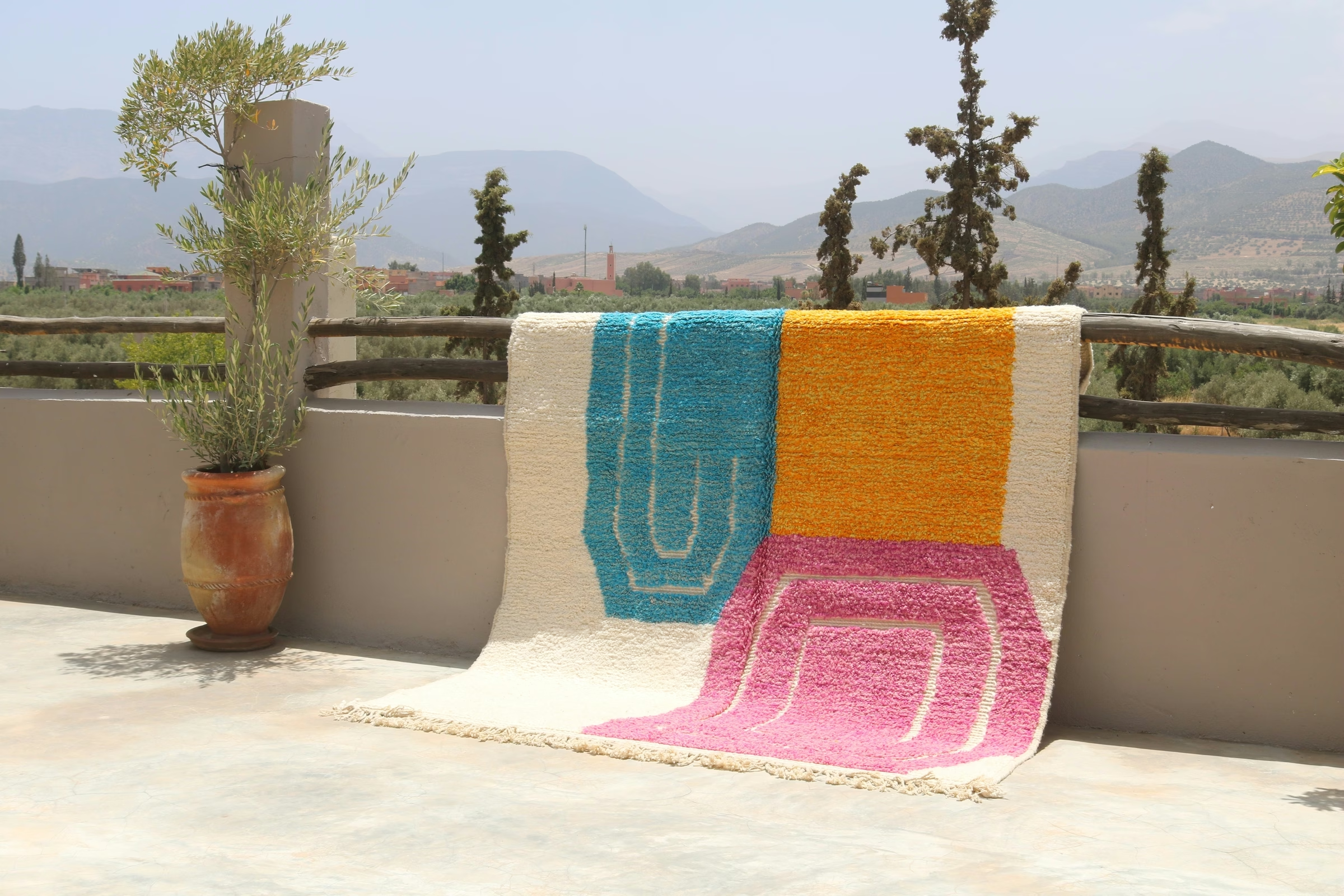
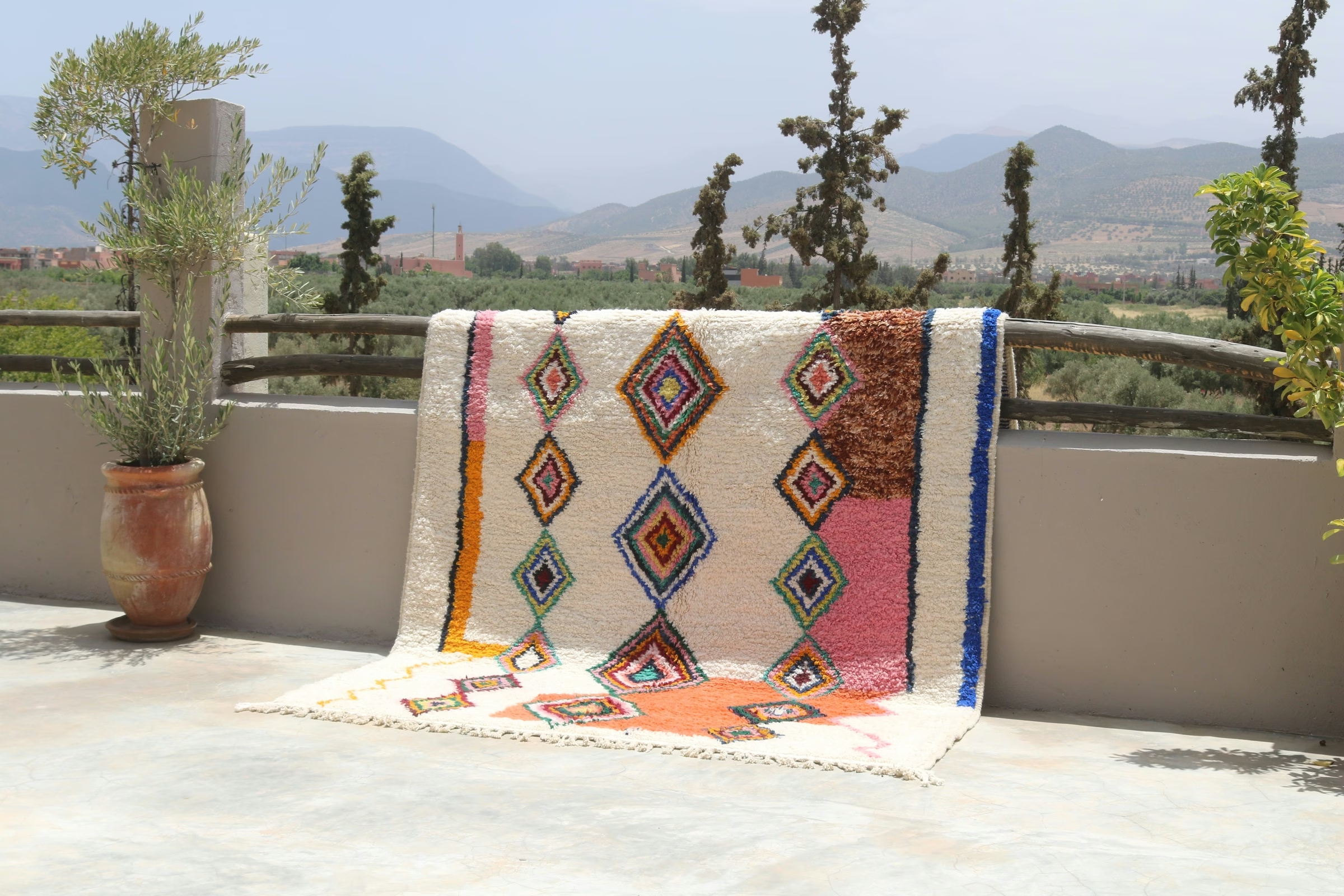
In our collection the Azilal rugs have the lowest and lightest pile, and they hold back the least heat. Beni Ourain rugs, with a long, loose pile, sit in the middle. Beni Mrirt rugs are the densest and heaviest. They insulate most, and they are ideal where a warm, soft place to sit matters more than full heat output from that patch of floor.
All are hand-knotted wool with no backing, in sizes from about 3 ft 3 in × 4 ft 7 in to beyond 10 × 13 ft. Every rug is a single piece, and its measured dimensions are given on the listing. Delivery is free worldwide, duties and taxes included.
What you can verify about us
- Origin
- Made in MoroccoHand-knotted Berber rugs from the Atlas regions. Every rug is a one-off.
- Construction
- Hand-knotted woolVerified at every stage — never machine-tufted.
- Delivery
- Duties includedFree shipping; import duties and taxes are included in the price.
- Returns
- 14 daysIn condition received, full refund of the purchase price.
Frequently Asked
Questions
- Can you put a wool rug on underfloor heating?
- Yes. The floor surface stays below about 29 °C, which does no harm to wool. Avoid rubber-backed rugs and thick foam pads, and leave a good share of the floor uncovered.
- Will a rug stop the underfloor heating from working?
- Only under the rug itself, and only partly. As long as rugs and closed-base furniture cover less than about half the floor, the room heats normally.
- What tog rating should a rug have for underfloor heating?
- A common guideline for the floor finish is 1.5 tog or less. A loose rug adds to that locally, which is why the area it covers matters more than its thickness.
- Is a thick wool rug a problem with a heat pump?
- It can be if a large part of the floor is covered. Heat pumps run at low temperatures with little margin. Choose a lower pile and keep plenty of floor free.
- Do I need a special underlay?
- If the rug needs a non-slip layer, use an open mesh underlay rated for underfloor heating. Avoid solid rubber, latex and thick foam.

The person behind the piece
“Before you buy, I’ll send you a video of the actual rug in natural light — not a stock photo. I answer the messages myself.”
I’m Youssef. I started ARINID because this market is full of middlemen and machine-made imitations sold as the real thing — and I grew up close enough to the looms to know the difference.
Every piece we list is a one-off, hand-knotted in Morocco. If you want to talk through sizing for your room, I’m on the other end of the message. A rug at this level is a thirty-year decision. You should be able to look the person selling it to you in the eye.
Youssef
Founder, ARINID
The next step
See every rug we currently offer
Each piece is hand-knotted in Morocco and delivered to your door, with shipping, duties and taxes included.