Geometric Runner Rug: Diamonds and Signs for Halls and Stair Landings
A geometric runner rug suits a hallway better than any other pattern, for a simple reason: you see a runner while walking along it. A drawing that changes from one end to the other, a column of diamonds, a row of small signs, a lattice that loosens as it goes, gives the walk something to follow. A plain runner shows every footprint. A printed repeat looks the same at every step. The runners on this page are knotted by hand in Morocco, nearly all in the Azilal style, about 2 ft 6 in to 3 ft wide and 10 ft long or more.
From the Atelier
Geometric Runner Rug currently in our collection
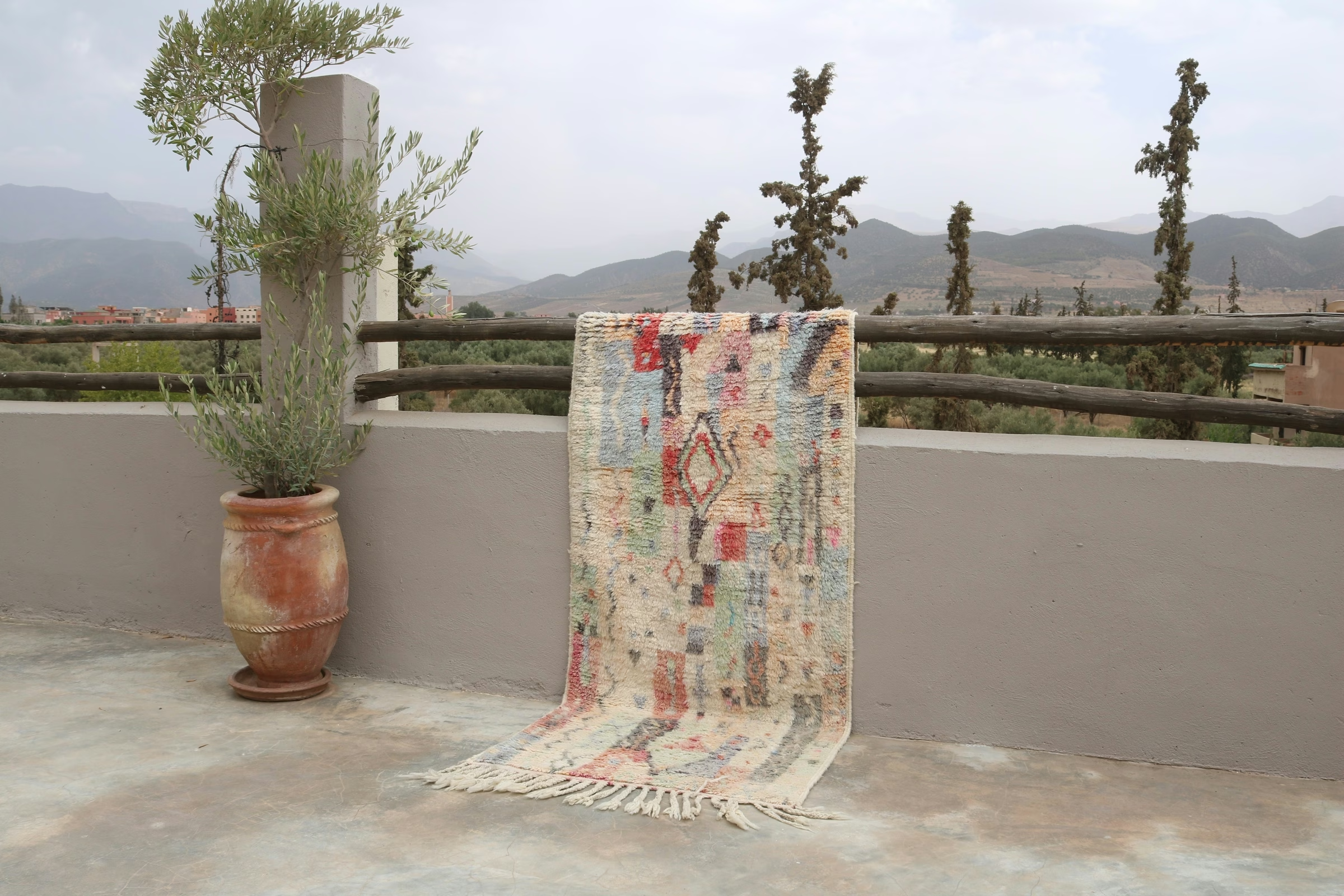
Azilal "Faded Garden"
300 × 92 cm
€1,547
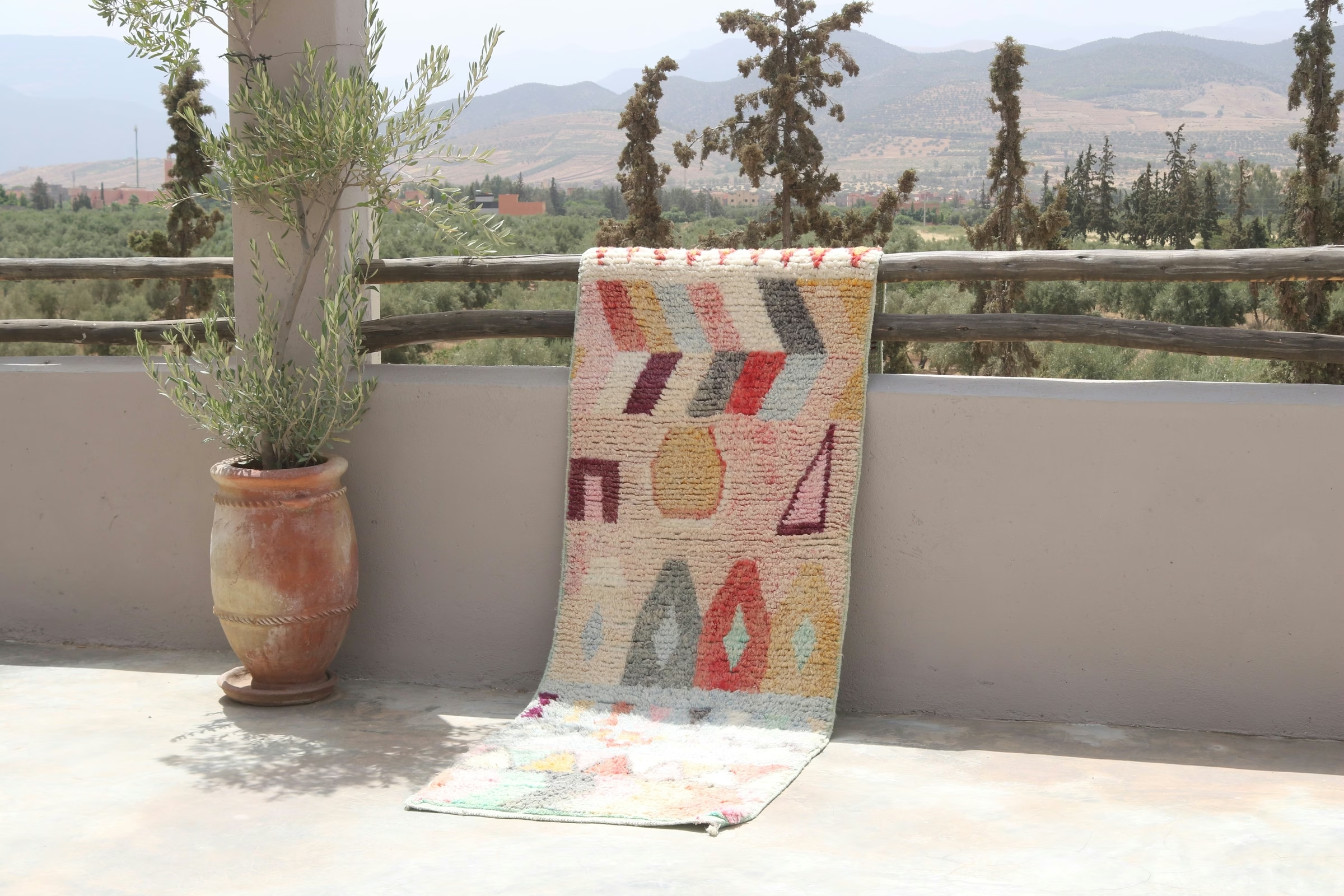
Azilal "Arch Sampler"
300 × 81 cm
€1,547
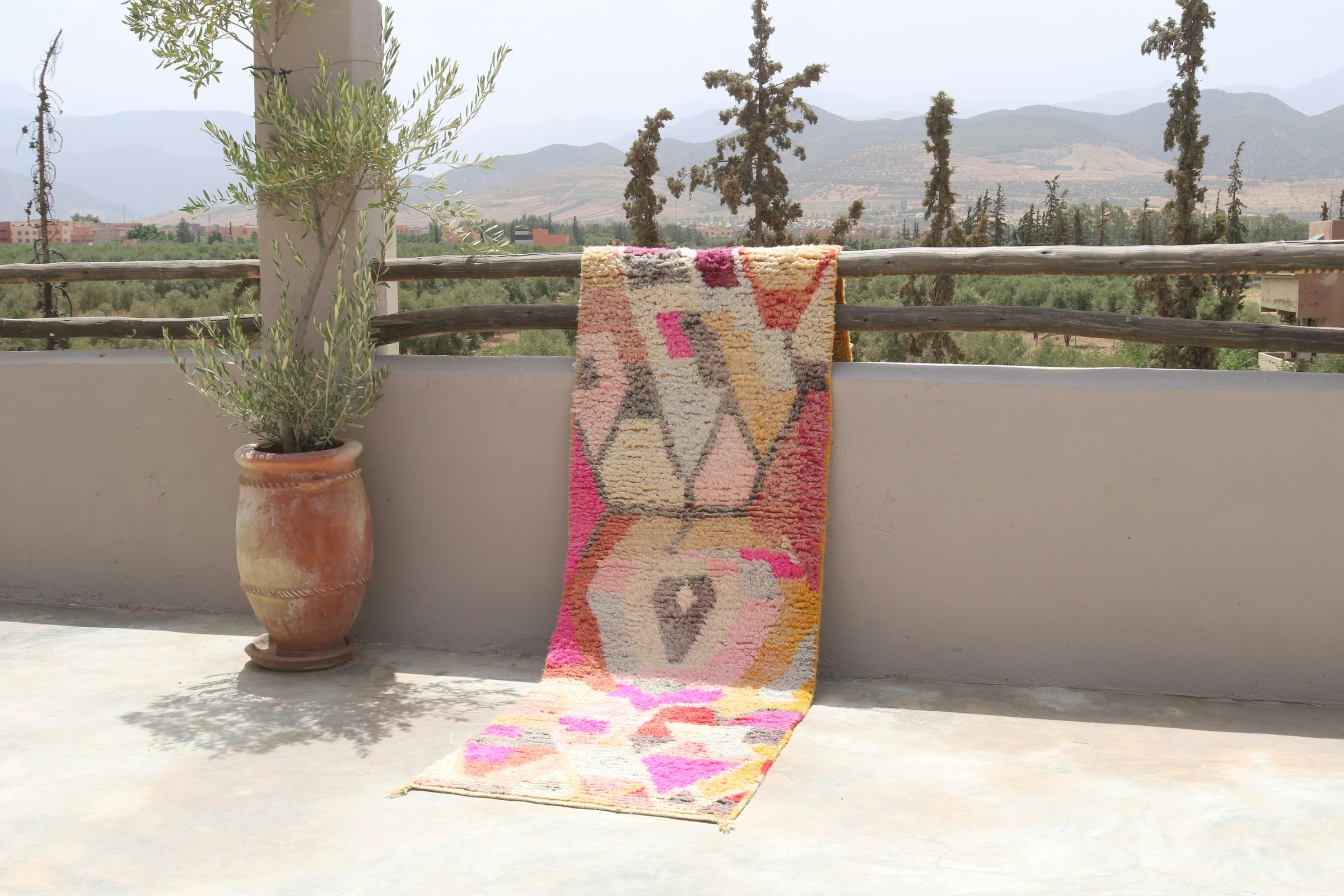
Azilal "Peach Geometry"
300 × 75 cm
€1,547
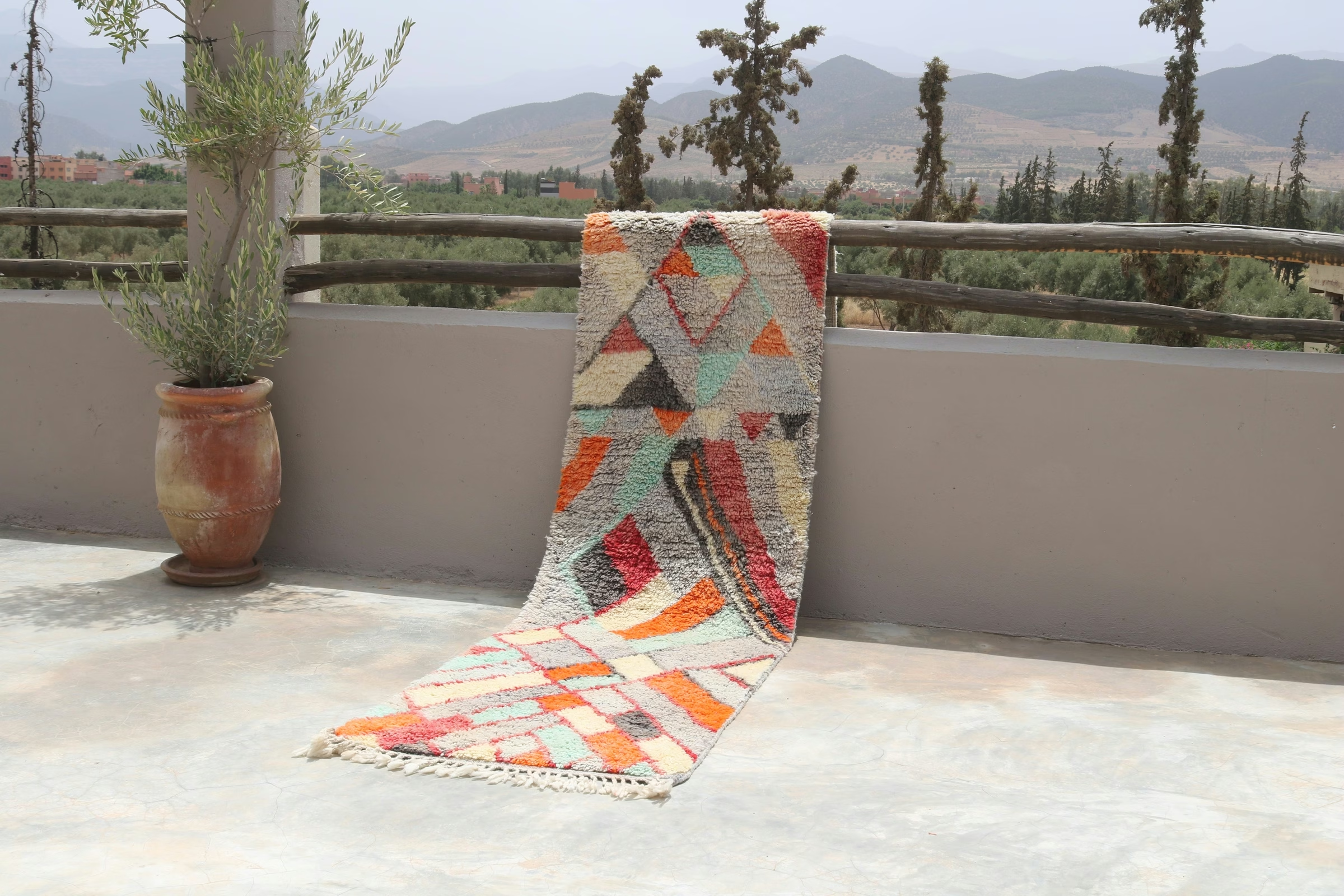
Azilal "Sunset Chevrons"
390 × 81 cm
€1,547
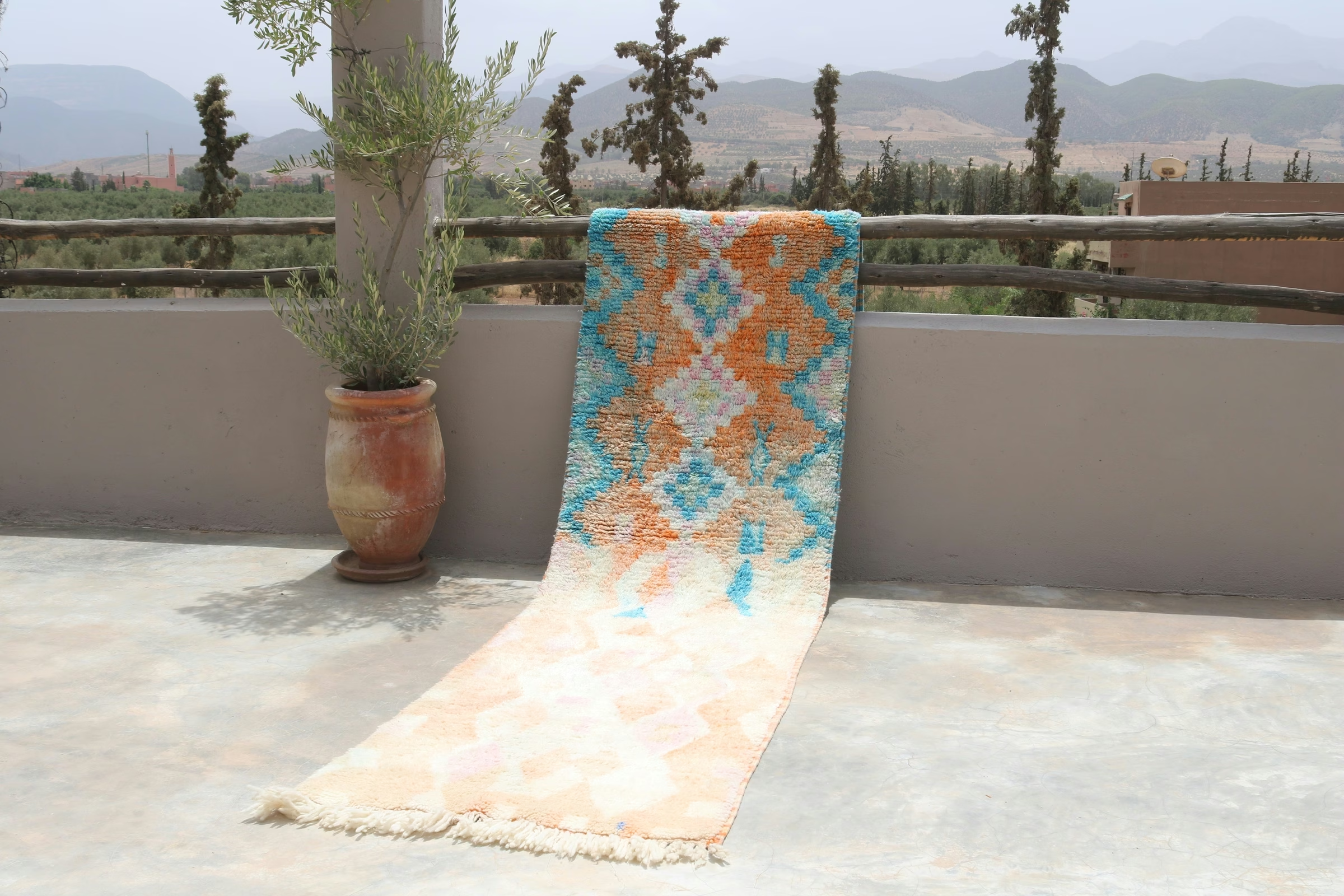
Azilal "Coastal Fade"
390 × 90 cm
€1,547
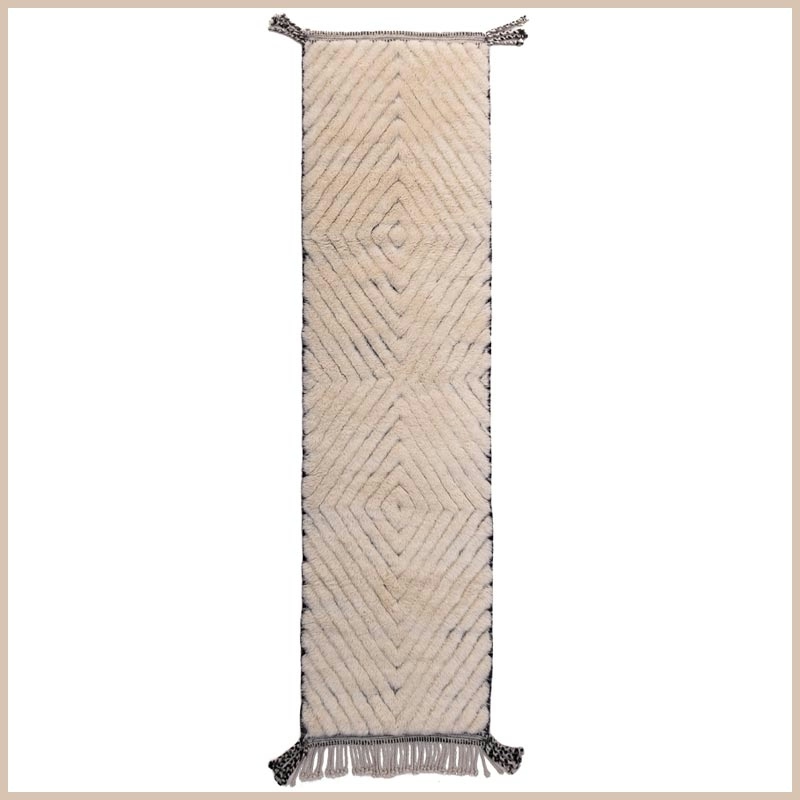
Beni Mrirt "Slender Lattice"
300 × 93 cm
€1,746
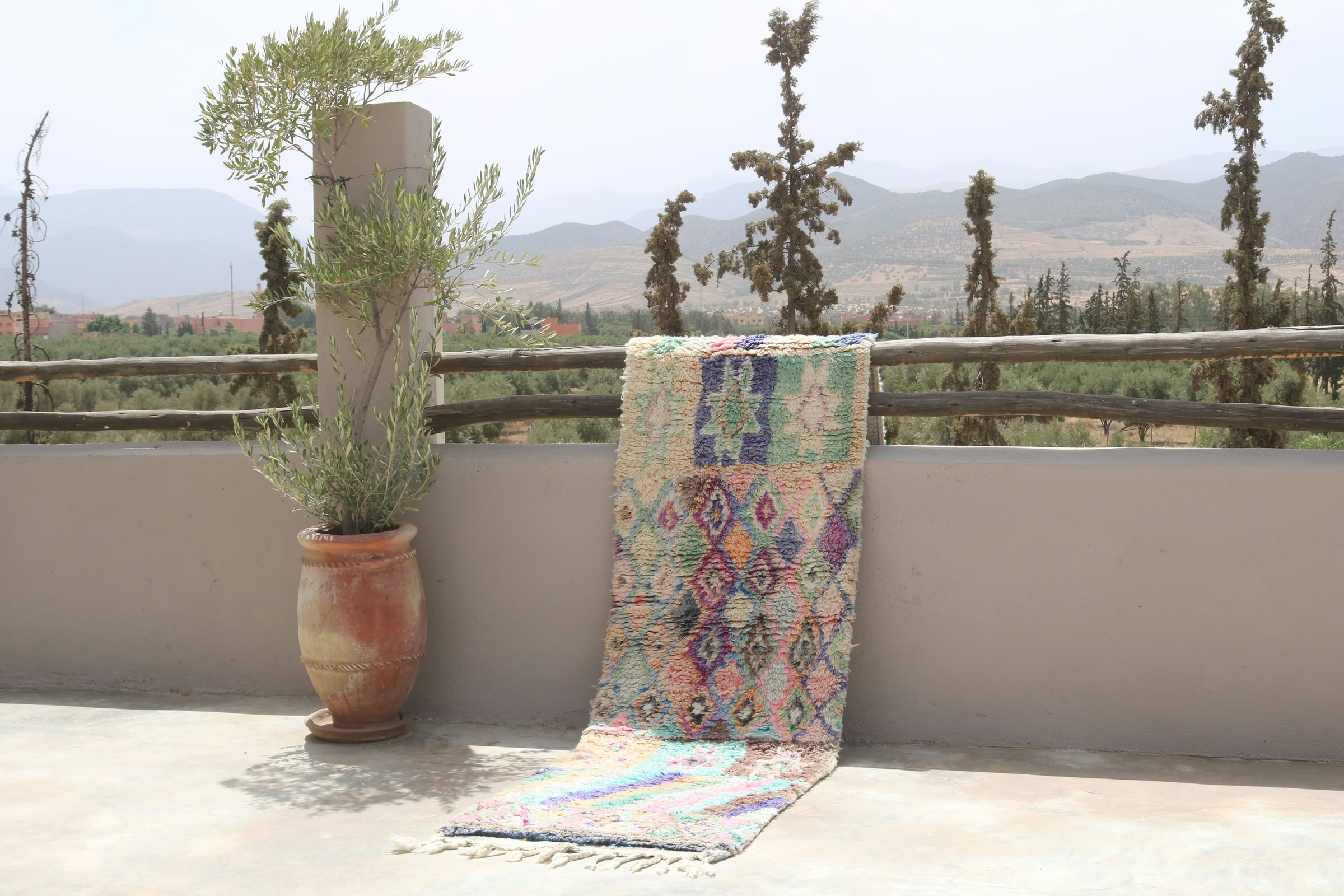
Azilal "Pastel Lattice"
306 × 80 cm
€1,547
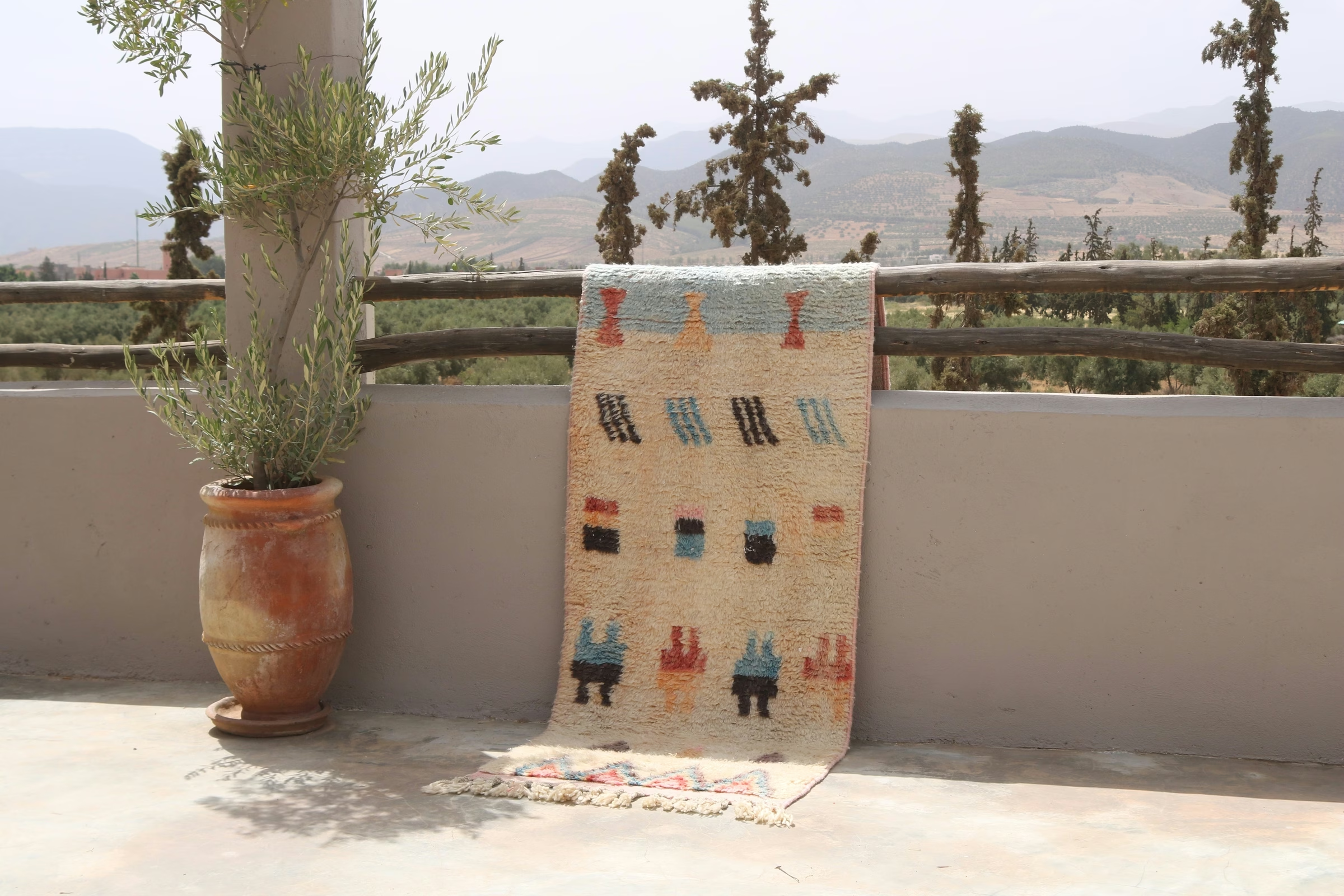
Azilal "Village Figures"
300 × 80 cm
€1,547
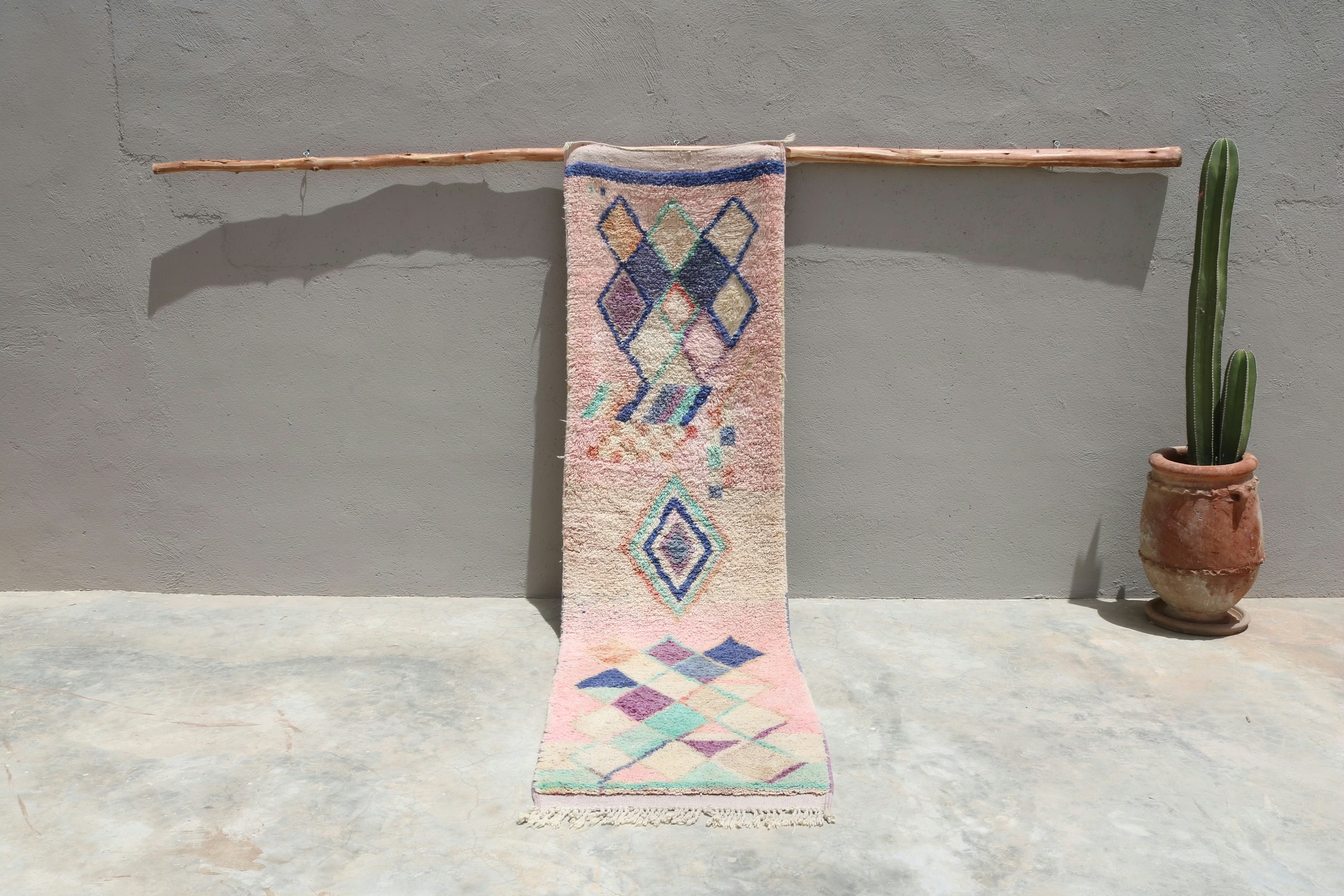
Azilal "Rose Lozenges"
310 × 83 cm
€1,547
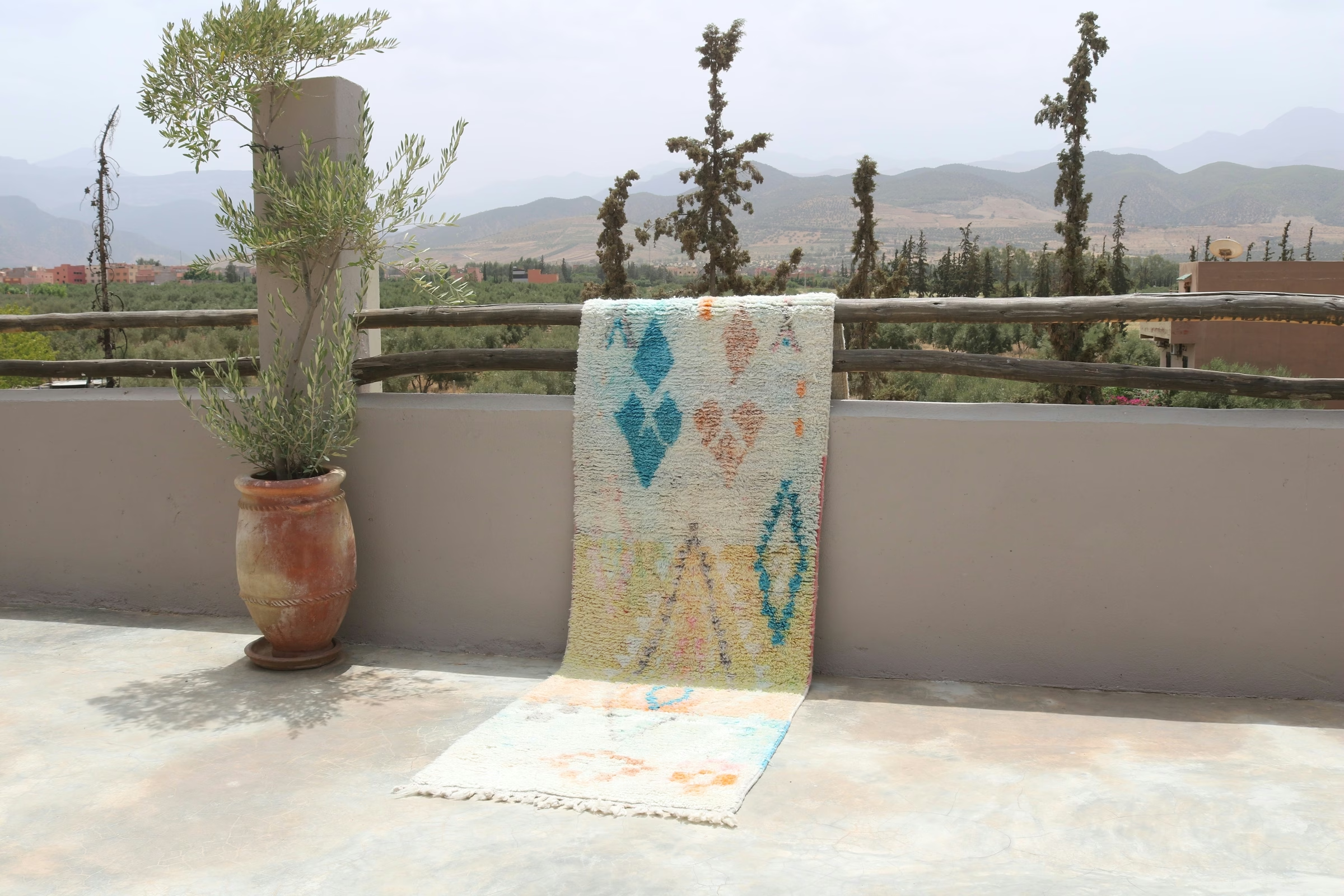
Azilal "Turquoise Kites"
310 × 82 cm
€1,547
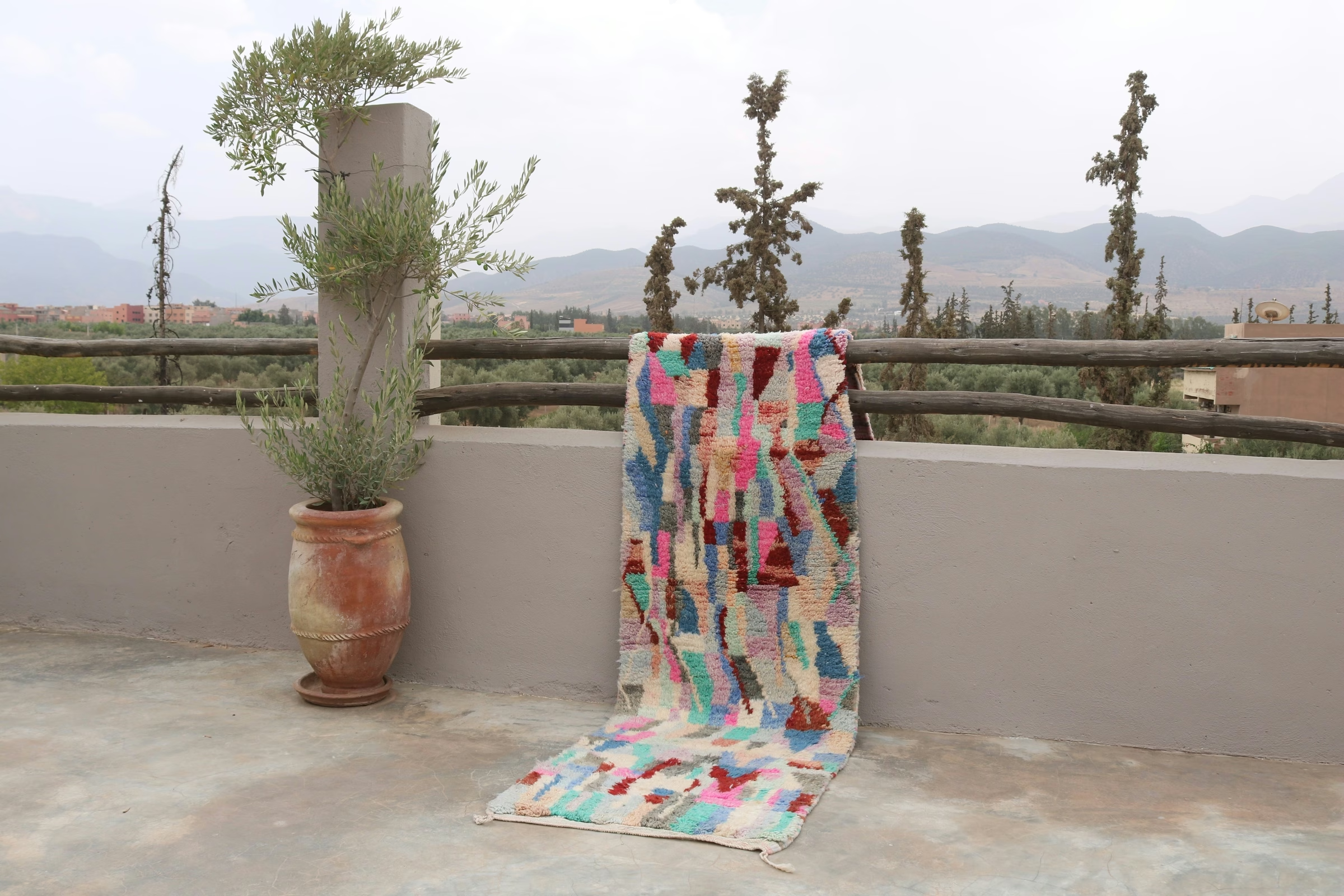
Azilal "Pastel Patchwork"
300 × 80 cm
€1,547
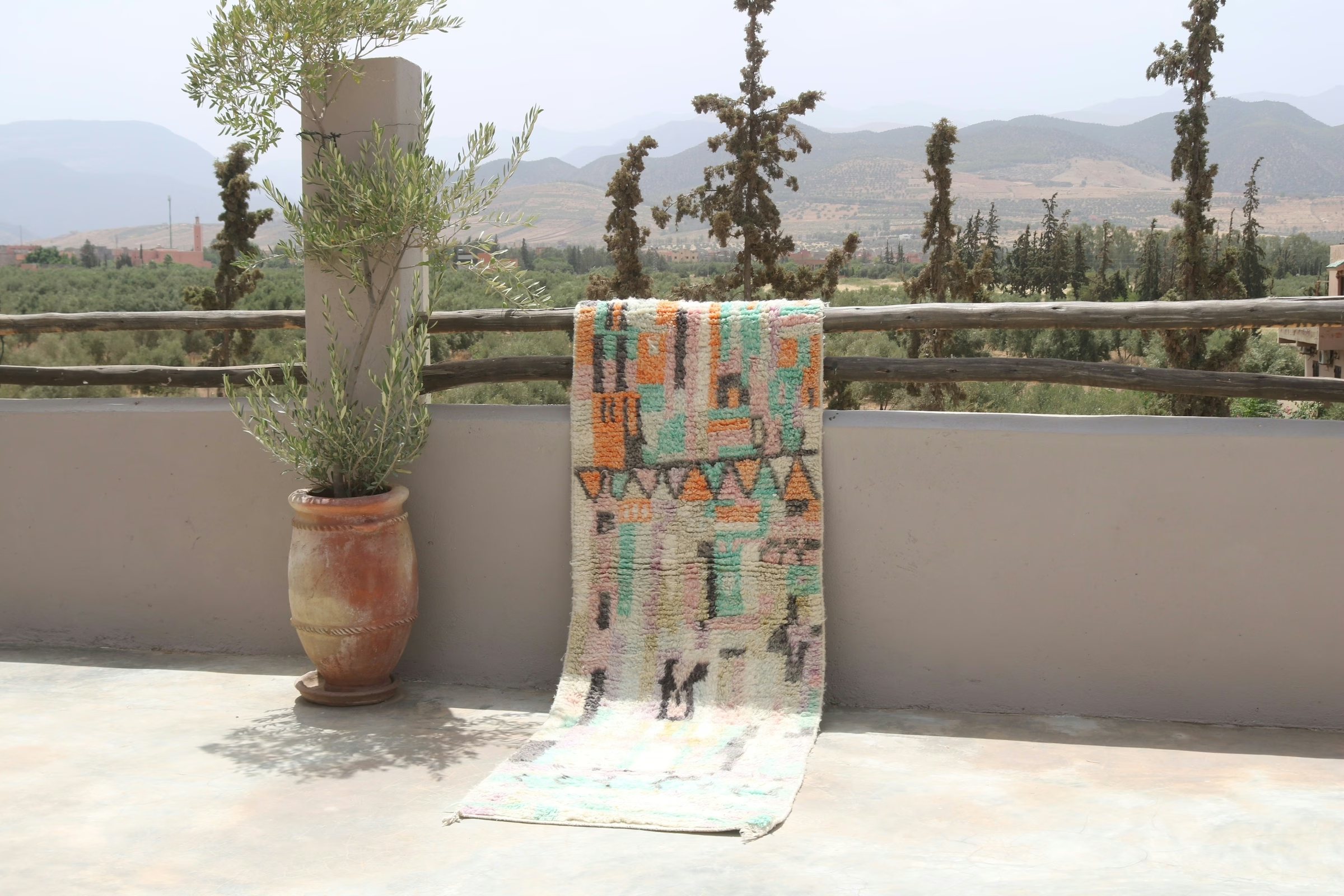
Azilal "Motif Sampler"
300 × 80 cm
€1,547
Why pattern belongs in a hall
A hall takes more grit than any room in the house and has the least furniture to hide it. A runner with a drawing, and above all one with several colours, conceals dust, crumbs and the track down the middle that a plain runner shows within a week.
Pattern also solves the corridor's other problem, which is that it is boring. A hall is a room you pass through. Ten feet of diamonds and signs, different at every pace, turns the passage into something you notice. It is the one place where a lively rug costs the house nothing in calm.
Diamonds, columns and samplers
The classic runner design is a column of diamonds down the centre, sometimes with a striped edge. It reads clearly along the length and makes a narrow hall feel deliberate. A diamond lattice covering the whole field is calmer and more formal.
The freest runners are samplers: dozens of small motifs, crosses, chevrons, arches, triangles, set in rows as though the weaver were writing a list. No two rows match. Others float a few diamonds and triangles on a pale ground and leave the rest open. The busier the household, the more a sampler earns its place.
Getting the size right
Measure the hall and leave 4 to 6 inches of floor on each side of the runner. In a hall 3 ft 6 in wide, a runner of 2 ft 6 in to 2 ft 8 in is right. Lengthwise, stop 6 to 12 inches short of each end, and never let a runner run under a door that opens over it without checking the clearance.
Most of these runners are close to 10 ft long, which suits a hall of 11 to 12 ft. In a longer corridor, one runner centred with floor at both ends looks better than two laid end to end. On a stair landing or beside a bed, a 10 ft runner can simply follow the longest wall.
Underlay, wear and care
Always put a non-slip underlay beneath a runner. It is narrow and light, and a hall floor is usually smooth. Cut the underlay an inch smaller than the rug all round so it cannot be seen. It also stops the rug creeping towards the door.
Wool wears well in a passage. The fibre springs back under foot traffic and its natural grease resists soiling. Vacuum twice a week without a rotating brush, and now and then from the back, which is where grit collects. Turn the runner end for end twice a year so the wear from the door is shared.
The runners in this selection
Fifteen runners. Fourteen are Azilal and one is a Beni Mrirt in cream with a charcoal labyrinth. Among the Azilal are a saffron runner with a column of diamonds, a rust one with scattered diamonds, samplers of small motifs in many colours on cream, rows of navy crosses, floating diamonds in turquoise, a rose runner with navy lozenges, and two with a faded palette, one of them a pastel lattice.
Thirteen are 9 ft 10 in to 10 ft 2 in long and 2 ft 6 in to 3 ft 1 in wide. Two are longer, at 12 ft 10 in, in orange with crimson or turquoise. The measured dimensions are given on every listing. Delivery is free worldwide, duties and taxes included.
What you can verify about us
- Origin
- Made in MoroccoHand-knotted Berber rugs from the Atlas regions. Every rug is a one-off.
- Construction
- Hand-knotted woolVerified at every stage — never machine-tufted.
- Delivery
- Duties includedFree shipping; import duties and taxes are included in the price.
- Returns
- 14 daysIn condition received, full refund of the purchase price.
Frequently Asked
Questions
- How wide should a hallway runner be?
- Narrow enough to leave 4 to 6 inches of floor on each side. For a hall 3 ft 6 in wide, choose a runner about 2 ft 6 in to 2 ft 8 in wide.
- Does a patterned runner hide dirt?
- Yes, far better than a plain one. A drawing in several colours conceals grit and the walking track down the centre. Vacuum it often all the same.
- Can I use one of these as a stair runner?
- We do not recommend it. A thick hand-knotted runner is made for a flat floor. On stairs it is too deep and cannot be fixed securely enough.
- How long are the runners?
- Thirteen of the fifteen are about 10 ft long. Two measure 12 ft 10 in. Each listing gives the measured length and width.

The person behind the piece
“Before you buy, I’ll send you a video of the actual rug in natural light — not a stock photo. I answer the messages myself.”
I’m Youssef. I started ARINID because this market is full of middlemen and machine-made imitations sold as the real thing — and I grew up close enough to the looms to know the difference.
Every piece we list is a one-off, hand-knotted in Morocco. If you want to talk through sizing for your room, I’m on the other end of the message. A rug at this level is a thirty-year decision. You should be able to look the person selling it to you in the eye.
Youssef
Founder, ARINID
The next step
See every rug we currently offer
Each piece is hand-knotted in Morocco and delivered to your door, with shipping, duties and taxes included.