The 2,000-Year History of Berber Rug Weaving
Berber rug weaving dates back over two millennia, with roots in the nomadic lifestyles of the Amazigh people of North Africa.
The Origins
Berber rug weaving in Morocco dates back over 2,000 years, with its roots deeply embedded in the nomadic and pastoral lifestyles of the Amazigh (Berber) tribes. The tribes, primarily from the Middle Atlas Mountains and the High Atlas Mountains, developed distinct weaving techniques to create warm, durable rugs suited to their harsh mountain environments.
A Practical Necessity Becomes Art
For the Berbers, rug weaving began as a practical necessity. The high-altitude climate of the Atlas Mountains—which stretch 2,500 kilometers across North Africa—demanded protection from cold nights and harsh weather. Sheep that grazed in these regions developed thick, durable wool adapted to the rugged terrain, and this wool became the foundation of Berber textiles.
Passed Through Generations
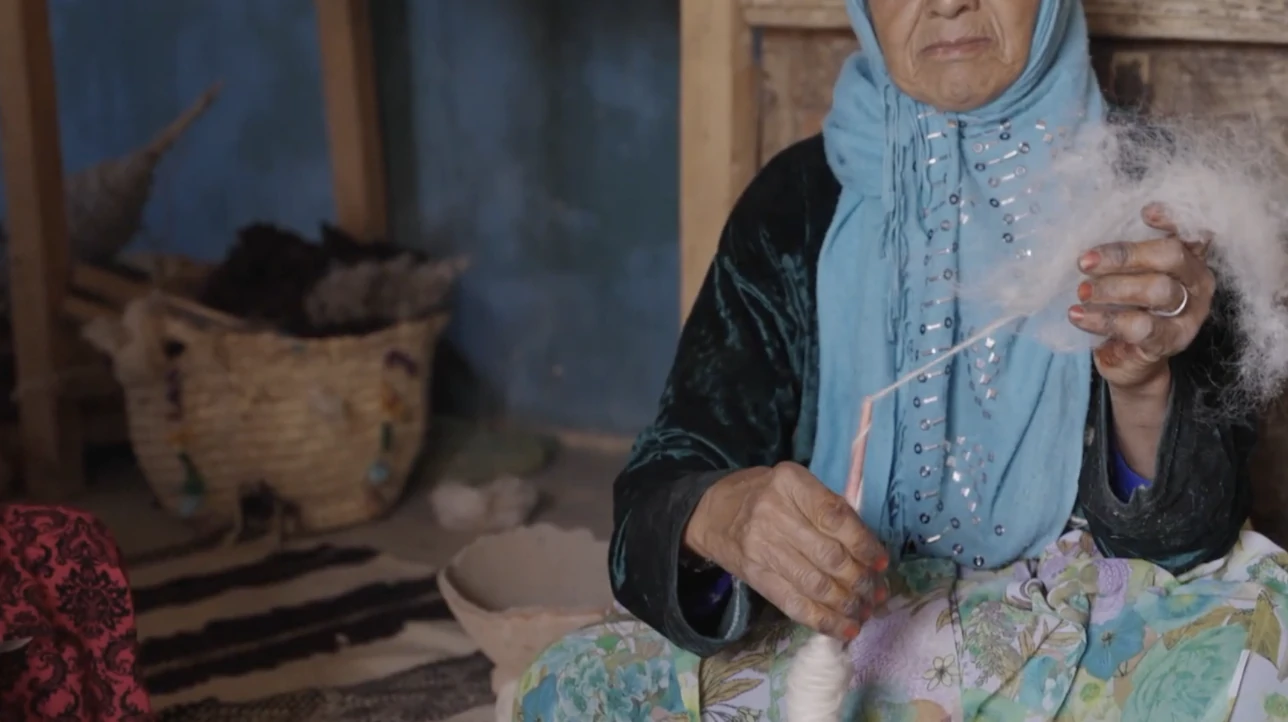
Weaving skills have been passed down from generation to generation, primarily from mother to daughter. Women traditionally wove carpets at home for their family's use. The craft was never formally taught in schools—it was learned through observation and practice within the household.
Cultural Significance
Beyond utility, rugs became culturally significant. They were favored gifts for privileged social classes and decorated palaces and sacred spaces such as mosques. Each region developed its own distinctive patterns, colors, and techniques, making provenance identifiable to those familiar with the traditions.
The Tamazgha Region
The Berber people refer to their homeland as Tamazgha—the region between the Mediterranean Sea and the Niger River. Tribes can be found from Morocco to Mauritania, Mali, Tunisia, Algeria, Niger, and Libya. This vast geographic spread contributed to the diversity of weaving styles we see today.