Beni Mguild Rugs: Bold Geometry from the Middle Atlas
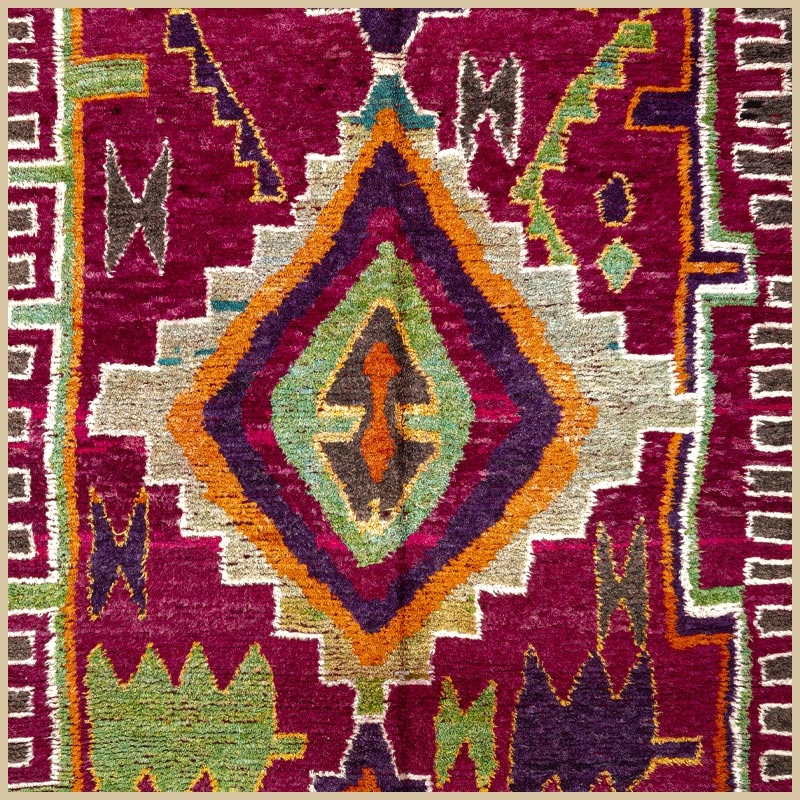
Known for thick pile, rich colors, and bold diamond patterns, Beni Mguild rugs represent one of Morocco's most distinctive weaving traditions.
Origin
Beni Mguild rugs come from the Beni Mguild tribe of the central Middle Atlas Mountains in Morocco. This region's cold climate influenced the development of particularly thick, dense rugs designed for warmth and insulation.
Distinctive Characteristics
Dense Pile: Beni Mguild rugs feature an exceptionally thick pile, often denser than other Moroccan rug types. This density provides superior warmth and cushioning.
Rich Colors: Unlike the neutral Beni Ourain palette, Beni Mguild rugs often incorporate deep, saturated colors—burgundy, navy, forest green, and burnt orange are common. These colors were traditionally achieved through natural dyes.
Bold Geometric Patterns: The designs feature strong geometric motifs—diamonds, lozenges, zigzags, and herringbone patterns. These motifs blend abstract with geometric elements in asymmetrical yet ordered compositions.
Symbolic Patterns
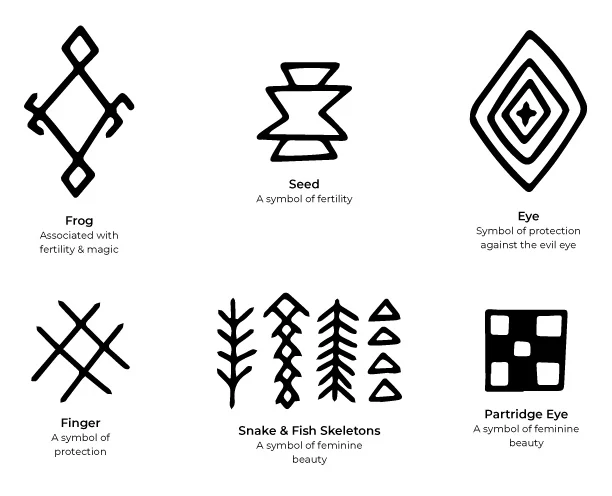
The patterns in Beni Mguild rugs emerge from instinctive imagination, representing themes central to Berber culture:
- Protection and fertility
- The natural landscape (mountains, water, fields)
- Tribal identity and family lineage
Construction Method
Each rug is handwoven on a traditional wooden loom. The thick pile is created through a knotting technique, with the weaver tying individual knots and then cutting them to create the plush surface. The process is time-intensive—a large rug can take three to six months to complete.
Dating Vintage Pieces
Some vintage Beni Mguild rugs bear dates woven into the design, typically on the back. This practice allows collectors to identify the approximate age of a piece.