Atlas Mountain Wool: Why It Matters
The sheep of the Atlas Mountains produce wool uniquely suited to rug-making—dense, durable, and naturally lanolin-rich.

High-Altitude Sheep
The sheep that graze in Morocco's Atlas Mountains have adapted over centuries to the region's high altitude and rugged terrain. At elevations where temperatures fluctuate dramatically between day and night, these animals developed thick, resilient fleece as natural protection.
Wool Characteristics
Durability: Atlas Mountain wool is known for its strength. The harsh environment produces fiber that withstands wear and maintains its structure over decades of use.
Natural Lanolin: The wool retains natural lanolin, the waxy substance that protects sheep from moisture. This gives handwoven rugs natural water resistance and helps them shed dirt.
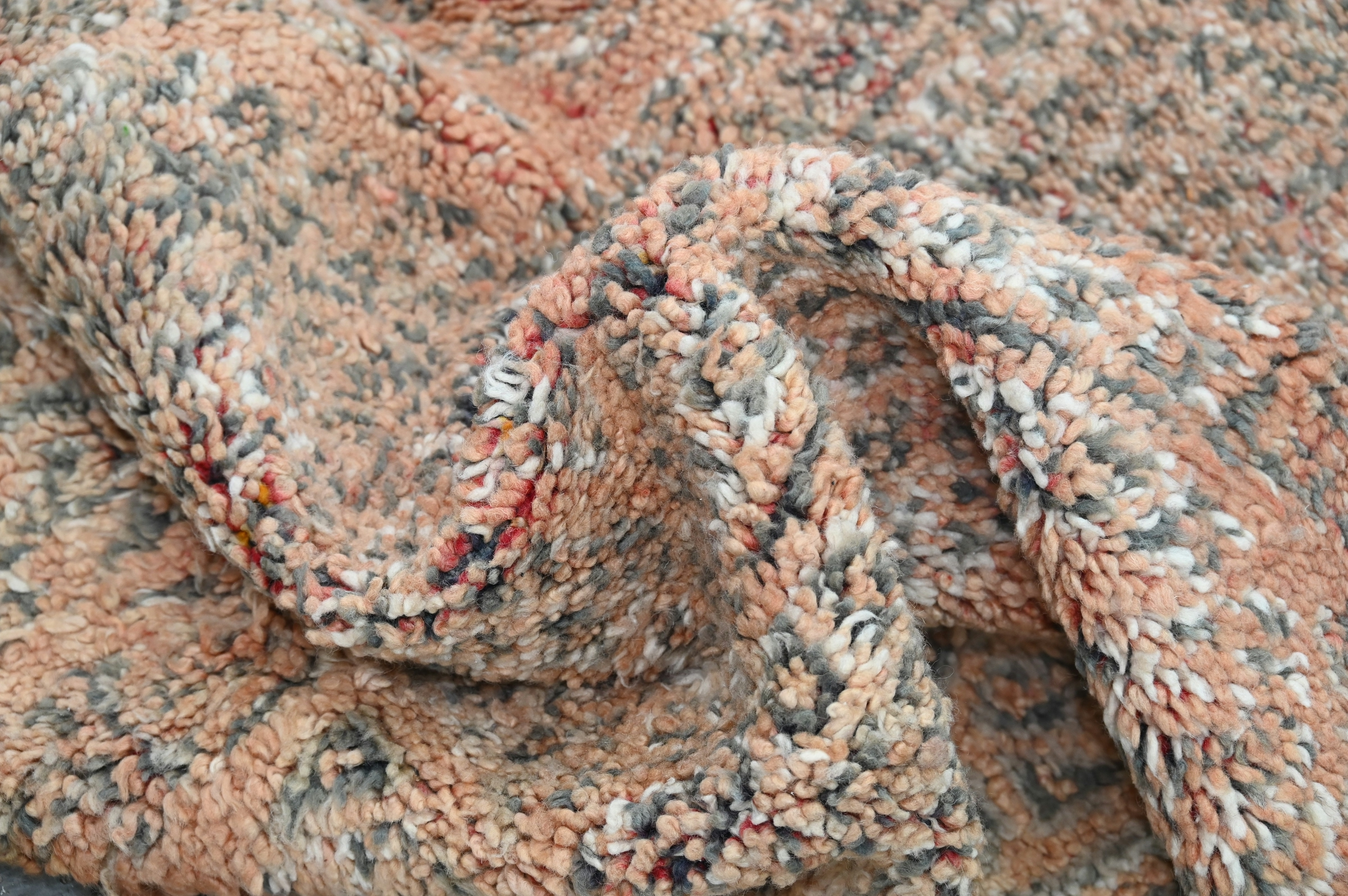
Texture: The wool has a distinctive texture—neither too coarse nor too fine—that takes dye well and feels comfortable underfoot.
From Sheep to Rug
The traditional process involves several stages:
1. Shearing: Sheep are typically sheared once or twice per year, usually in spring.
2. Washing: The raw wool is washed in local streams to remove dirt and excess lanolin while retaining enough to maintain the wool's natural properties.
3. Carding: The clean wool is carded—brushed with special combs—to align the fibers and prepare them for spinning.
4. Spinning: Women spin the wool by hand using a drop spindle, creating yarn of varying thickness depending on the intended use.
5. Dyeing: If colors other than natural cream, brown, or black are desired, the yarn is dyed before weaving.
Live Wool vs. Dead Wool
Artisans distinguish between "live wool" (sheared from living sheep) and "dead wool" (collected from deceased animals or during slaughter). Live wool is considered superior—it's stronger, more resilient, and less prone to shedding.