Beni Ourain Rugs: What Makes Them Distinctive
Produced by tribes from the Middle Atlas Mountains, Beni Ourain rugs are known for their cream-white wool and geometric diamond patterns.
Origin and Location
Beni Ourain rugs are woven by the Beni Ourain tribal confederation, which consists of 17 distinct tribes inhabiting the northern Middle Atlas Mountains of Morocco. Their landlocked, mountainous location meant these tribes were never heavily influenced by Arab-Eastern designs, allowing their rugs to maintain their original, archaic appearance.
Distinctive Characteristics
Color Palette: Beni Ourain rugs are typically made from undyed natural wool, resulting in cream or ivory backgrounds. The patterns are created using dark brown or black wool, also in its natural state.
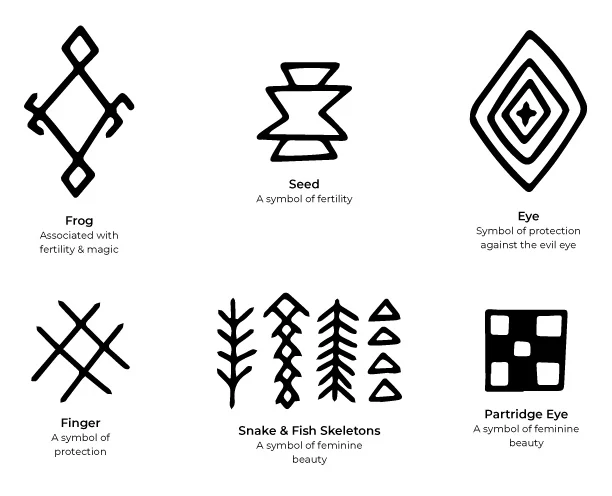
Geometric Patterns: The most recognizable feature is the diamond (lozenge) motif, often arranged in lattice formations. These patterns are asymmetrical and abstract, reflecting the intuitive nature of the weaving process.
Pile and Texture: These rugs feature a thick, plush pile that provides exceptional warmth—a necessity in the cold mountain climate where temperatures can drop significantly at night.
Symbolic Meaning
The diamond shapes found in Beni Ourain rugs are believed to offer protection against evil spirits. The weavers incorporated these design elements as lucky charms to ward off the evil eye and bring prosperity to the household.
Construction
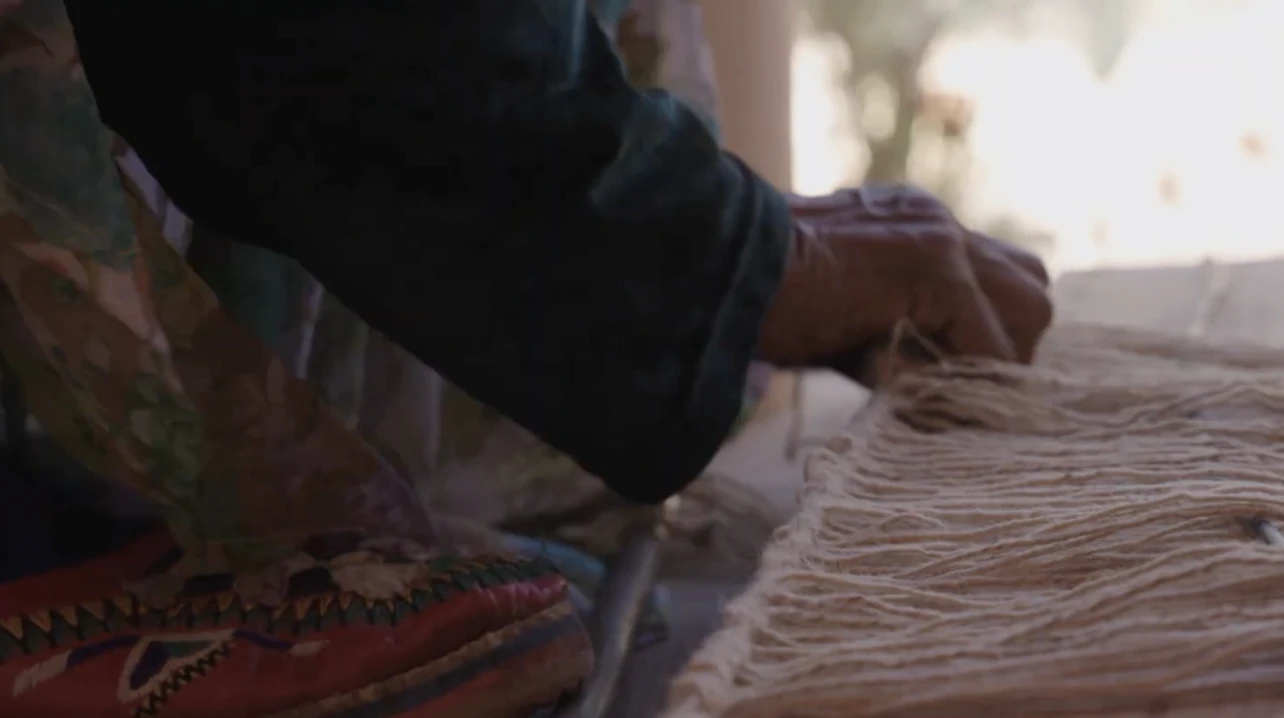
Each rug is handwoven on a vertical loom using wool from local sheep. The thick pile is created through a knotting technique, with each knot tied individually by hand. A single rug can take several months to complete, depending on its size and complexity.