Guide·5 min read
Styling Moroccan Rugs in Contemporary Interiors
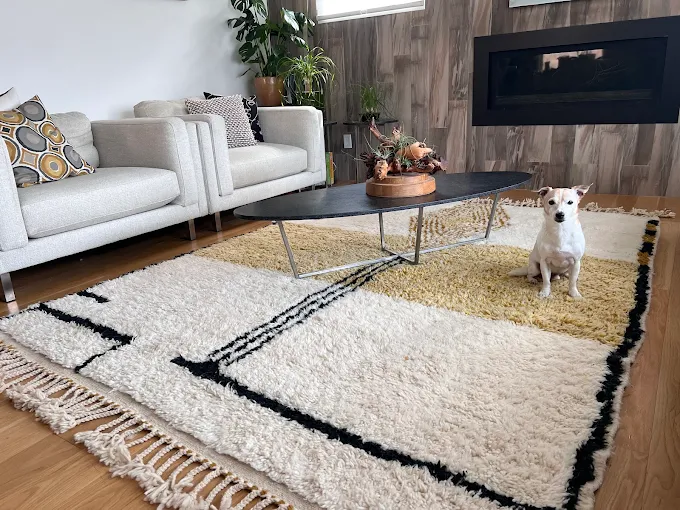
The key lies in restraint. A handwoven rug can anchor a room without competing for attention when placed thoughtfully.
Insights on handwoven textiles, interior design, and the craft of Atlas weaving.
The key lies in restraint. A handwoven rug can anchor a room without competing for attention when placed thoughtfully.

Berber weavers employ two primary techniques—flat-weaving for thinner, durable textiles and pile-weaving for thick, plush rugs.
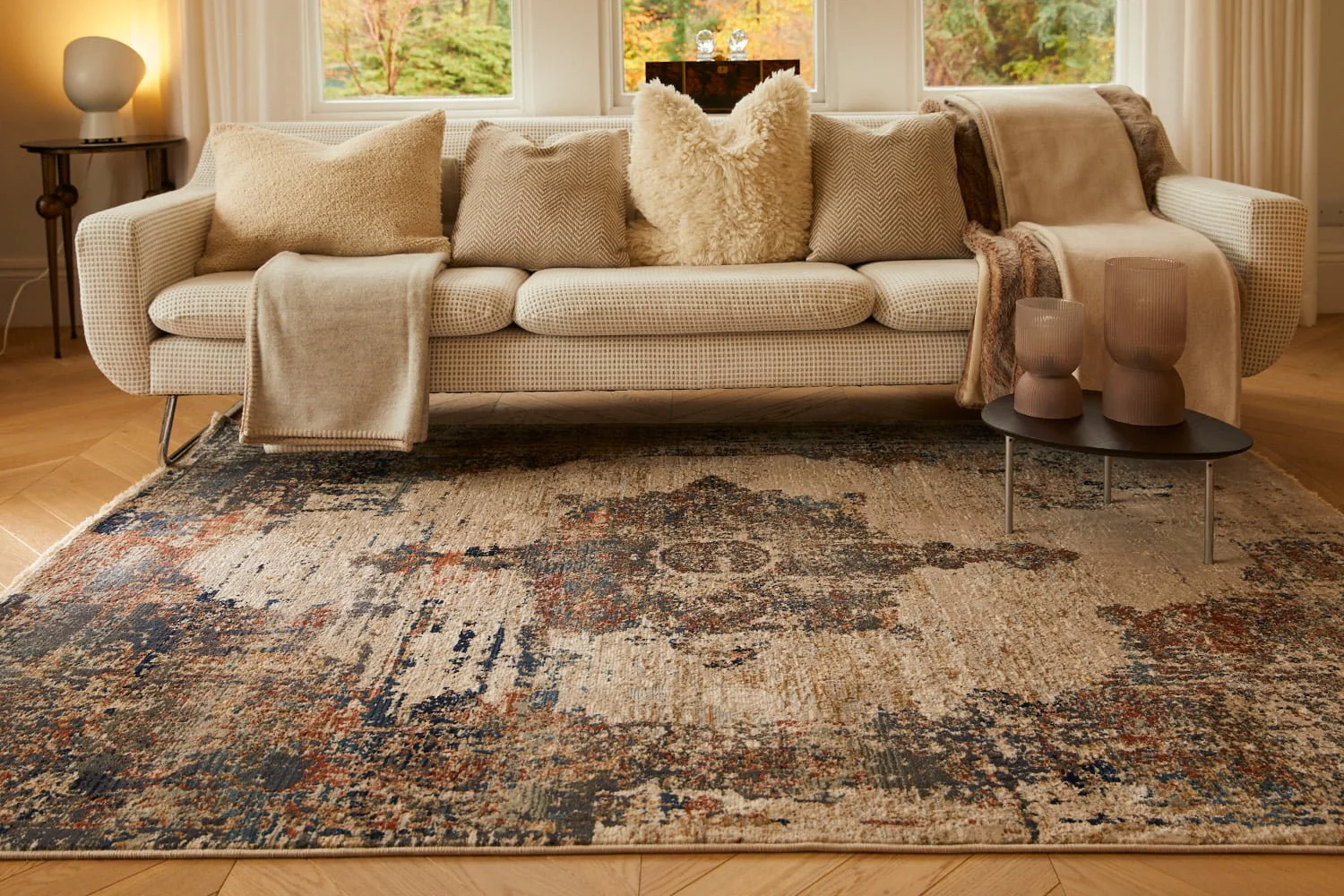
Scale matters. A guide to selecting rug dimensions that complement your interior without overwhelming or underwhelming the room.
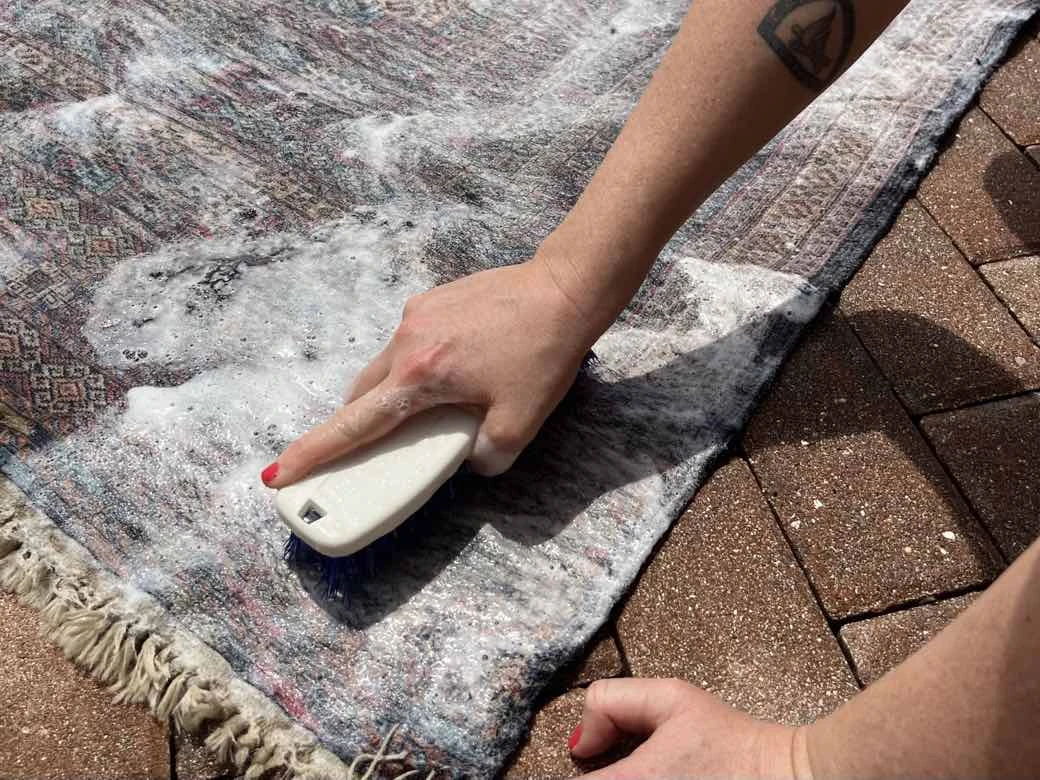
Proper care ensures your handwoven rug ages gracefully. Here is what you need to know about cleaning, storage, and maintenance.
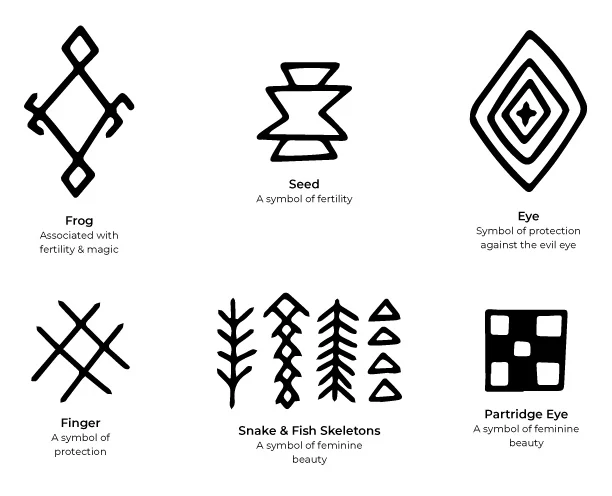
The geometric motifs in Berber rugs carry specific meanings—diamonds for protection, zigzags for water, triangles for femininity.

The sheep of the Atlas Mountains produce wool uniquely suited to rug-making—dense, durable, and naturally lanolin-rich.
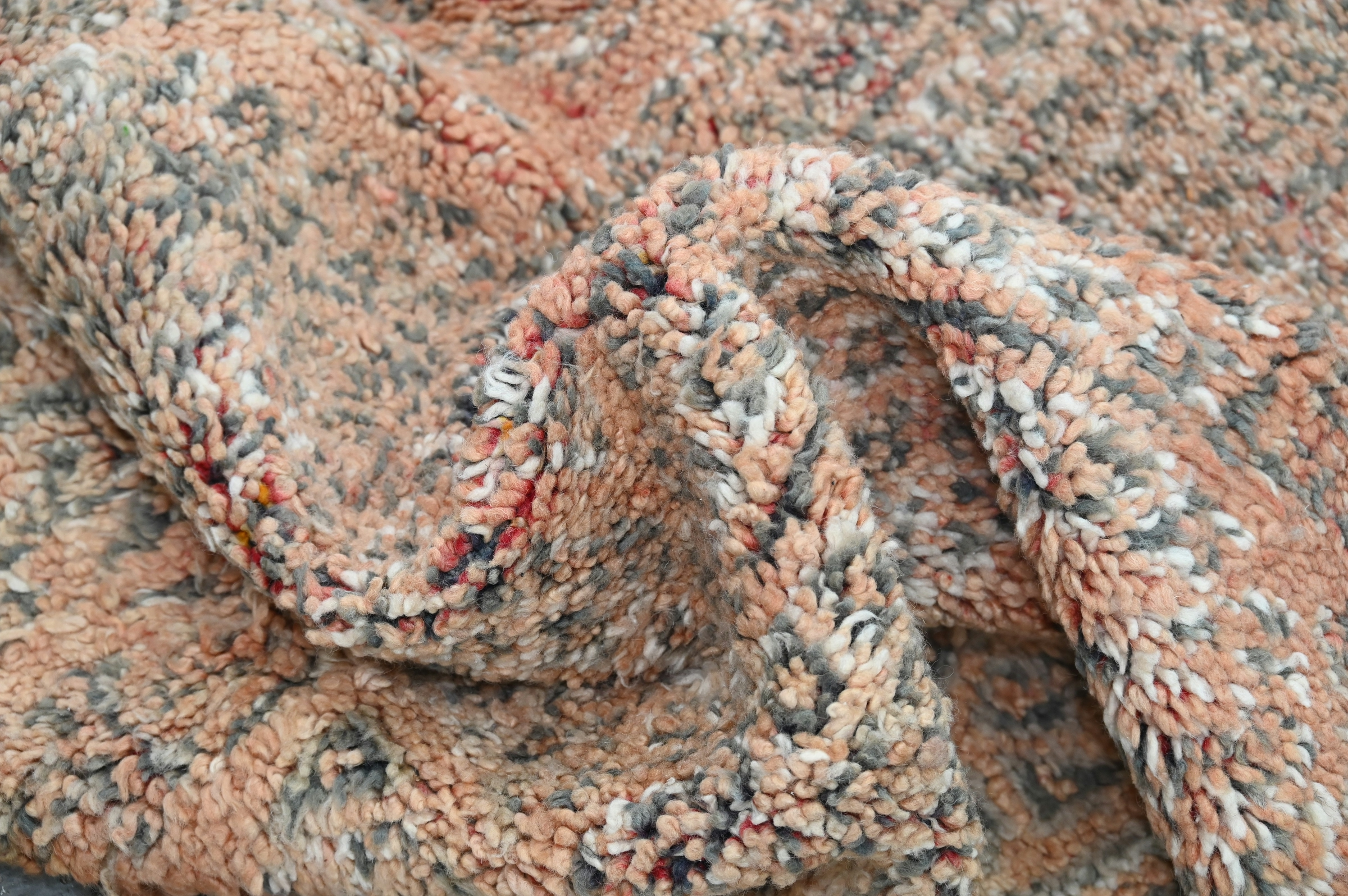
Traditional Berber rugs use dyes derived from plants, minerals, and insects native to Morocco—henna, indigo, saffron, and pomegranate.
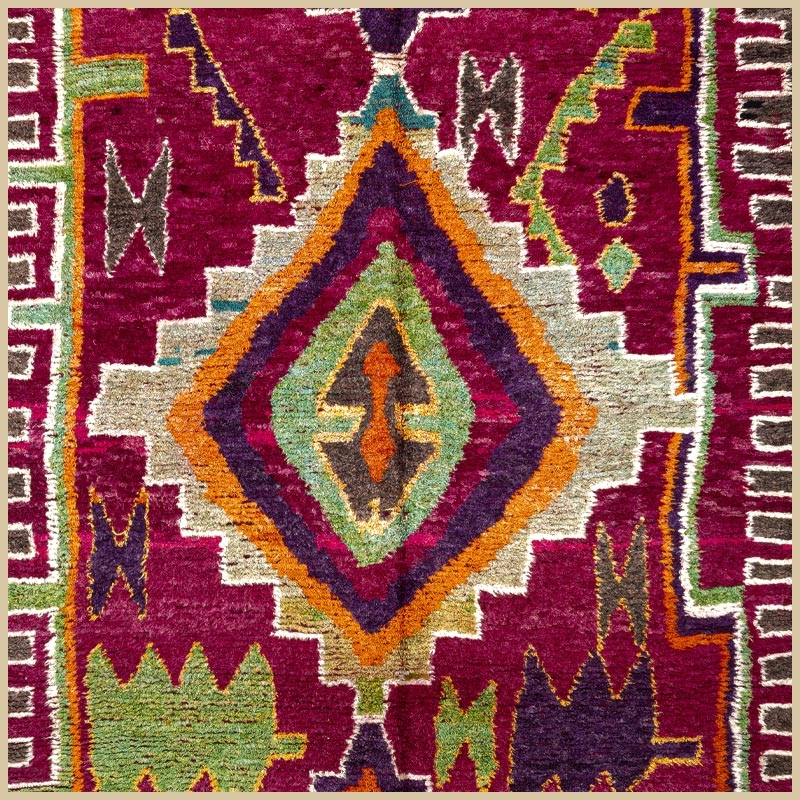
Known for thick pile, rich colors, and bold diamond patterns, Beni Mguild rugs represent one of Morocco's most distinctive weaving traditions.
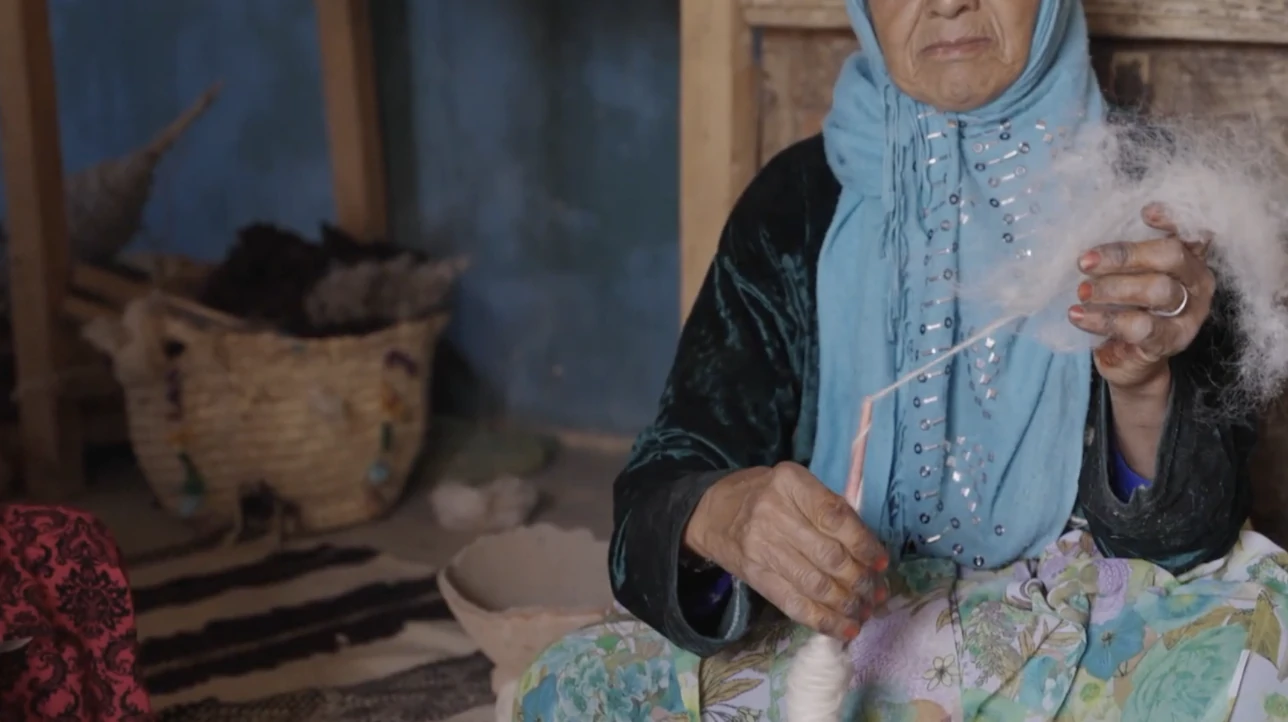
Berber rug weaving dates back over two millennia, with roots in the nomadic lifestyles of the Amazigh people of North Africa.

Originating from the Azilal province in Morocco's High Atlas Mountains, these rugs are known for their vibrant colors and expressive, abstract designs.
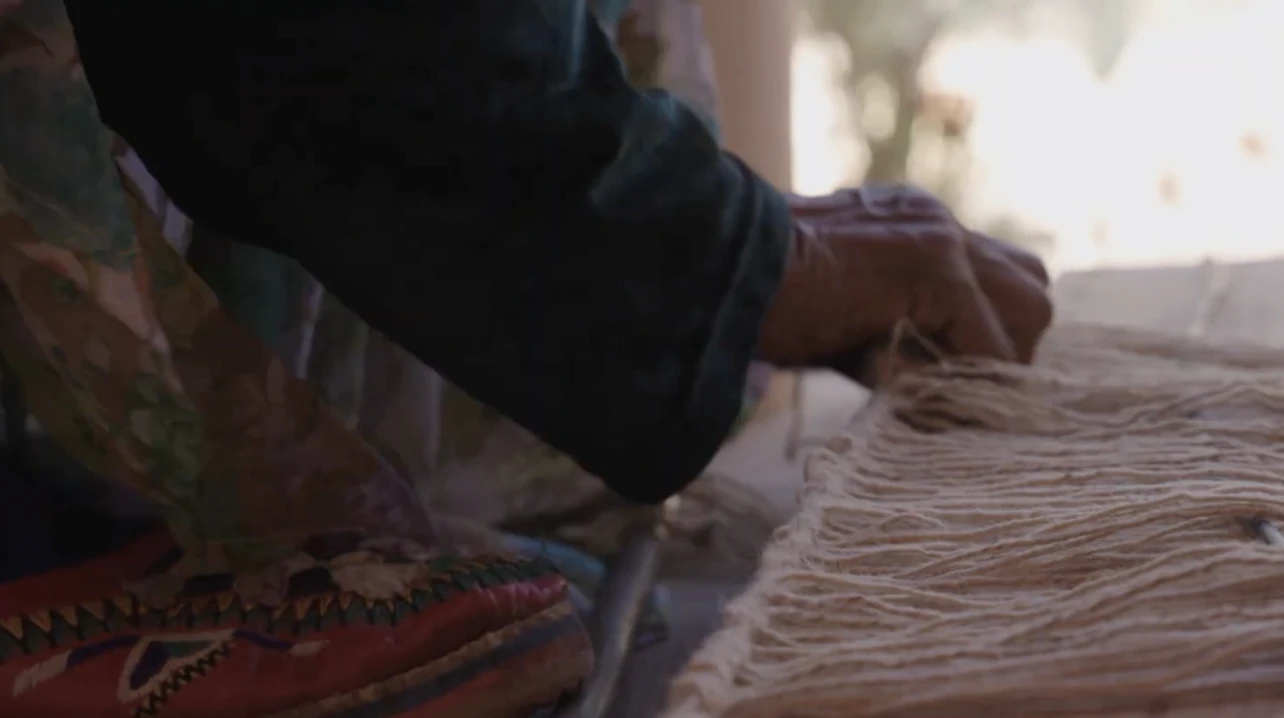
Produced by tribes from the Middle Atlas Mountains, Beni Ourain rugs are known for their cream-white wool and geometric diamond patterns.
Receive occasional updates on new pieces, insights on craft, and interior design perspectives.