Natural Dyes in Atlas Textiles: Colors from the Land
Traditional Berber rugs use dyes derived from plants, minerals, and insects native to Morocco—henna, indigo, saffron, and pomegranate.
A Tradition of Natural Color
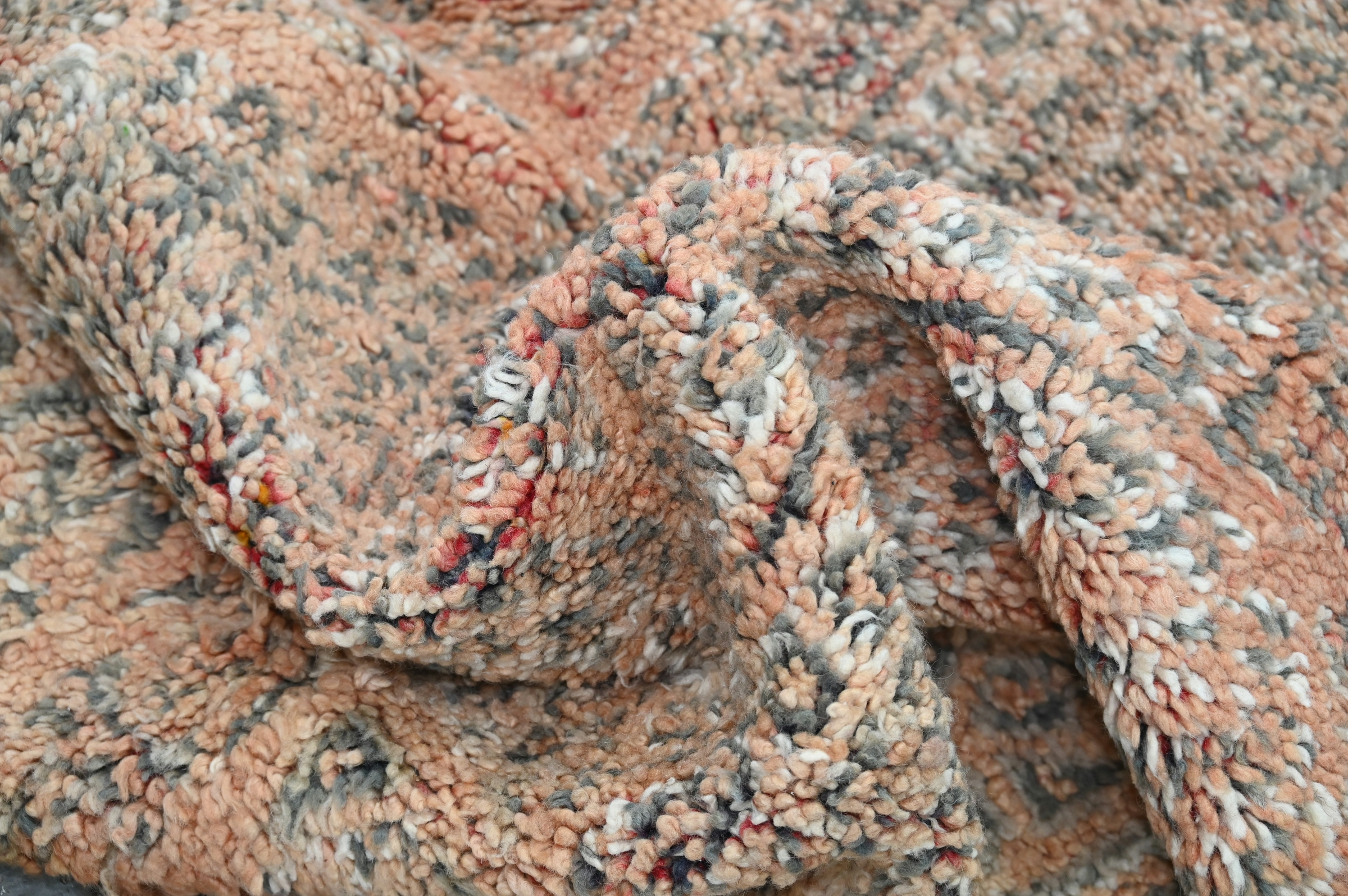
Before the introduction of synthetic dyes to Morocco in the 1950s, all wool was dyed using natural colors derived from plants, minerals, and insects found in the local environment. This tradition continues among artisans who value authenticity and sustainability.
Common Natural Dye Sources
Indigo: Derived from the leaves of the indigo plant, this dye produces the deep blue tones found in many traditional Moroccan textiles. The process of extracting indigo requires fermentation and careful preparation.
Henna: The leaves of the henna plant—also used for body art and hair coloring in Moroccan culture—produce warm, earthy red-brown tones. The intensity varies based on concentration and mordanting techniques.
Saffron: Obtained from the stigmas of the saffron crocus, this precious dye creates yellow and orange hues. Morocco is one of the world's saffron-producing regions, making this dye locally available.
Pomegranate: The dried shells of pomegranates yield colors ranging from yellow to deep gold. Combined with iron mordants, they can produce darker, more complex tones.
Mint and Alfalfa: These common plants provide green shades when properly processed.
The Dyeing Process
Natural dyeing is labor-intensive. The wool must first be cleaned and prepared, then treated with mordants—substances that help the dye bond permanently to the fiber. Common mordants include alum and iron. The wool is then immersed in the dye bath, often for extended periods, to achieve the desired depth of color.
Why Natural Dyes Matter
Naturally dyed wool ages differently than synthetically dyed material. The colors develop a patina over time, often becoming more beautiful with age. Each batch of natural dye produces slightly different results, contributing to the uniqueness of each rug.